
 |
 |
 |
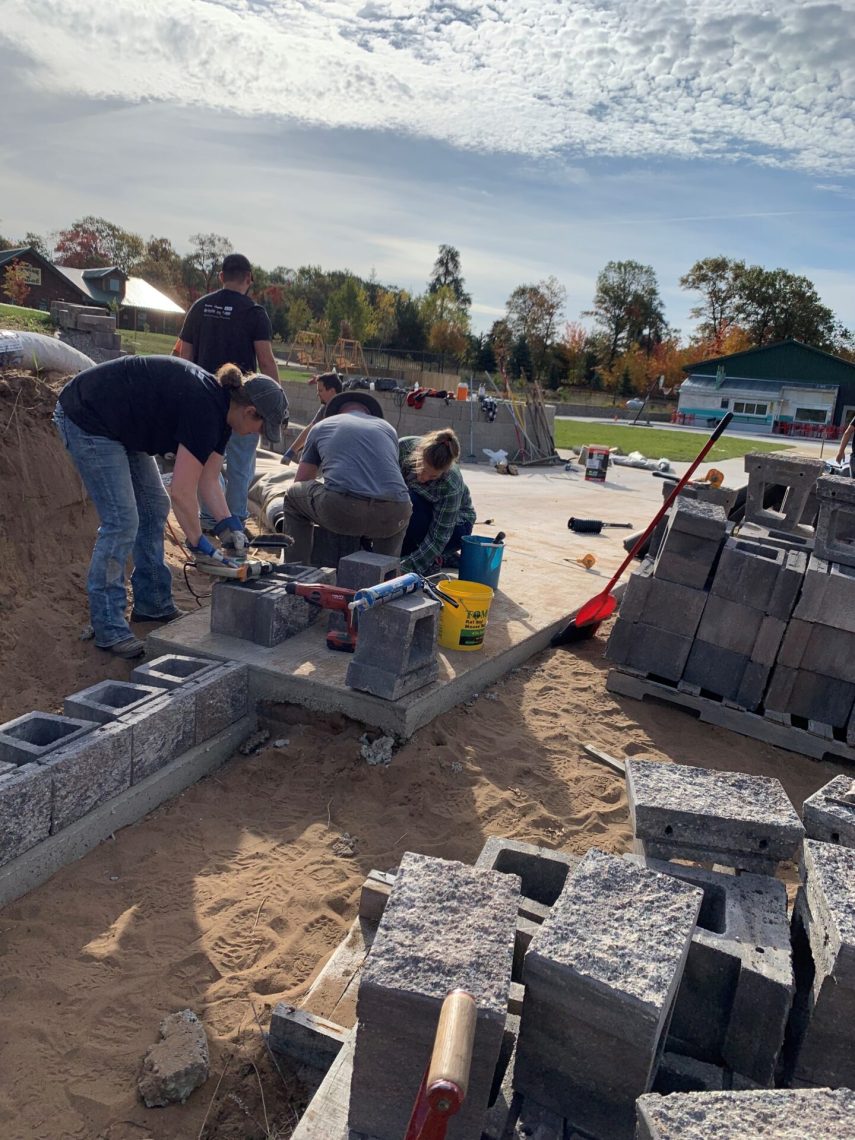 |
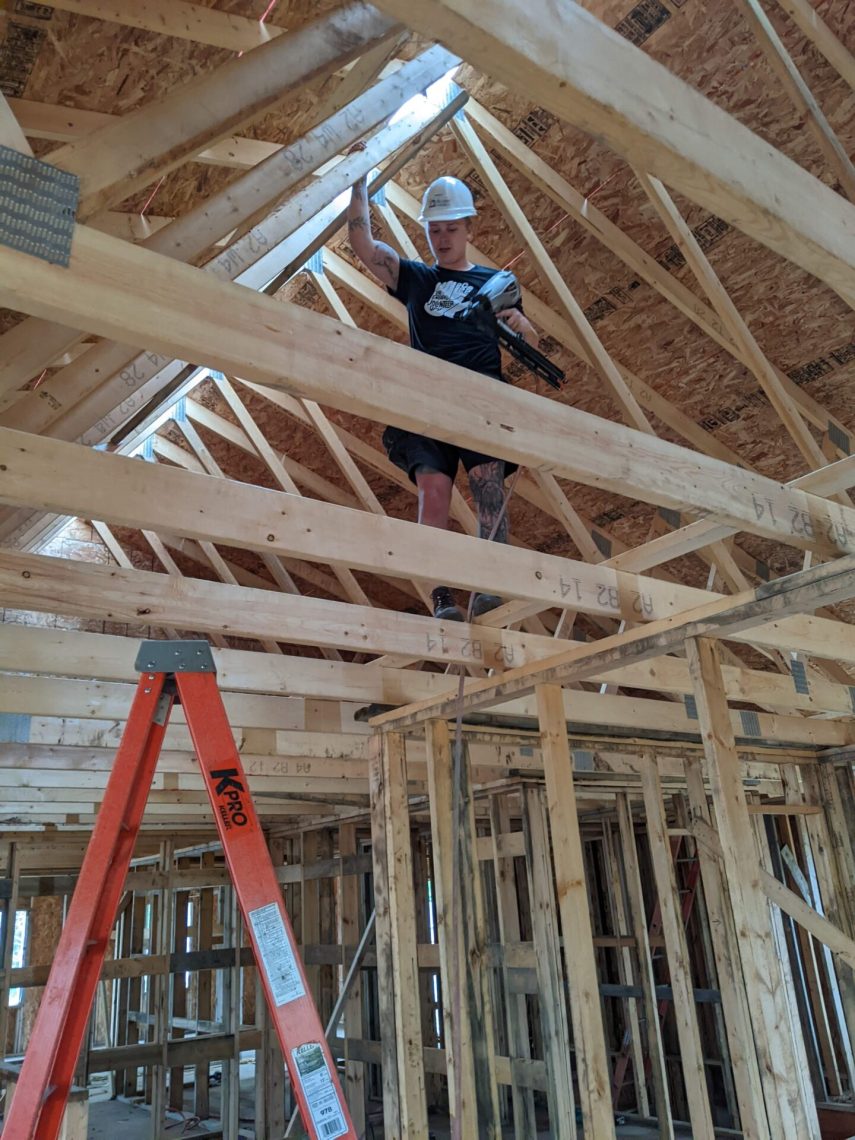
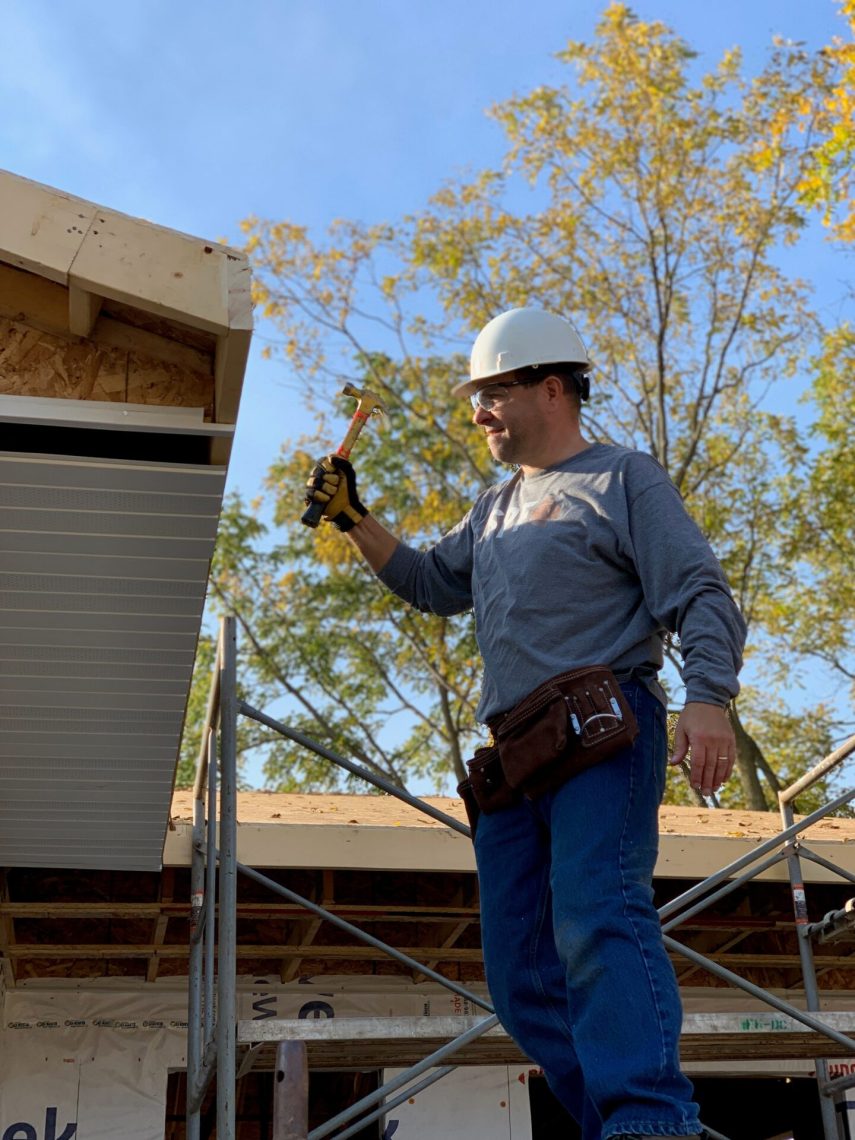
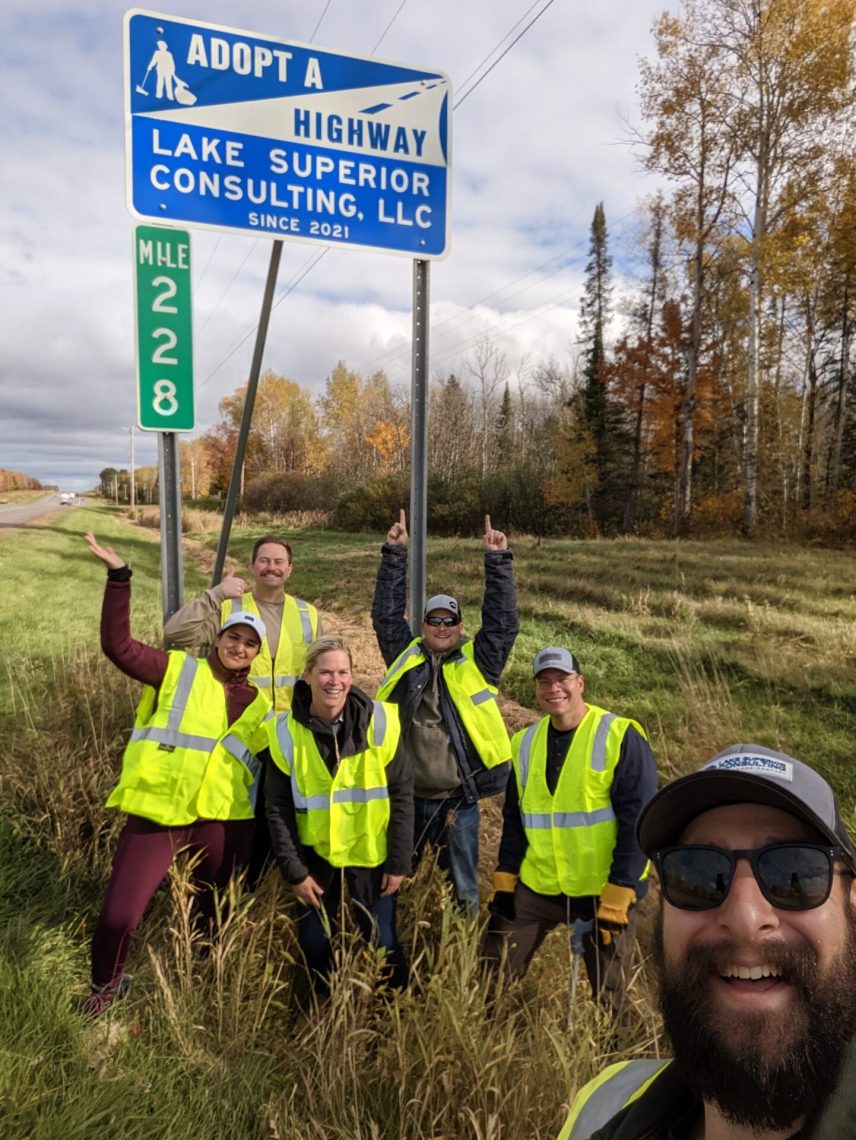
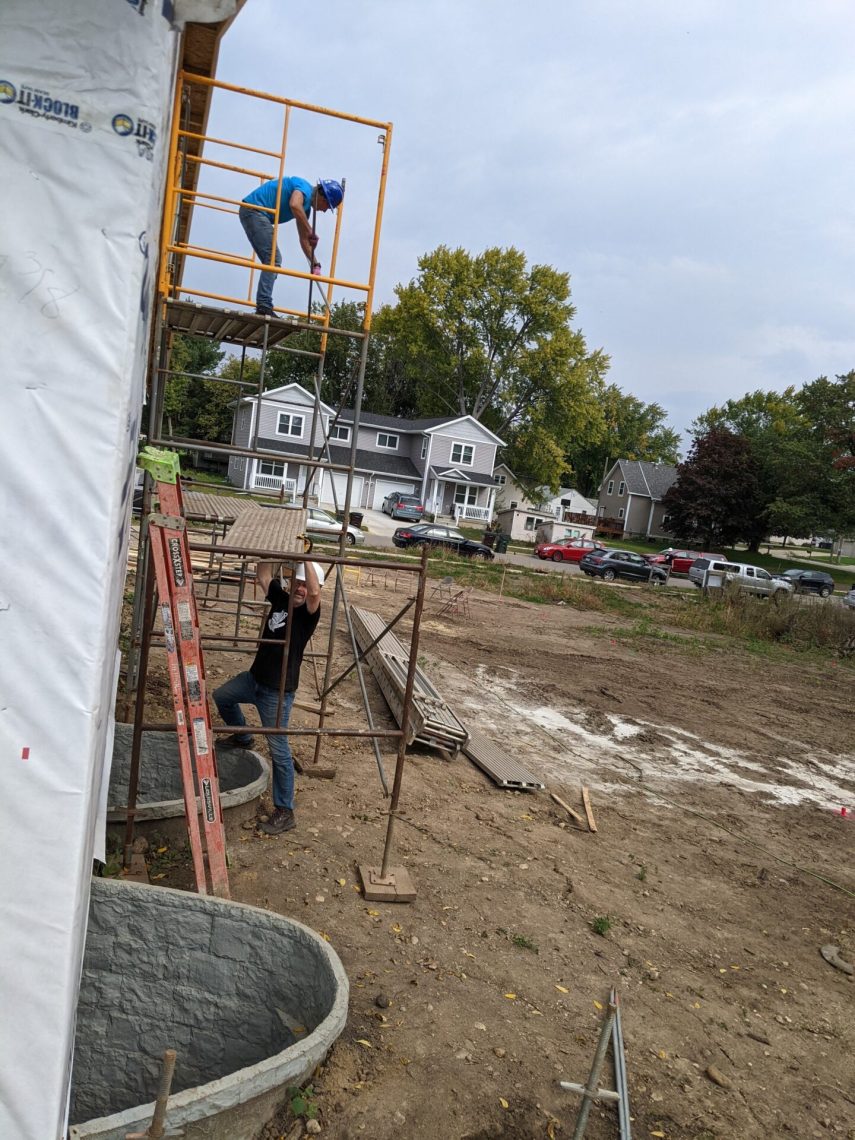
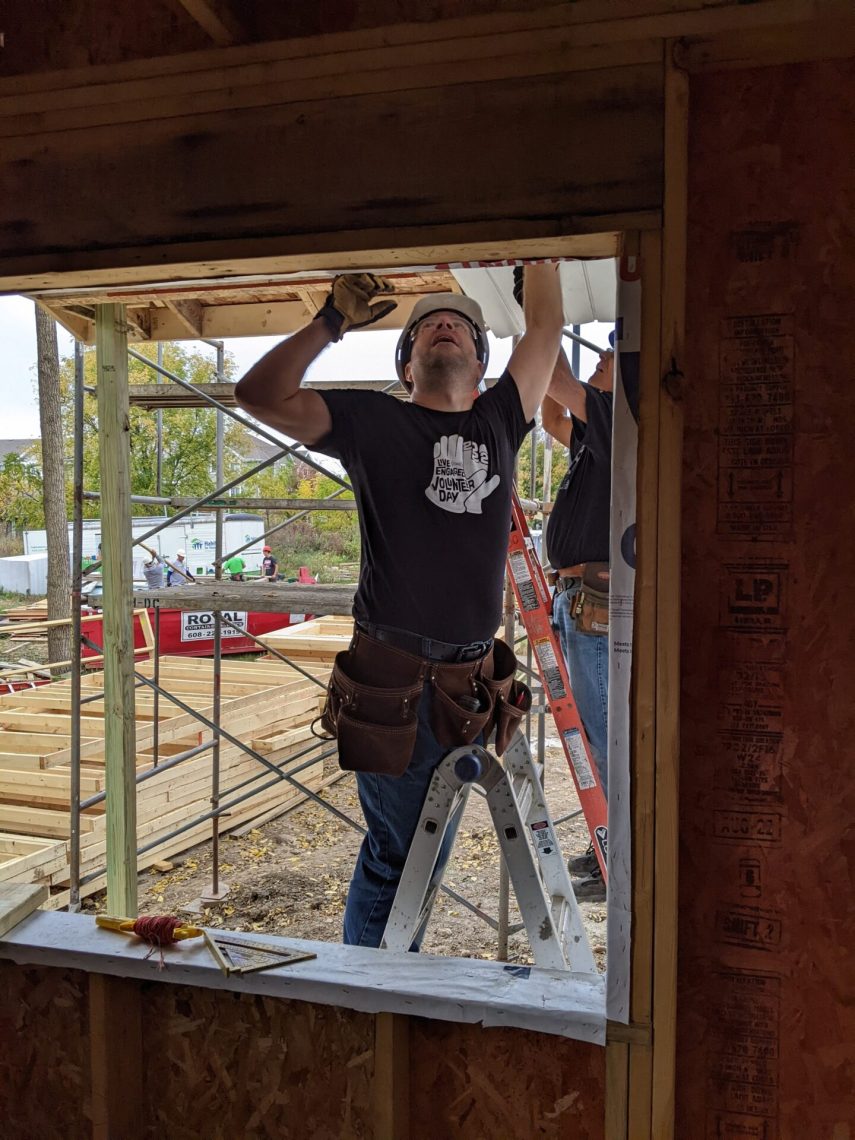
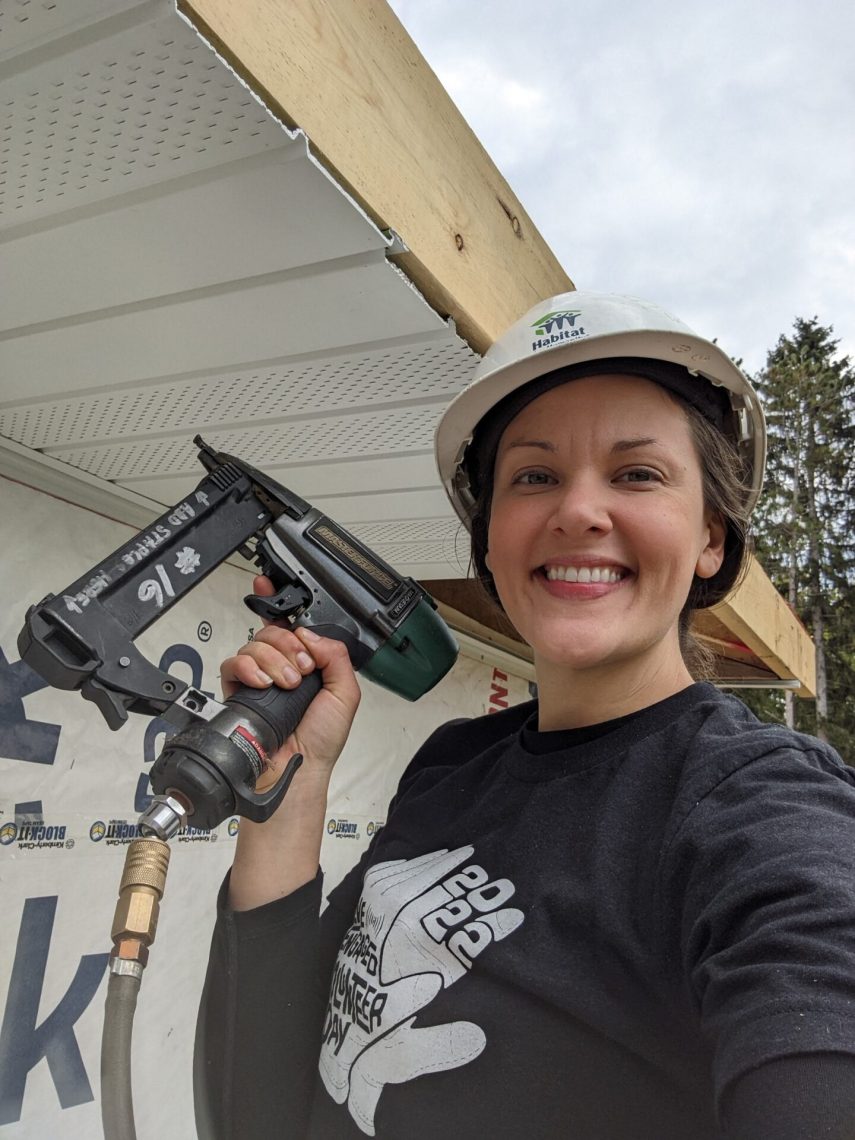
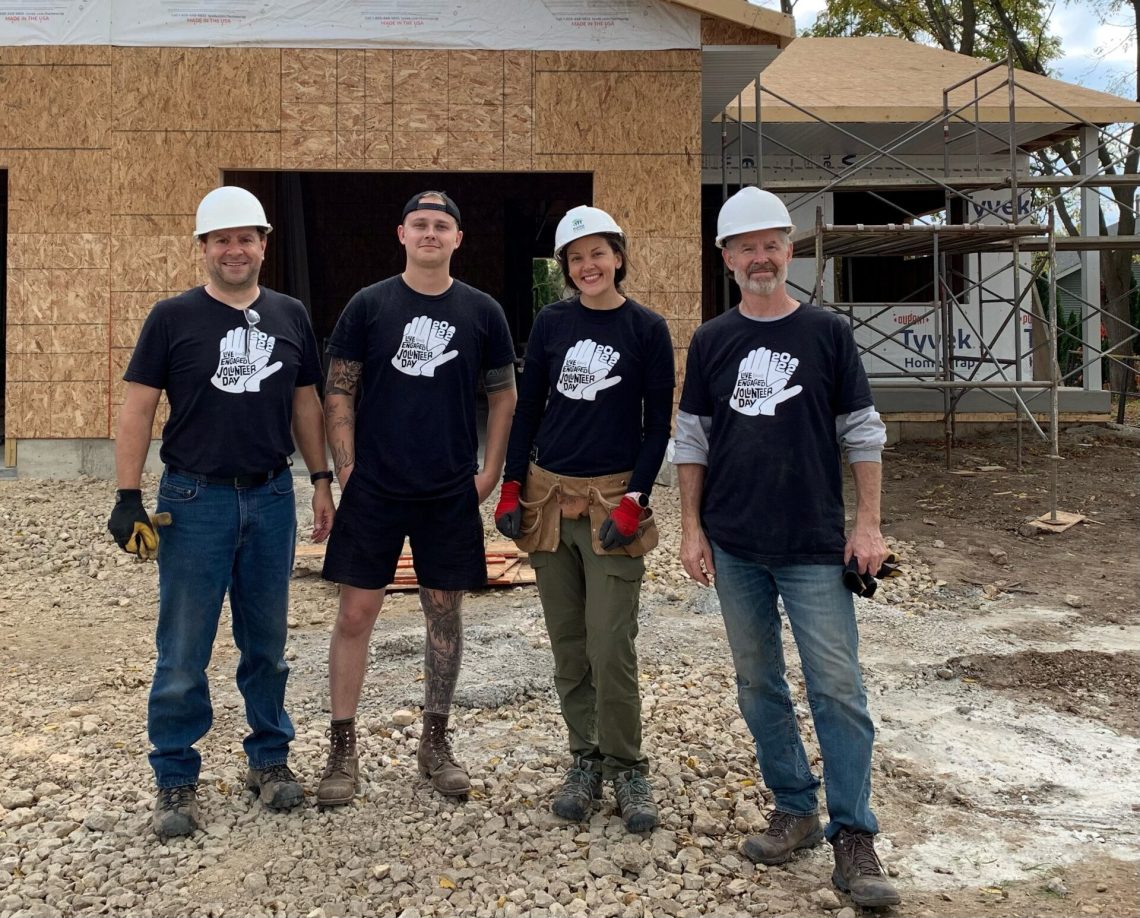
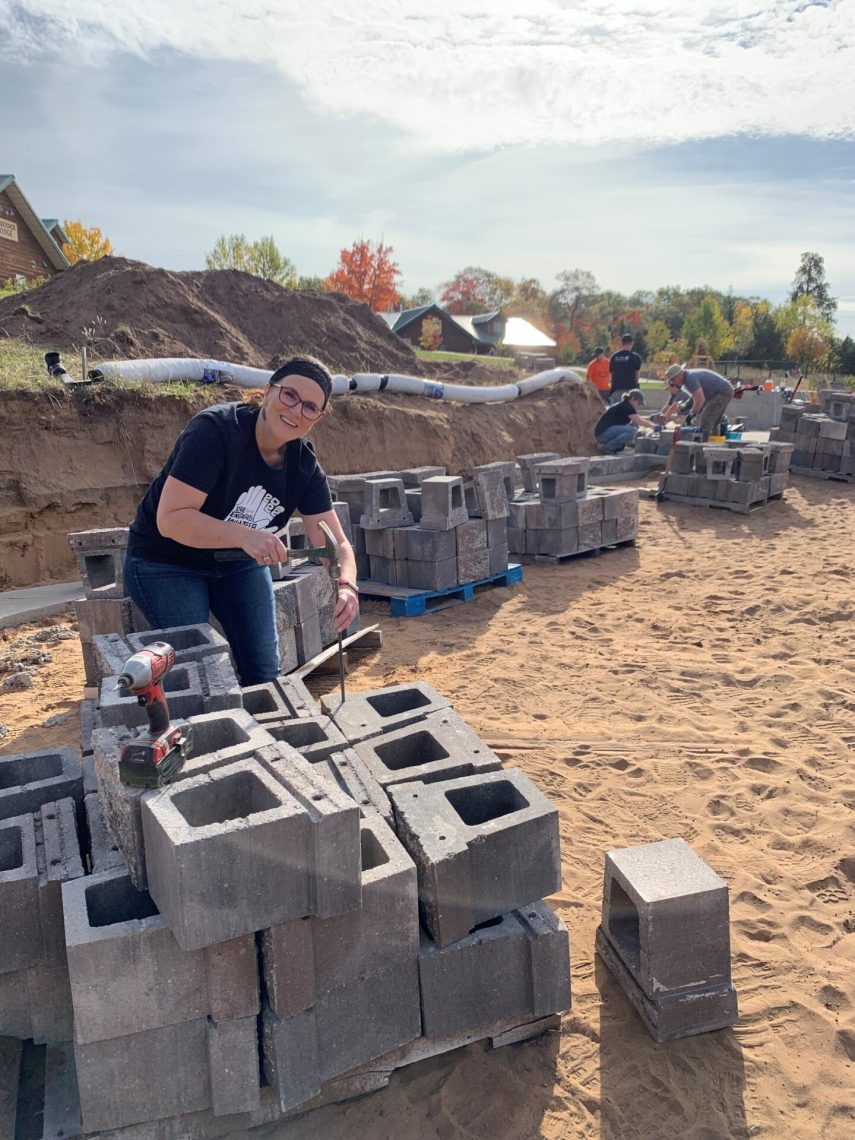
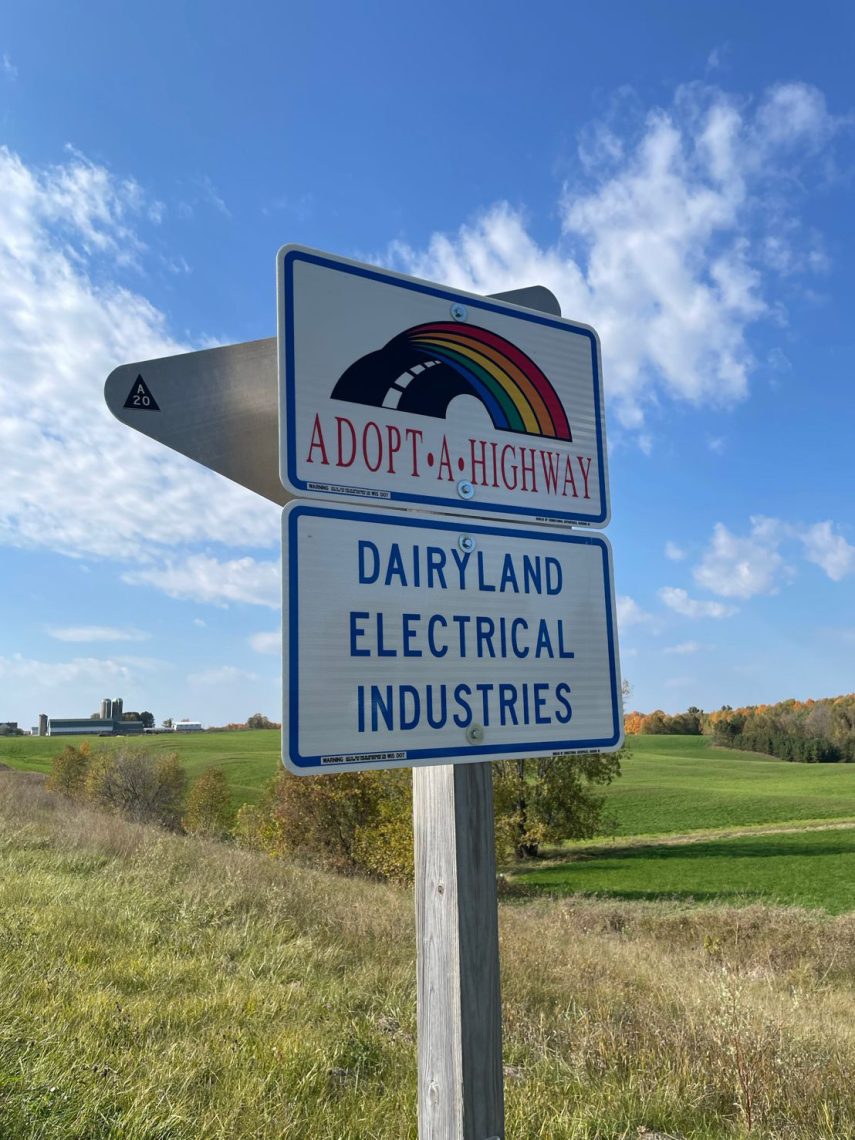
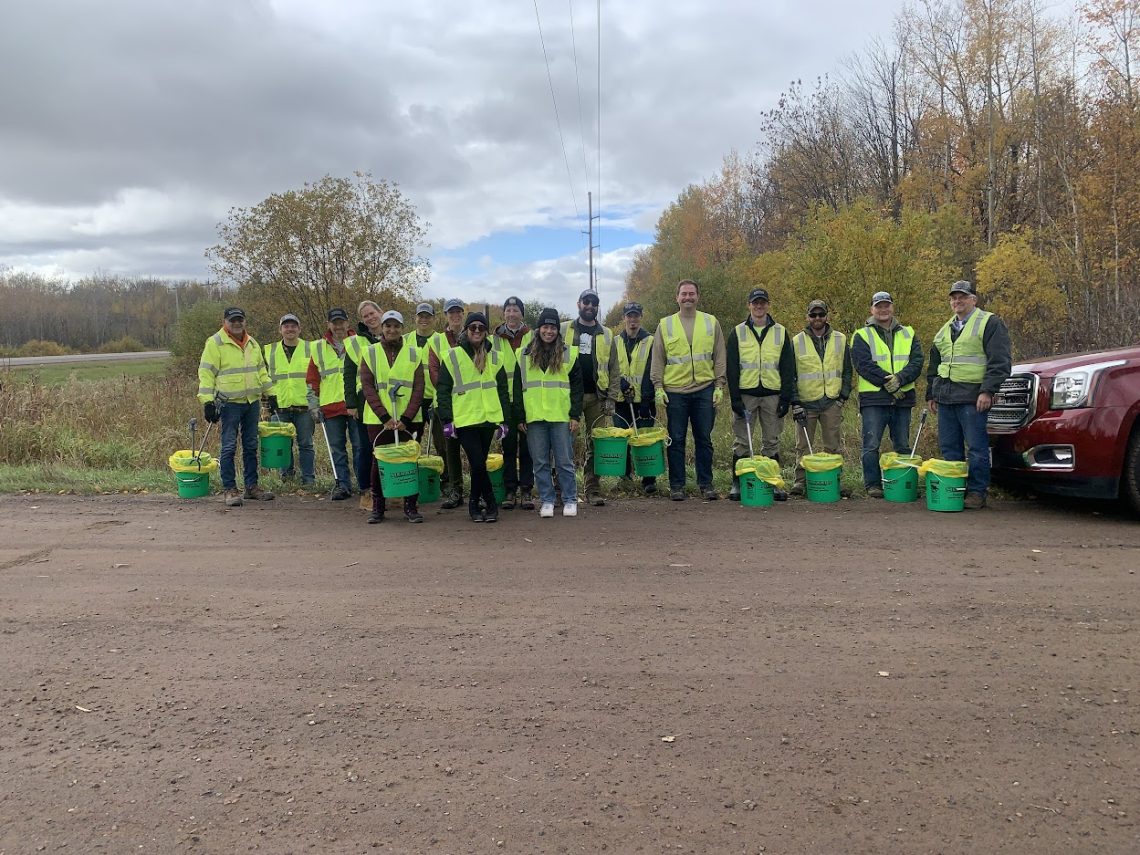
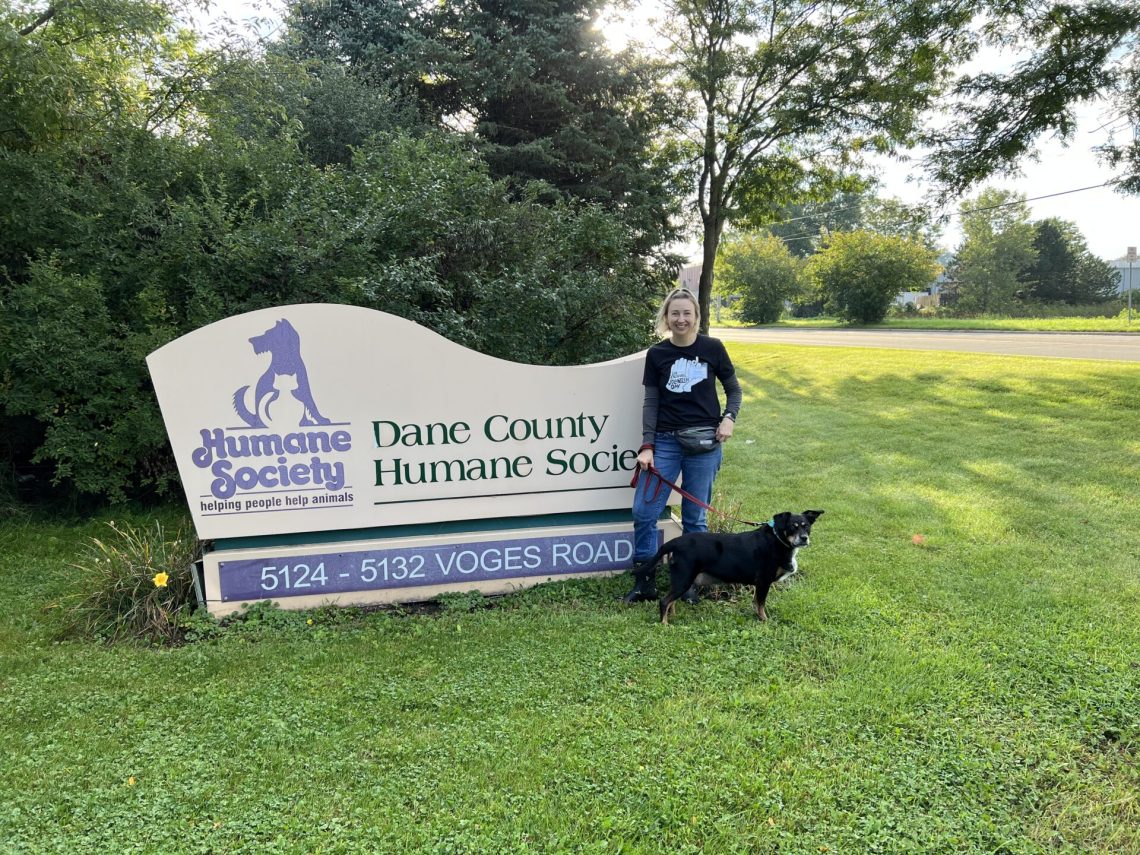
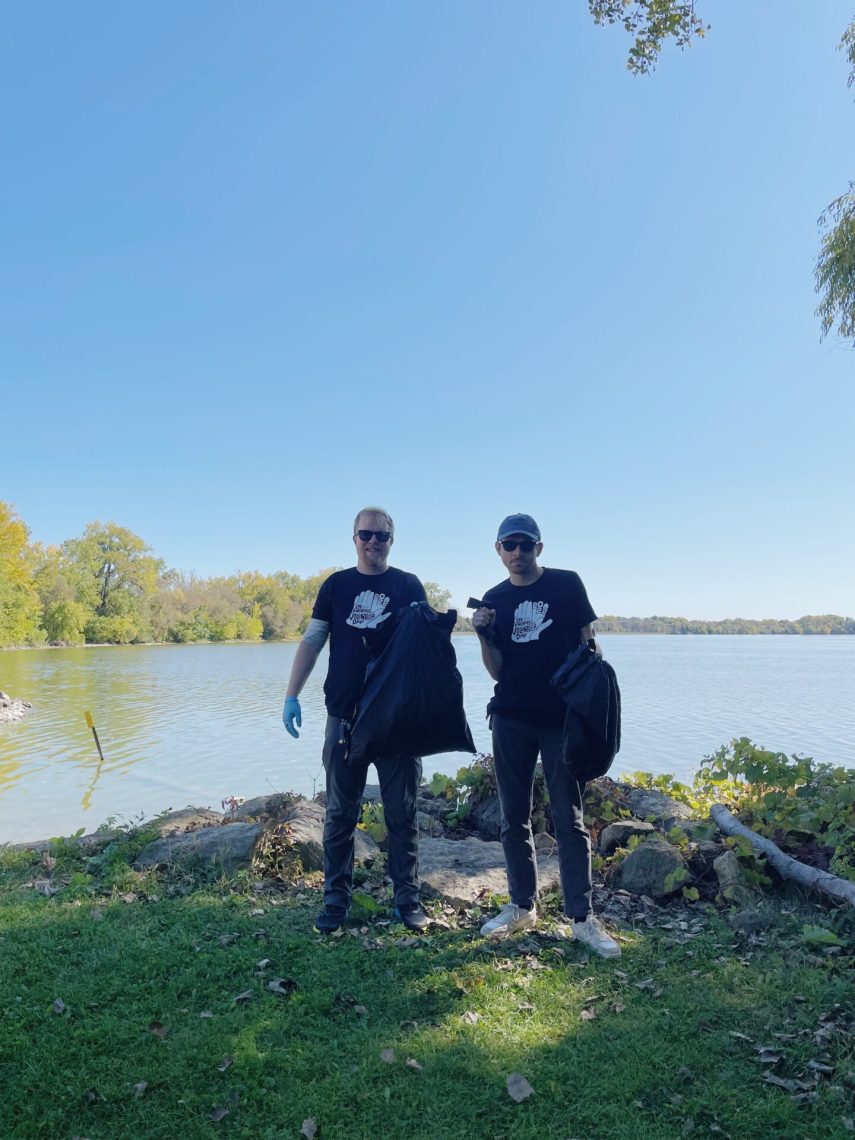
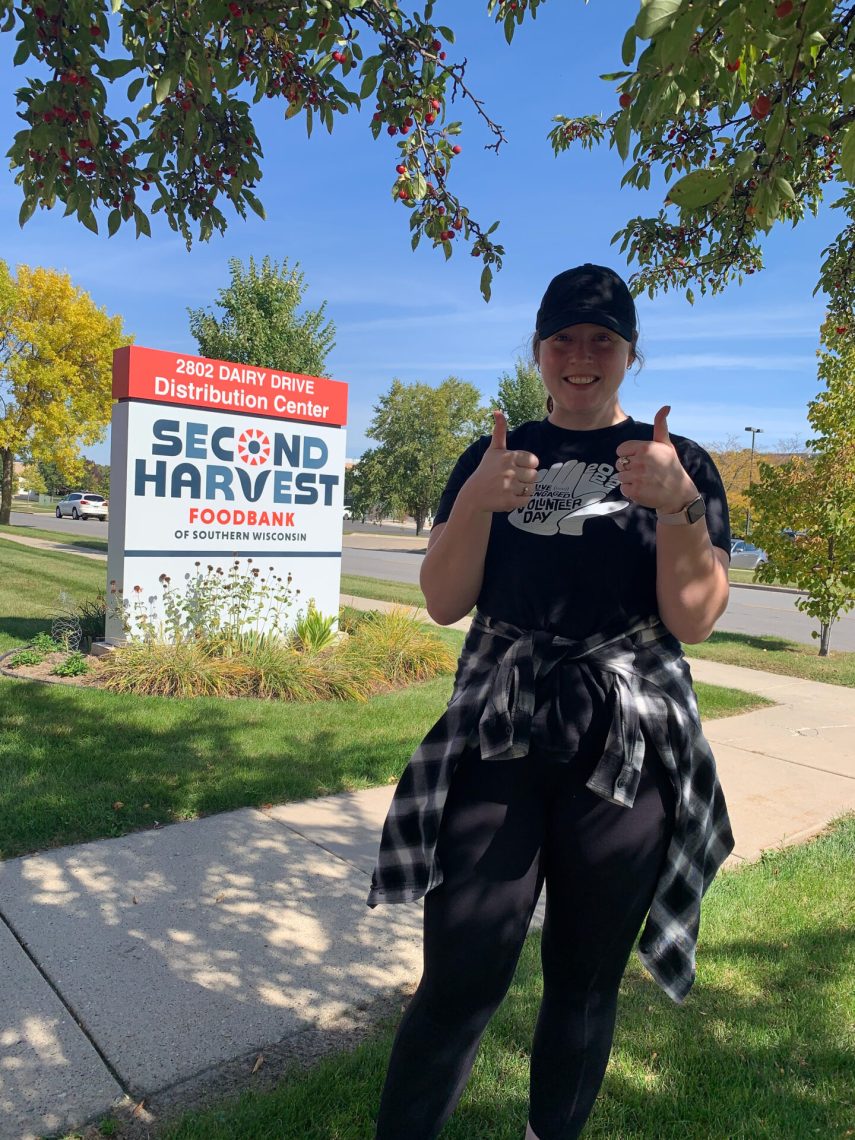
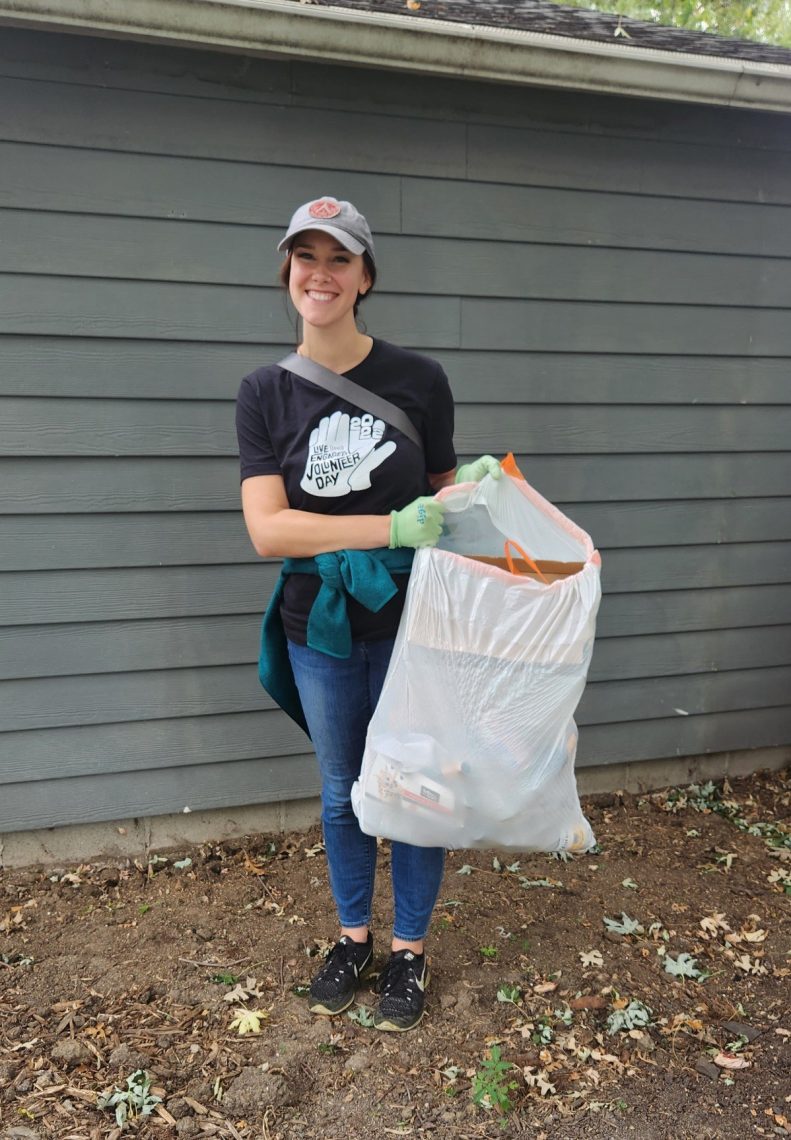
Our goal for Live Engaged Volunteer Day (LEVD) 2022 was simple: during the week of October 2-8, we wanted to bring our industry together with the common goal of strengthening our local communities. We know that as we partner together we can have far more impact than alone as we become a network for good. That is exactly what’s happening as this service event expands into new countries and regions.
To those who partnered and joined us this year, thank you! Together, we are making a safer world both near and far.
Here are some highlights from LEVD week:


 |
 |

 |
 |
 |
 |
 |
 |

 |
 |
 |
 |
 |
 |
 |
If you participated in LEVD and have photos you would like to share, please send them to LiveEngaged@dairyland.com.
To protect IJM survivors, we have used pseudonyms, obscured some images and included photos that do not depict actual victims where appropriate. Consent gathered for all images.
Dairyland is committed to using business to make a safer world through rugged and reliable products as well as in our partnership with leading nonprofits working to combat suffering around the world. This year, Dairyland has focused our giving on four quarterly initiatives (read about quarters one and two here). This quarter, Dairyland allocated funds to combat forced child labor in Ghana, working with longtime partner International Justice Mission (IJM). Here we will share how IJM is working to reshape an environment once ripe for exploitation into a nation committed to protecting its vulnerable children.
The Wrong Kind of Growth
The UN recently noted a dramatic rise in modern slavery taking place over the last five years, with ten million more people trapped in exploitation ranging from forced labor to sexual exploitation. Of the 27.6 million people forced to work against their will, 3.3 million are children (BBC, 2022).
Zooming In: Lake Volta, Ghana
 Human exploitation is occurring in large cities and small rural villages around the world, in both affluent and socioeconomically disadvantaged nations. One such setting is Ghana’s Lake Volta, the largest human-created reservoir in the world by surface area (for reference, it’s the size of the two U.S. States – Delaware and Rhode Island – combined). Lake Volta is teeming with fish, attracting many fishermen who use child labor to increase their own financial profits. While not all children fishing on the lake are trafficked, many are and they receive none of the benefits – like education, medical care, and pay – that were promised to their caregivers. Some children are as young as three years old when they first arrive on the lake. Many do not return for years if at all.
International Justice Mission (IJM) has become a recognized international leader in addressing modern slavery and exploitation of children. They intervene through strategic partnerships and programming to address symptoms (like a six-year-old child working from dawn past dark) as well as the systems (such as an absence of legal precedence or process to convict criminals) that perpetuate them.
In a recent presentation to the Dairyland team, Will Lathrop and Rochelle Lashley, both members of IJM’s Ghanaian field office, described the situations their team encounters on and surrounding the lake. “It is overwhelmingly common that children are beaten daily. It’s not uncommon that some are sexually abused, and almost all are suffering from malnourishment or some form of disease.” A week prior, they had rescued a five-year-old girl who was immediately admitted to the hospital with a life-threatening illness.
“It’s a bleak industry,” said Will, “but it’s only bleak until the point of intervention and the stories of success are quite high. When we intervene, we see these kids get freedom.”
 IJM has built a robust team and partner network to address the issue of child exploitation from prevention through investigation and rescue, to aftercare and criminal prosecution of traffickers. What is different about their model is that they equip and empower local lawyers, police departments, community members, judges, and government officials to address the issues of their own communities.
One big area of impact: Training judges.
Why Judges?
According to Will, children were going to court to testify against their traffickers and finding themselves being further victimized by the process, after escaping the abuse of their original traffickers. This often led to victim blaming and secondary trauma without consequences for the abusers. For example, one boy was forced to sit next to his trafficker throughout the entire court process, another was berated and told his mother couldn’t have loved him to allow this, and the stories continue.
As IJM has invested their efforts in judges, they have seen a clear shift. Judges that were initially skeptical or under-equipped have become champions of justice. They now better understand cycles of abuse—long-term effects of trauma, trauma-informed care, and best practices for presiding over cases with abused minors—and they are using this information to change the environment within courts across the country.
In 2018, the IJM team was told they would never be able to secure convictions for child trafficking in Ghana. But exactly the opposite has occurred. In the years since, the team was able to secure the first conviction and follow it with over forty more. Will describes the reality of working toward a seemingly overwhelming problem. “We can’t catch everyone; we just need to catch enough and broadcast their captures to deter others, amplifying the long-term effect.” It sends a signal to traffickers that what they could once do openly can now land them in jail. ”Things have been [getting] better and we’re hopeful that someday they will be good,” Will said in his closing statements.

Dairyland’s partnerships involve financial support of humanitarian organizations that demonstrate highly effective and compassionate engagement to eliminate poverty and suffering around the globe. Our quarterly contributions are investments in specific regions, programs, and/or initiatives that are determined in partnership between Dairyland and the organizations according to need. We also strive to actively learn from these partners, regularly welcoming them to speak at team meetings and broaden our worldviews.
Don’t miss a story of impact! Follow us on LinkedIn, Instagram, or Facebook to stay informed and learn how together we are making a safer world.
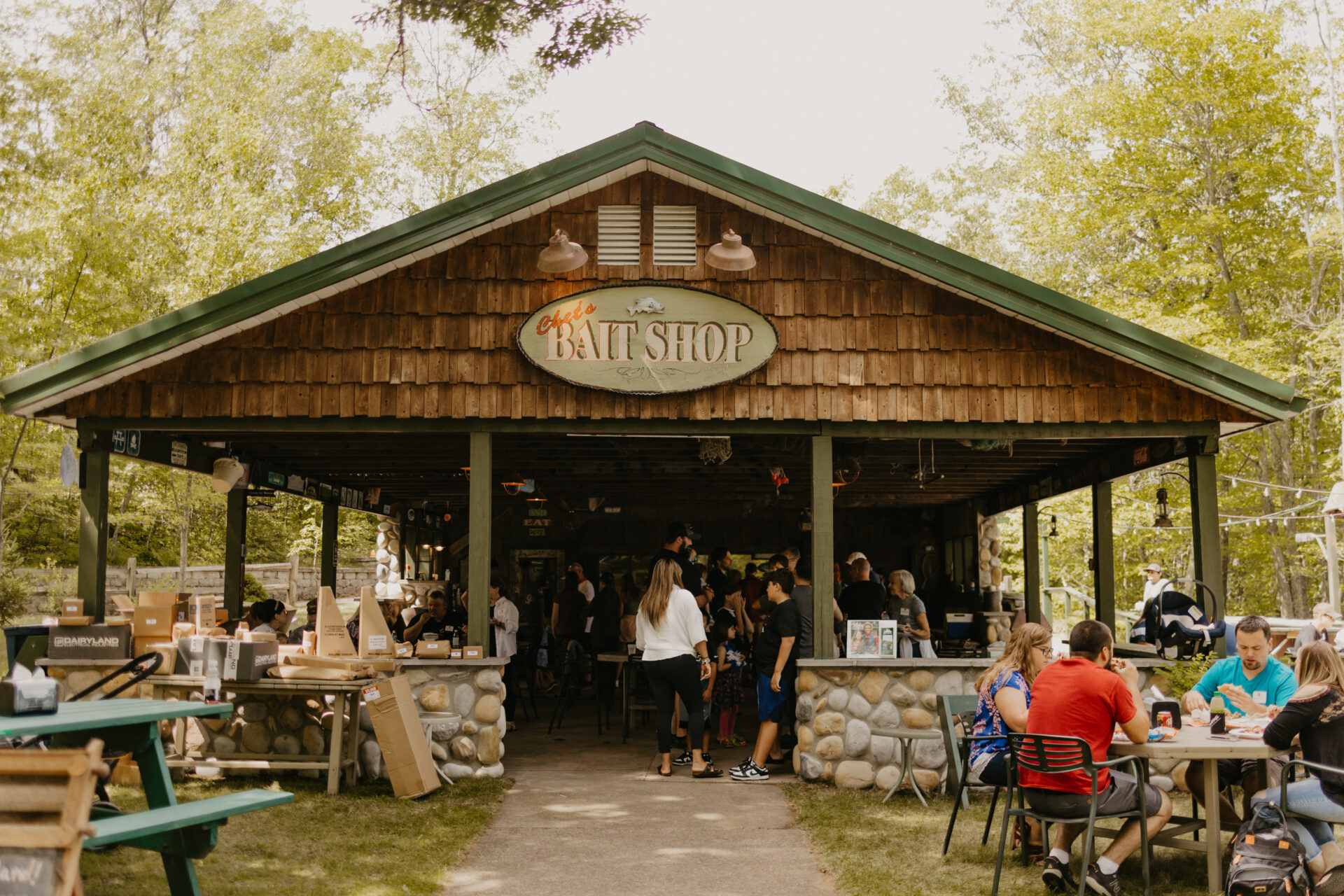
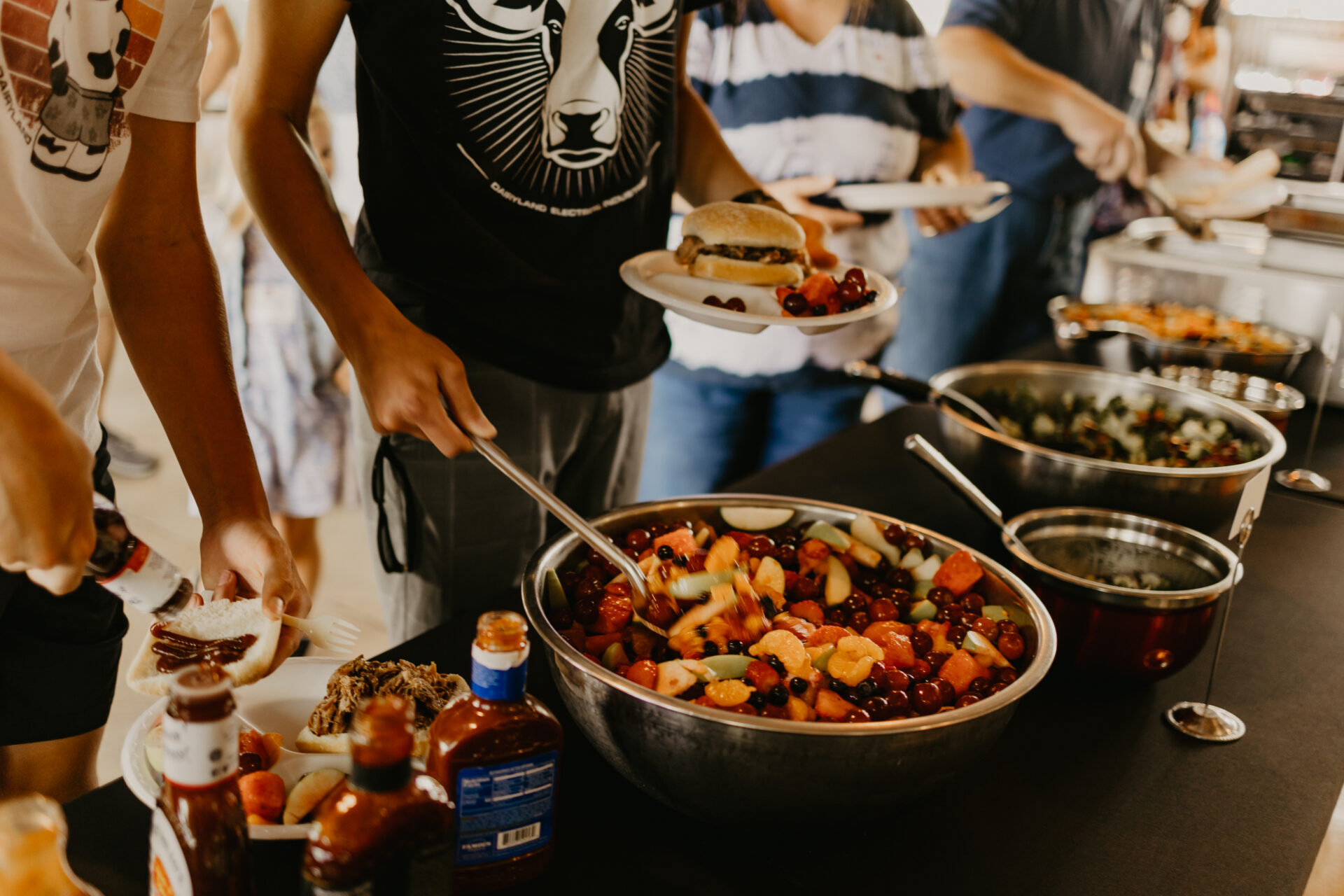
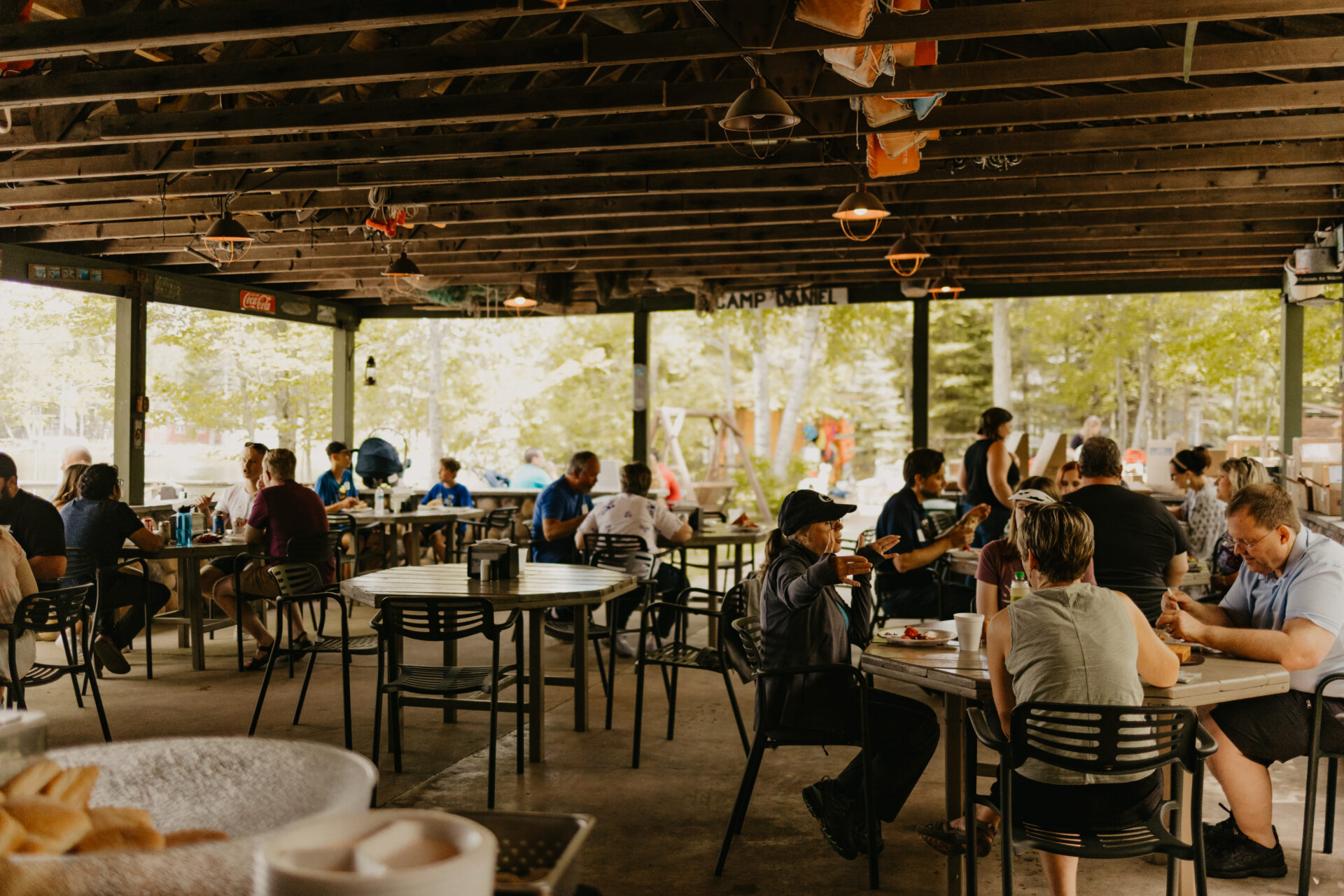
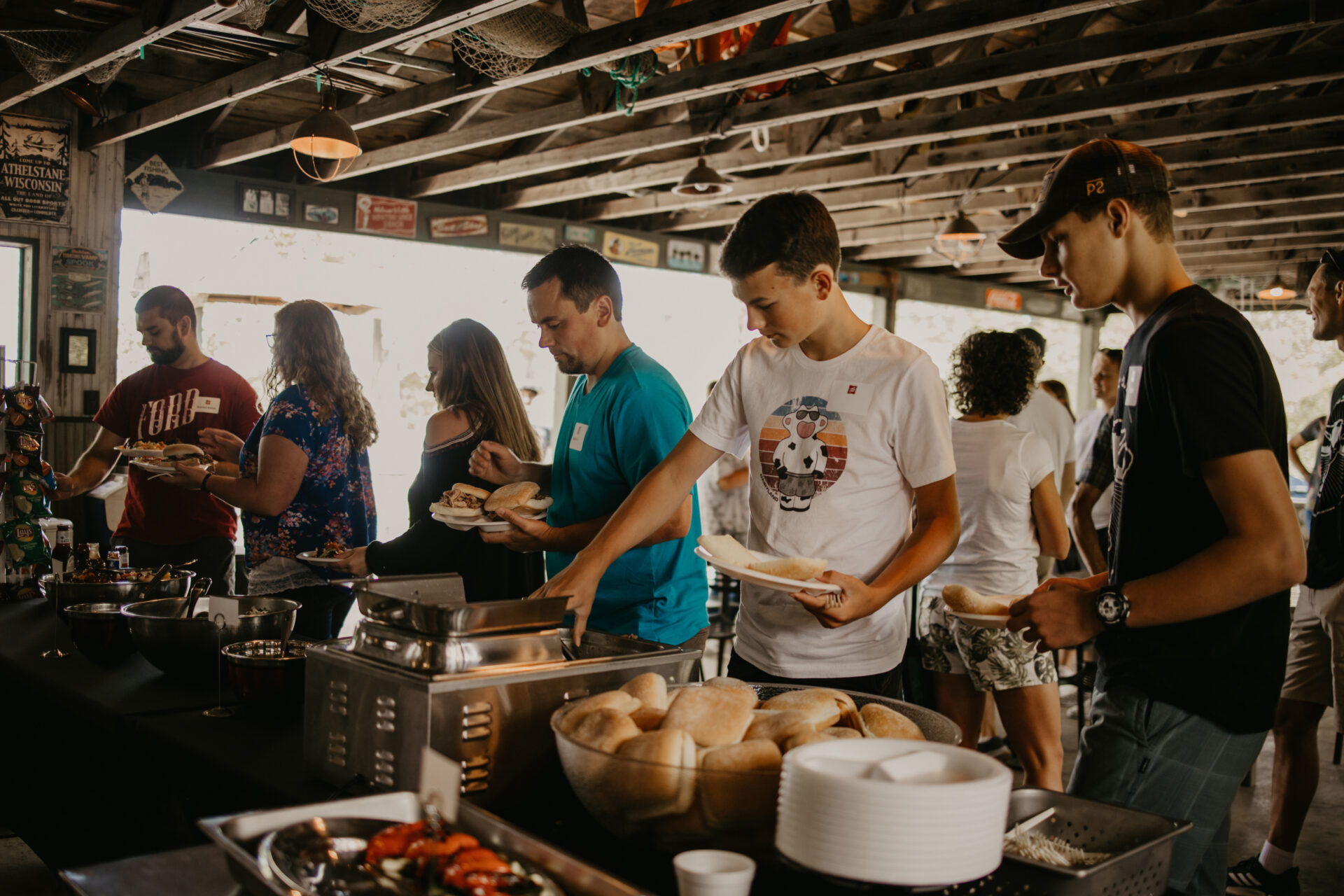
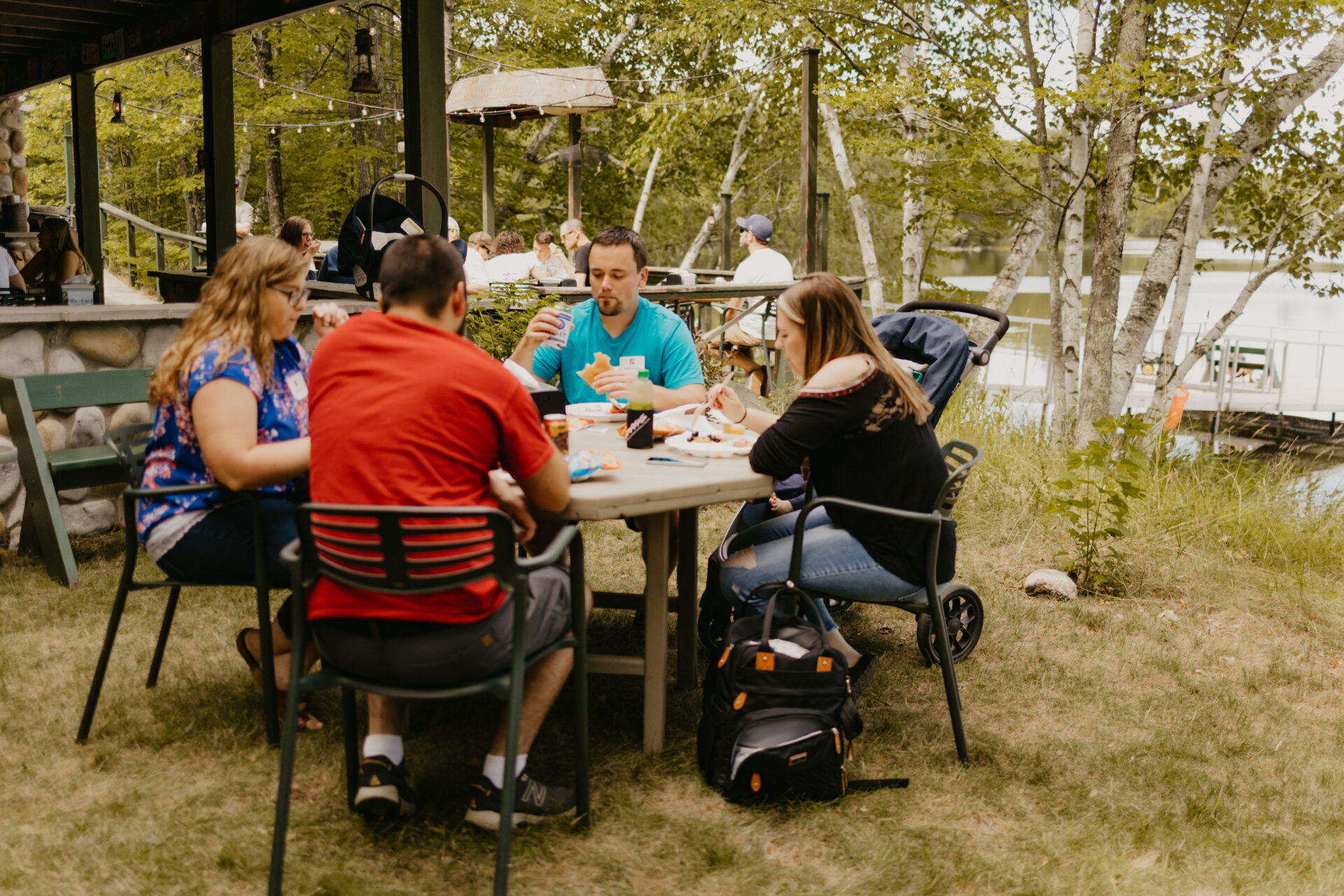
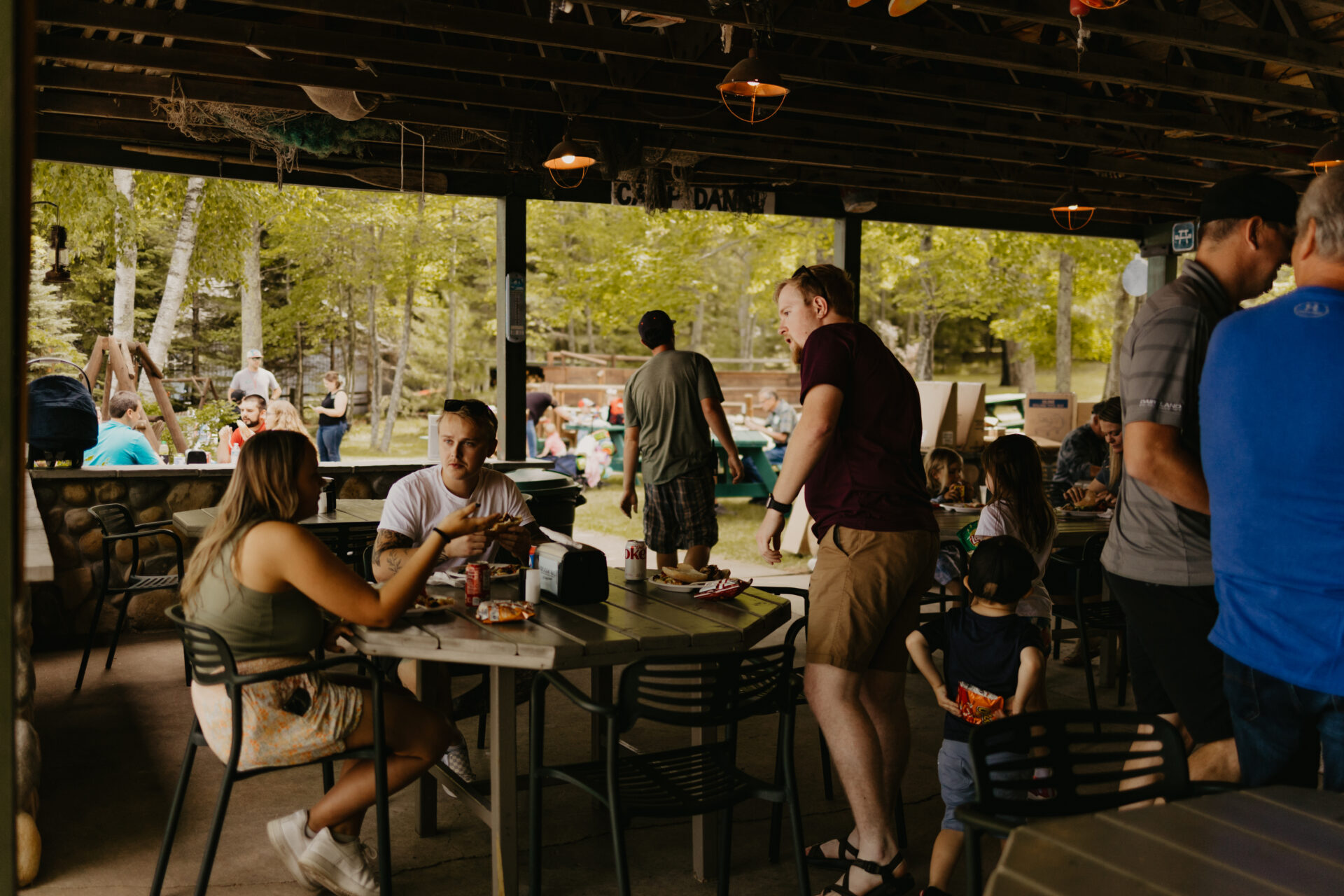
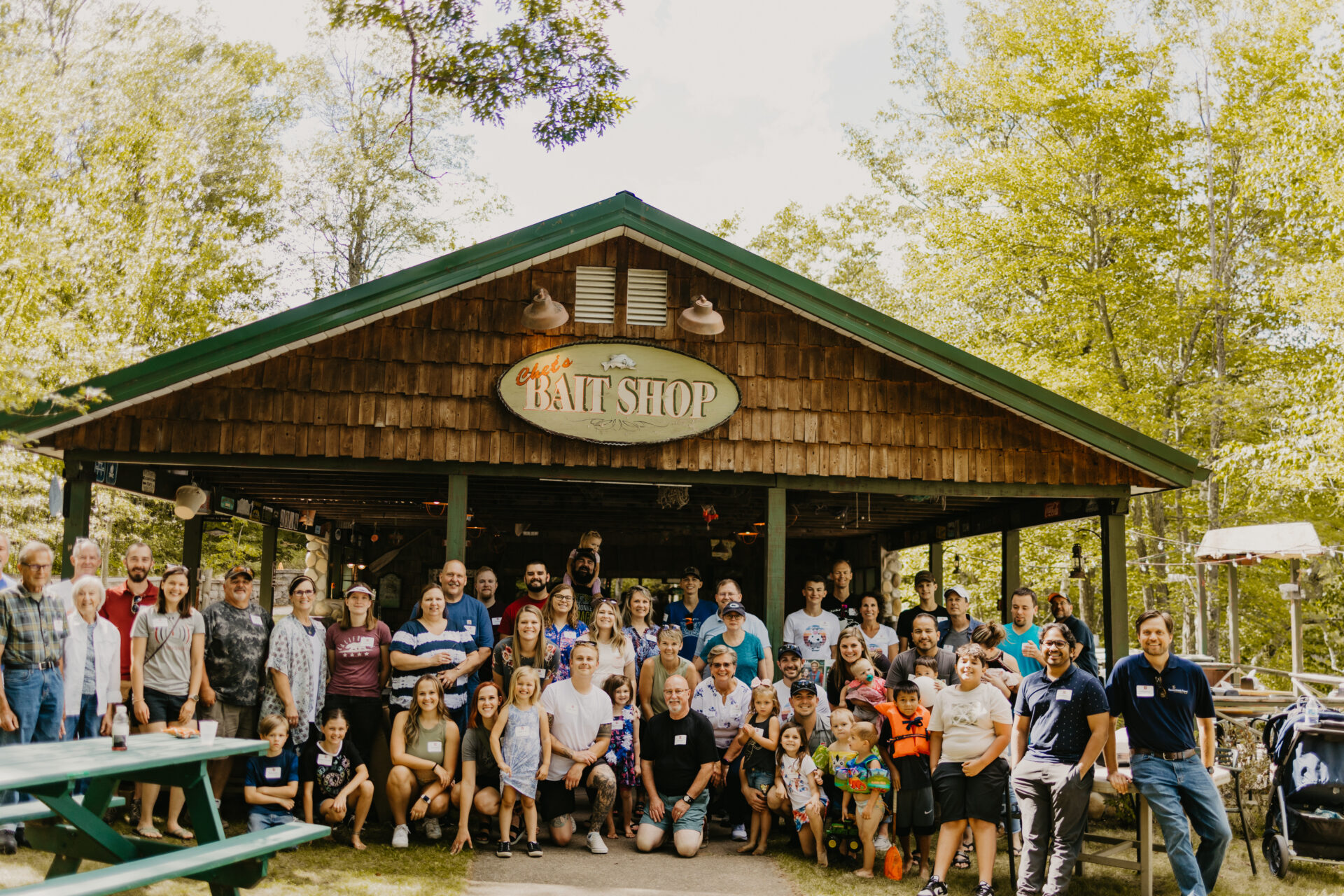
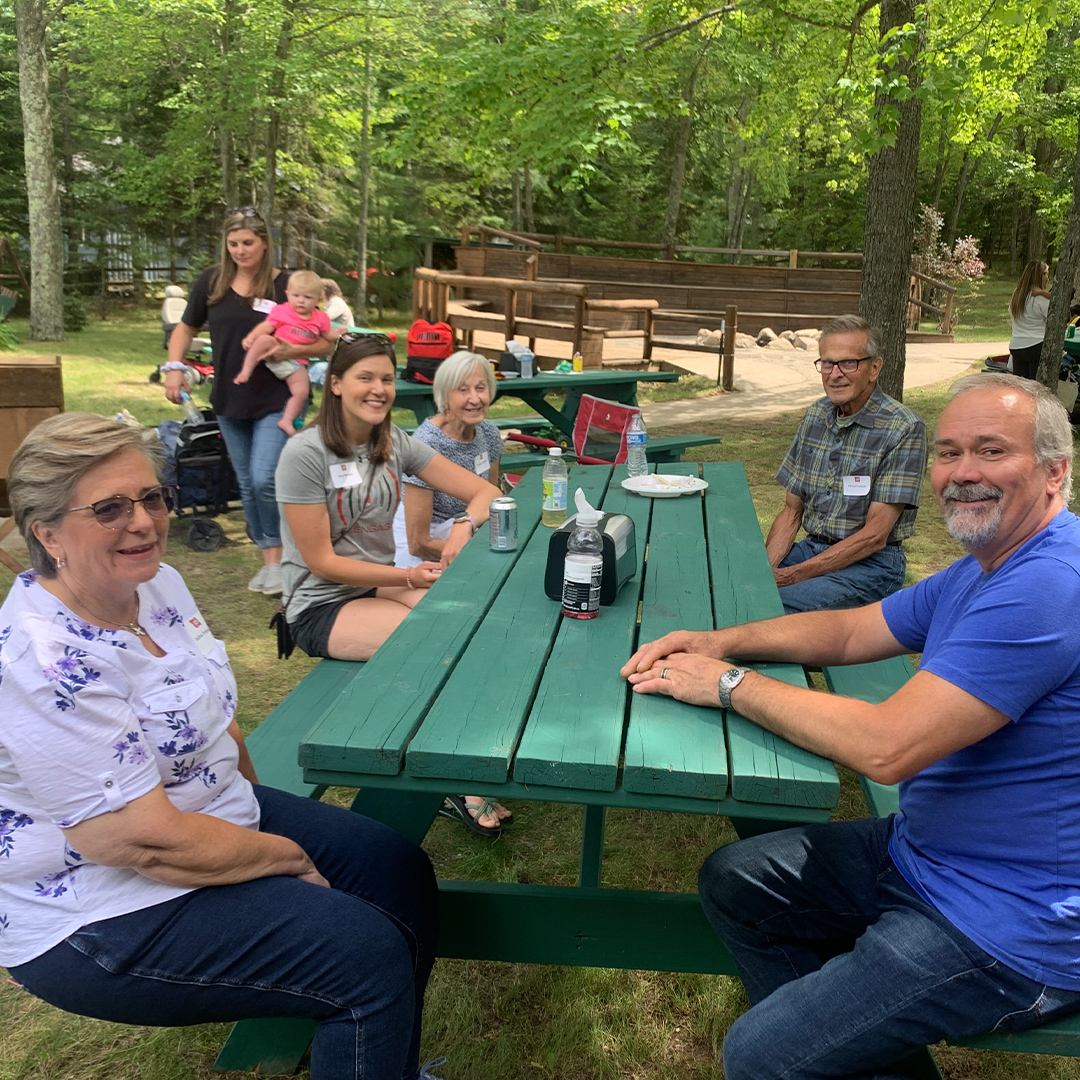
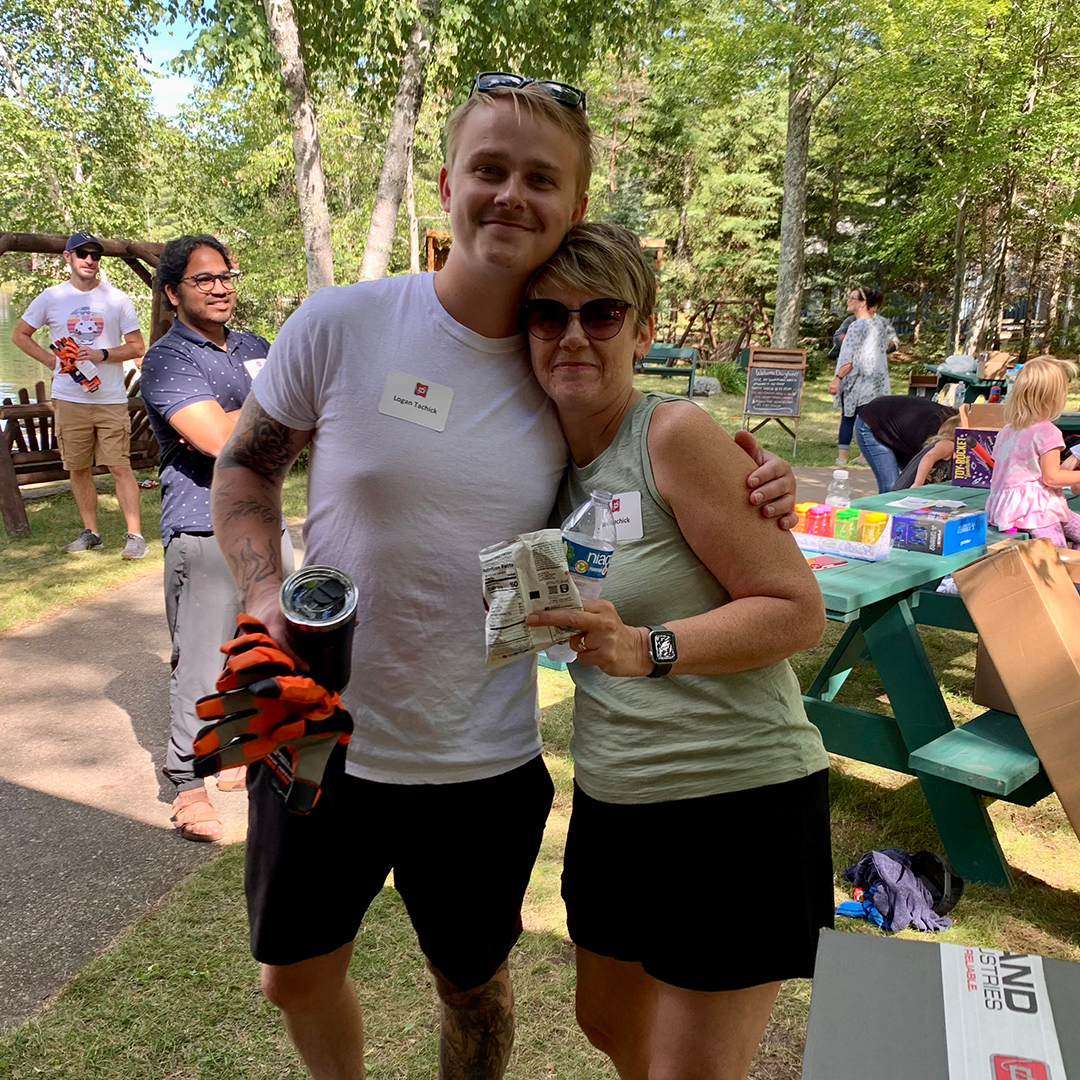
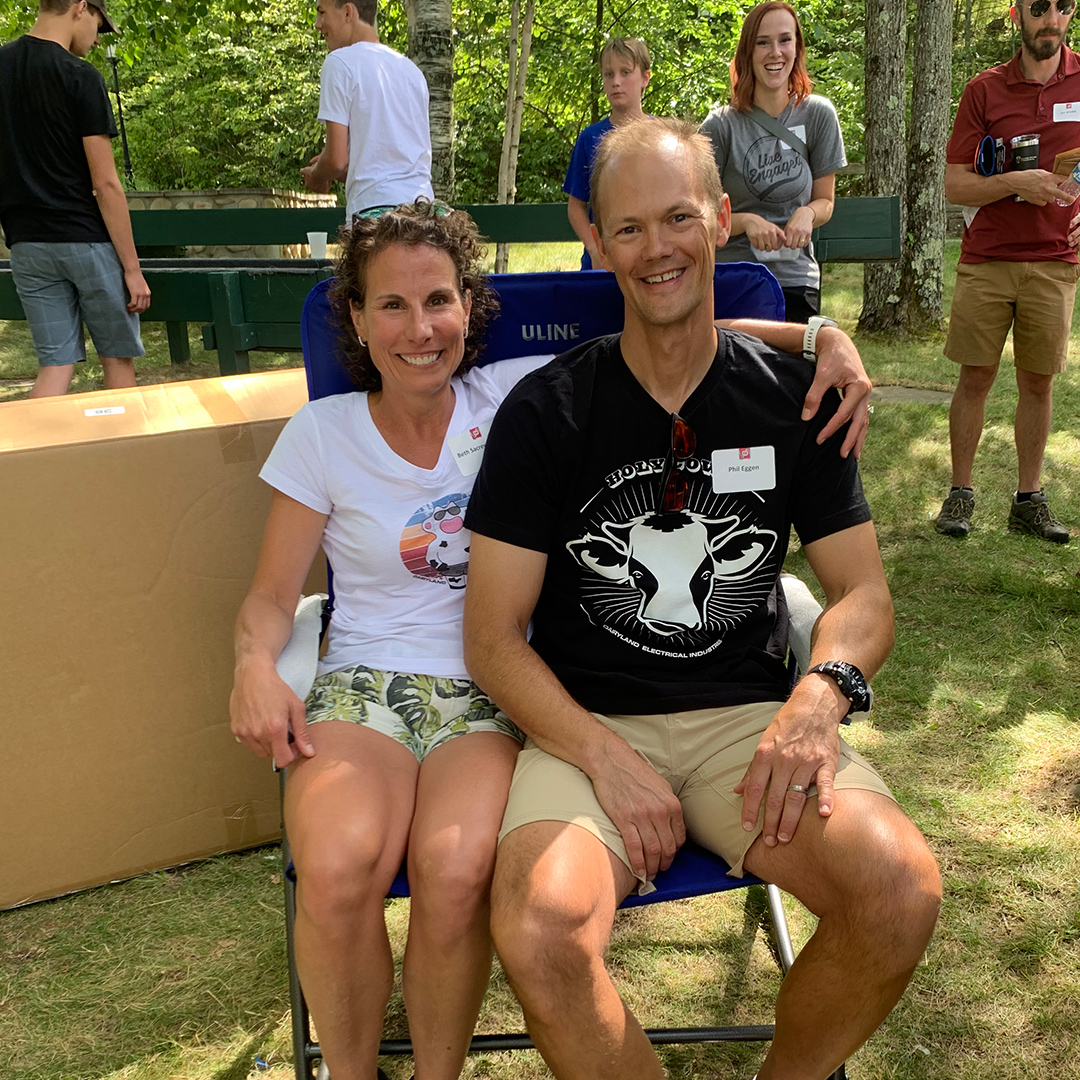
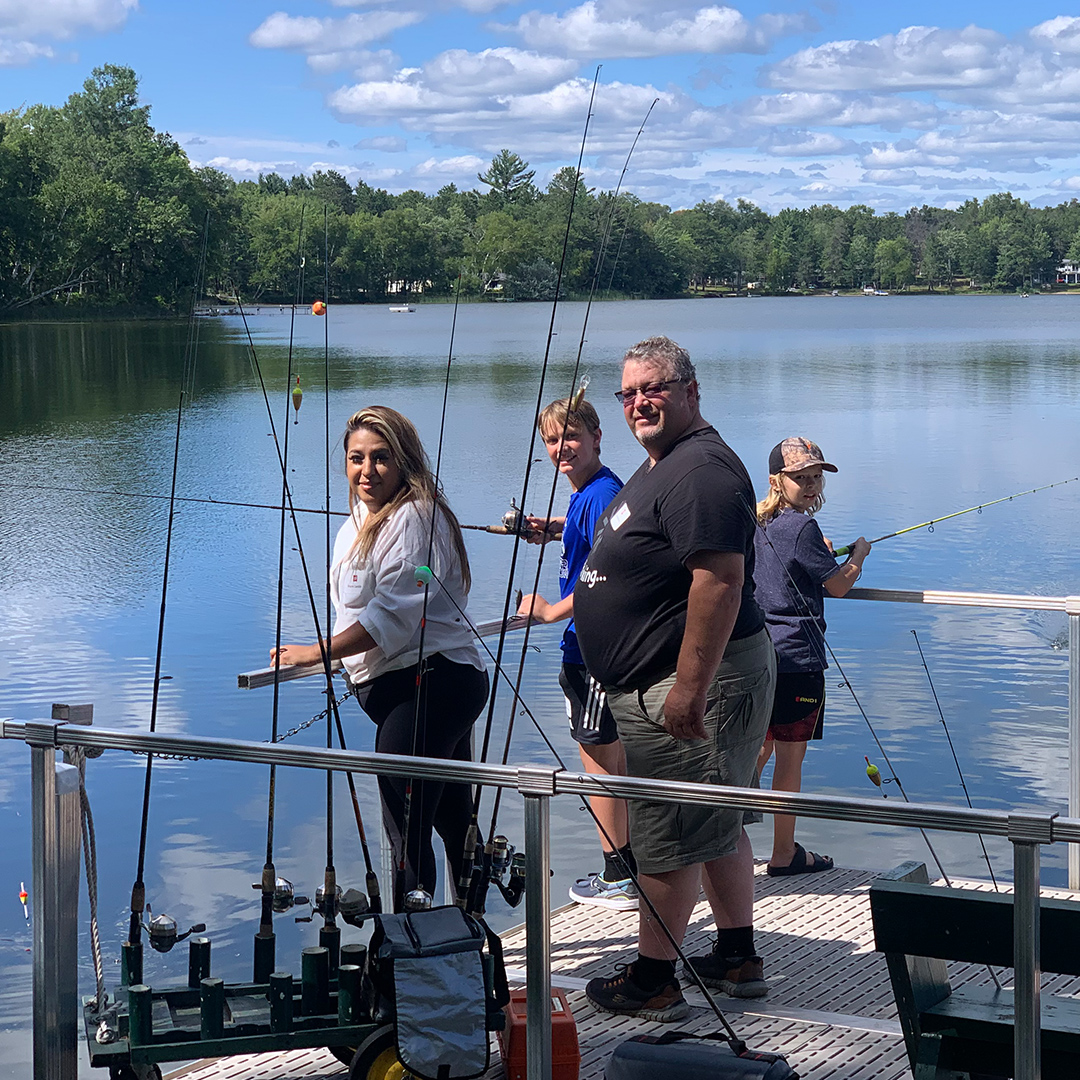
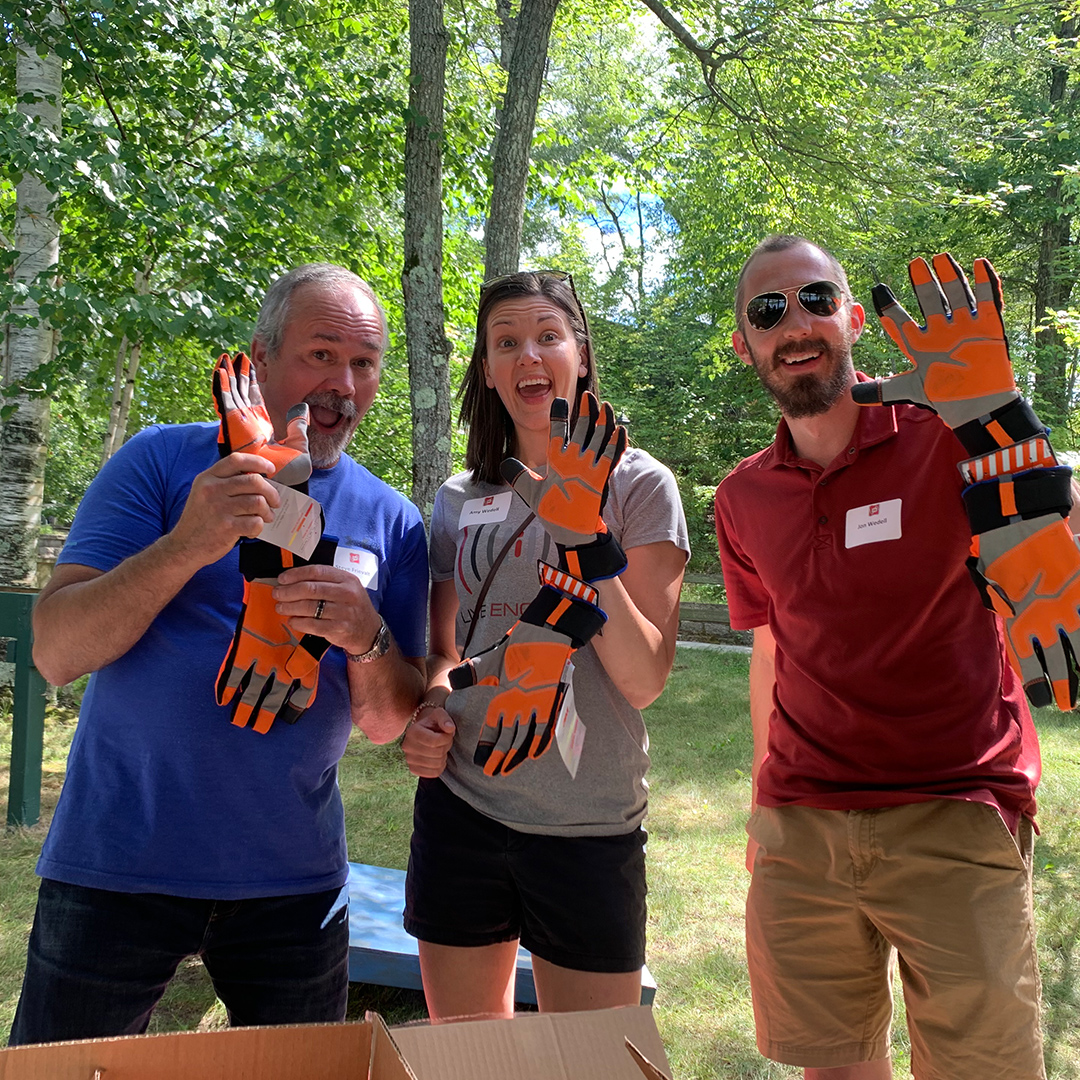
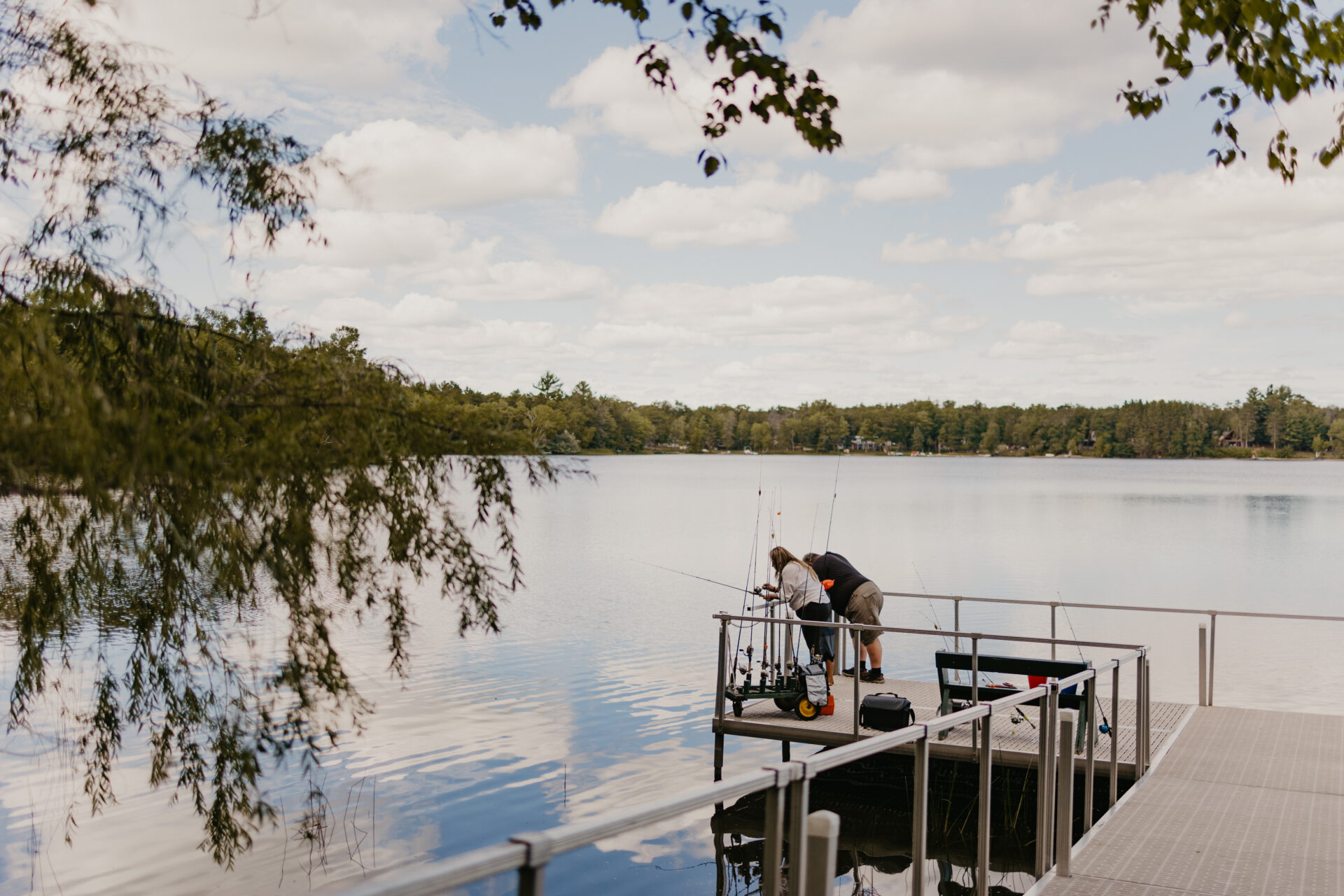
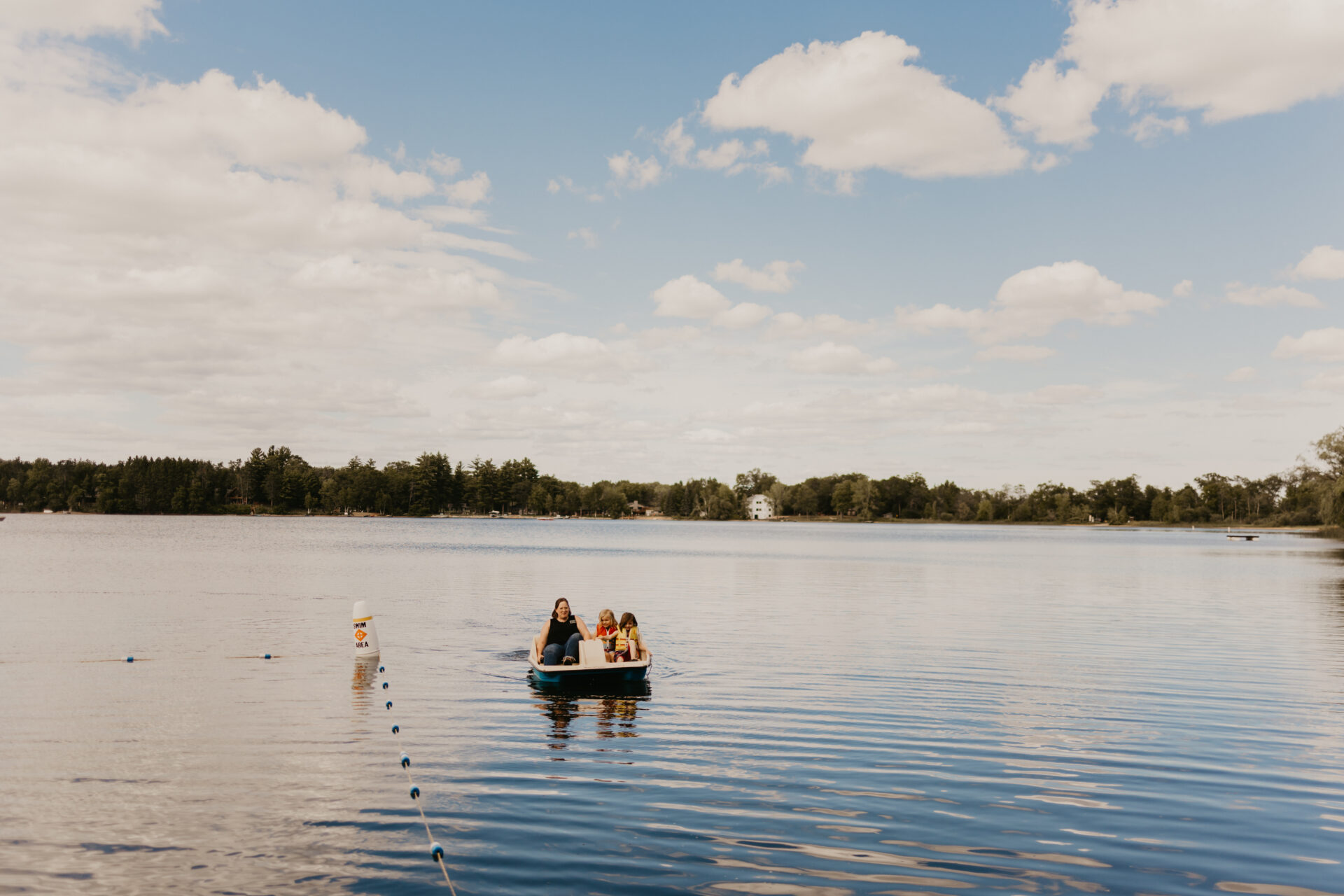
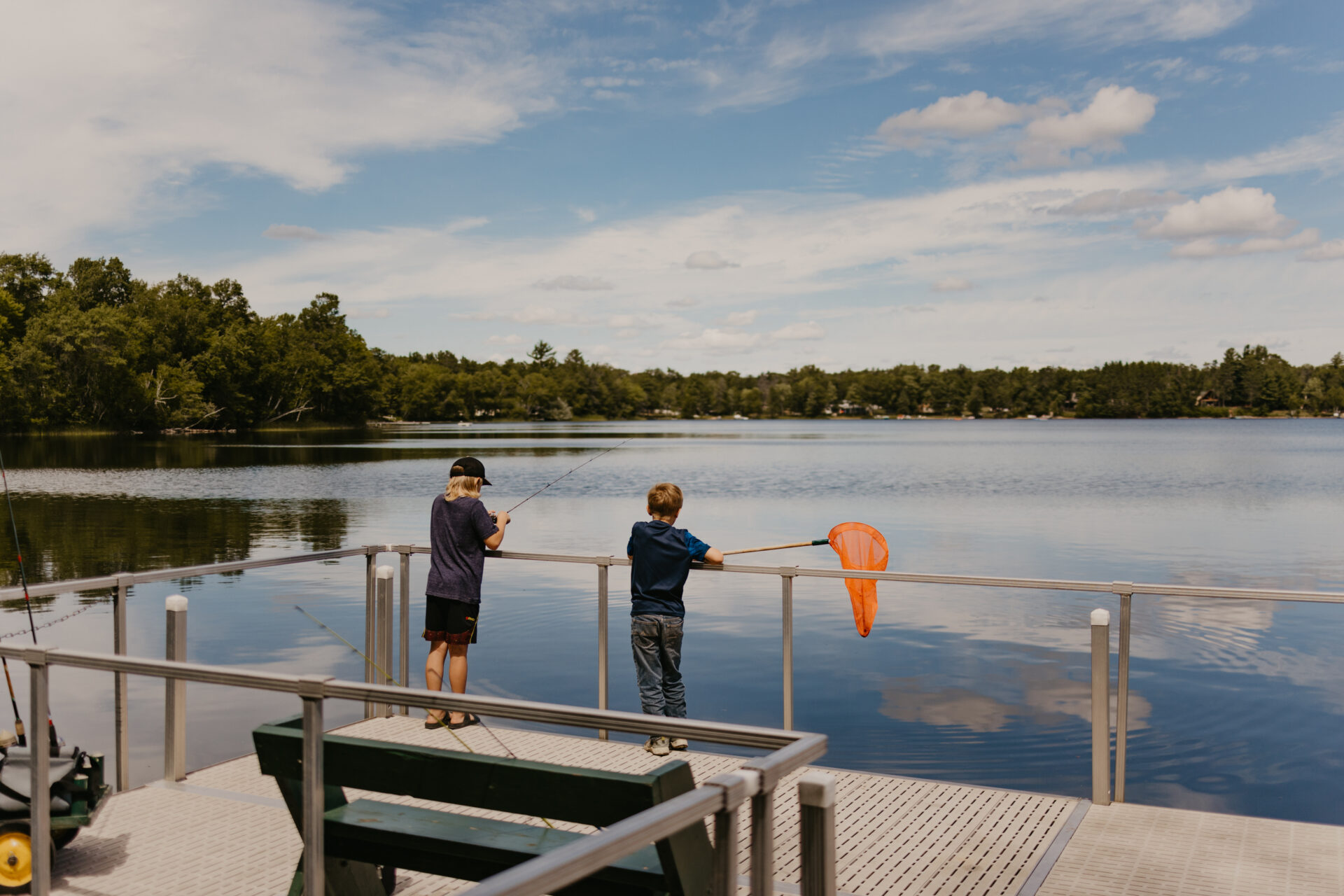
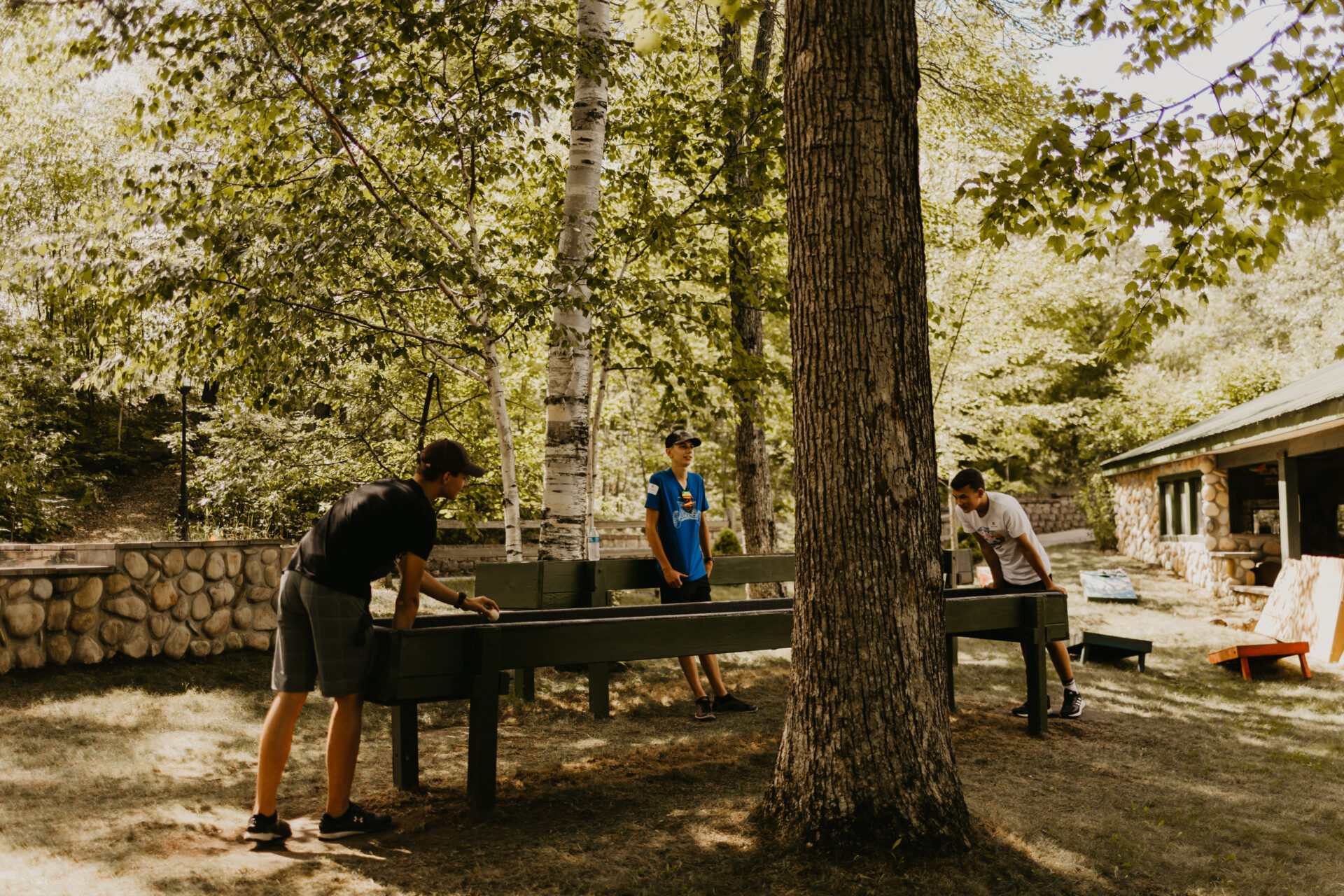
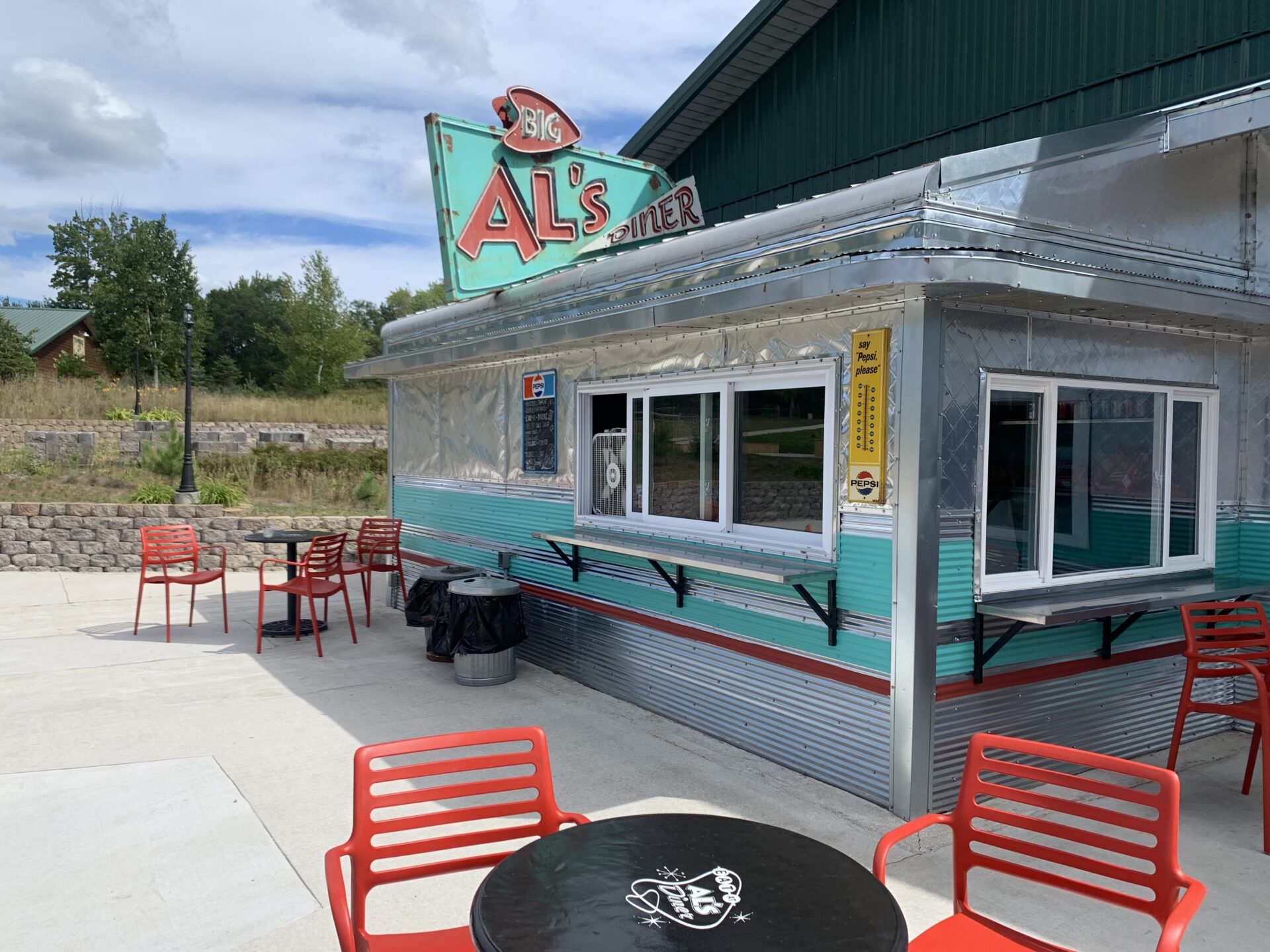
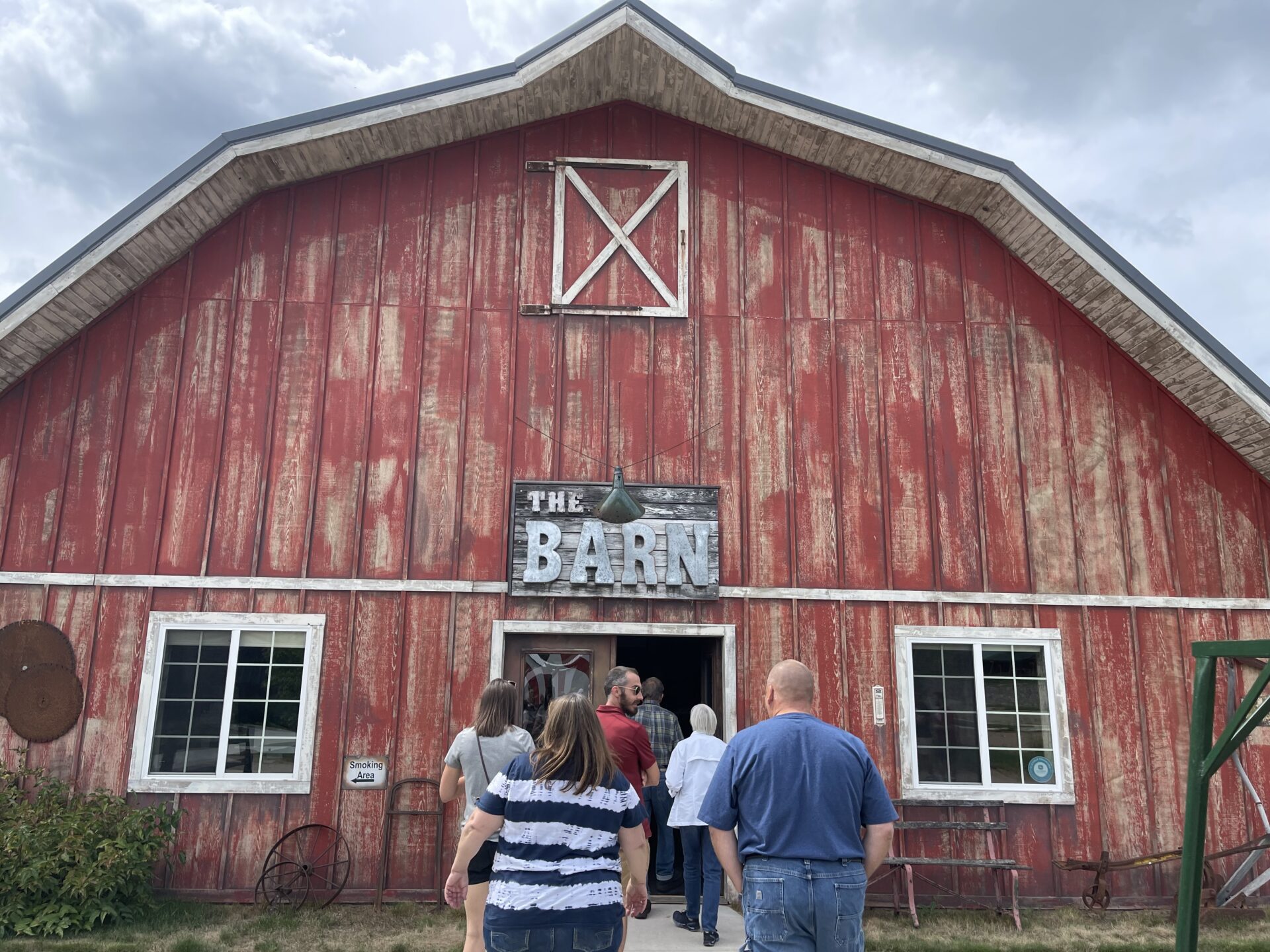
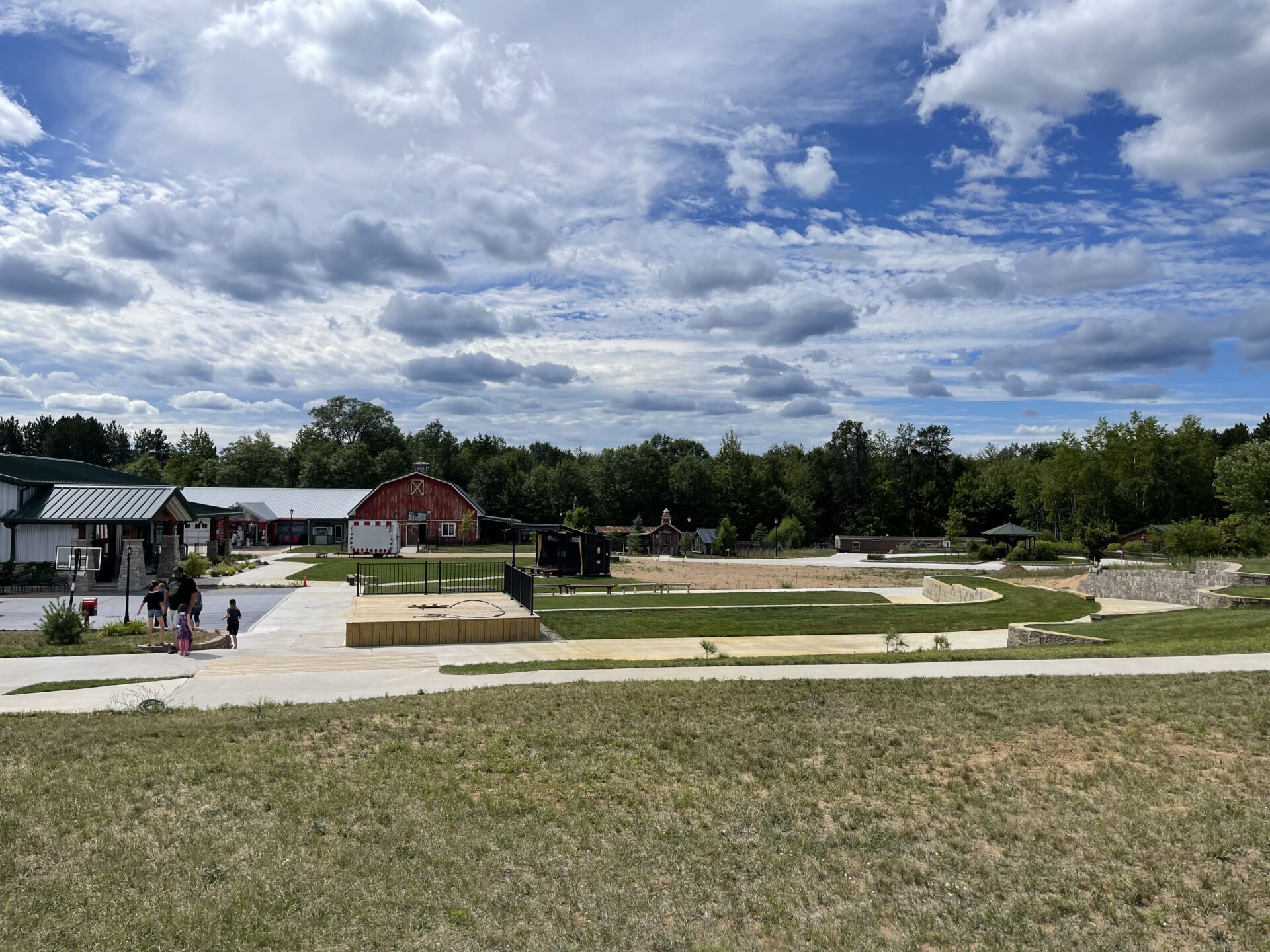
Every summer, the Dairyland team and their families gather together for a day of food, friendship and fun. This year we enjoyed our time together at Camp Daniel, an inclusive summer camp that provides people with disabilities access to a safe camp experience. Over the past couple of years, many Dairyland employees have devoted their time volunteering at the camp — helping to make lasting improvements to their facilities and campus to enrich the experience of all campers. Featured below are some photo highlights of the day.
 |
 |
 |
 |
 |
 |
 |
 |
 |

 |
 |
 |
 |
 |
 |
 |
When you choose to support a non-profit organization, you want to know that their methods are effective, responsible, and appropriately paired with the mission at hand. Utilizing established research and field expertise, Dairyland’s humanitarian partner, Compassion International, meets these criteria and is leading the way in early interventions to end poverty. In this post you will learn more about Dairyland’s partnership with Compassion and what the experts are saying about why their approach matters.
All photos courtesy of Compassion International. Banner Photo by Jonatan Ruiz
Compassion International’s mission is to release children from poverty around the world through sponsorship and holistic child development. They are advocates for children, seeking to transform their lives, creating a positive ripple effect which benefits families, communities, and countries.
How We Approach Poverty Matters
When it comes to alleviating poverty, good intentions are not enough. Charitable handouts only go so far and rarely change the systems that harm people. Too often they also bring further harm.
Dairyland partners with organizations that are based on more than just good will. Compassion International’s methods aligns with our values, in that they:
- Actively structure their interventions around thorough, peer-reviewed research
- Are led by engaged community leaders to ensure that solutions meet the needs of each community
- Operate from a belief that all people—including those in poverty—should be treated with dignity, deserve protection, and have great power and potential to lead their own communities
This leads to Compassion’s focus on equipping children to reach their full potential through early survival interventions and child/youth development via sponsorship.
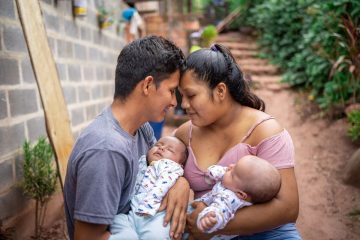 Photo by Fernando Sinacay |
 Photo by Jonatan Ruiz |
 Photo by Fernando Sinacay |
According to leading development economists, child sponsorship and early interventions—even during pregnancy—are the most effective strategies for helping those living in poverty. Dr. Bruce Wydick, a University of San Francisco Development Economist who researches the impact of international development programs, recently spoke about what we’ve learned from decades of research on childhood interventions.
“Really good research has shown that the life outcomes of kids, even as teenagers and adults, are dramatically impacted by what happens to them when they’re in utero and then in the first two years that they’re alive.” he says. “The really good news is that interventions with low-income mothers are super effective. [What’s hard about that] is that you can’t really see it right away because the intervention happens when kids are little, but it’s not realized until they grow up.” Yet, the evidence is clear: interventions like Compassion’s that increase stability, nutrition, and nurturing caregiving practices set kids up to be healthy and resilient for the rest of their lives.
Focusing on Survival
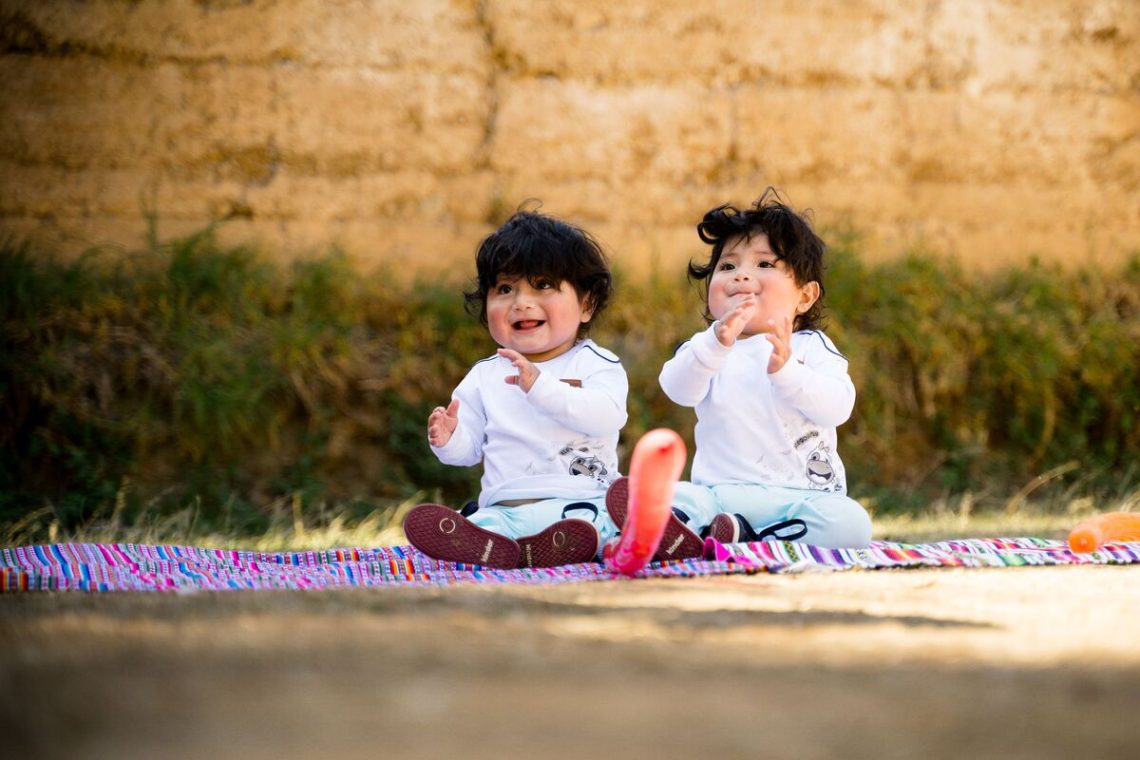
Photo by Jonatan Ruiz
Compassion International’s Survival Initiative was built on that foundation. It begins during pregnancy and lasts until the baby’s first birthday, when the child can be sponsored. The program promotes development and survival of the most vulnerable babies while also providing education and support for the mother or primary caregiver. This program covers topics such as:
- Improving nutrition
- Supporting breastfeeding when possible
- Teaching play to stimulate cognitive and physical development
- Facilitating interactions that support secure attachment
- Providing education and livelihood resources for caregivers
- Building social support
These early interventions not only help infants become healthy children, teens, and adults, they impact the whole family and community system.
Quarterly Giving
Dairyland structures its financial giving to align with our core values and fulfil our vision of making a safer world. Our quarterly gift to Compassion International will be targeted to focus on programming that supports caregiver and baby wellbeing in the central plains of Peru. As a result, ten caregiver-baby pairs will receive personalized support.
Thank you! When you work with us at Dairyland, you help make this response possible. Together, we are making a safer world.
If you are joining us for the Live Engaged Volunteer Day in October, you may be looking for a fresh idea or meaningful way to serve locally. There are many needs in our own neighborhoods or cities, but it can be hard to know where to start. Our Dairyland team, working individually and as groups, have found great value in supporting our communities with some of the following ideas:
Build homes
You don’t need any construction experience to partner with Habitat for Humanity, a multi-location organization that exists to help families build and improve places to call home. Find a nearby location and sign up here. This is a great option for individual or group volunteering.
 Give blood
You can literally save lives (about 3 per unit) by scheduling an appointment for an individual blood donation at a nearby drive or by partnering with the American Red Cross to host a blood drive at your workplace.
 Fight hunger
Sign up to work a slot at your local food pantry or distribution center; these are lifelines to families and individuals struggling to meet essential needs. You can even invite your family or team to donate non-perishable items in advance and bring the donations with you. Want to go even bigger? Host a meal packing experience with your company through Rise Against Hunger.
 Clean up trash
Collect and remove garbage and recyclable items along a trail, highway, park, or beach. If you are serving with a group, create a friendly competition to see who can collect the most.
 Just ask
Reach out to a local nonprofit, school, hospital, or senior center and ask how you can serve them. Even if it isn’t the task you would choose, go above-and-beyond to say yes and help them fulfill their mission.
Haven’t registered yet for Volunteer Day? It’s not too late! Sign up as an individual or a team.
We strive to make a safer world not only through our rugged and reliable products, but also through our volunteer efforts, financial giving, building relationships with others. This past year, the Dairyland team was able to invest in affordable housing and sponsor a family through Habitat for Humanity. Read more about our experience below.
Sponsorship Turned Partnership
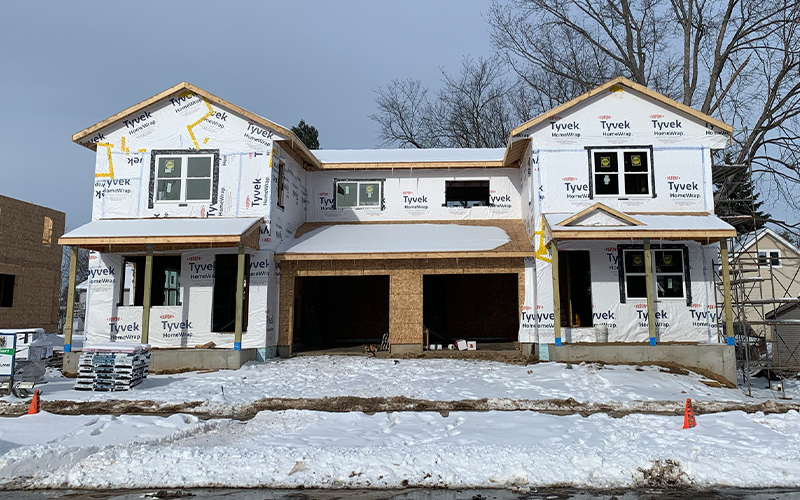
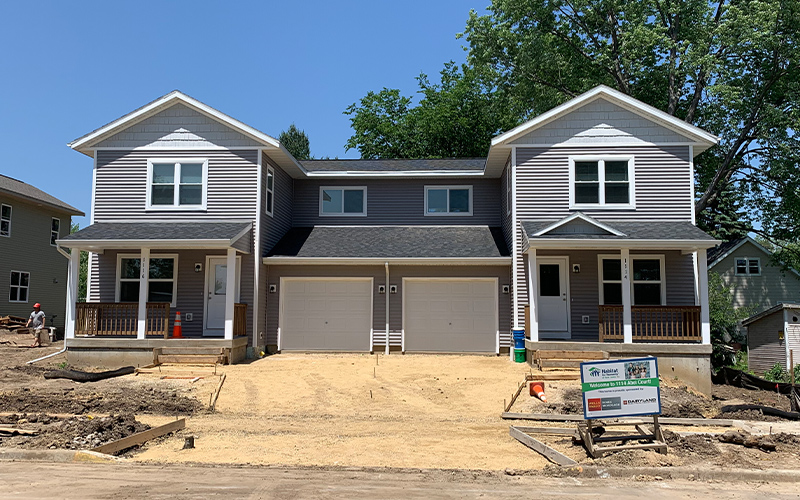
Since 2018, Dairyland employees have volunteered with Habitat for Humanity at various build sites around the county. Habitat for Humanity (Habitat) is a nonprofit that helps make homeownership possible for families, by bringing people together to build homes and communities. They envision a world where everyone has a decent place to live. Last year we learned that a new development was being planned in Stoughton, WI, where Dairyland is headquartered. With this new development being built in our own community, we found it was the perfect opportunity to sponsor a family.
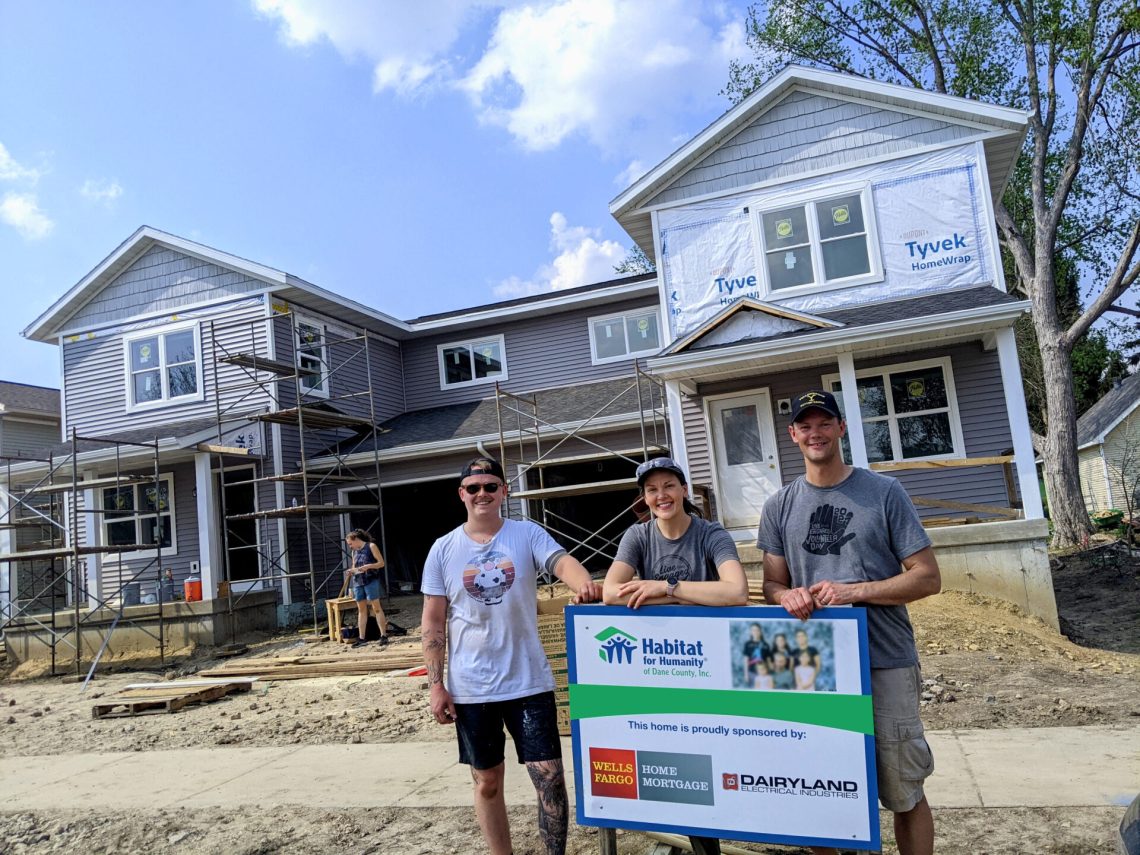
Logan, Amy and Phil from the Dairyland team standing in front of the current Habitat build site.
Originally from Kosovo, Nexhmedin and Liridona moved to the United States as refugees of war in the late 1990s and made Wisconsin home. With their four daughters, they have spent months dreaming, planning, and investing in their new place.
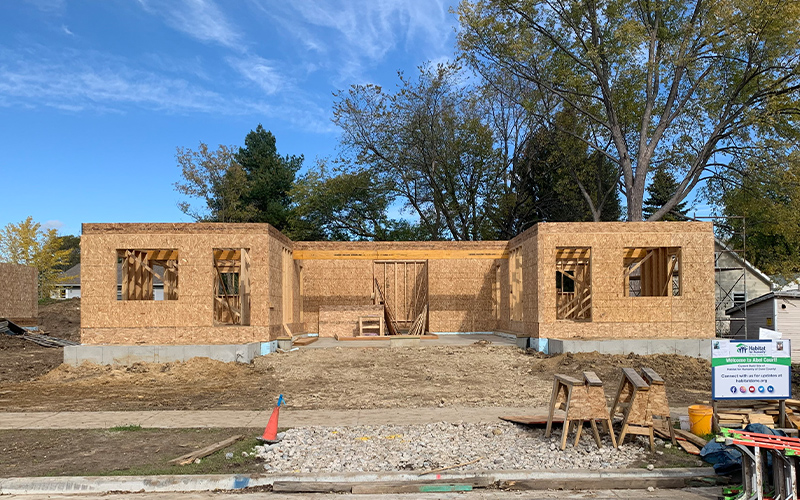
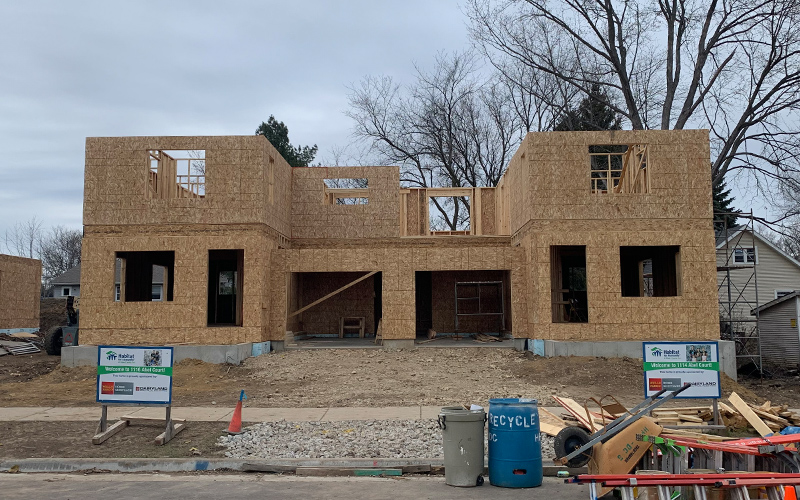
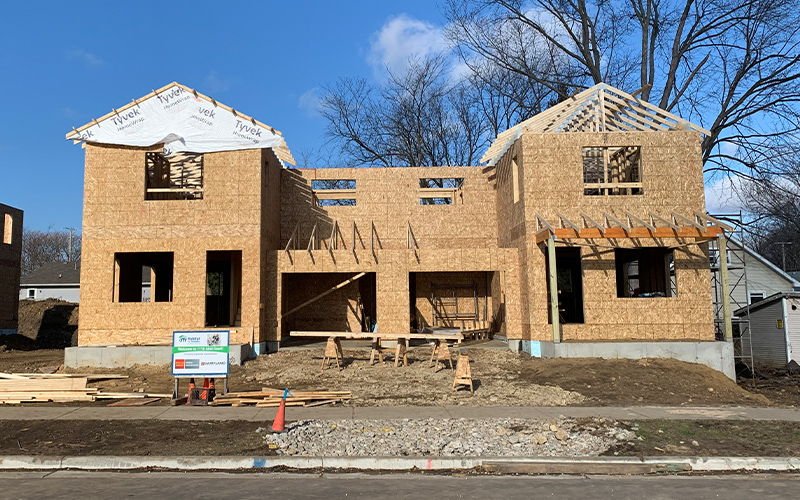
In addition to funding a portion of the building costs, we decided to ramp up our investment through regular volunteering. In July 2021, ground was broken and building began. Over the subsequent months, teams from Dairyland regularly dedicated 5–8-hour days using their paid volunteer time. Our teams often worked side-by-side with Nexhmedin, while framing, siding, and painting the space. Seasons changed from summer to fall, winter and finally spring. As they did, we watched the lot transform from a large hole in the ground to a beautiful place that is about to gain six deserving homeowners.
 |
 |
 |
 |
 |
Soon Nexhmedin, Liridona, and their daughters will finally have the keys. “We value keeping our family together and living happily in our house,” says Nexhmedin. They are looking forward to welcoming friends, each child having their own room, and expanding into the backyard to play.
In the Team’s Words
When we work in partnership and solidarity, everyone benefits. Here’s what several members of the Dairyland team had to say about their experience:
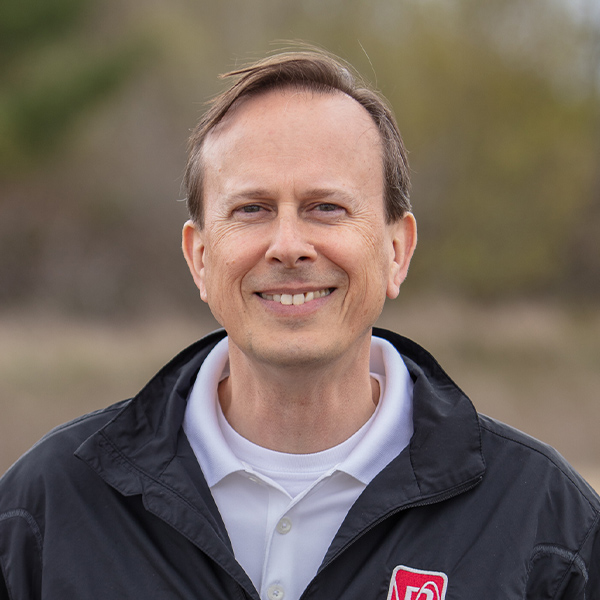 |
“It’s a good kind of tired at the end of a day at our local Habitat project – making the world a safer and better place, with one family at a time.” – Mike Tachick President |
 |
“Personally, the rewards I receive from Habitat are numerous and varied. I am honored to help such a good community-strengthening group of people, and I also have my own personal rewards such as working with a team, physical workout, & construction learning experience.” – Mark Dahl, Mechanical Designer |
 |
It’s been an honor for our team to play a small part in building a place where the Ahmeti family can make memories for years to come. It’s also a reminder to us that businesses also have neighbors. And we want for them what we want for ourselves – safety, provision for our families, and places where great memories can be made together.” – Kailey Dharam, Director of Culture & Formation |
The Road to Homeownership
Families interested in Habitat’s homeownership opportunity, must complete an application that assesses their family’s need, ability to pay an affordable mortgage, and willingness to partner with Habitat. This partnership is largely made up of “sweat equity,” completing activities such as assisting trained volunteers with the construction work on the home—about 200-400 hours per family—as well as preparatory courses on topics such as budgeting, home maintenance, and insurance.
Affordable HousingIn many areas across the country, there are not enough affordable homes to meet the demand of the community. According to the National Low Income Housing Coalition, there are “37 affordable and available rental homes for every 100 renter households”. A home is more than protection from the elements. It offers stability and is foundational to health, safety, achievement, and many economic advancement opportunities. |
Once a family’s application is approved by Habitat, they next complete an in-person interview with a local board. If selected by the board, the families then get to work building their future as homeowners. Once the home is constructed, the homeowners complete their final closing based on affordable rates. These payments are then re-invested by Habitat into other affordable homes. Finally, it’s time to move in!
We congratulate Nexhmedin, Liridona, and their girls on their new home and all the hard work they dedicated to it!
Habitat for Humanity is located across the world and offers many ways to help get more families into safe, affordable housing. You can find a site near you and get involved in your own community here.
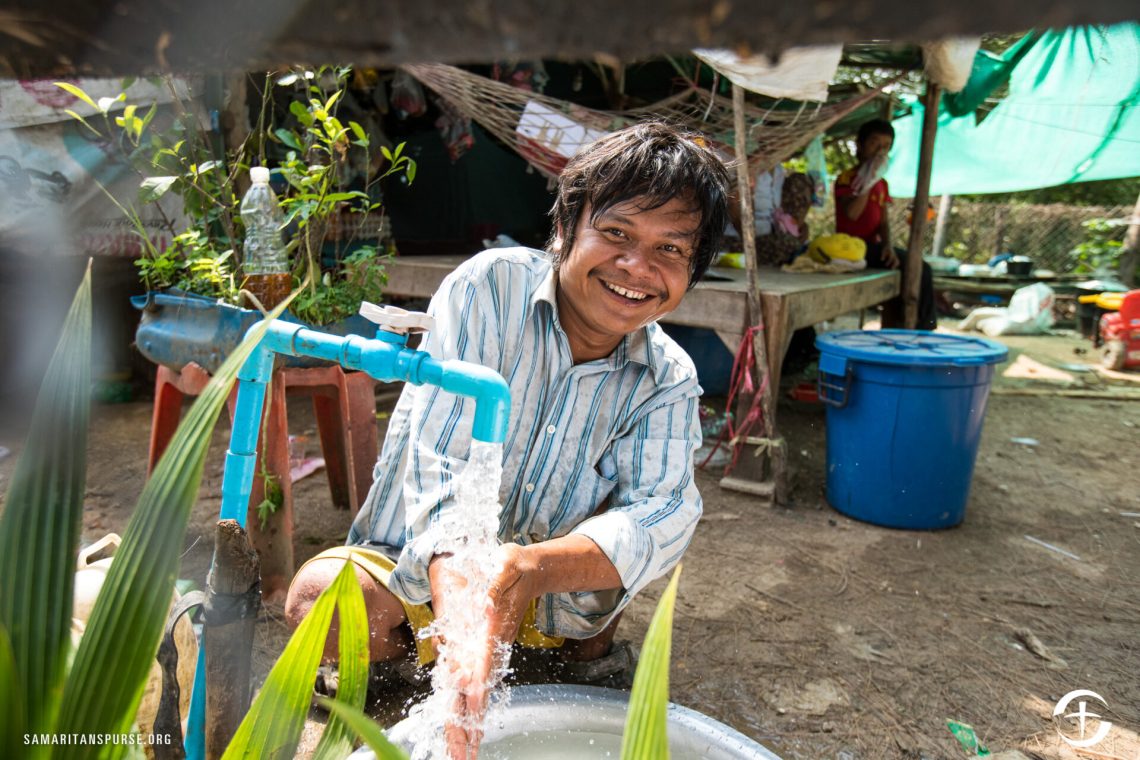
Oasis of Hope project water taps in homes
Two months ago, you voted to fund a freshwater well in Cambodia. Today we are back to provide more context and information on the effort. We will explore the fundamental need for clean water, the location of our well, and how it plays a critical role in minimizing the exploitation of a vulnerable community.
The Difference of Clean Water
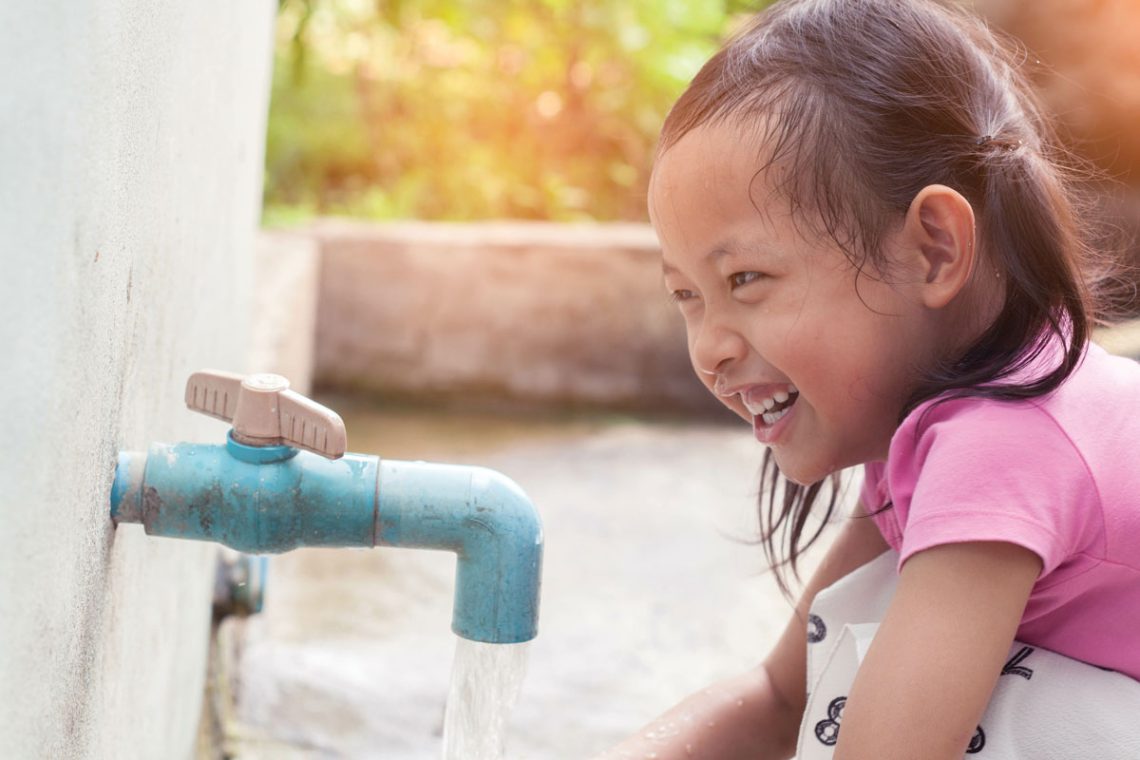
For part of the world, turning on a kitchen faucet, placing a cup underneath the flow of water, and taking a sip—all without risk of getting sick—is so natural that it occurs nearly without notice.
However, this simple act is not the same in every home around the world. Access to clean water is far from universal due to causes such as natural disasters, pollution, geography, discrimination, socioeconomic status, insufficient infrastructure and/or regulation. As a result, people suffer from preventable illnesses caused by consuming contaminated water. The rippling effects of this touch every part of life.
According to the World Health Organization, “At least 2 billion people [must] use a drinking water source [that is] contaminated.” This, paired with poor hygiene practices and insufficient sanitation options, leads to over 800,000 deaths annually.
David Philips, from Samaritan’s Purse (SP) adds, “More people die because of lack of access to clean, safe drinking water than AIDS, Measles, and Malaria combined.”
 |
 |
 |
Photos courtesy of Samaritan’s Purse
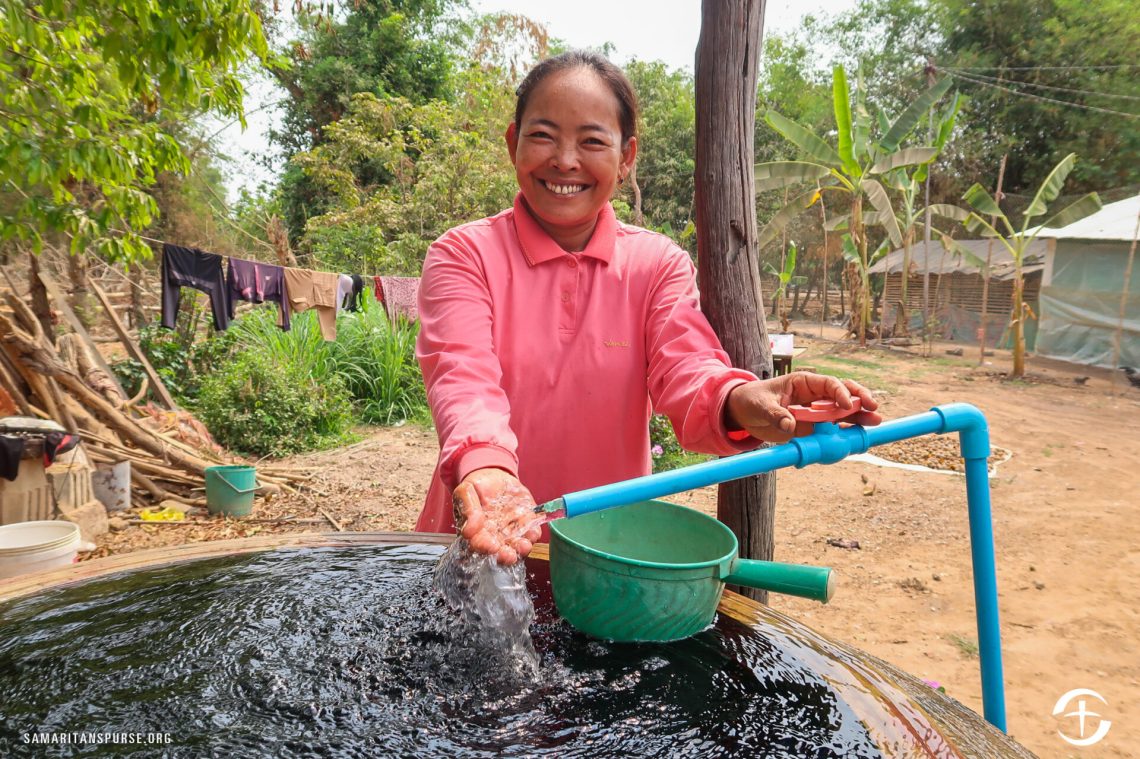
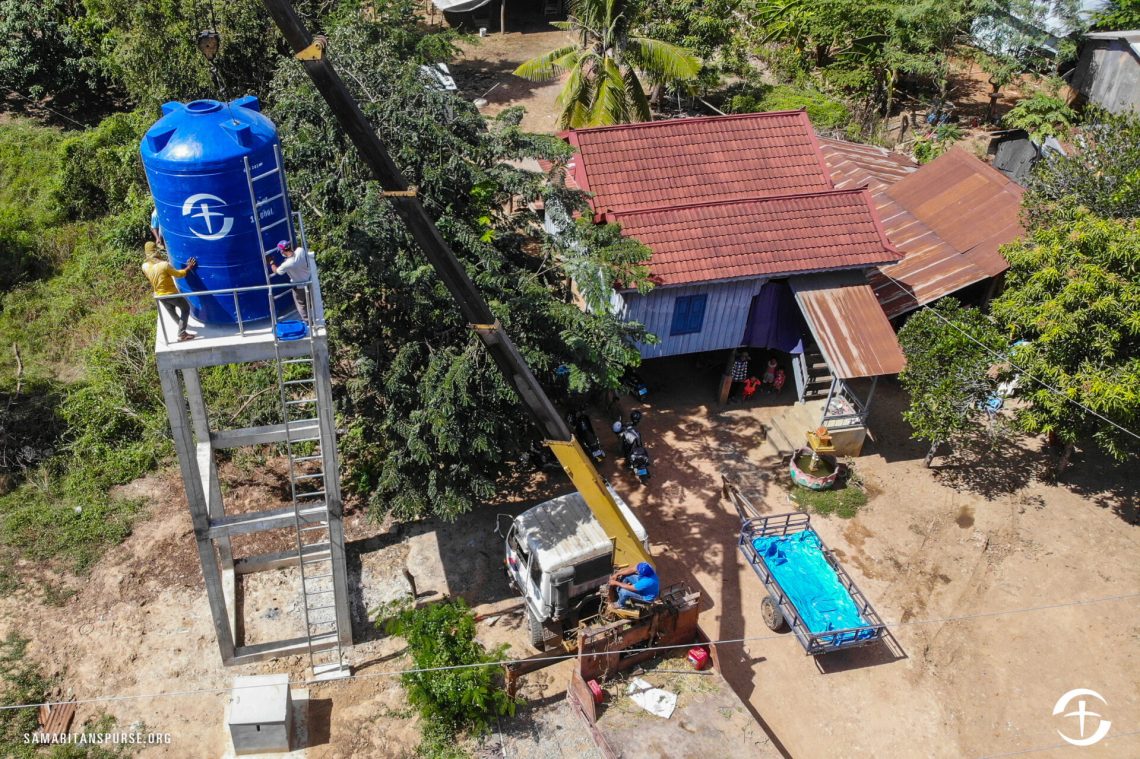
That’s why SP tailors and layers their programming to consider and honor root cause issues, offering support and community partnership to address the challenges long-term. When clean water sources are made available, health outcomes improve dramatically. Life, learning, livelihood, and leisure activities that were stopped because of water access issues become more readily available.
Why Cambodia?
The freshwater well that we are funding will be installed in a Western Cambodian district near the Thai border. The project is part of a larger, three-year counter-trafficking initiative to increase protection of Cambodians who are at risk of exploitation. Matthew Swenson, a member of SP’s team, noted that they repeatedly find water access to be a root cause not only of health outcomes, as mentioned above, but also of migration and trafficking across the border.
“The reason this [clean water] is so important is because for a lot of the year there’s drought in the area. There’s just not water and there are no livelihood opportunities.” Matthew goes on to explain how that creates a complex environment, often forcing people to travel to Thailand for employment to provide for their families. Traffickers who are attuned to this vulnerability, masterfully lure and exploit them with promises of a better way to support family members.
 Photos courtesy of Samaritan’s Purse |
 Water for Schools program in Poipet, Cambodia. |
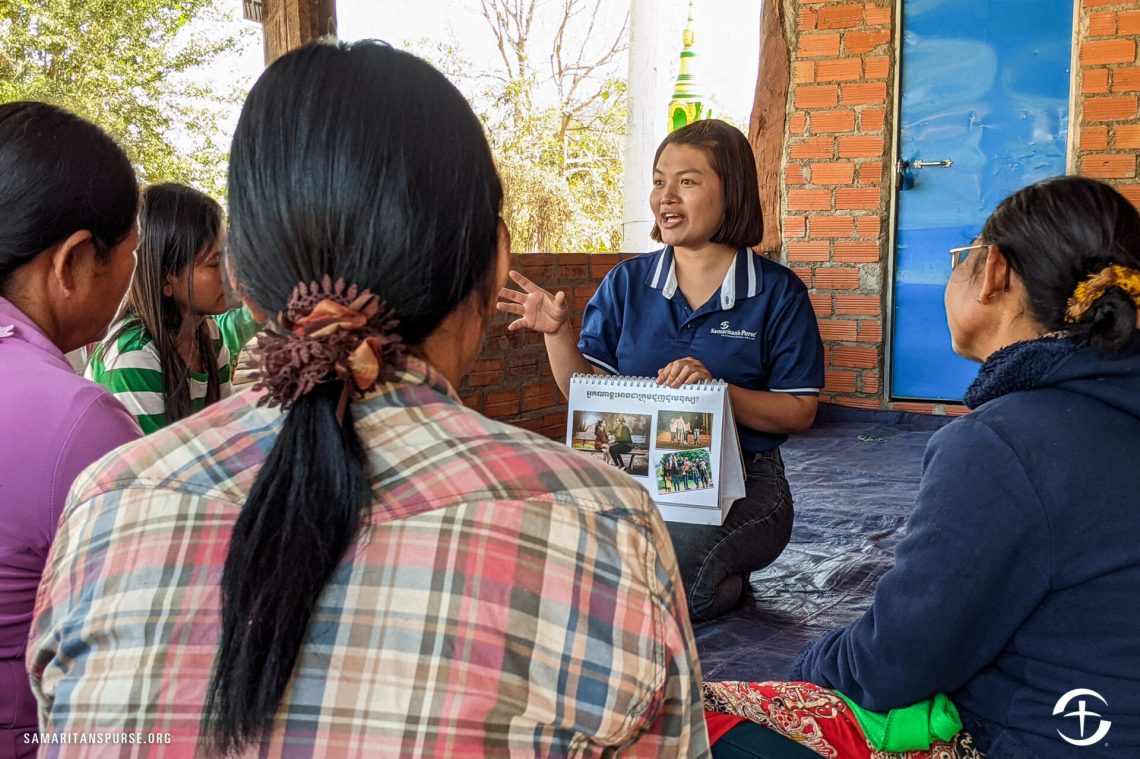
 SP staffer training leader mothers in healthy living |
“The cool thing about this project is that as we’re providing clean water, we’re also doing health education, helping kids stay in school, offering livelihood training and development. It’s keeping families together, helping people run businesses, and thrive.” – Matthew Swenson, Samaritans Purse
Speaking of a similar well installation program that was recently completed in a nearby community, he says there is clear evidence of change. Traffickers are not there anymore; they have found that people no longer have a need to migrate.
At the end of this year, even before the full three-year initiative is complete, Samaritan’s Purse projects that 7,920 Cambodians will have a freshwater tap stand in their individual homes, allowing them to experience safety at multiple levels.
Don’t miss more updates! Follow Dairyland Electrical Industries on Facebook or Instagram to stay up to date on the freshwater well project.
In this interview, Dairyland’s Director of Culture and Formation, Kailey Dharam, talks with Jordan Heres, a Disaster Response Specialist with Samaritan’s Purse (SP).
Jordan recently returned from Eastern Europe, where he responded to the Ukraine crisis on behalf of SP. When disaster strikes, SP’s response teams organize and provide food, shelter, water, and medical care based on the need of each situation. Jordan shares what it was like to be on the frontlines of this disaster response, and closes with practical next steps for those of us living outside of Europe who would like to help.
Kailey: Tell me about your role(s) with Samaritan’s Purse, including most recently. What is a day in the life of a Disaster Assistance Response Team (DART) member?
I have been working with SP for about seven years in a DART capacity, and my roles have changed a bit over that time. I started in logistics, warehousing, and distribution – the whole process of storing, tracking, then getting [supplies] out to people who need it most. In the last few years, I transitioned to medical logistics and operations, overseeing everything to keep the field hospital running so the staff is free to focus on their medical work.
In this most recent response, I got a call on a Thursday night and then flew out midday Friday to land in Romania before eventually reaching Moldova. We started as a team of three, so I played many roles. We work 24/7 and the key is flexibility because every day is different… and the plans always change. The first day or two we play everything by ear, trying to solve problems, and get to the need as fast as we can to do assessments. Another day might involve distributions, then assessing again, monitoring and evaluating to make sure what we distributed was needed and people are able to use it. We repeat the process multiple times.
Kailey: How do you complete assessments and determine whether a response is needed? Was there anything unique to consider in this Ukraine crisis response?
Watch Jordan’s response here:
Kailey: What was your experience as one of the first staff members on the ground?
I always like to start by putting things in context. I was in Moldova, which is a country of about 2.5 million. [It’s] a poorer country and they’ve received by now 390,000 refugees. Poland has received 2.3 million, Romania 600,000, Hungary 360,000, and then there’s refugees in further western European countries.
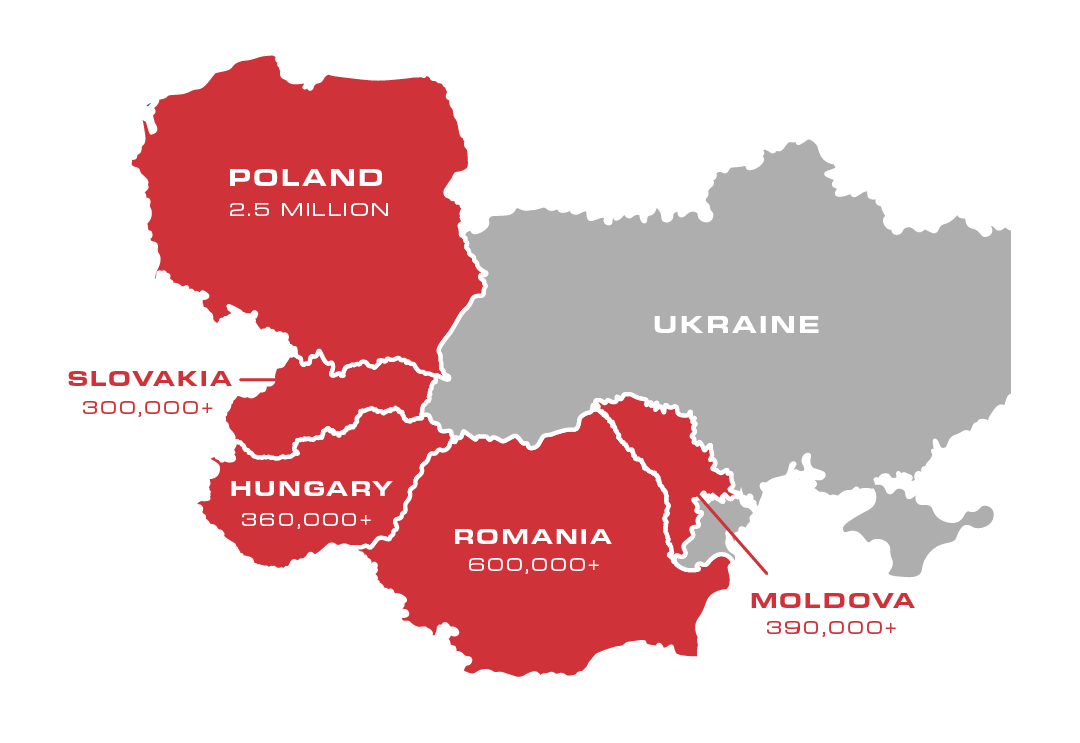
A large and important number to keep an eye on, too, is internally displaced people – there’s about 6.5 million in Ukraine then another 13 million in conflict zones. Each number is an individual story.
Hear about Jordan’s own experience and observations here:
Kailey: To date, how has Samaritan’s Purse responded to the Ukraine crisis outside of Moldova?
In the first two weeks that I was there, we were providing food for 10,000 households for three weeks, plus hygiene kits and bedding for another 10,000 households. As we’re doing these programs, we’re also expanding and proposing larger programs. Typically, that’s how it works – we use our funds that are flexible and can be used quickly, then we’ll apply for partnerships with groups like the World Food Program or other UN organizations.
[Our work] was a lot of supporting the infrastructure that’s there, meeting needs where they are. In Ukraine there is a Tier 3 hospital (designed after Doctors Without Borders’ field hospital model). Our Tier 3 hospital is the largest – it has about 60 bed in-patient capacity, two operating rooms, a pharmacy, and about 100 staff members (not including all support staff doing food programming, hygiene, water, sanitation). There’s also a smaller field hospital in Southwest Ukraine. We have programming in Poland as well, to do work similar to that in Moldova, supporting infrastructure that’s already hosting.
Kailey: What would you say to those of us outside of Europe who are wondering how to engage or respond?
I realize now that I’m back in the US, I’m in the same boat as you all. Often it’s easier to be where the need is to feel like you can have an impact. I think we often feel powerless in these situations, and the truth is we are in many ways. We have to accept that, that we can’t change everything, but we do what we can. I think the response can be broken down into a few steps that I’m doing in my own life now that I’m back.
First, be aware of what’s going on – read individual stories of what the situation on the ground looks like. That can be really hard and leads to the second point which is to grieve what’s happening, to actually carve out space in your life to think about and grieve what you read. Then give and to act where you can. So often we get tied up in where we give, how we make the most impact, or get the most returns. Those are great questions but so often we let that limit what we do. Do your due diligence, but then just go ahead and start giving, even if it’s small.
Another part of this step is acting [personally]. Not everyone can go, but I always recommend that people look in their own community. I don’t want that to replace caring about Ukraine, but I think so often we get bogged down and overwhelmed in not knowing what to do that we don’t do anything. Redirect some of that energy toward being involved in your local community – in opportunities that are possible. A huge opportunity that’s not directly connected to the Ukraine crisis, but in many ways similar, is the fact that there are thousands of Afghan refugees being resettled across the U.S. Many of these people are now ripped from their previous lives where they don’t have much, may not know the language. You can engage with another people group that has suffered war and conflict. Again, it shouldn’t replace wanting to engage Ukraine, but I’d like to provide people an opportunity actually act.
Kailey: What would you say specifically to this community of people striving to Live Engaged?
Watch Jordan’s inspiring response here:
Samaritan’s Purse is one of Dairyland’s humanitarian partners, providing aid to hurting people around the world. They help meet the needs of people who are victims of war, poverty, natural disasters, disease, and famine.
Your involvement with Dairyland allows us to do something small but meaningful for those in crisis. Thank you for helping us make a safer world.
Since our start in 1983, Dairyland has grown to be an industry leader, with products sold into more than 80 countries, solving a wide variety of application challenges. Customers around the globe trust us to provide them with safe, reliable products that work in the harshest technical and environmental challenges that they face. What makes our products so dependable? It starts with our design motto: ALWAYS RUGGED.
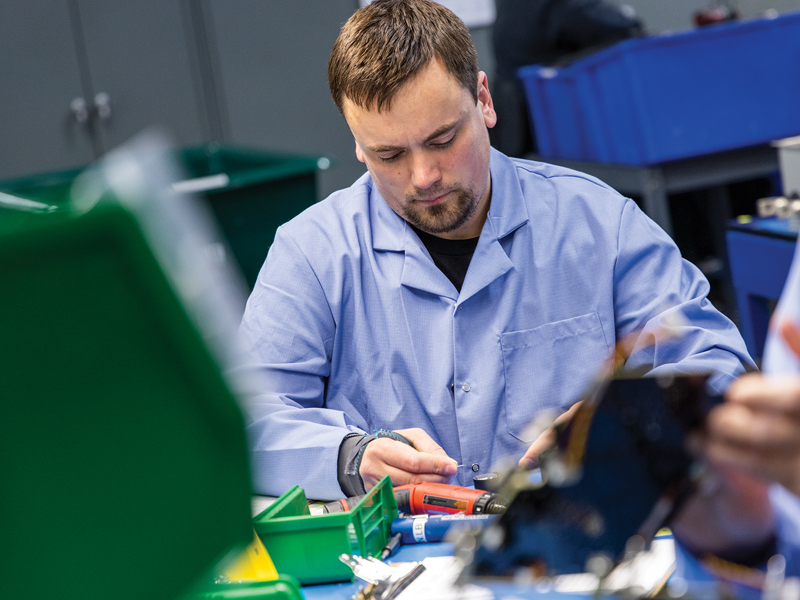
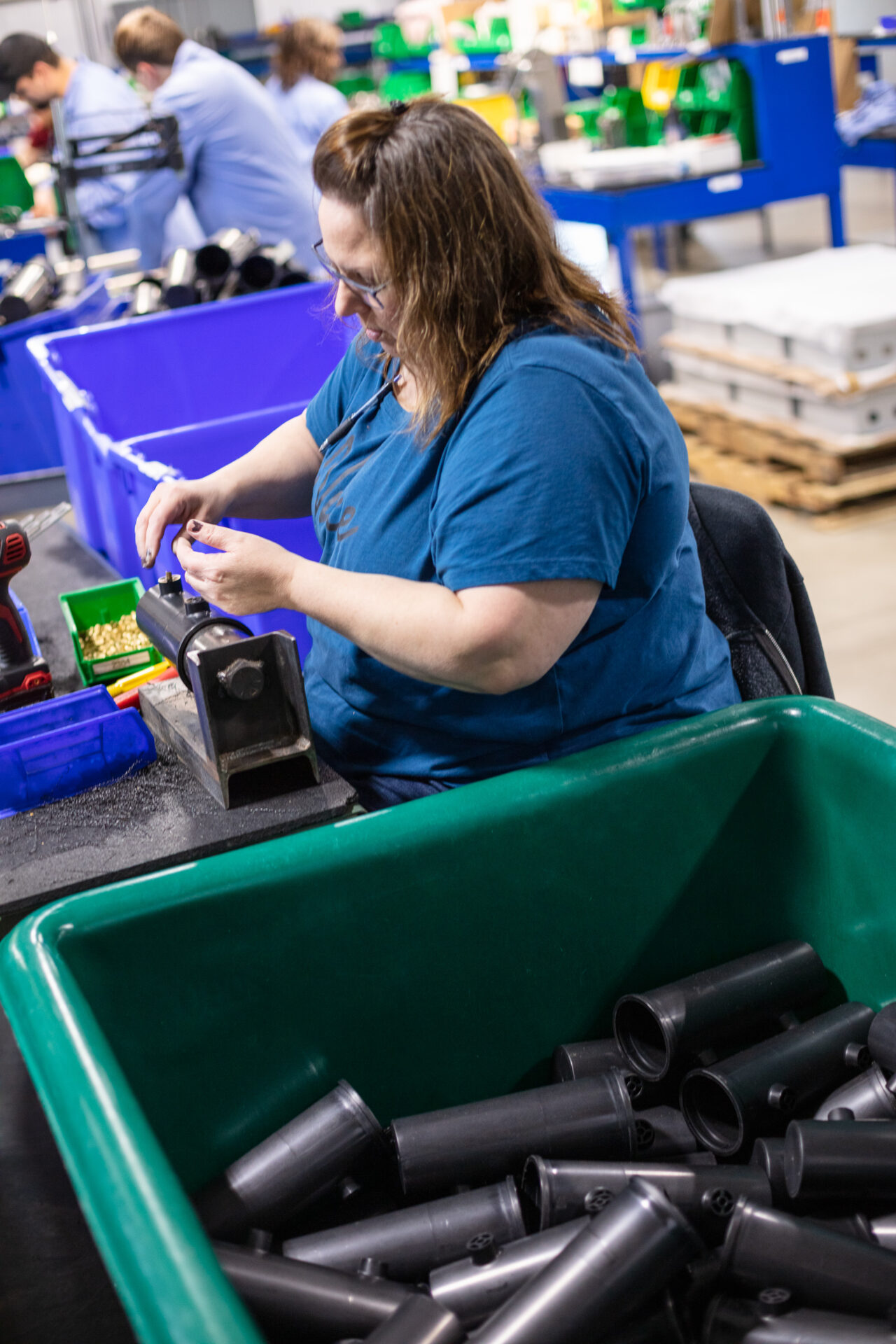

BUILDING PRODUCTS THAT LAST
At Dairyland, our goal is to make a safer world. We work tirelessly to deliver to our customers the safest, most reliable products on the market.
Our product design philosophy is quite simple: we strive to build decouplers that last, are easy to use, and need no regular maintenance.
Building products that deliver on the Always Rugged promise requires extensive effort across many departments. Product development begins in our engineering department where our teams use a detailed research and development process to conservatively design products that exceed all reasonable field conditions. Once initial designs are completed, products go through extensive testing in numerous real-world conditions and we gather feedback directly from prospective customers for a refinement phase, ensuring that the final product brought to market is impeccably designed and easy to use.
Robust designs are just the first step. Next, our supply chain department sources quality parts to meet tight specifications. We look closely for partners that have robust quality systems, treat their employees well, and maintain professional, well-kept manufacturing spaces. This won’t always mean selecting the cheapest materials, but it leads to well-built, quality components that we can rely on – part of our Always Rugged philosophy.
Finally, our manufacturing team uses detailed quality assurance programs to guarantee that all products are built to the highest quality. From refined processes to inspection and product testing, our teams are dedicated to ef ficiently and consistently building high-quality products. Dairyland is also certified to ISO 9001:2015 quality requirements, ensuring that all processes are regularly evaluated, audited, and improved upon, resulting in premium manufacturing capabilities.
ALWAYS RUGGED VERIFICATION
Decouplers are critical for protecting expensive assets and keeping personnel and the public safe, and we hold ourselves to a very high Always Rugged standard. With this much on the line, you need to be certain that your decouplers will perform as specified.
Confirming that Dairyland products do what we say they do is our top priority. We maintain an extensive list of internationally recognized third-party product certifications, which verify that our products conform to the recommended electrical and safety codes, and confirm their performance against harsh conditions. Despite the cost and time commitment associated with maintaining these certifications, we insist upon it because it’s important. Our customers can rest assured that their Dairyland products meet all critical performance requirements, fail-safe operation, and address hazardous location needs to ensure product performance, longevity, and safety

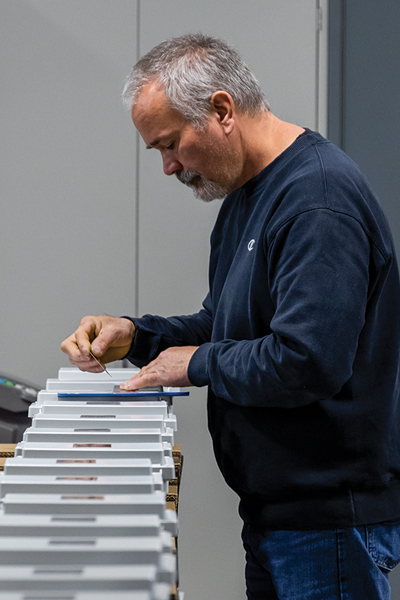

PERFORMANCE YOU CAN TRUST
We are working hard to make a safer world, but we’re not finished yet. Dairyland products are used across the globe to address complex application challenges and maintain a failure rate of less than 0.01%. When you invest in Dairyland products you’ll receive premium products that are suited for extreme conditions, resulting in protection for your equipment and safety for your personnel. We’re excited to support you along the way.
If you joined the Dairyland team in San Antonio this March, you know how power-packed the week was with presentations, committee gatherings, exhibits, awards, entertainment, and happy reunions with colleagues after two years of separation.
This year, in addition to our exhibit booth, Dairyland hosted the Live Engaged Lounge, a hands-on space for show attendees to experience how business can be used as a force for good. Our guests printed custom t-shirts, took selfies at the photo booth, and helped us choose our next humanitarian project to fund. Check out the short video below to see what we accomplished together:
Well, We Have a Winner!
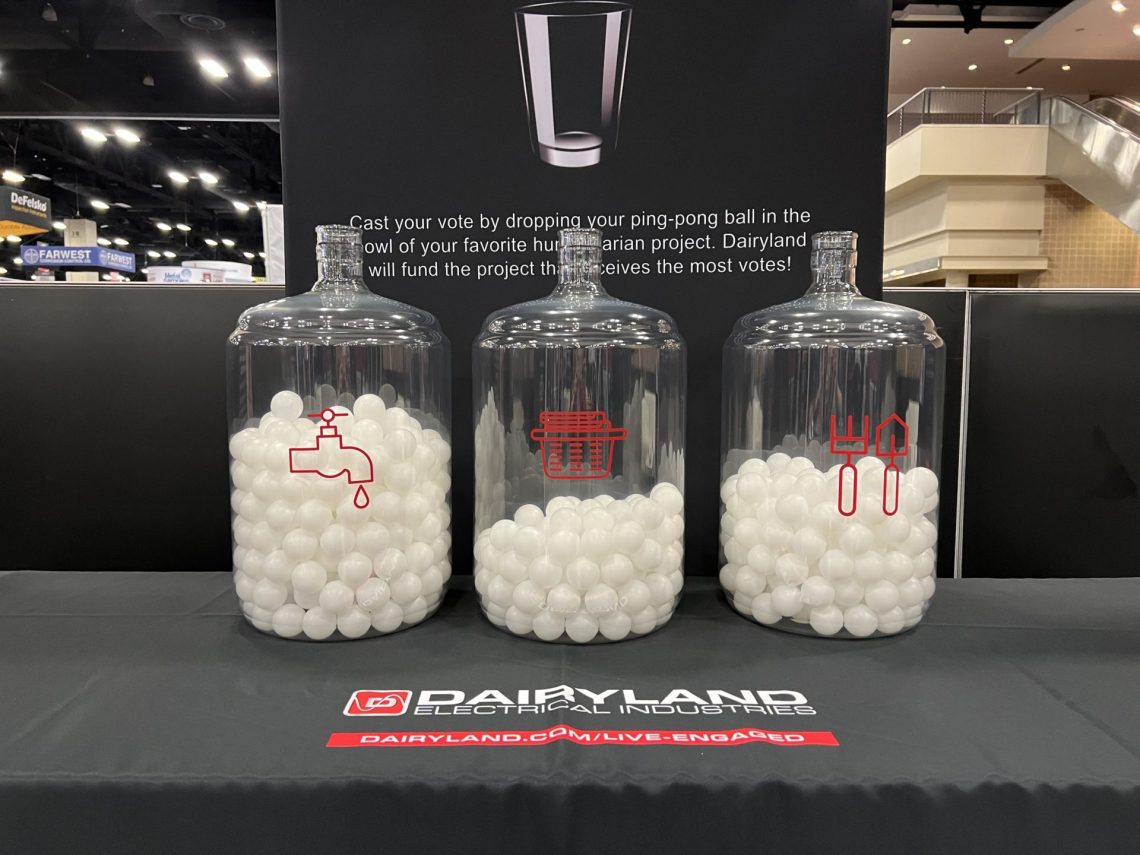
Receiving 45% of the total vote, the freshwater well in Cambodia is our winning project! Through the work of Dairyland’s partner Samaritan’s Purse, an entire community will now have easy access to safe drinking water.
Every time Samaritan’s Purse initiates a well project, installation is accompanied by training about long-term use. The process will not begin unless community members agree to partner in maintenance and continued operation. Why? So that for years to come clean water can flow and bring life to the community, preventing dehydration and disease while eliminating the need to spend hours searching for a safe water source.
1 in 10 people live without access to clean water worldwide
This project is part of a multi-year community water system program focused on providing clean water, hygiene education, livelihood opportunities, and anti-trafficking messaging. The core of the program is clean water, but the additional components holistically support the communities Samaritan’s Purse serves.
Matthew Swenson of Samaritan’s Purse writes: “Clean water is the centerpiece for community health and development. This freshwater well program provides clean water while integrating livelihood development, education, health care and anti-trafficking messaging for a blended approach toward community transformation. Your partnership and generosity will improve the lives of those we are blessed to serve together.”
From all of us at Dairyland, thank you for visiting the lounge and helping us make this critical decision! We believe our industry has enormous potential to positively impact others and promote their flourishing. Together, we are making a safer world.
Don’t miss project updates! Follow Dairyland Electrical Industries on Facebook or Instagram to stay up to date on the impact and process of building a well.
[image-gallery display=”inline”]
The humanitarian projects listed here were selected months prior to the crisis in Ukraine and definitive knowledge of what it would become. While we still ask you to assist in selecting which of these important initiatives to support, Dairyland also continues funding urgent disaster response efforts through Samaritan’s Purse, which has already deployed to serve Ukrainians in Eastern Europe.
Have you ever wondered how you can get involved with Live Engaged? Here is an easy way. In conjunction with Live Engaged’s participation in the 2022 AMPP Annual Conference + Expo, we are inviting you to help us select where our next humanitarian effort will go.
Vote for Impact
Dairyland has been a long-time supporter of humanitarian organizations who affirm our core belief that people have inherent value. We partner with groups like International Justice Mission, Samaritan’s Purse, Compassion International, and Equal Justice Initiative to further their work around the world.
This year we are asking you to weigh in on one of our projects by voting for impact. At the conference, attendees can visit the Live Engaged lounge to place their vote, while our virtual friends can vote through Facebook or Instagram. Voting will close on Thursday, March 10, 2022 and the project with the most votes will be announced on Monday, March 14.
 |
 |
 |
Project 1: Build a Freshwater Well in Cambodia
Support clean water initiatives in Cambodia with the installation of a freshwater well. This project ensures safe drinking water for an entire community, and also offers hygiene education, livelihood opportunities, and furthers efforts to prevent human trafficking.
Project 2: Support Afghan Evacuees in the United States
Offer a warm welcome to 60 families who were forced to flee their homes in Afghanistan. After living at transit sites for months, they are now beginning their new lives here. This opportunity provides 300 people with clothing and personal essentials that could not be transported during emergency evacuations.
Project 3: Invest in Sustainable Food Growth in the DRC
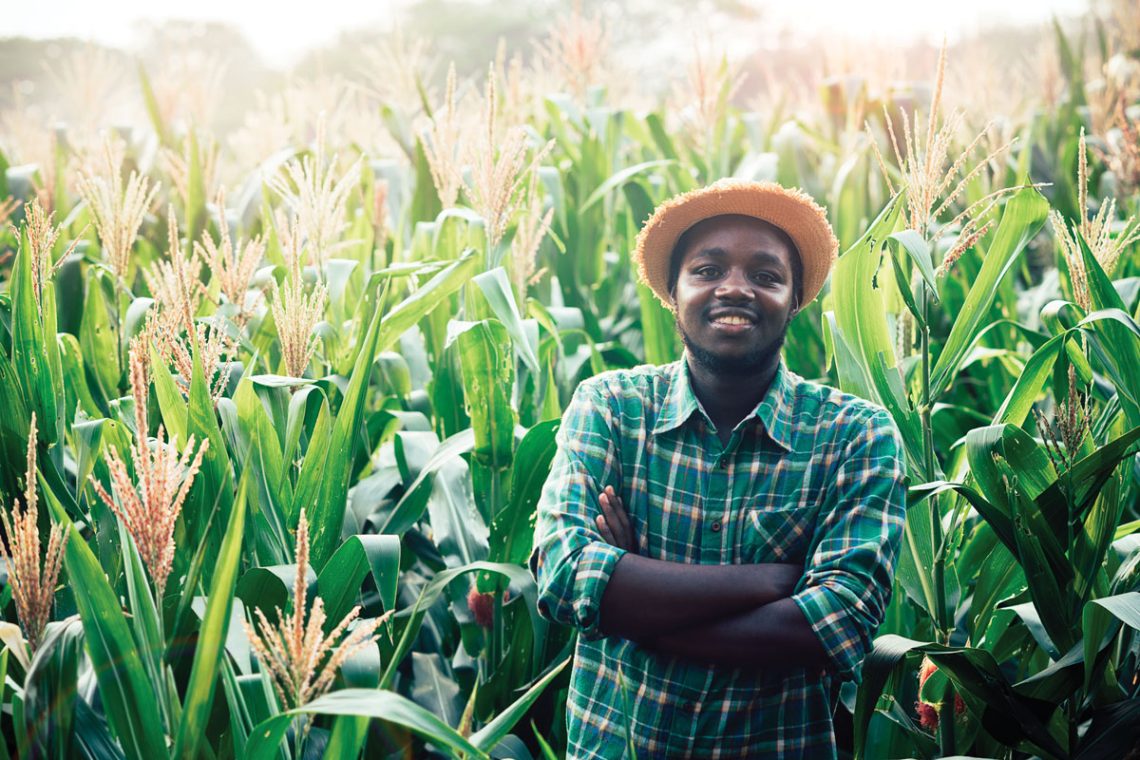
Go beyond emergency food aid and equip families in the Democratic Republic of Congo with the tools needed to grow their own food. This project supports 150 families with plants, fertilizer, tools, and training to get them started in sustainable farming. In a time when conflict, food insecurity, and poverty perpetuate hunger, this initiative offers long-term stability and nourishment.
All three projects are affiliated with Samaritan’s Purse International Relief. Samaritan’s Purse deploys around the world, bringing aid in some of the hardest-hit, most desperate circumstances like war, extreme poverty, natural disasters, disease, and famine. We have remained highly impressed by their rapid, compassionate, and accountable global service.
Thanks for joining us to Vote for Impact and for being a part of Live Engaged! Together, we are making a safer world.
 |
 |
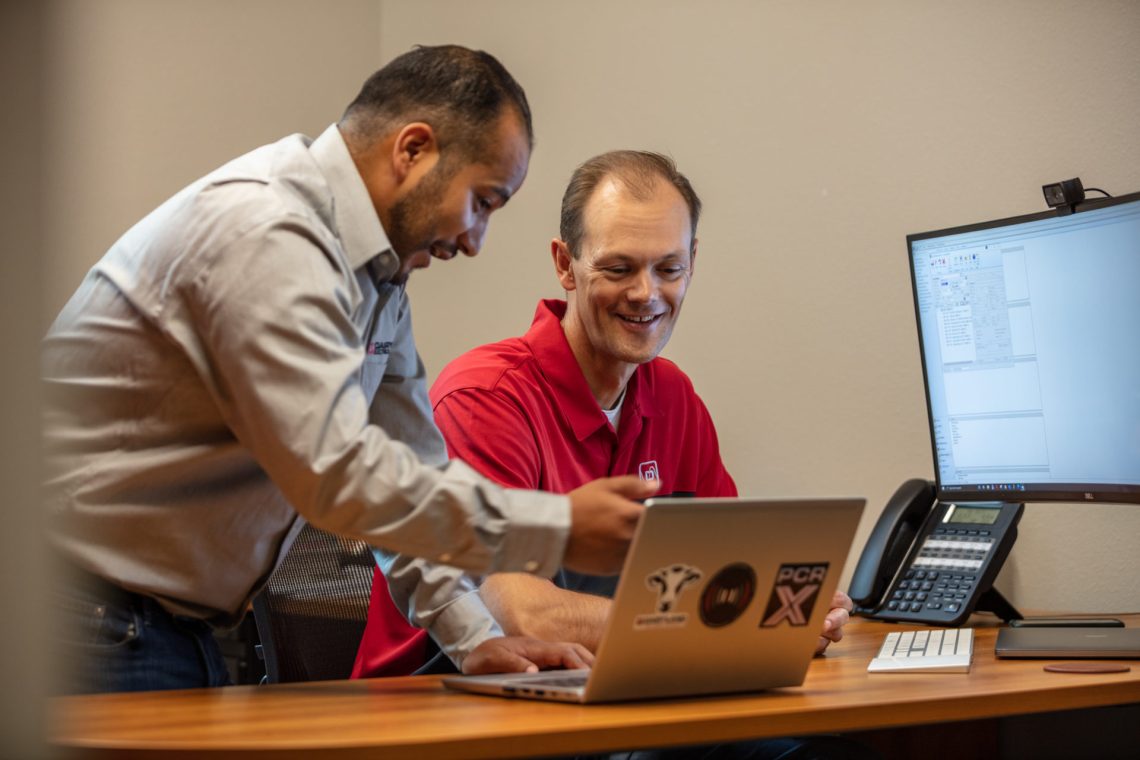 |
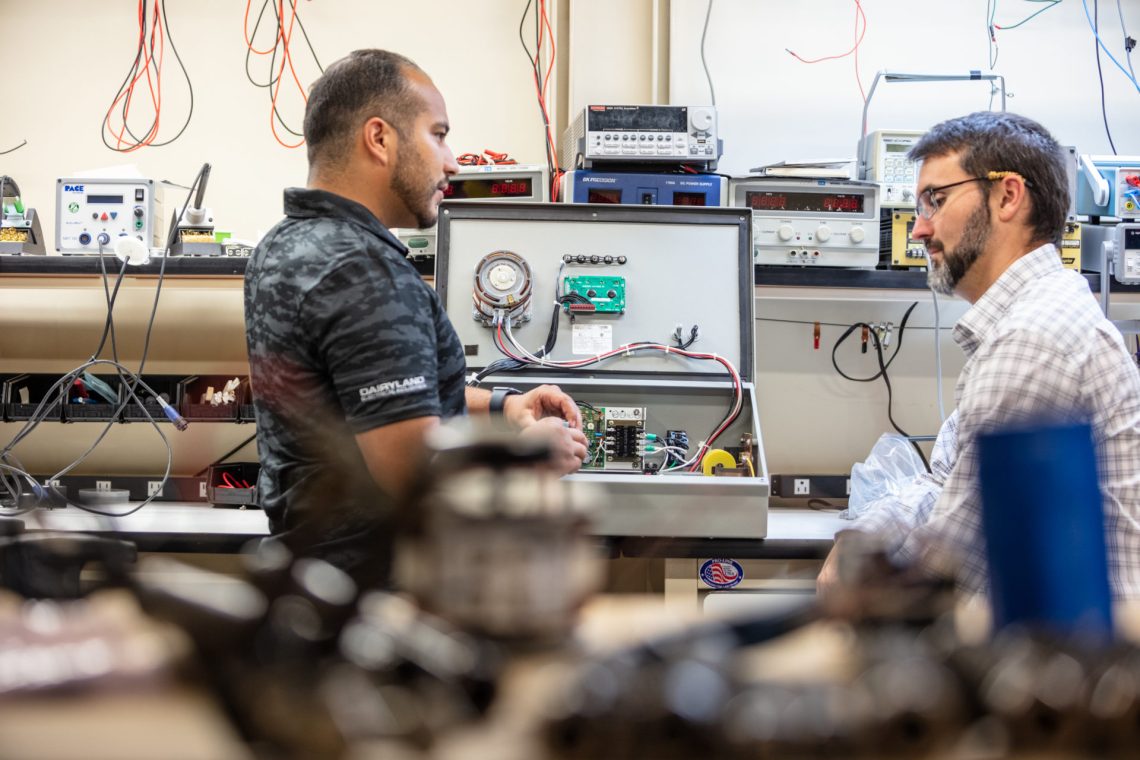
Dairyland’s company vision can be summarized simply as, “to make a safer world”. This objective is carried out in a variety of ways across the company, but one team in particular works on the front lines. Our business development team interfaces directly with distributors, corrosion specialists, technicians, and engineers to help solve complex performance and safety challenges in the energy industry.
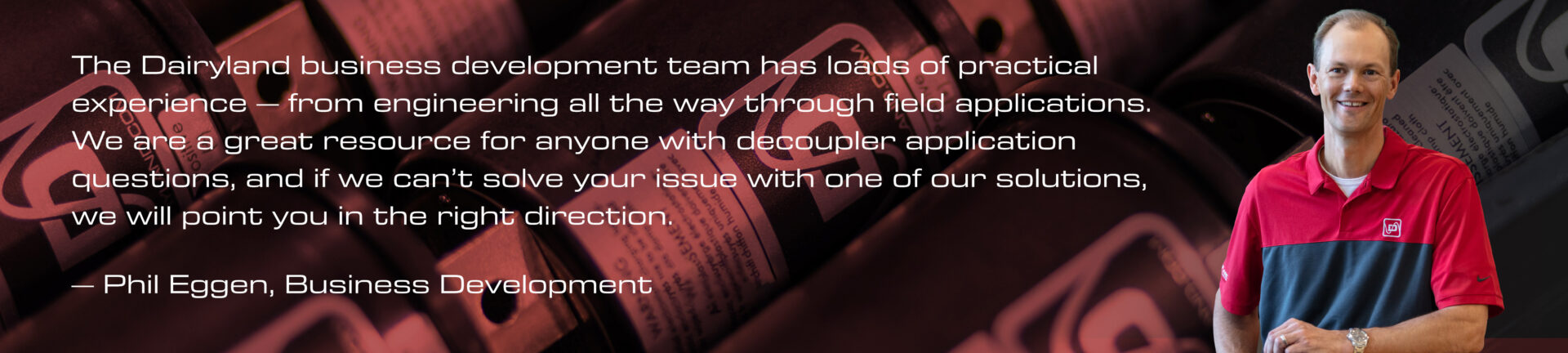
At Dairyland, business development isn’t just about selling great products. More importantly, we pride ourselves on being a reliable resource for complete technical guidance on applications and products associated with isolation, grounding, over-voltage protection, and related issues. Our team has over 75 years of technical experience and an in-depth knowledge of Dairyland product offerings and industry solutions. We make sure your technical questions, application challenges, or product inquiries are thoroughly researched, and that you know how to proceed – even if you don’t end up needing our products.
Education and sharing of our technical expertise shapes our business development team significantly.
We are frequent presenters at seminars both domestically and internationally; attending or speaking at over 30 tradeshows annually. If you can’t meet us at an industry event, you can join our team online for one of our webinars. If your problem is more specific, you may need to contact our team directly at techsupport@dairyland.com for questions unique to your application.
At Dairyland, we are dedicated to understanding our customers’ needs and providing reliable products and service. If a solution to your problem does not yet exist, we’ll work to find one. Connect with us or call 608-877-9900.
Our experienced team excels at finding innovative solutions for your toughest problems.