This year we continued a tradition that is now three years in the making: Live Engaged Volunteer Day (LEVD). We love this event because it builds on the potential of our industry, the generosity of its people, and the vision of making a safer world together.

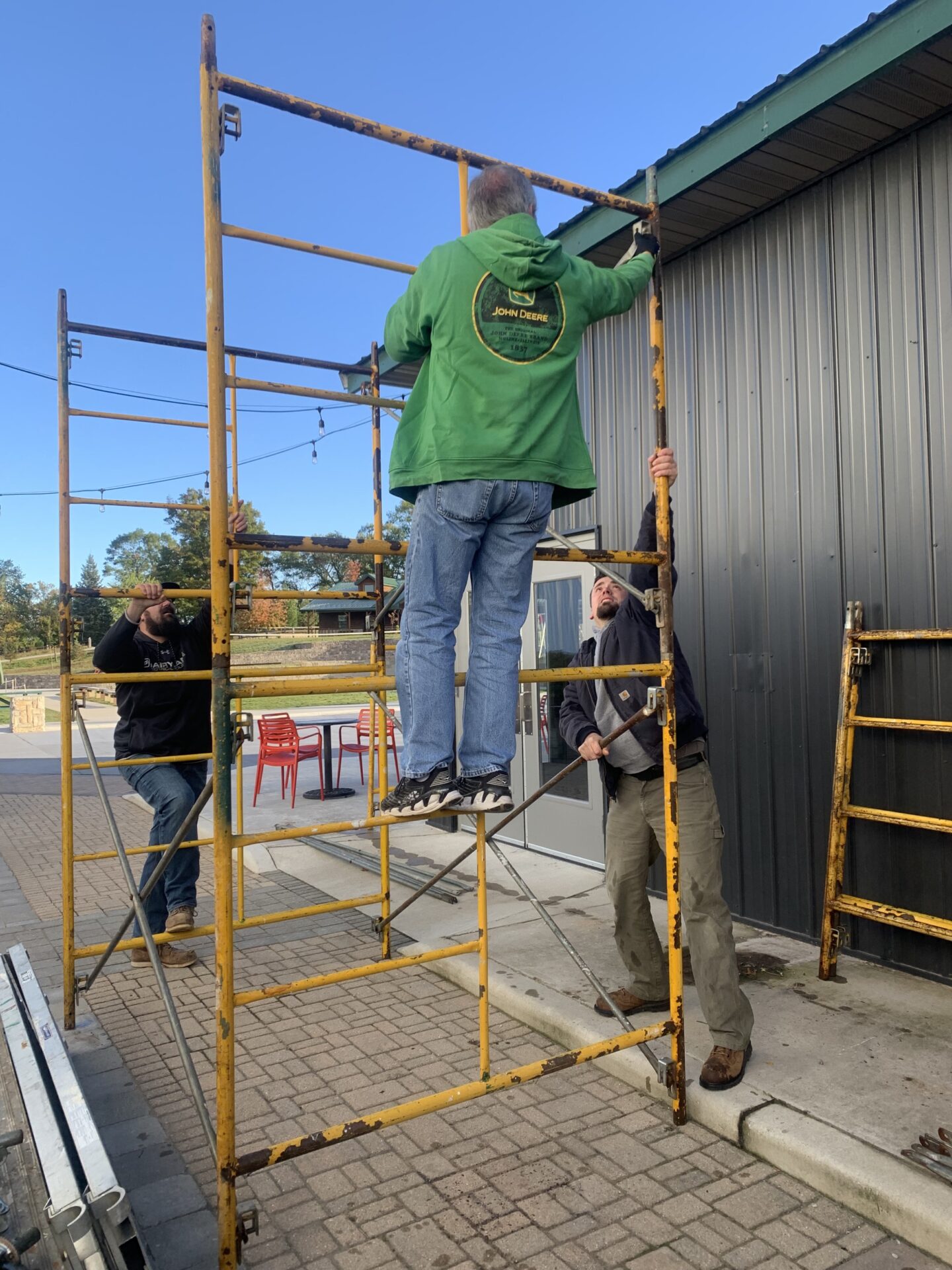

Thank you for joining us, giving up a portion of your week to find and meet a need in your local community. We love getting to serve with an increasing number of industry friends, both near and far.

Here are a few moments and reflections captured throughout the week. Rain or shine, this is a community determined to make an impact in their spheres of influence.
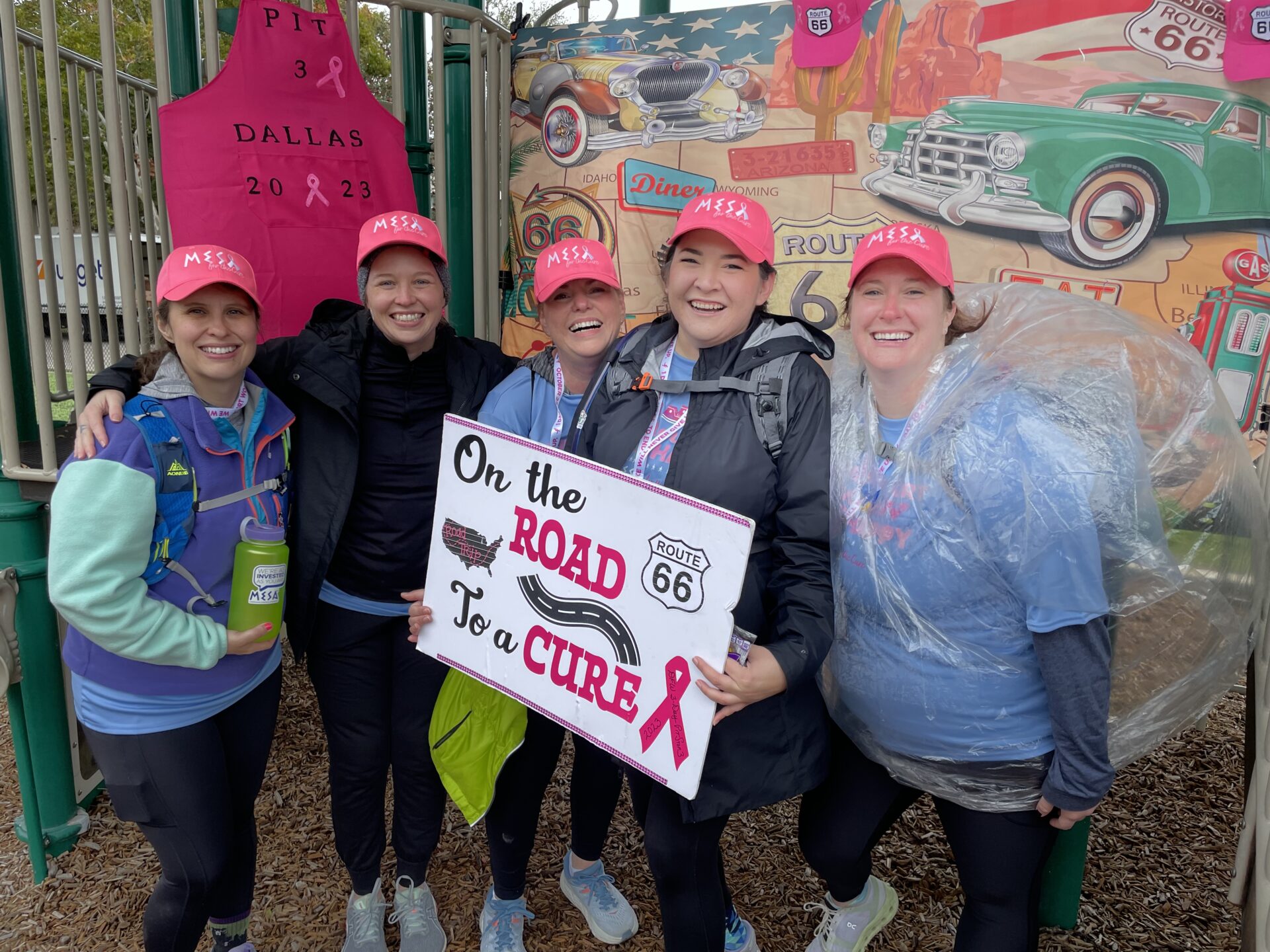
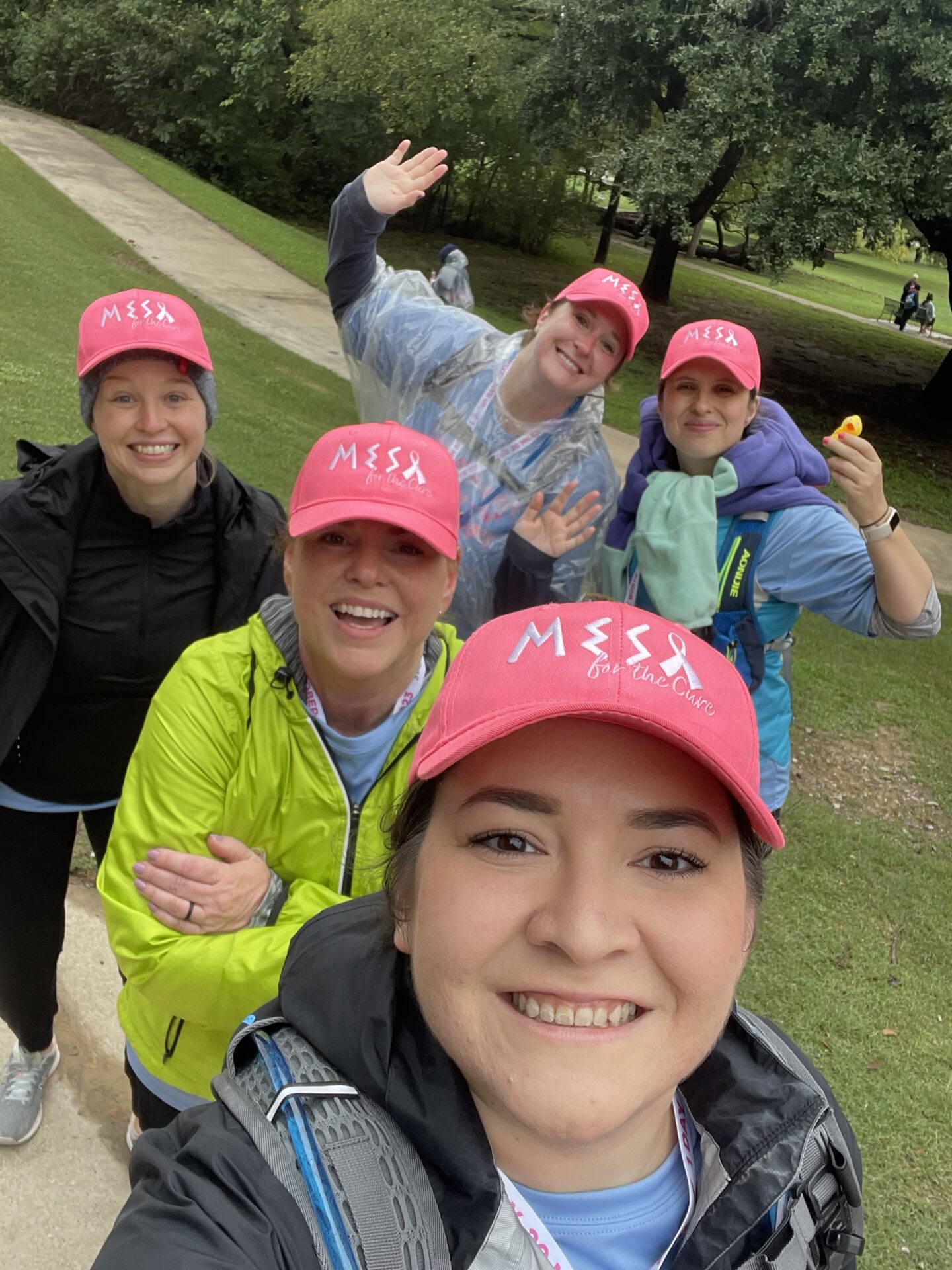
A group from MESA walked 20 miles together as part of the Susan G. Komen 3-Day in Dallas, TX.
“Our shirts said, ‘our feet may be sore, but our hearts are happy!’ and that is the truth. It was a cold and long day, but we were glad to be a part of the over 600 walkers working to end breast cancer…one step at a time!”
– Amanda Shank, MESA Products
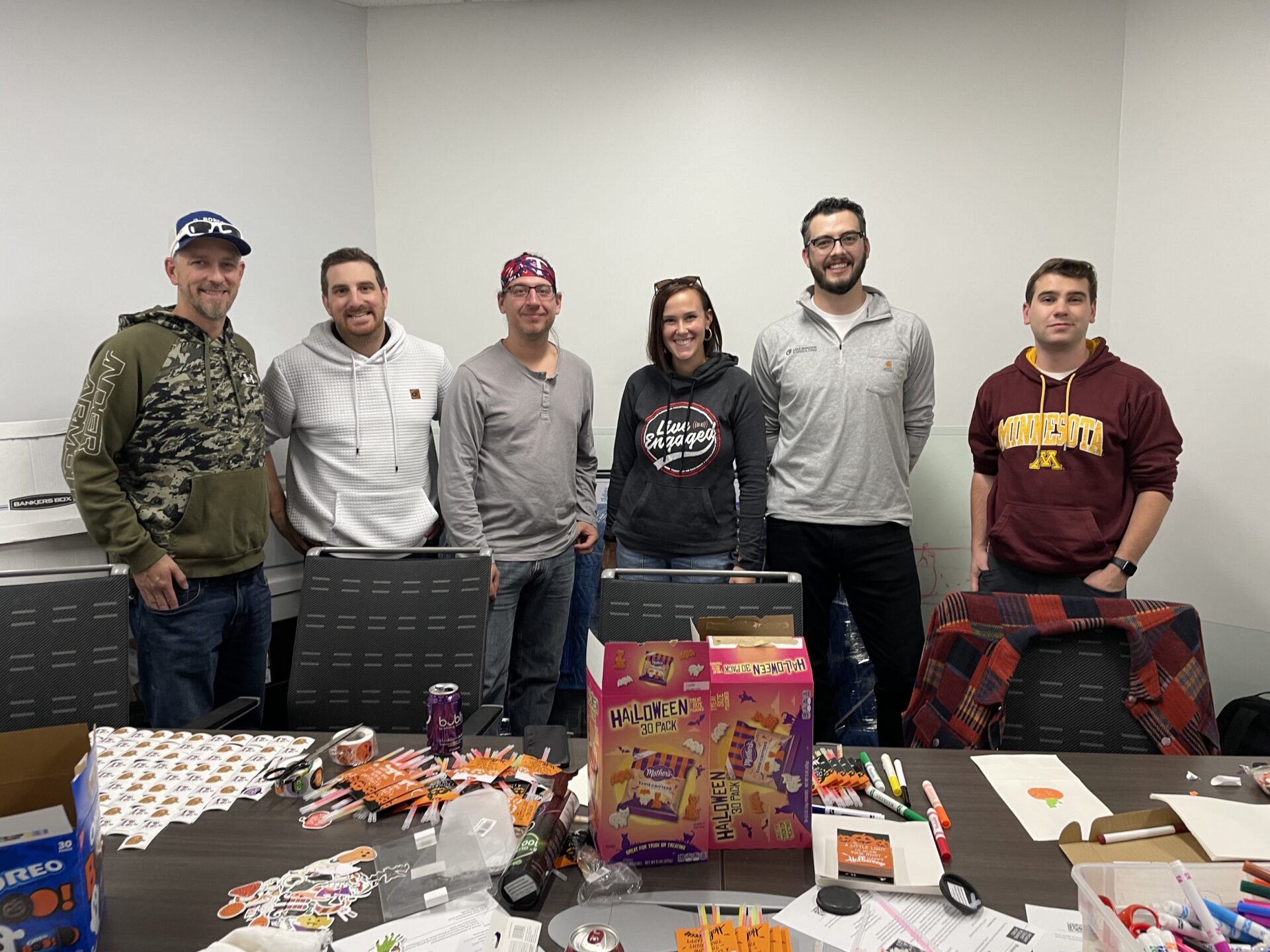
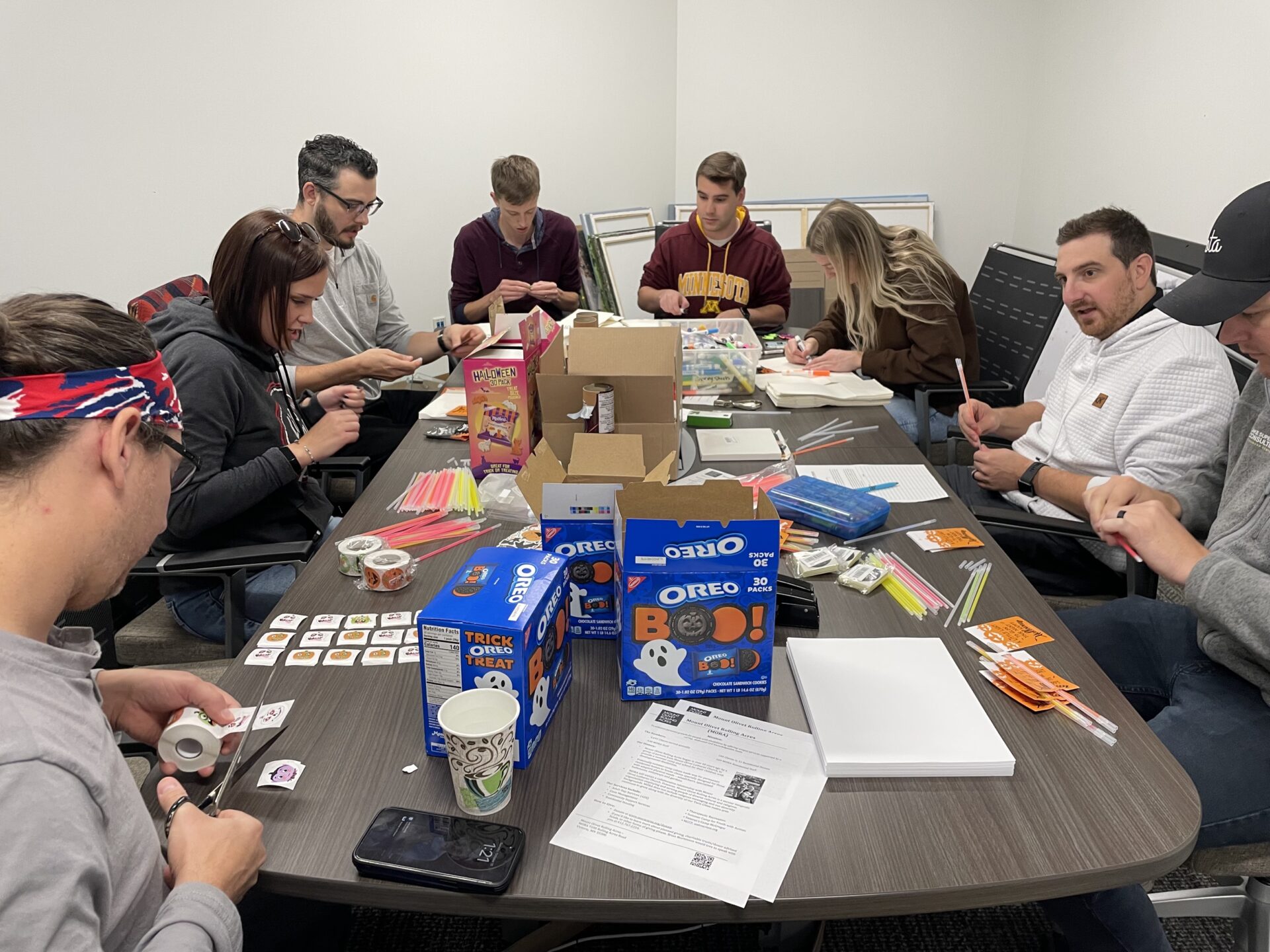
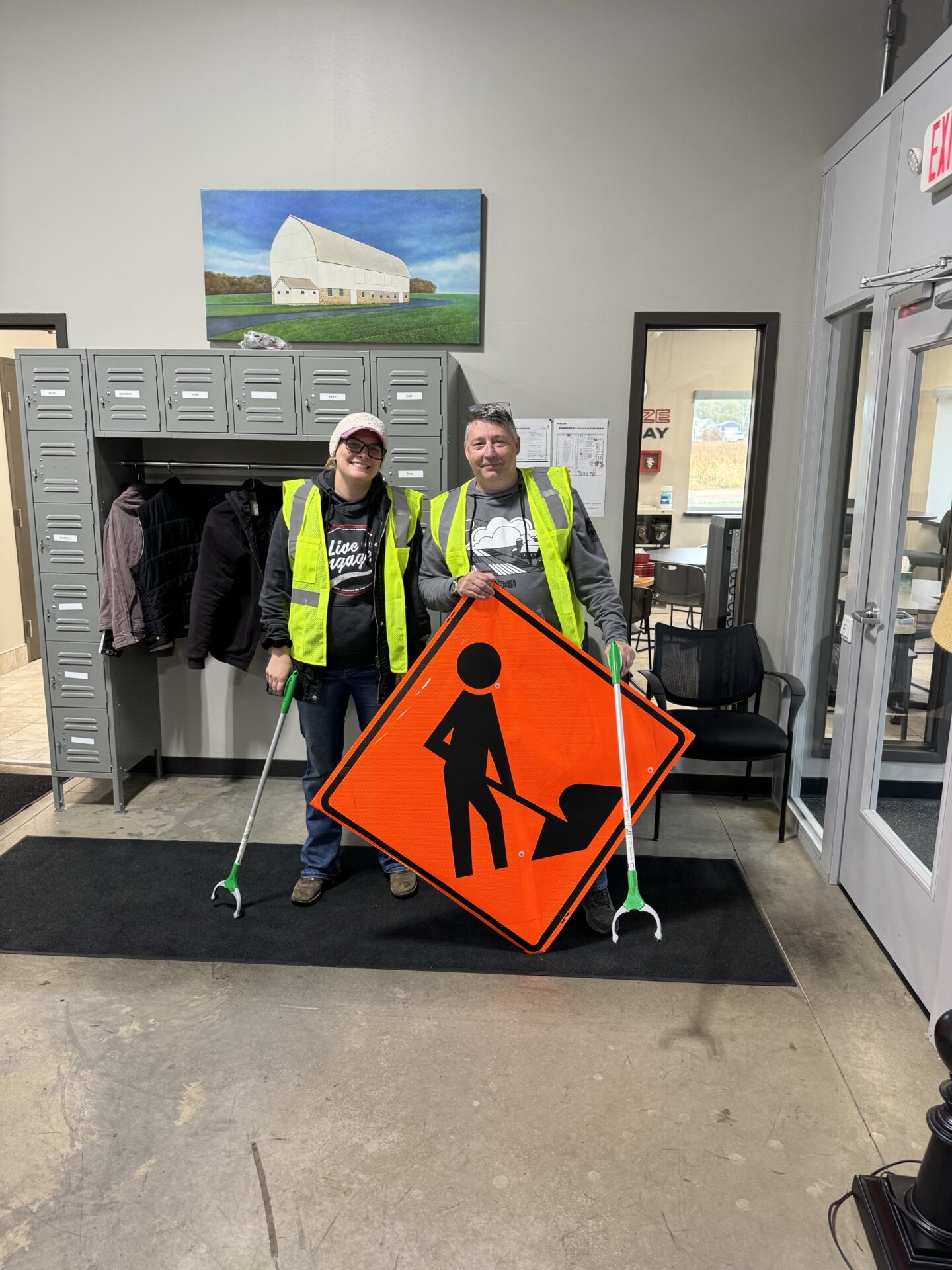
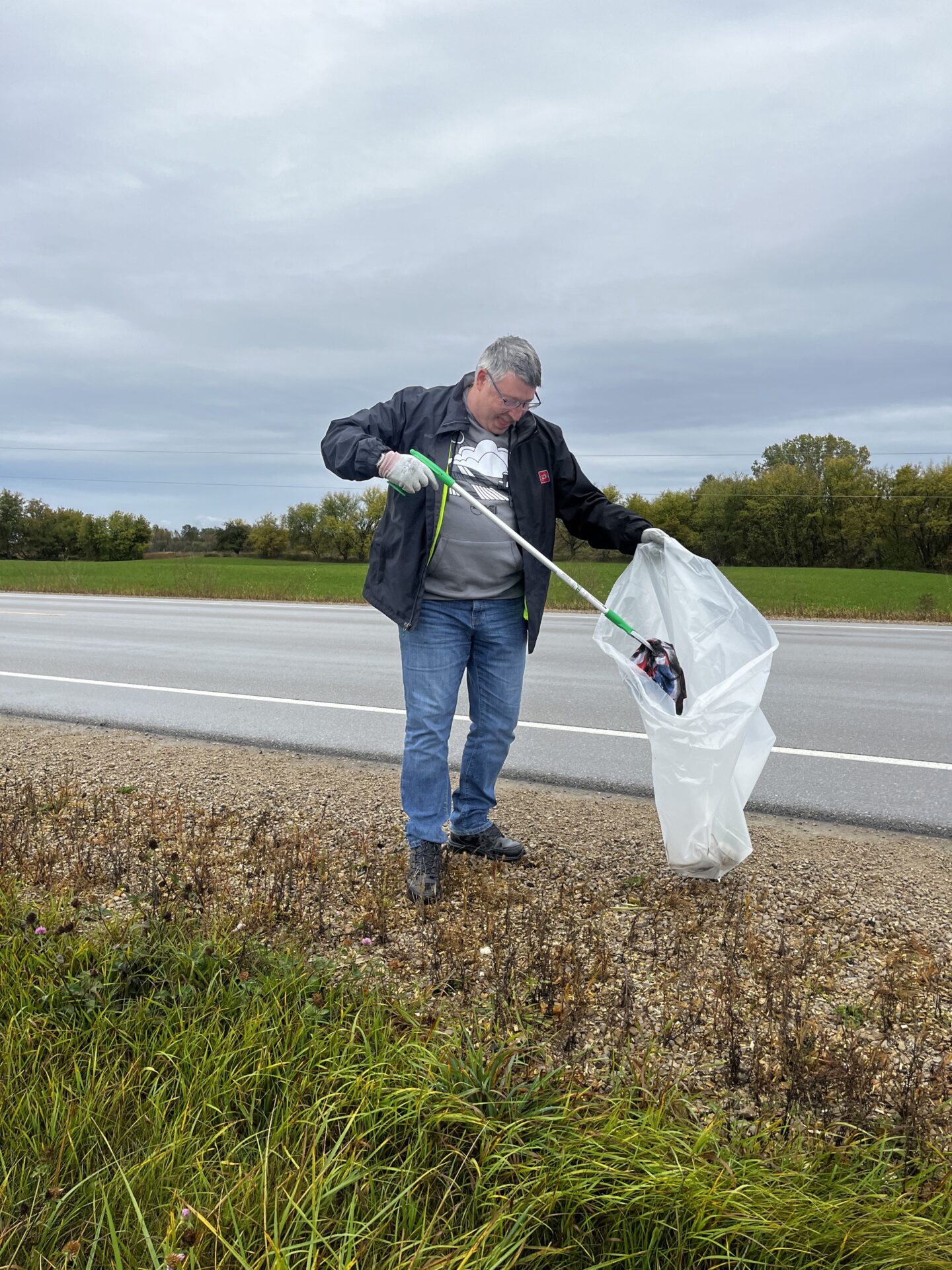
LSC team members from multiple offices volunteered to clean up litter and support MORA, a nonprofit serving individuals with disabilities and mental health needs.
“LEVD was a great opportunity to come together as a team and make a difference for our communities.
– Raquel Carrillo, Lake Superior Consulting
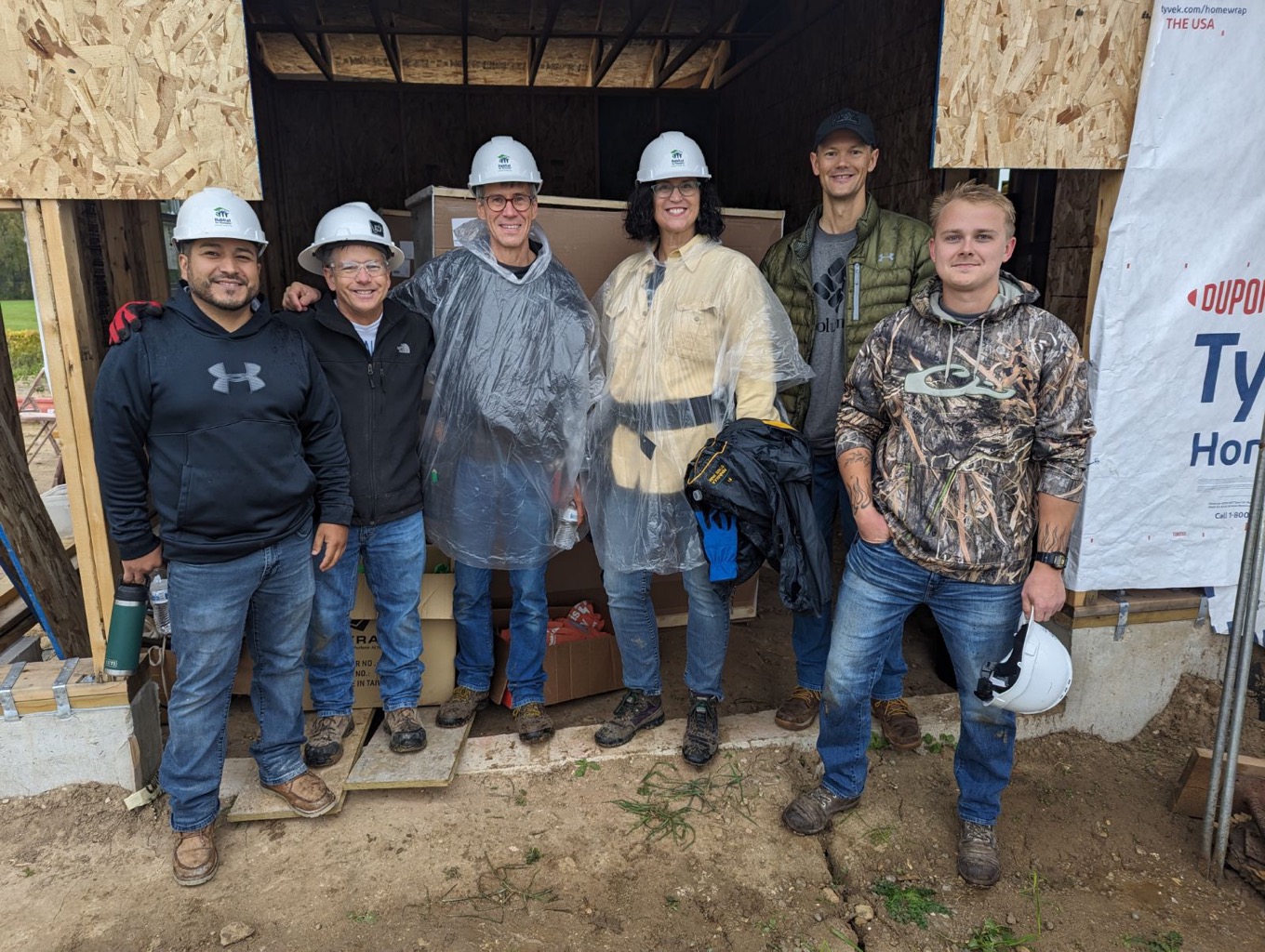
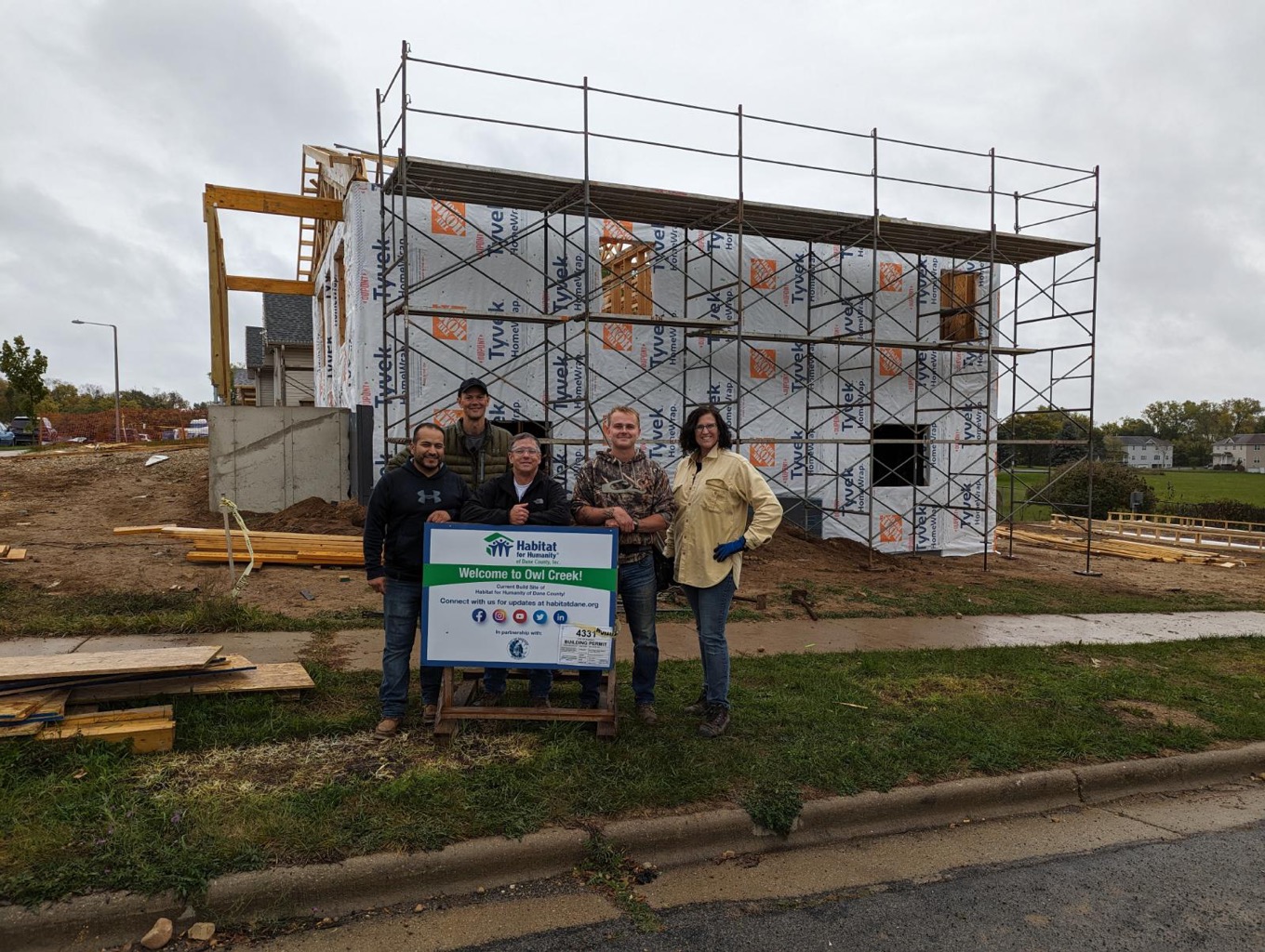
The Dairyland Business Development team helped build a home with Habitat for Humanity in McFarland, WI.
“Not only did I learn how to utilize new power tools, I was able to gain hands-on experience in various stages of building a house. This was a refreshing break from my daily routine at work, allowed me to work alongside my colleagues in an alternative way, and provided a sense of accomplishment and good feeling that we had a part in building someone’s new home that was down on their luck.”
– Cynthia Everhart, Dairyland Electrical Industries
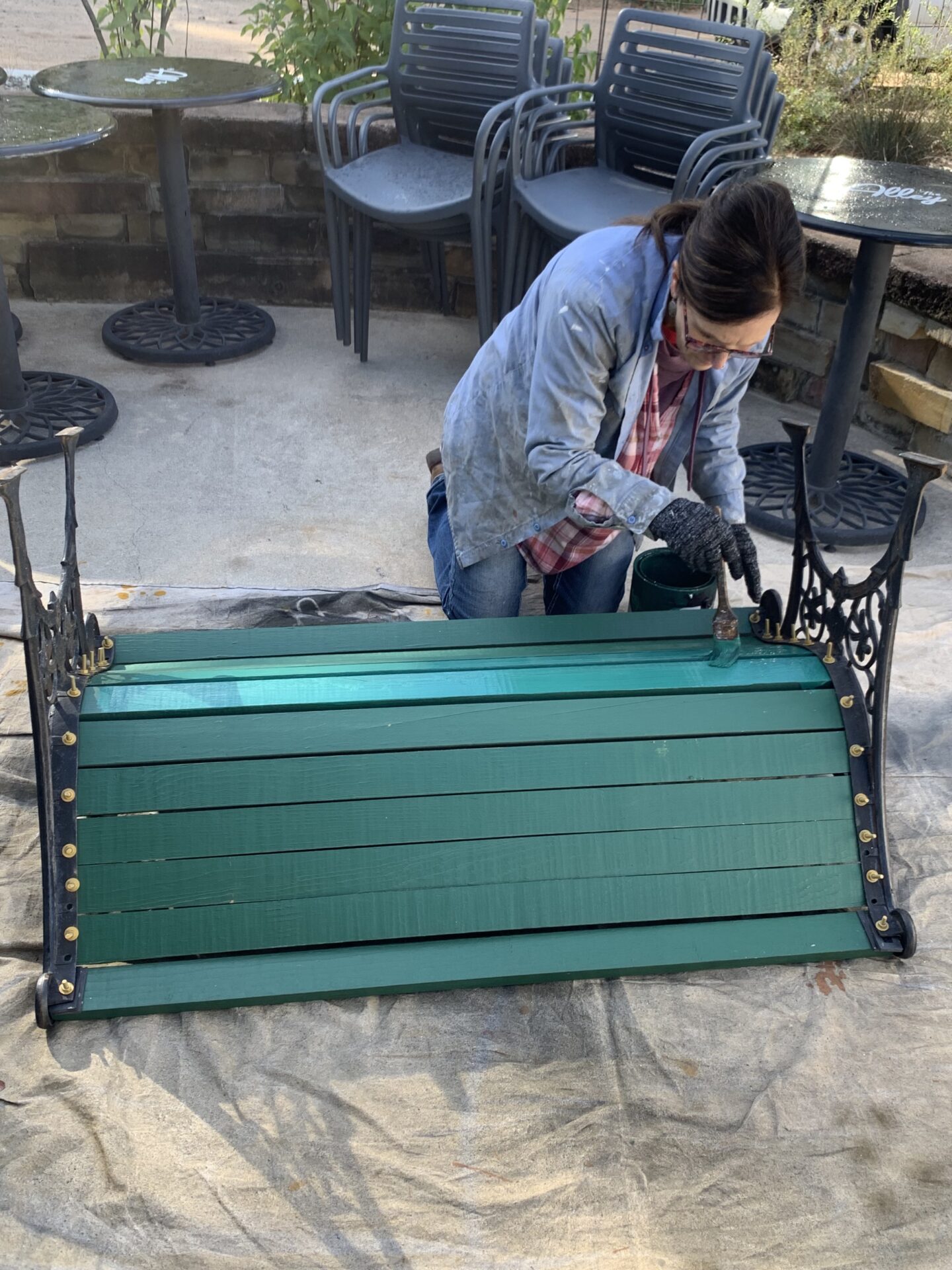
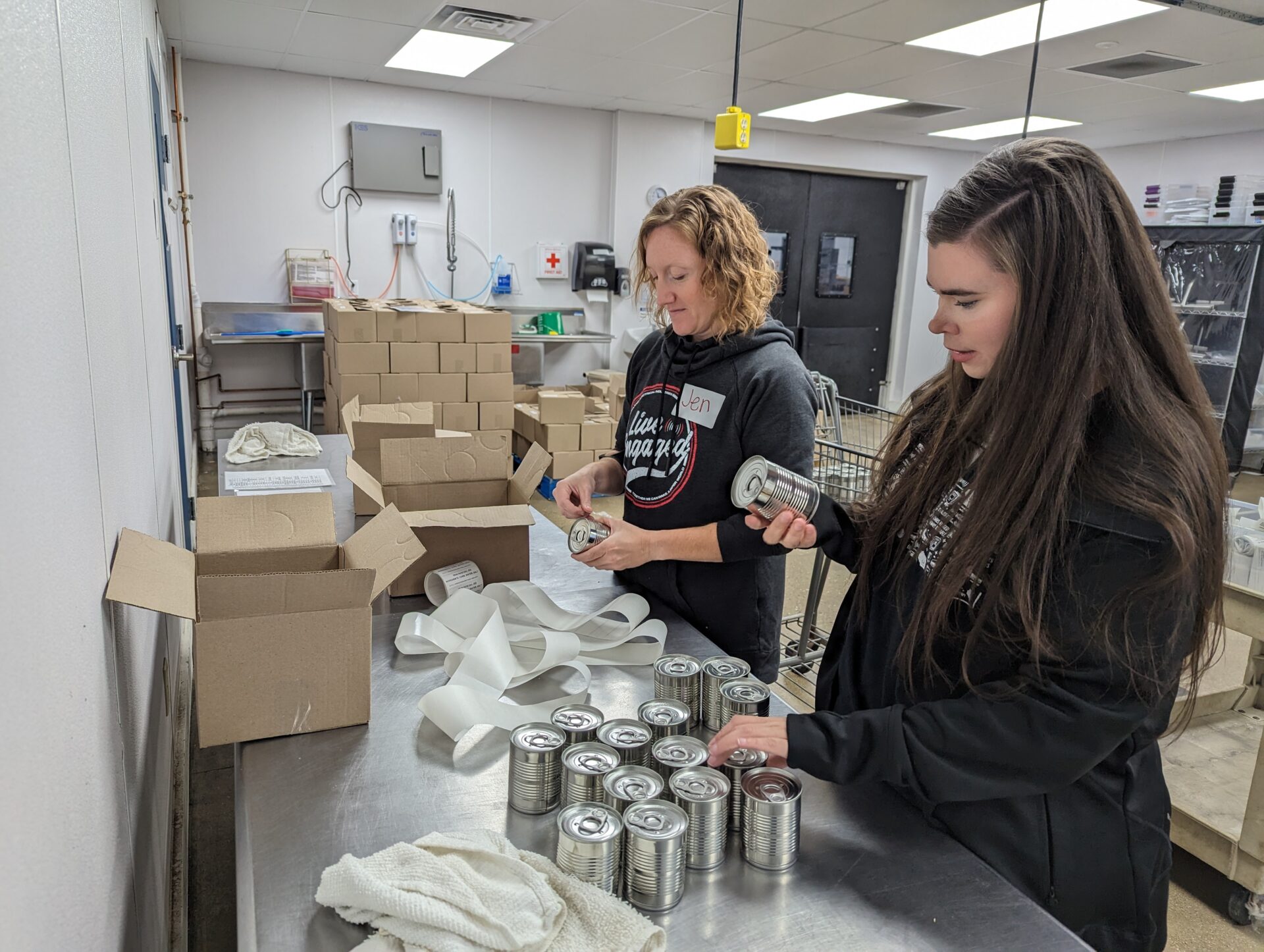
More photos from Dairyland team members:


Cheers until next year!
If you participated in LEVD and have photos you would like to share, please send them to LiveEngaged@dairyland.com. To stay engaged and up to date, join the Live Engaged Community.
Making a Safer World: that’s our vision as we strive to leverage business for good. Through products, technical support, and service, we keep people and infrastructure safe. But we are compelled to promote safety in other forms too, alongside carefully selected humanitarian groups who work to address human suffering, such as our partner, International Justice Mission (IJM).
Dairyland just committed to a three-year focused investment in one of IJM’s global field offices to “build a future without violence, where survivors can flourish without fear.” In this post, you will learn why this partnership matters to IJM and our team, and the possibilities it creates for survivors of violence.
What the Team Had to Say
When we were approached with the opportunity to deepen our engagement with IJM by partnering with a field office, we could not pass it up. The partnership will span at least three years, allocating funds and helping the Dairyland team immerse themselves in IJM’s work as informed partners.
To select a site that would be representative of Dairyland’s commitments and convictions, we asked all Dairyland team members to help us pick. After much deliberation and a tally of votes, it was determined that we will partner with the Guatemala Field Office (soon to become the Northern Triangle Office including Guatemala, Honduras, and El Salvador).
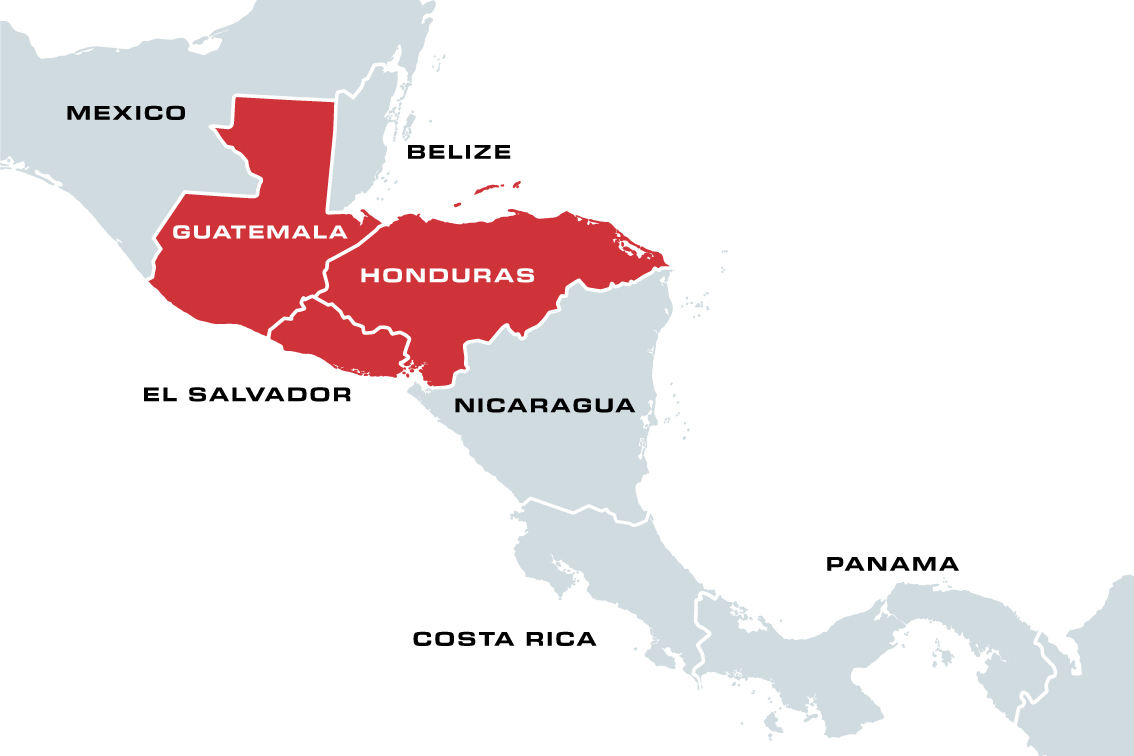
Here are a few excerpts from the Dairyland team about why partnering with the Guatemalan / Northern Triangle field office is important to them:
“No one wants to leave their home, but many are willing to take on the risks if they don’t feel safe in their own country…creating a safe home environment is the first step in saving countless lives. And that is in addition to the other work being done [by IJM] in this specific field office.”
“While circumstances are dire all over the world, there is something compelling about making sure your country’s neighbors are well – especially the individuals who are vulnerable because of realities beyond their control.”
“This could help lots of children not get drawn in and preyed upon.”
Guatemala’s Current Reality
Guatemala is a beautiful Central American country that has faced more than its share of political instability, violent crime, poverty, and other systemic challenges. A shadow side of the instability has produced rampant sexual violence against women and children without accountability for perpetrators. Analysis shows that 1 in 4 adolescent girls are victims of sexual violence, while 1 in 5 girls are sexually abused at least once. And while laws exist to prevent this, few are consistently enforced.
After years of advocacy and grassroots efforts by IJM, the Guatemalan government determined that change must become a priority and has taken on notable efforts to reverse this plight. Recognizing IJM’s expertise, the Guatemalan government established them as a respected partner and requested their support in model design, implementation support, data analytics, and more to provide survivor-centered care.
“To have all the services in one place helps the victim feel more at home and feel like other people will support them with legal matters—and will help them physically and psychologically—beyond just listening to their stories.”
—Scarlett, survivor leader with Mi Historia Importa (My Story Matters), a survivor-led movement supported by IJM.
IJM’s Operations
IJM has targeted interventions in what is known as “red zones,” areas that are especially dangerous and where the prevalence of violence is highest. Their team—comprised of lawyers, social workers, investigators, survivor advocates, and additional professionals—has worked tirelessly to understand the complex dynamics, apply their professional expertise, and advocate for victims in a trauma-informed manner. As a result, not only have victims been rescued, perpetrators held accountable, and survivors restored, but violence is being prevented and justice systems are growing stronger throughout the region.
Rather than abandoning efforts because of difficulty or cynicism, IJM has approached the situation with hope, perseverance, and collaboration. Transformation is no longer hypothetical; it is being measured with ownership from the Guatemalan government and is cause for celebration.
What’s Ahead
IJM now has a proven model of success showing that systems can be reformed and be successful at protecting vulnerable women and children. Now it is time to scale for greater and more widespread impact throughout the region. Funding & support partnerships, like the one between Dairyland & IJM, will support the establishment of a Center of Excellence which equips partners and government agencies to scale the work in an accountable and unified manner.
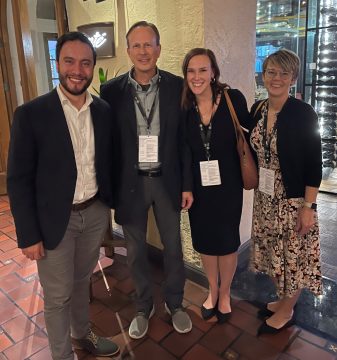
Over the next three years, Dairyland will seek to not only support IJM’s Northern Triangle team financially, but also through personal relationships, encouragement, and curious learning. Interestingly, we already have a head start! Last year our President Mike Tachick, Board Member Julie Tachick, and EVP of Culture & Formation Kailey Dharam met and talked with IJM’s Regional VP of the Northern Triangle, Juan Miguel Rivera (pictured right). We look forward to more personal touchpoints in the months and years to come!
Don’t miss an update! Follow us on LinkedIn, Instagram, or Facebook to continue learning how this and other efforts help make a safer world.
At Dairyland, we cultivate innovation to deliver rugged and reliable solutions.
Addressing a wide range of complex electrical problems, we engineer our highly specialized products to provide safety protection for assets and personnel across numerous industries. Backed by third-party certifications to standards around the world, Dairyland manufactures products to the highest quality, ensuring unmatched performance.
Product innovation has played a key role in Dairyland’s success for over 40 years. In 1983, Henry Tachick started the business with a creative solution to an industry problem, and innovation has remained a core value of Dairyland’s business ever since. Our solution-oriented mindset is key part of our commitment to serving customers with rugged and reliable solutions, and it starts at the very beginning – with our new product development process.
We are dedicated to understanding our customers’ needs and providing reliable products and service. If a solution to your problem does not yet exist, we’ll work to find one. Connect with us or call 608-877-9900.
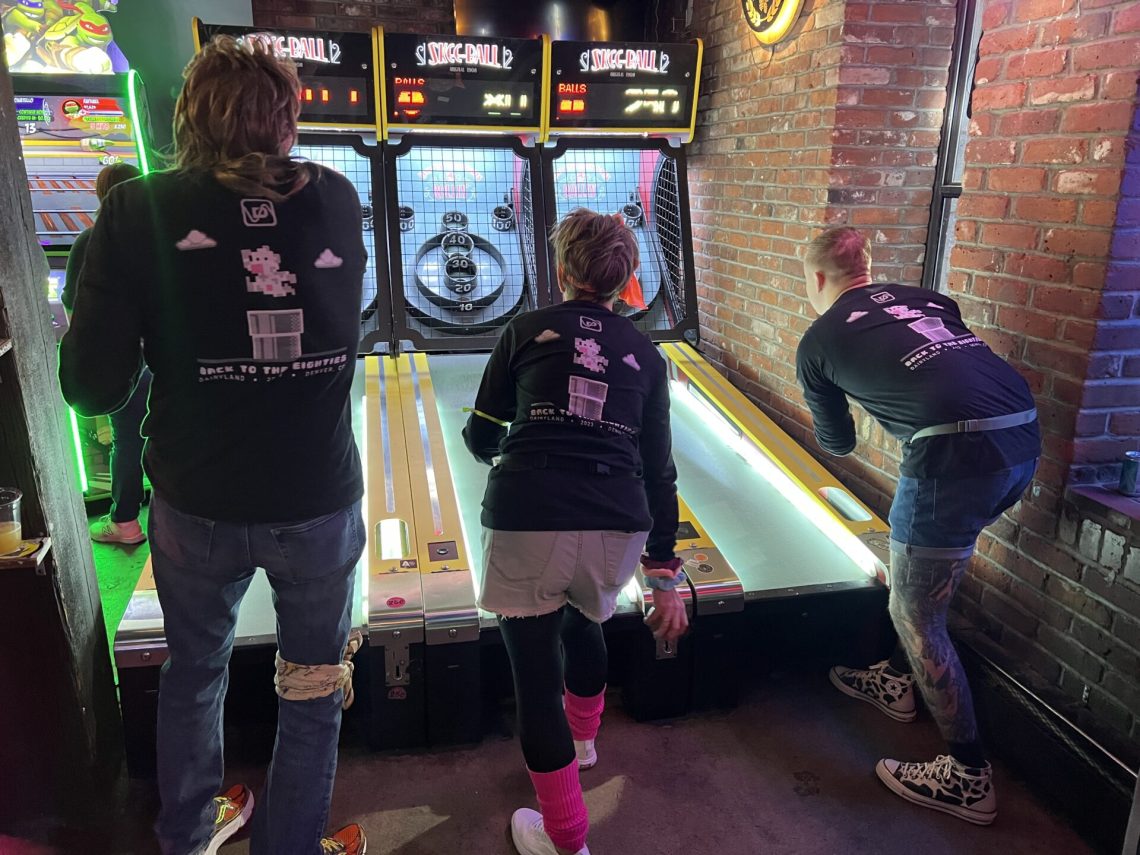
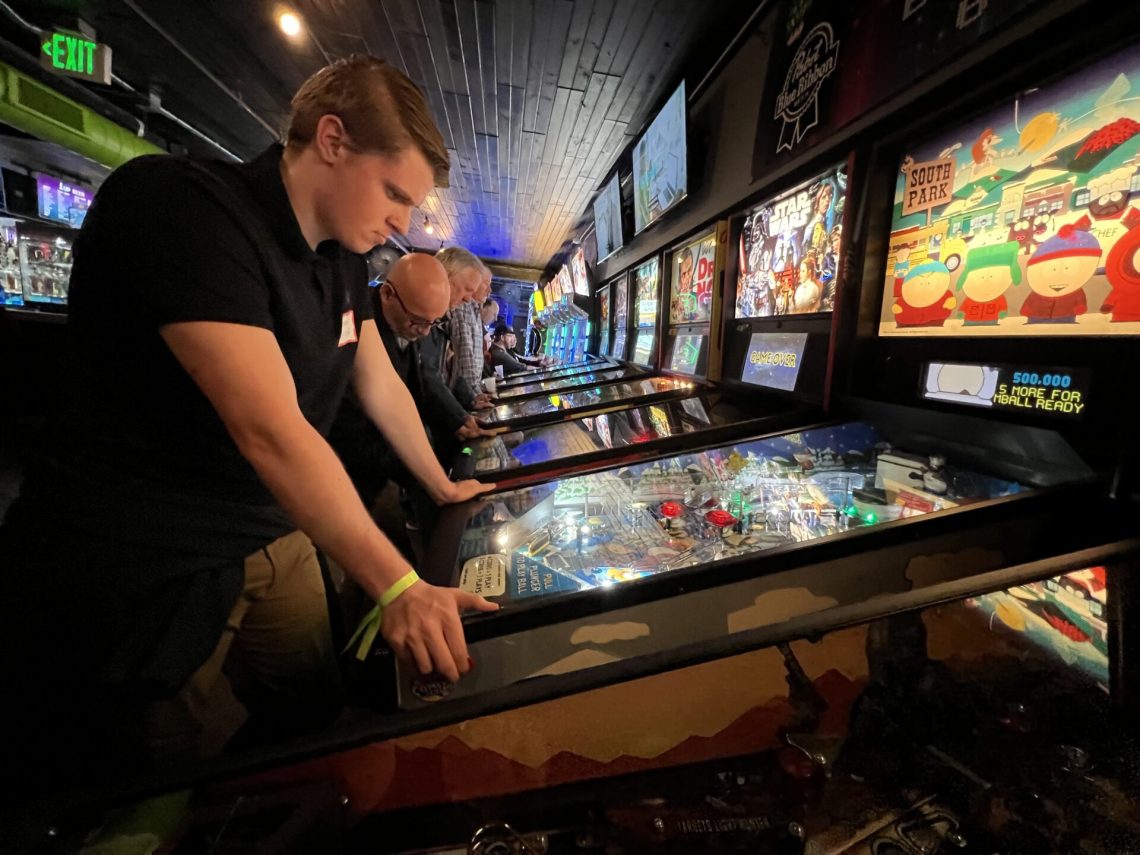
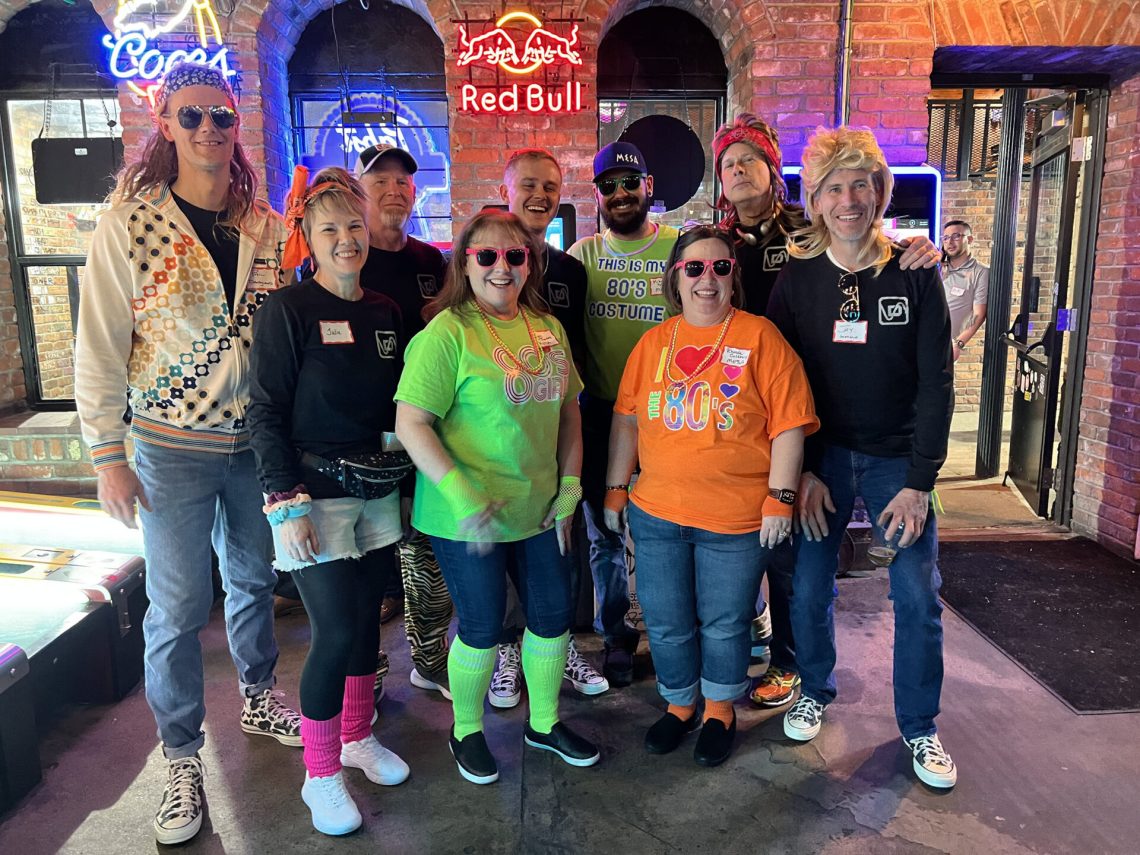
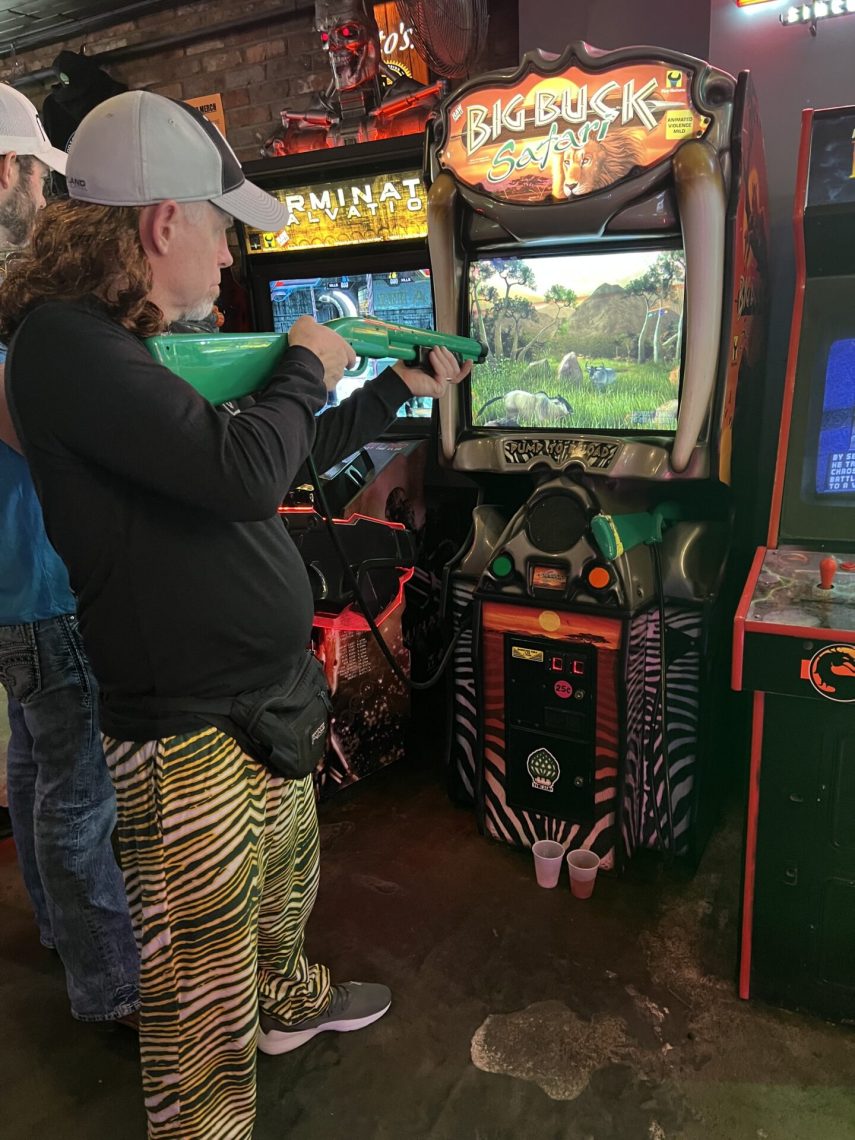
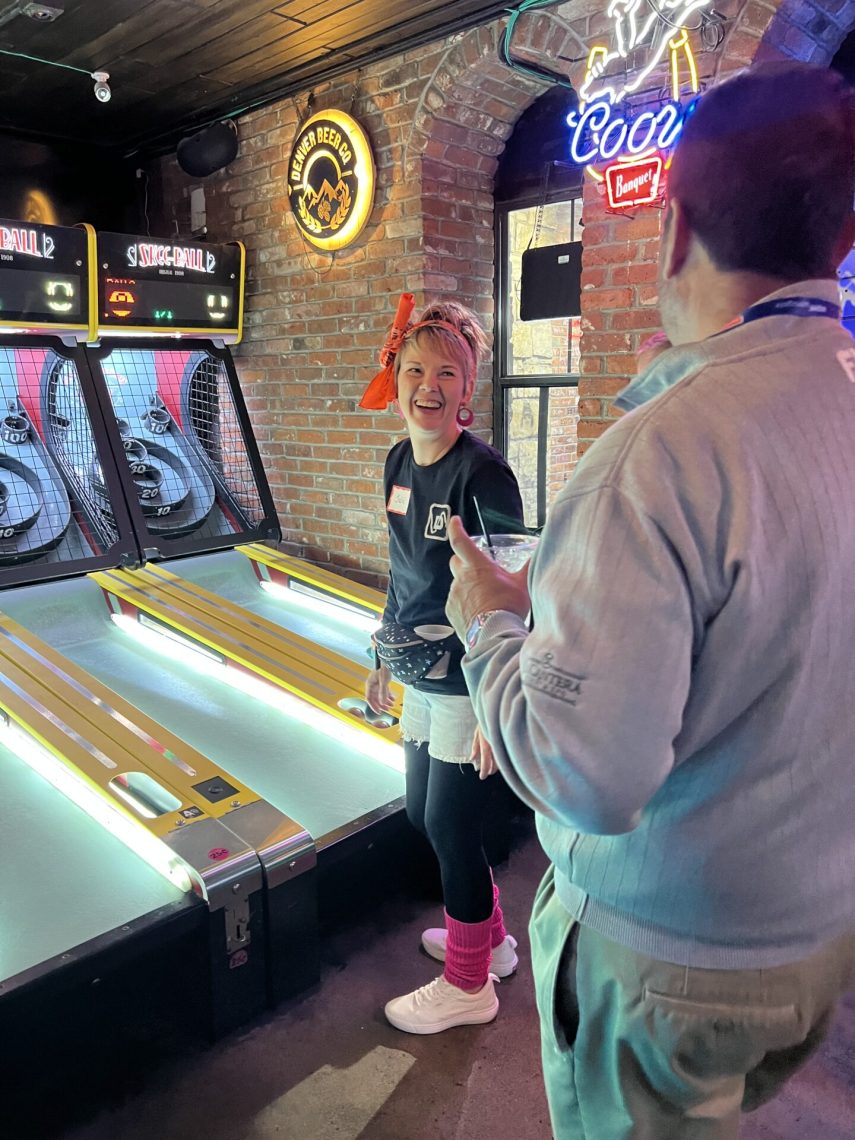
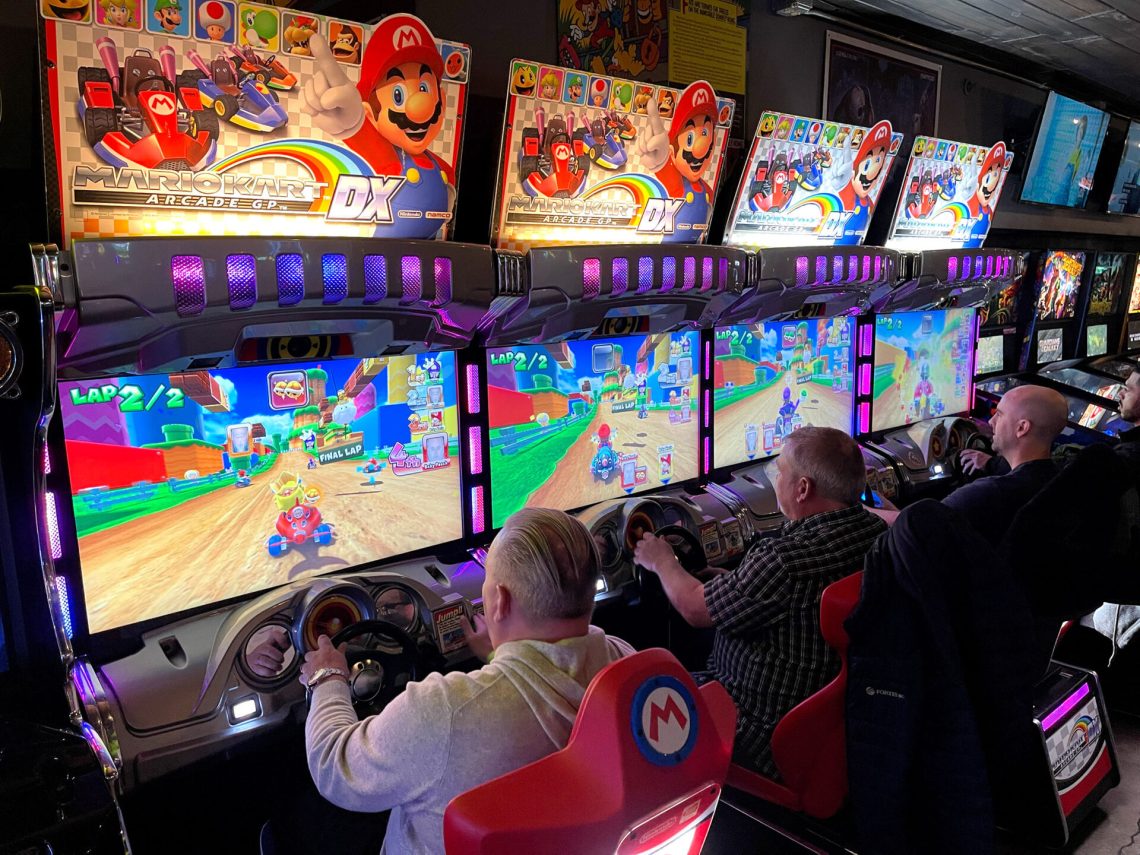
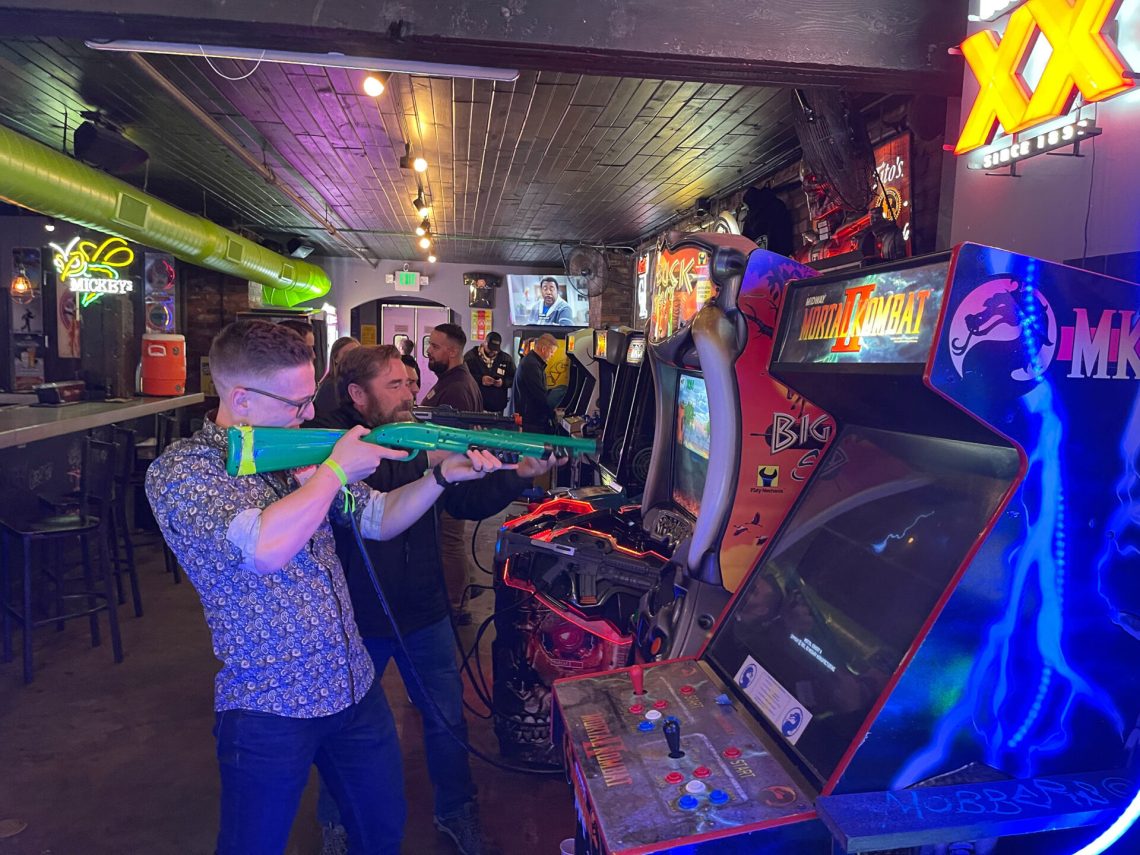
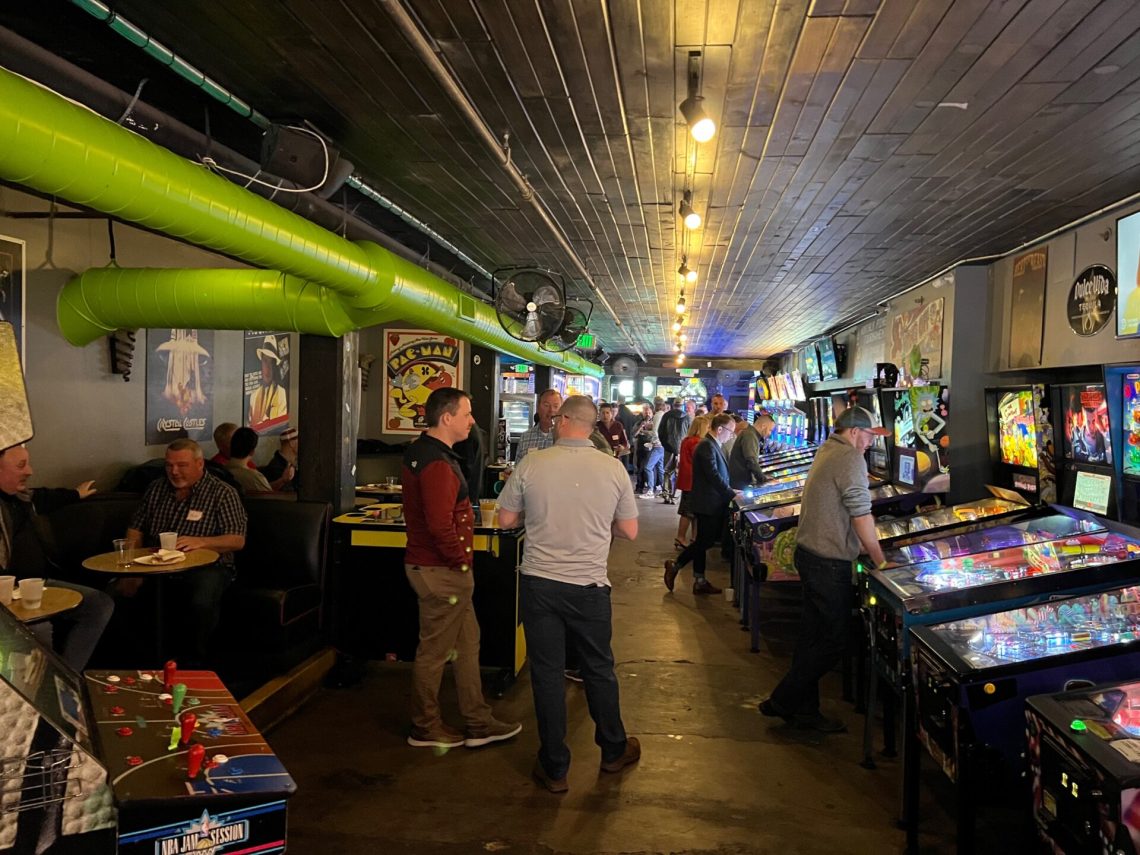
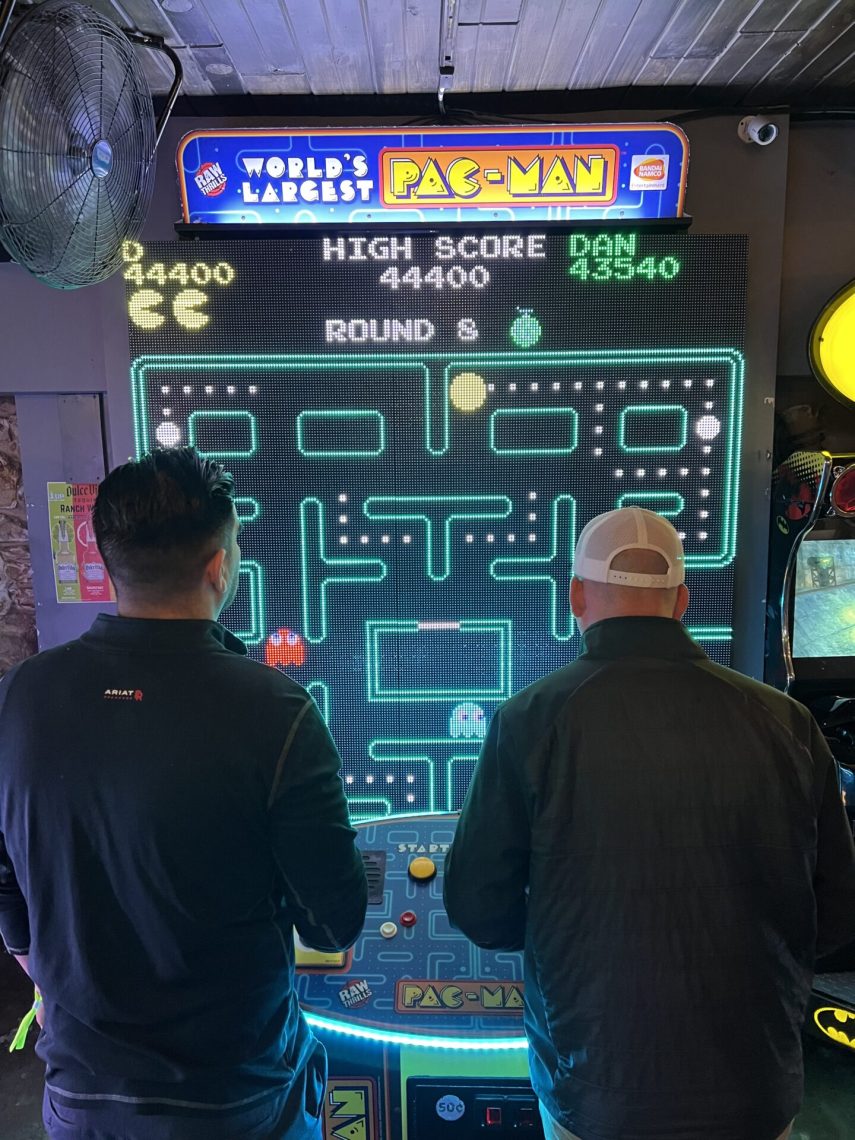
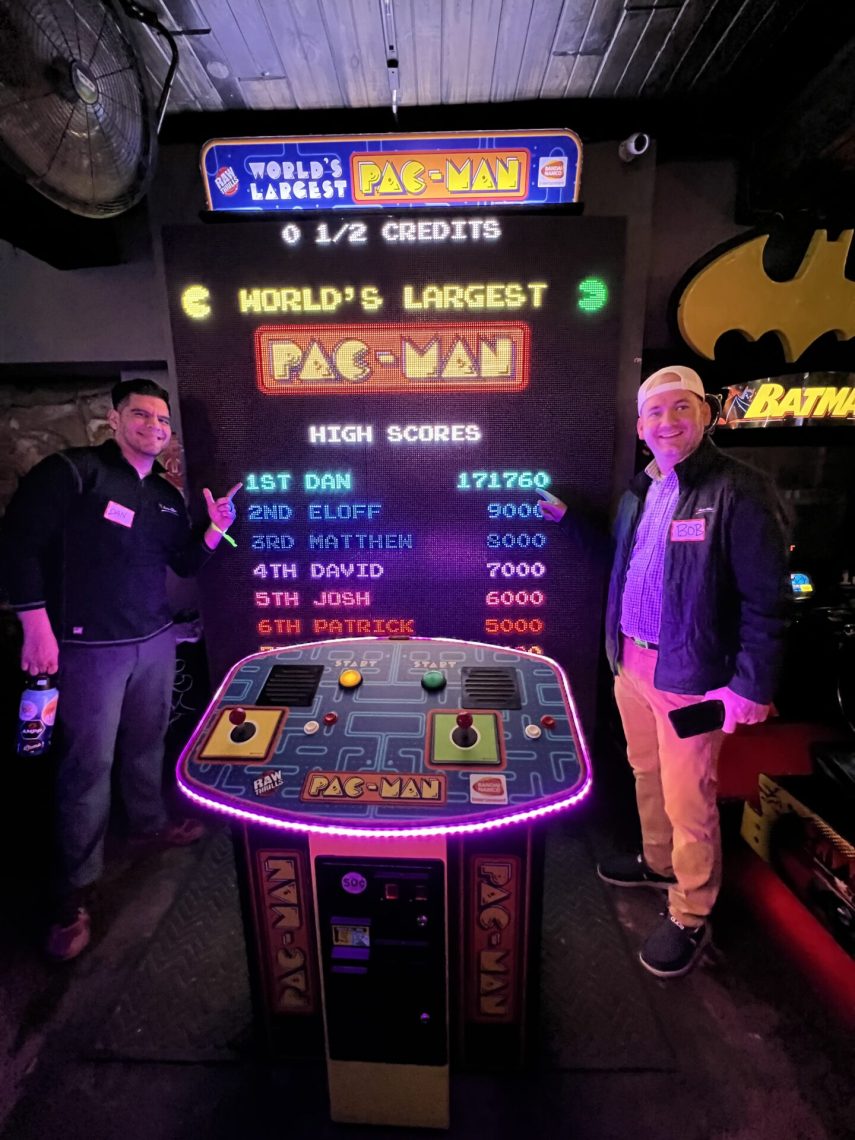
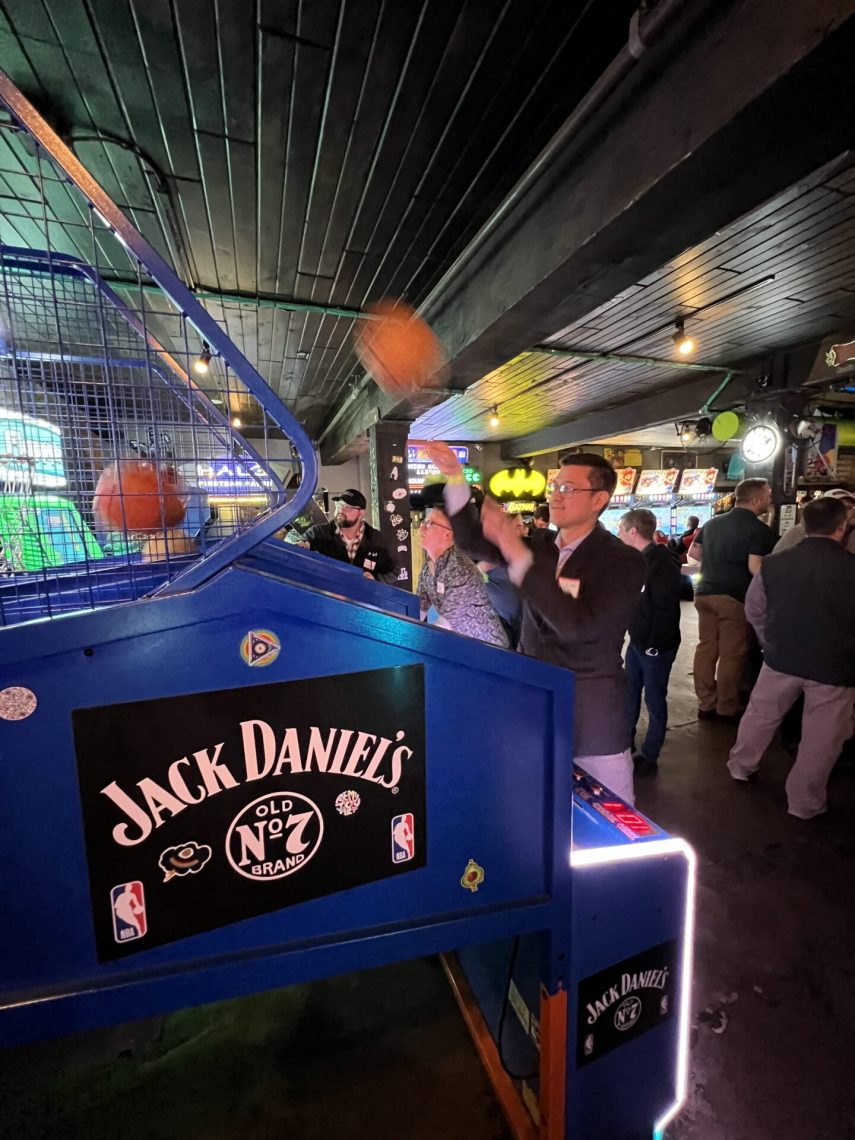
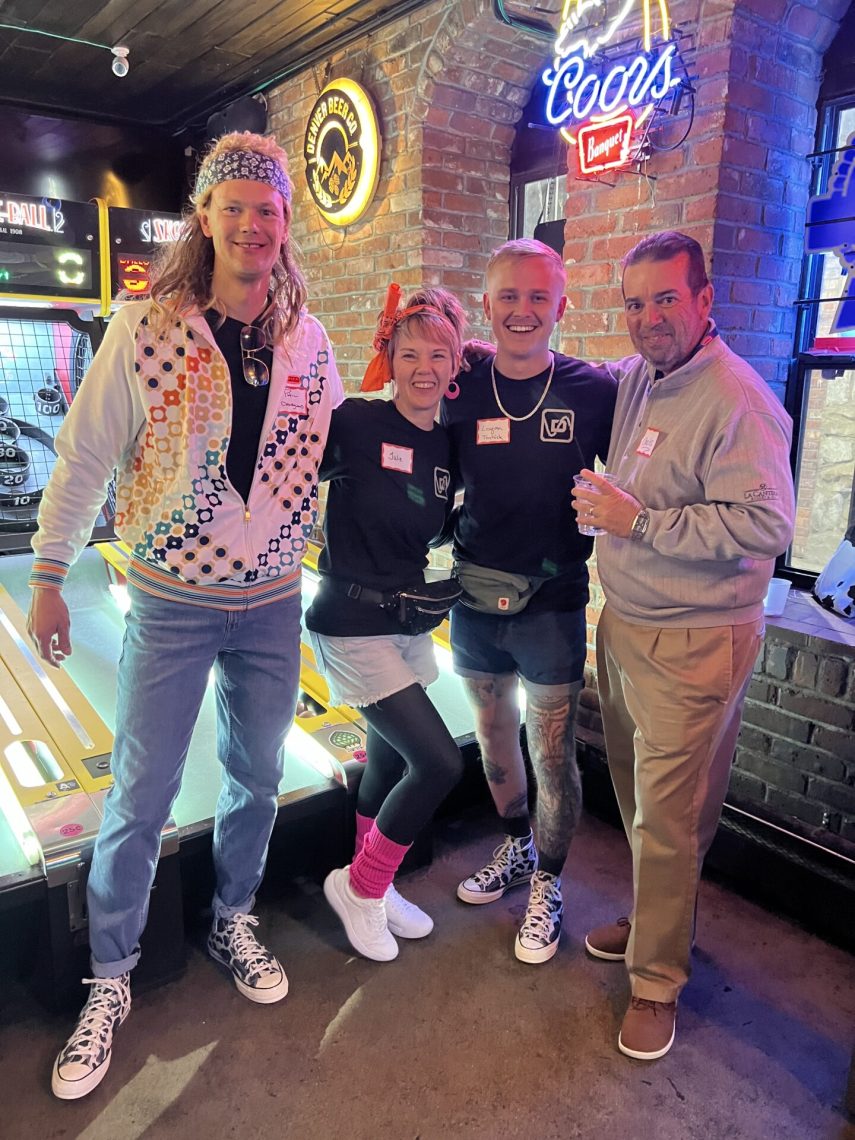
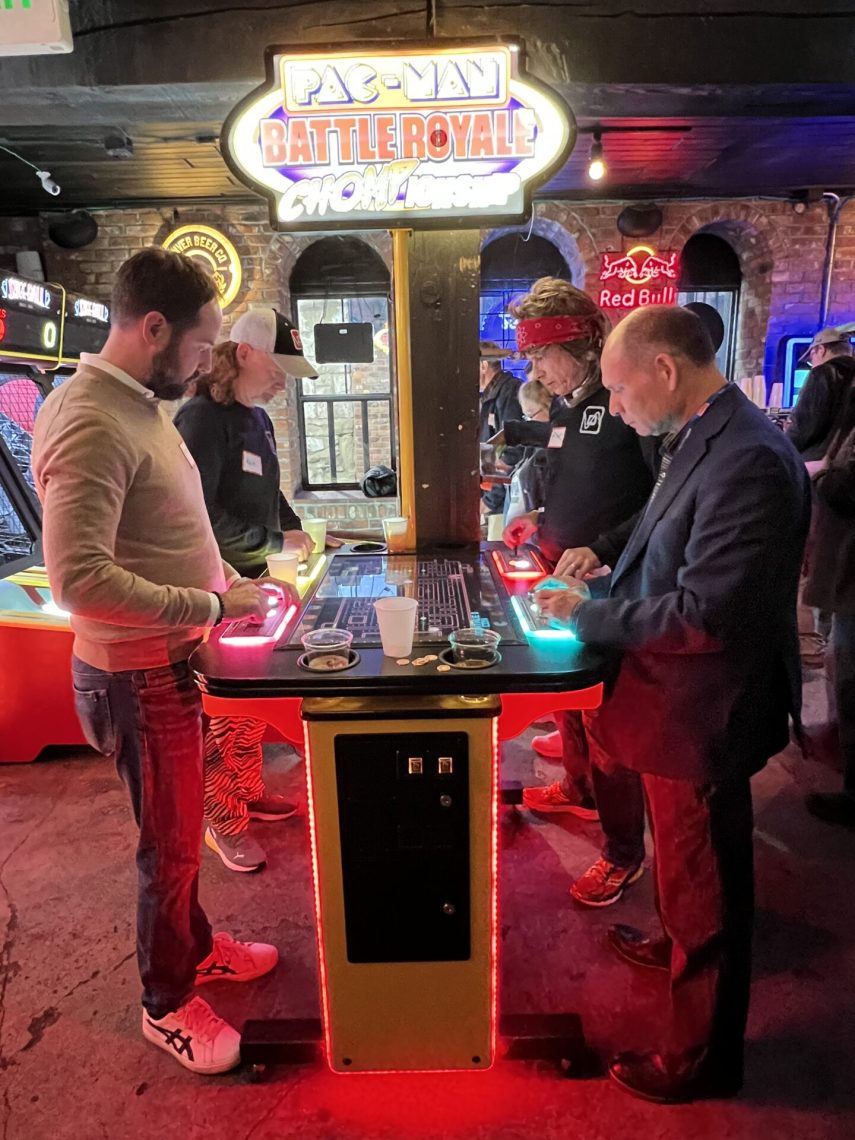
This March, Dairyland hosted an 80s themed customer appreciation event at the 1UP Arcade Bar in Denver, CO during the AMPP Annual Conference + Expo 2023. It turned out, all we needed for a stellar night out was pizza, arcade games and excellent company. Check out some photo highlights from the event:






At Dairyland, we want recognition to be a strong thread of our culture. One of the ways we recognize our people, their contributions, and the experiences we share together is through patches.
The power isn’t in the embroidery, but in what the patch represents. Given with intentionality, it becomes a tangible marker of a moment that is noticed and celebrated. 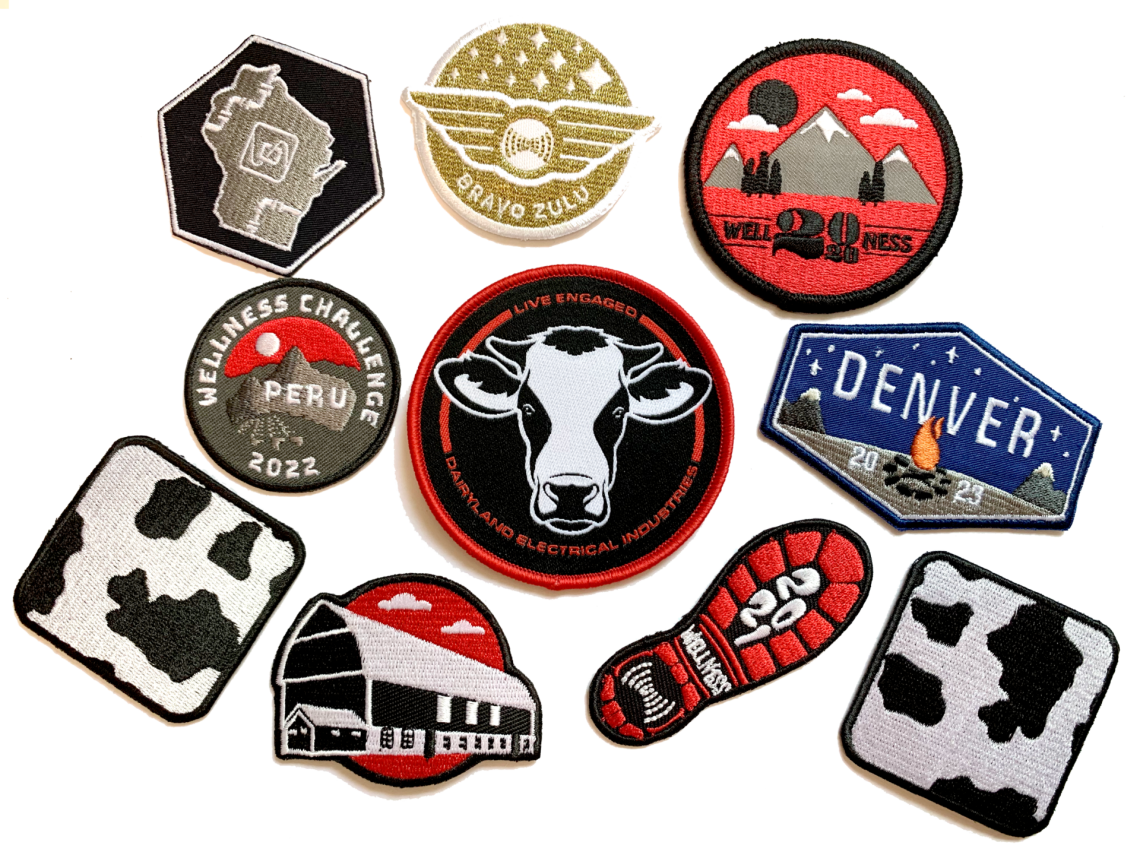
When someone joins the Dairyland team, they get a backpack and welcome patch. Over time, those bags fill up with bright symbols of kudos for delighting a customer, innovating a new value-add process, and so much more. Some of our team favorites include:
The Spot Patch
This patch is given by managers – or nominated by peers – to celebrate above-and-beyond efforts, contributions, creative ideas, and values-aligned solutions from a team member.
The Barn
This patch is earned for using all available volunteer hours for the year. Dairyland employees get paid time off to volunteer at a nonprofit that they care about and that strengthens their local community in a meaningful way.
Fun Fact: The original Tachick barn burned down one night in the 1940s. Soon thereafter dozens of people from the community set aside their own work to help rebuild it in record time. Decades later this barn became Dairyland’s first manufacturing facility. The “barn raising” reminds us of the power of community to show up for each other in hard times.
We’d love to recognize our industry friends with patches of their own. By joining our Live Engaged Community, you can opt-in to our events like the annual Wellness Challenge and Live Engaged Volunteer Day and earn patches for your participation. It’s possible you may even find a special Community patch delivered to your door just for signing up! More details can be found here.
Designed to protect track-connected signaling and crossing warning systems from damaging AC faults
Madison, WI — Dairyland is pleased to announce the launch of its new Overwatch™ HEFPD product line designed to serve the railroad industry with rugged, engineered AC fault protection.
Railroad systems are increasingly required to operate in common corridors with power transmission and distribution lines, presenting new equipment protection challenges. Damaging AC faults caused by failure of power utility equipment on overhead power lines present high-energy, long-duration events that typical lightning surge protective devices are not capable of withstanding. These events pose a risk to track-connected signaling and crossing warning systems as well as other protective equipment.
To address these concerns, Dairyland is pleased to introduce Overwatch HEFPD, a new class of product in the railroad industry. Designed using Dairyland’s decades of experience in high-energy applications, Overwatch HEFPD uses proven solid-state technology that can withstand the powerful, long-duration events caused by AC faults to keep your sensitive track-connected equipment protected.
Benefits of Overwatch HEFPD
- Provides protection from both high-energy AC faults and lightning surges
- Designed and tested to meet AREMA standard 11.3.7, as well as the applicable requirements of primary surge protection as defined in AREMA 11.3.1
- Built to withstand multiple AC fault or lightning surge events without failure
- Dairyland’s proven solid-state design prevents sparks and arcing
- Extensive third-party testing/verification

“Simply put, Dairyland knows AC fault and over-voltage protection. This has been our business for 40 years. We’ve had a similar product serving the rail industry for years, but the Overwatch HEFPD is specifically designed and tested to meet the demanding guidelines identified in AREMA’s new manual part to address high-energy faults. Today, we welcome the opportunity to serve railroad clients and consultants with this robust solution.”
– Mike Tachick, Dairyland President
About Dairyland Electrical Industries
Over a range of industries and applications, Dairyland has been applying the concepts of isolation, grounding, and over-voltage protection to standard and custom products since 1983. Dairyland deals with a wide variety of applications across multiple industries including oil and gas, power utility, railroad, and others where it is necessary to provide simultaneous isolation and safety grounding. Dairyland products isolate DC current, ground AC fault current and lightning, and protect equipment and personnel.
For years the Dairyland team has held an internal wellness challenge spanning May – October, often with a catchy theme and always with a healthy dose of competition. This year, we are opening the challenge to others in our Live Engaged Community to invest in our physical wellbeing.
The Challenge
The challenge runs May 1st – October 31st and totals 561 miles. That may sound like a lot, but if you complete 8,500 steps 5 days per week, you will be a challenge champion. Prefer to run or bike? You’re welcome to do that instead.
Tracking Note: 8,500 steps = 4.25 miles, 1,122,000 steps = 561 miles. You can lump steps/miles (e.g. if you miss a Tuesday and Wednesday, log 2 days on the weekend).
WELLNESS CHALLENGE SIGN UP
The Route
Disclaimer: The route below is an example path featuring stops that were instrumental to Dairyland’s start. We are not asking you to walk this exact route or travel to these specific sites; you can log your steps/miles on a road, trail, or park near you.
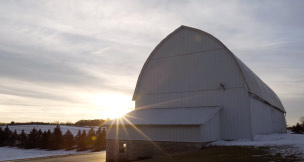
The Dairyland Barn: We will begin where Dairyland got its start – the milkhouse of the Tachick family barn in Pound, WI (Day 1). On the way to our next stop, pick up trash along 64, the highway Dairyland adopted and maintains.
Katie’s Subs: Refuel at our Manufacturing team’s favorite lunchtime spot in town (Day 2)
Lambeau Field: Take a tour of the famous home of the Green Bay Packers (Day 12)
Allen Bradley Lab: March toward the facility where we conducted some of our earliest product testing in Milwaukee, WI (Day 40)
The Windy City: Enjoy the beautiful skyline of Chicago, the 2nd site of early testing to make sure we continued delivering Rugged & Reliable products for our growing customer base (Day 64)
Northern Indiana: In the ‘80s a buyer of Neutral Isolators (our 1st product) started applying our products to isolate pipelines from grounding systems, leading to our most impactful safety product: solid-state decouplers (Day 102)
You Choose: For Live Engaged Volunteer Day 2023, join the industry by serving in your local community to meet a need that matters to you (Day 116)
Cincinnati Skyline: Catch a glimpse of our last big skyline of the challenge. You’re so close to the finish line! (Day 132)
Downtown Cincinnati: Congratulations, you made it! Cincinnati is where we exhibited for the first time at AMPP (formerly NACE) and Henry Tachick gave his 10-minute pitch.
The Reward
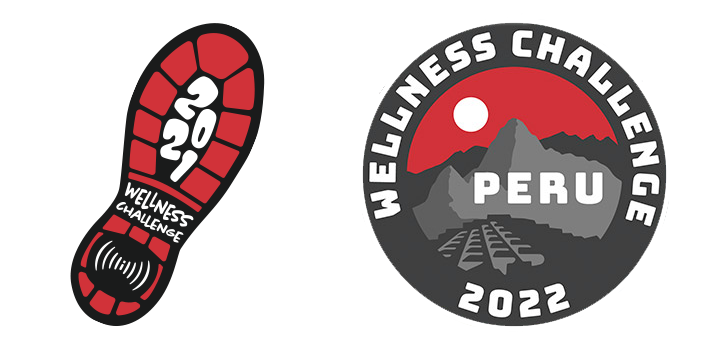
Patch examples from previous years
Participants who successfully complete the challenge will receive the 2023 Wellness Challenge Patch.
We challenge you to join us as we take care of our bodies, exercise in solidarity, and stroll through landmark locations in Dairyland’s 40-year history.
WELLNESS CHALLENGE SIGN UP
Are you up for the challenge? Sign up here to register and download the tracking sheet.
You can submit your tracking sheets to liveengaged@dairyland.com either on a monthly basis or at the end of the challenge. If you cannot download the tracking sheet after submitting the form, download here.
Introduction
The Pipeline and Hazardous Materials Safety Administration (PHMSA) published Part 2 of the Pipeline Mega Rules on August 24, 2022, with the new laws taking effect on May 24, 2023 (Reference Docket Number PHMSA-2011-0023). The following sections give some history behind the PIPES Act that generated the Mega Rule, and a high-level summary of the major portions of the latest rule installment, known as Part 2. Also included in this article is a summary of the new valve installation rules that went into effect earlier in 2022.
Rule updates such as these can be challenging as each operator applies them to their system. Dairyland wants to assure you that we are here to help you make decisions on how our solutions can be applied to meet these important safety updates. Our technical support staff is ready to support you in a variety of ways, and always offer free personal consultations to help customers decide how to apply Dairyland solutions to your system. This article aims to articulate ways we can help you with rugged and reliable products you have come to expect from us over the last 40 years.
Pipeline Integrity History
The United States Pipeline and Hazardous Materials & Safety Administration has had a transmission pipeline integrity emphasis for over 20 years, with the first major installment of pipeline-focused rules known as the Pipeline Safety Improvement Act introduced in 2002. The Pipeline Safety Act focuses on Federal Codes Part 192 and Part 195, reinforcing a risk management approach to the safety of natural gas transmission pipelines, natural gas distribution pipelines, and hazardous liquid transmission pipelines. This first wave of code updates was promulgated by a catastrophic pipeline failure in Bellingham, Washington in June 1999.
After a series of other significant pipelines failures in the late 2000’s, most notably the San Bruno, CA pipeline incident in 2010, PHMSA published an Advanced Notice of Proposed Rule Making (ANPRM) in August 2011, which was signed into law as the Pipeline Safety Act in January 2012. Additionally, a Notice of Proposed Rule Making (NPRM) was published in April 2016, with rules collectively known as the Protecting our Infrastructure of Pipelines Enhancing Safety (PIPES) Act, and was signed into law in June of 2016. An additional PIPES Act was also signed into law in December of 2020. The outcomes of the PIPES Acts of 2016 and 2020 was a planned separation of the proposed updates into three separate Rules, also known as Mega Rules.

Mega Rule – Part 1 – Issued October 2019
The major focus of this rule was for the reconfirmation of a pipeline’s maximum allowable operating pressure (MAOP) of previously untested natural gas transmission pipelines and pipelines lacking certain material or operational records. In addition, it required periodic assessments of pipelines not in High Consequence Areas (HCA’s), as well as other related provisions.
Mega Rule – Part 3 – Issued November 2021
Additional rules were created to ensure the integrity of onshore gas gathering pipelines that have large diameters and high operating pressures. An estimated 425,000 miles of onshore gas gathering pipelines are now being reported on and managed through the integrity management of transmission pipelines.
Mega Rule – Part 2 – Issued August 2022
The final rule of the PIPES Act was published on August 24, 2022, with the bulk of the requirements taking effect on May 24, 2023. This culmination of the PIPES Act generated the following statement from PHMSA Deputy Administrator Tristan Brown “The 2010 PG&E incident in San Bruno was a tragedy that we must never forget. This rule will help prevent future incidents by ensuring operators identify and repair threats more quickly and comprehensively, improving safety and mitigating climate impacts.”
This major rule update took over six years to come to fruition after many discussions with a diverse group of stakeholders including federal and state commissions, pipeline operators, citizen groups, and industry trade groups. This most recent update under the Mega Rule is focused on onshore natural gas transmission pipelines and has the following main components:
Management of Change
PHMSA determined that the existing Management of Change (MOC) requirements and industry practices were not sufficient and made changes to align the requirements with that of the existing MOC standards in the ASME/ANSI B31.8S standard titled “Managing System Integrity of Gas Pipelines.” Specifically, as outlined in the standard section 11, the MOC process must address technical, design, physical, environmental, procedural, operational, maintenance, and organizational changes to the pipeline or processes, whether permanent or temporary.
Corrosion Control
Installation of Pipe in the Ditch and Coating Surveys
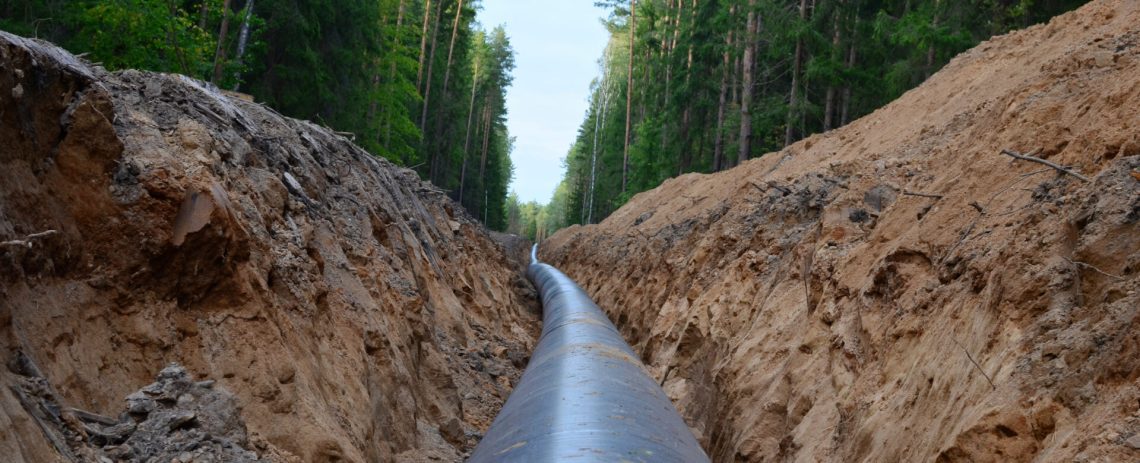
PHMSA has identified that construction practices, including the installation of pipe into the ditch, can result in damaged coating that can compromise corrosion control. The rule now requires that operators perform coating assessments to identify any damage promptly after pipe backfilling and to remediate any damage found. In addition, language has been added to require that pipe coatings have sufficient strength to resist damage during installation and backfill operations. The code specifies that any installation, repair, or replacement of natural gas pipelines greater than 1,000 feet in length will need a coating survey to be performed within six months after putting the pipeline into service. These surveys include both ACVG and DCVG, and any indications that are classified as severe, according to NACE SP0502, must be remediated appropriately.
Interference Surveys
Specific requirements to monitor and mitigate detrimental AC & DC interference currents have been added to subpart I of Part 192. Interference surveys are now required when periodic monitoring indicates an increase in stray current, or new stray current sources are introduced. Sources of stray current can include co-located pipelines, structures, or high voltage alternating current (HVAC) or DC power lines, including from additional generation, a voltage up-rating, additional lines, new or enlarged power substations, or new pipelines or other structures. Additionally, a remedial action plan is to be developed if the interference current is greater than or equal to 100 amps per meter squared. Identified remedial actions are to be completed within 15 months after completing the interference survey where the deficiency was identified and operators must apply for any necessary permits within six months of completing the interference survey. The rule gives allowance to complete remedial actions within six months of obtaining the necessary permits.
External Corrosion
The annual monitoring of pipeline cathodic protection (CP) levels will now include additional requirements related to specific actions and timing of remediation when deficiencies are noted. When a deficiency is identified, it is now a requirement for a close-interval-survey (CIS) to be completed when systemic causes are identified. The CIS needs to be completed both upstream and downstream of the “down” reading (i.e. not at or above required levels) and it needs to be completed with the current sources interrupted in order to obtain an accurate polarized potential of the pipeline. In addition, an interrupted CIS is to be completed after remedial actions are undertaken to ensure the pipeline potential readings are acceptable.
Remediation of any confirmed CP deficiencies are to be completed promptly, but no later than the earliest of the following: prior to the next required inspection or test interval; within one year, not to exceed 15 months of the inspection or test that identified the deficiency; or as soon as practicable, not to exceed six months, after obtaining any necessary permits.
Internal Corrosion
Onshore gas transmission operators that are known to transport gas with corrosive constituents are now required to evaluate the effectiveness their internal corrosion monitoring and mitigation systems at least once per calendar year, not to exceed 15 months. In addition, these same onshore gas transmission operators are to review their internal corrosion monitoring and mitigation program annually, not to exceed 15 months, and adjust as necessary to mitigate the harmful constituents.
Inspections Following Extreme Weather Events
Extreme weather has been a contributing factor in several pipeline failures, predominantly from floods, river scour, river channel migration, earth movement and hurricanes. The frequency and severe consequences of these events have raised the importance of inspecting potentially affected pipelines. PHMSA has amended the code to require operators to inspect potentially affected facilities within 72 hours after the event and when the area can be safely accessed. Adverse conditions must be remediated appropriately.
Repair Criteria for HCAs and non-HCAs
PHMSA has updated repair criteria to provide greater assurance that operators will repair anomalies and defects before they grow to a size that causes a leak or a rupture. Also, repair criteria are now consistent between HCA and non-HCA locations, with the latter providing longer timeframes for remediation of conditions that are not categorized as “immediate.” This allows operators to prioritize anomalous conditions in HCAs where consequences of a pipeline failure may be greater.
Valve Spacing Rule – Issued April 2022
This rule applies updated valve spacing requirements and minimum rupture detection standards based on NTSB recommendations to PHMSA after the 2010 pipeline incidents in San Bruno, CA and Marshall, MI. The rule applies to newly constructed and “entirely replaced” onshore gas transmission, Type A gas gathering and hazardous liquid pipelines with diameters of six inches or greater.
The rule made updates to both CFR 192 and 195, and can be summarized as follows:
- “Entirely Replaced” is a new definition for both gas and liquids pipelines where two or more miles of pipe, in aggregate, are replaced within any contiguous five-mile segment, within any 24-month period.
- “Rupture-Mitigation Valve” (RMV) is a new definition for an automatic shut-off valve (ASV) or a remote control valve (RCV) that a pipeline operator uses to minimize the volume of gas released from the pipeline and to mitigate the consequences of a rupture.
- The rule creates new minimum valve spacing and defines other locations where valve installation will be required (such as class location changes) and defines timelines for the installation of the RMV.
- The rule also addresses:
- Establishes Safety Performance Standards for the identification of ruptures, pipeline segment isolation, and other mitigative actions
- Responding to an identified rupture by closing RMVs no more than 30 minutes after rupture identification.
- Performing post-event reviews of any incidents/accidents or other failure events involving the closure of RMVs
- Performing maintenance on RMVs
- Remediation measures for repair or replacement of inoperable RMVs, including an RMV that cannot maintain shut-off
- Update emergency plans to reflect new 9-1-1 notification requirements for covered pipelines.
Ways for Dairyland to Help
Our values-driven culture and commitment to continual improvement means Dairyland is positioned to deliver the exceptional product quality and service that our customers around the world have come to expect. This allows us to offer a variety of solutions to help you meet the PHMSA Mega Rule requirements:
Accurate Close Interval Surveys
Conducting Close Interval Surveys (CIS) is a typical assessment method for most operators and has been in place for many years. An interrupted CIS aims to obtain a potential measurement taken with all cathodic protection (CP) current sources synchronously interrupted momentarily. The purpose of such a measurement is to evaluate the effectiveness of the CP system by determining the polarized potential of the pipeline (i.e. instant off potential). However, definitively proving that a cathodic protection system is providing the degree of corrosion protection required can often be a time-consuming and error prone endeavor. Accurate potential values in the field can be elusive, with several factors affecting these measurements. Dairyland Electrical Industries has provided pipeline decoupling products for almost forty years and has recently introduced a new decoupler called the PCRX which addresses one of the primary issues in most typical applications.

The PCRX provides typical decoupler functions with the additional benefit of electronically camouflaging itself from interrupted surveys, including close interval surveys (CIS), preventing the device from contributing to errors in potential readings. Field testing has shown that interrupted surveys can sometimes be impacted by combinations of factors such as pipeline coatings, soil resistivity, and the capacitance of traditional decouplers resulting in excessively electro-negative instant-off values. In most cases the PCRX completely solves this problem. The PCRX camouflages itself to overcome capacitive effects ensuring accurate and timely potential measurements. It does this without sacrificing the rugged over-voltage, AC mitigation, CP isolation, and safety grounding of Dairyland’s standard decoupling products.
LEARN MORE ABOUT THE PCRX
Interference Mitigation
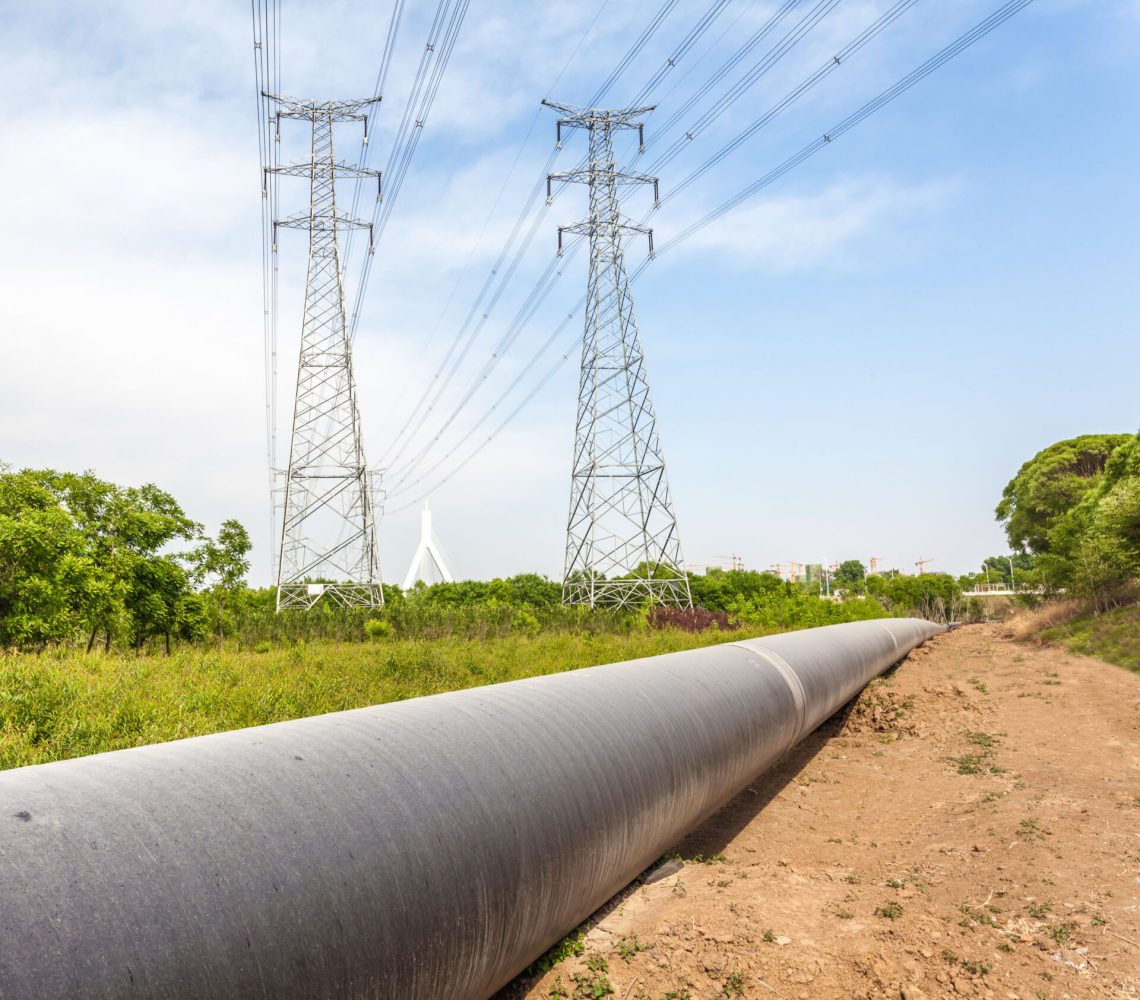 When a pipeline shares a right of way with high-voltage power lines, the electromagnetic field on the power lines can induce unwanted voltage onto the pipeline. This steady-state AC voltage is a safety hazard for personnel and can contribute to corrosion problems. In order to mitigate this voltage, an effective grounding path is required that will continue to isolate DC voltage for cathodic protection.Dairyland decouplers such as the SSD, PCR and PCRX, provide an effective grounding path that mitigates induced AC, while simultaneously maintaining DC isolation. This is possible due to the nature of a Dairyland decoupler which provides a low resistance to AC and high resistance to DC simultaneously. As a result, CP systems will continue to work efficiently, and the pipeline and personnel will be safe from unwanted AC interference.
RMV Installation Best Practices
Dairyland has a long history of providing recommended best practices for maintaining electrical isolation of Rupture-Mitigation Valves (RMV) more commonly known as automatic shut-off valves (ASV) or remote-control valves (RCV). The Dairyland application that this applies to is known as “Decoupling Electrical Equipment.” The referenced application guide gives guidance on how to maintain effective grounding paths for safety, while also maintaining DC isolation so that your CP system can effectively protect against corrosion.
Product Availability
Dairyland recognizes the importance of timely remediation of issues found and the solutions that are required to keep the public, pipeline workers and pipelines safe. We are committed to providing accurate and timely product quotes and deliveries in order to keep pipelines safely operating. Our rugged products are built for extreme environments around the world and are built to last. Dairyland Electrical Industries is the world’s leading manufacturer of solid-state decoupling products used to isolate cathodically protected structures from grounding systems or other equipment, while simultaneously providing safety grounding for AC fault current and lightning.
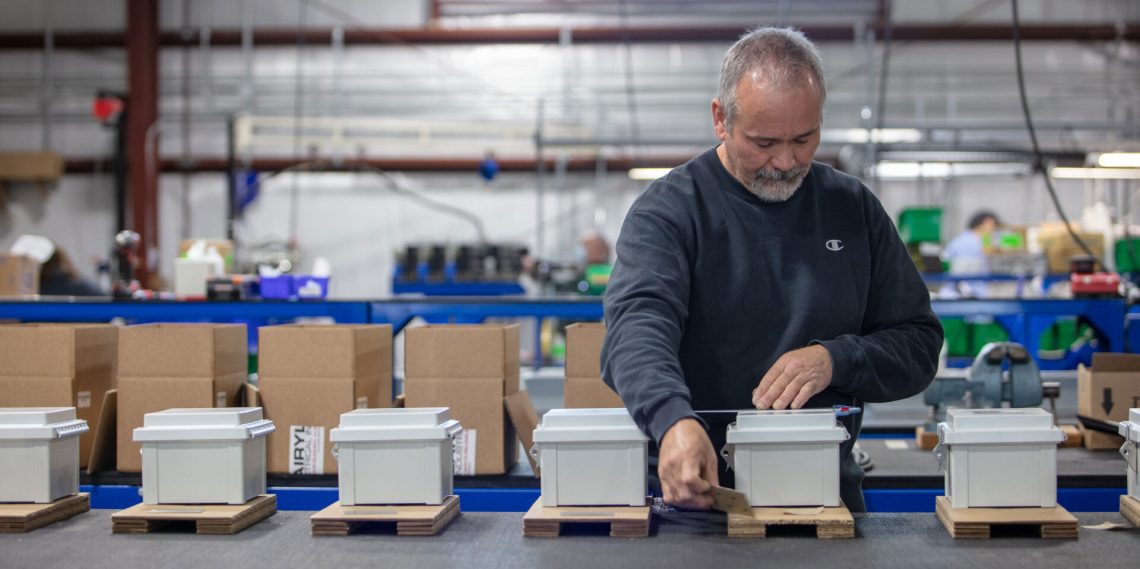
At Dairyland, it’s not just about selling great products. We pride ourselves on being a reliable resource for complete technical guidance on applications relating to isolation, grounding, over-voltage protection and related issues. We’ll make sure your questions are thoroughly researched, that you understand the answers, and that you know how to proceed…even if you don’t end up needing our products.
Feel free to reach out to us to ask questions or consult on your needs – we are here to help!
For over 40 years, Dairyland’s innovative mindset has helped our team turn creative ideas into unique solutions that meet the changing needs of our customers. Here we share what innovation means to us, how it’s formed our company over decades, and how it will propel us into the future.
Innovative From the Beginning
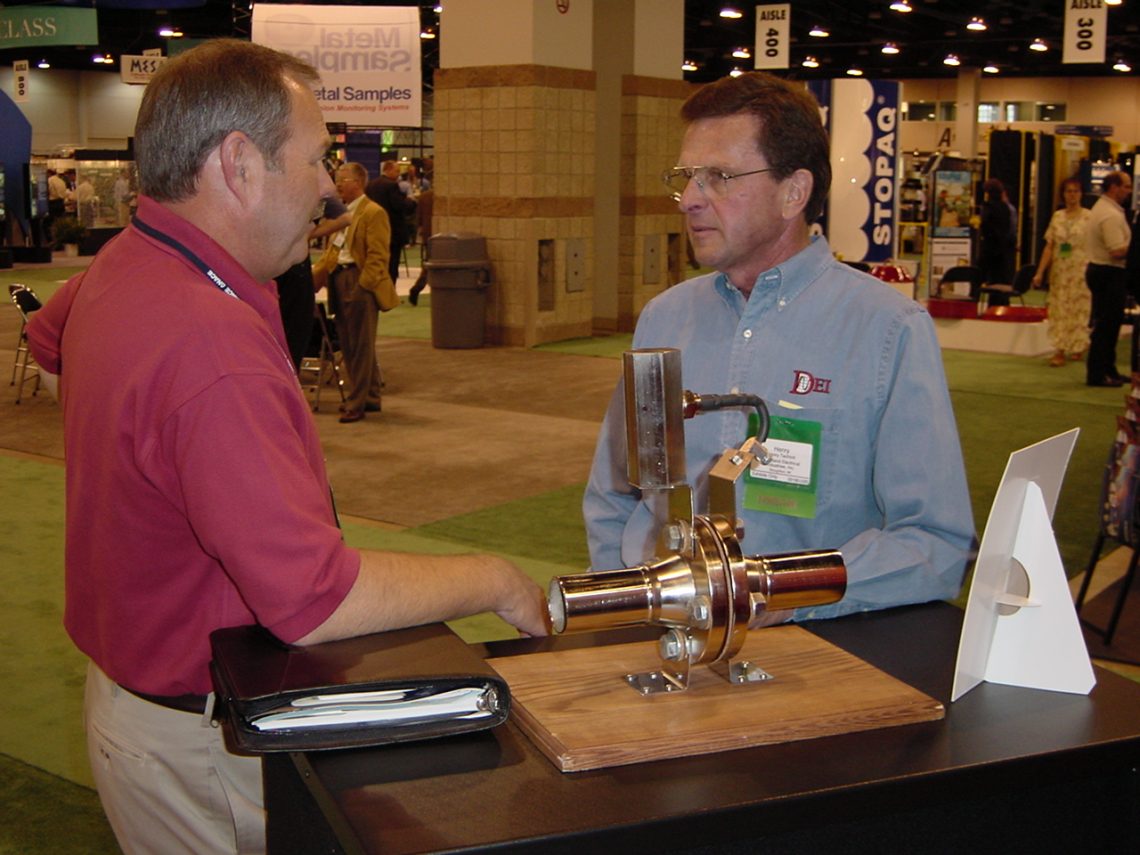
Dairyland got its start in 1983 because of a clear customer need and an engineer with an inventive mindset. Henry Tachick was approached with a specific problem facing local dairy farmers and utility providers, and he saw an opportunity to find a solution through innovative product design. His idea was an electrical isolation device that would end up not only solving the issue but also setting the stage for future product development. As the years progressed, Henry always kept one ear to the ground: listening, observing, and searching for new ideas, which is how Dairyland eventually found its way into the corrosion industry as well as the marine, power utility, and railroad markets.
 |
 |
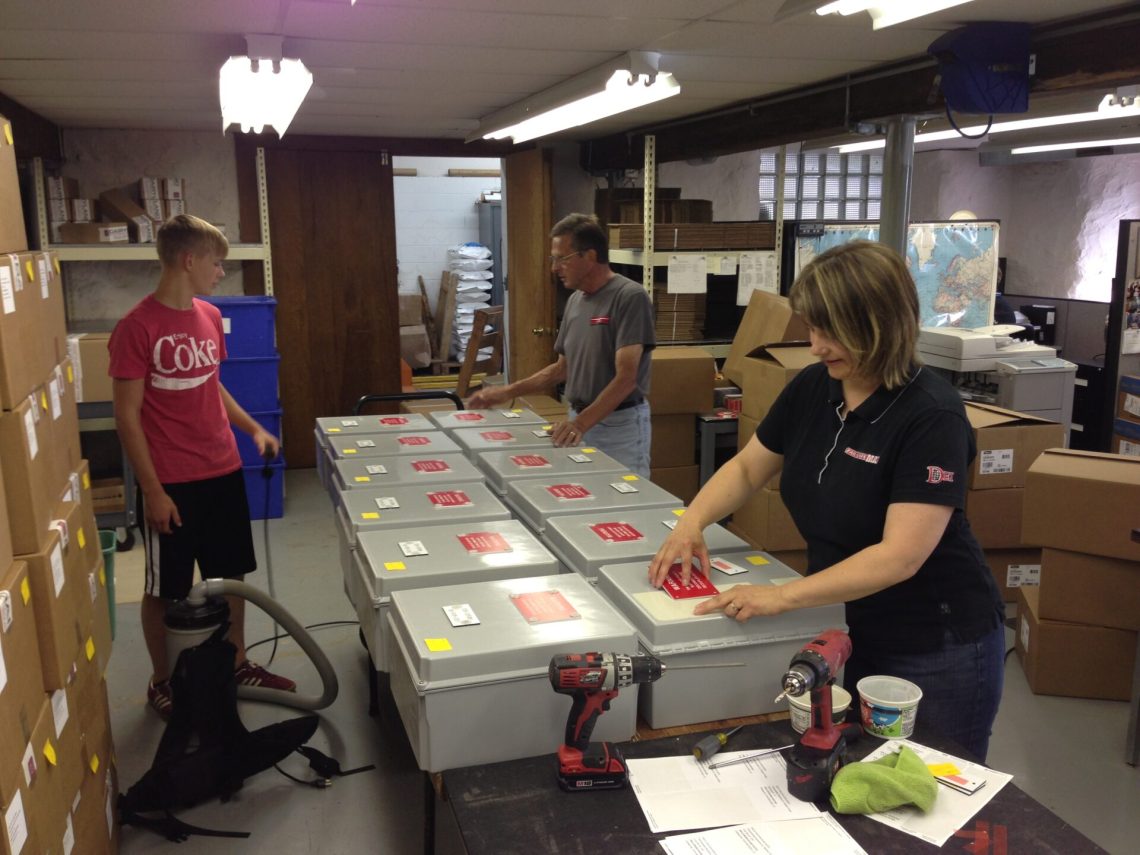
Continued innovation led to a growing product line designed to meet the needs of new markets and customers. From our first product, the Neutral Isolator, stemmed the ISP, PCR, OVP, and the larger catalog of products and accessories we have today. Every product continuation or variation was brought to life because there was a customer need, which triggered an opportunity for Dairyland. Dairyland remains committed to developing products that solve real issues.
 |
 |
How You Make It Matters
Dairyland aims to serve our customers through innovative product design. But developing rugged and reliable products takes a commitment to an intensive research and development (R&D) process. Often ideas are brought to us through our industry colleagues or identified by our staff members through their technical support sessions or customer interactions. We insert all these ideas into a vetting process affectionately called “The Grinder”. Throughout an active process of discovery, we seek to fully research any idea or concept and prove out long-term viability of a potential product design. This thorough vetting helps ensure that we fully understand the problem we are trying to solve and helps us identify specific customer needs for any product we may design.
“We operate on a different timeline in our industry, allowing the time to truly understand problems and invest in solutions or ideas. Unlike other consumer-type industries that must change virtually every day to keep pace”
Randy Hilgart, Engineering Manager
 Once a problem has been clearly identified and vetted, we start down the new product development (NPD) process that is overseen by our experienced engineering department. This process is collaborative and includes key stakeholders from many departments within the company. The process starts with identifying an opportunity and project planning before progressing into a detailed, advanced development phase that includes prototyping, design reviews, testing and simulations, and continued market analysis all to ensure the final product design meets or exceeds customer expectations.
Third-Party Verification: Critical to Rugged Product Design
Despite our thorough prototyping and internal testing process, at Dairyland, we consider third-party certification to be a required step of the product design process. Nearly every product we design is sent through intense examination and testing by third party labs to any applicable standards and requirements. This process can often be lengthy and expensive, but we do it so our customers can be assured that our products do what we claim they do.
Third-party testing will remain a critical component of product design at Dairyland as we aim to offer intentional, rugged solutions that have reliable performance and long-term lifespans.
As we’ve done for the last 40 years, Dairyland will continue to pursue innovation, working efficiently to serve the needs of our customers. We are grateful for the relationships that we have built within the industries that we serve and look forward to developing additional products that help enhance lives and make a safer world. If a solution to your problem does not yet exist, we’ll work to find one. Connect with us or call 608-877-9900.
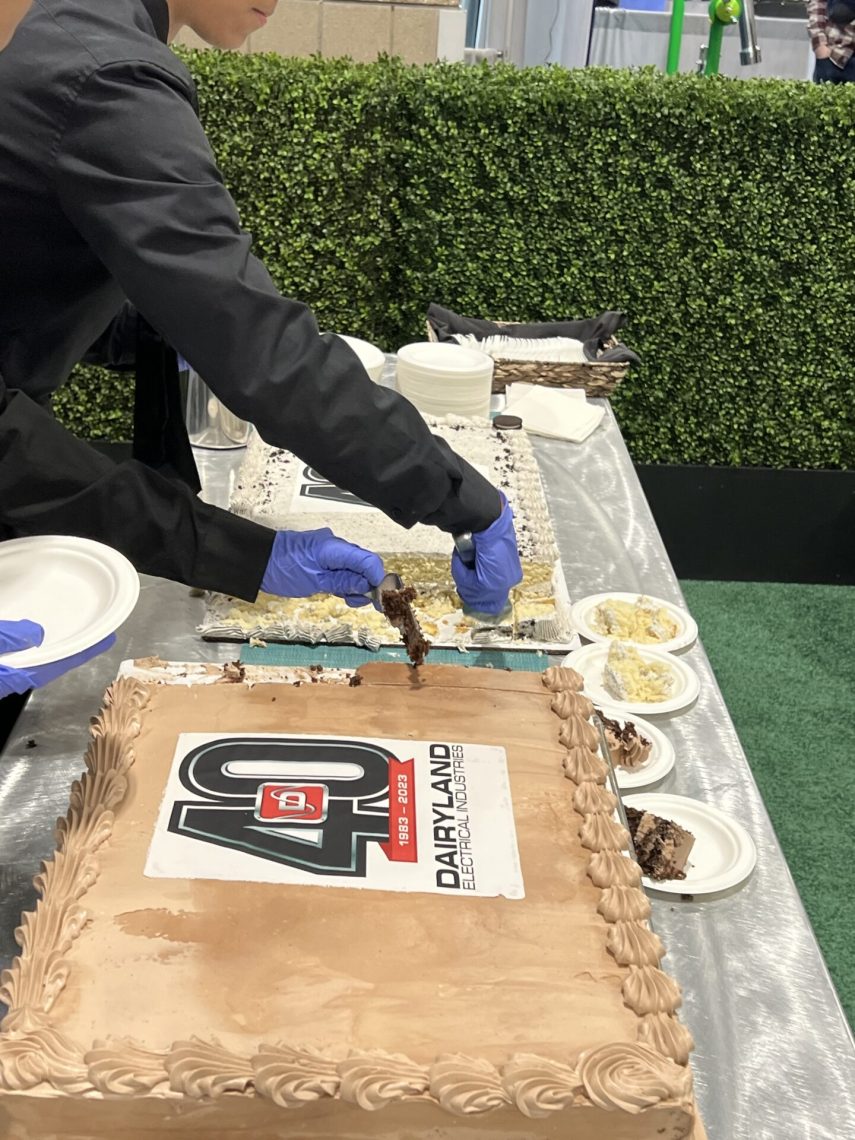
This year, Dairyland is celebrating its 40th anniversary, and we wanted to make our lounge sponsorship at AMPP Annual Conference + Expo a sweet spot for celebrating and thanking our customers while making an impact together.
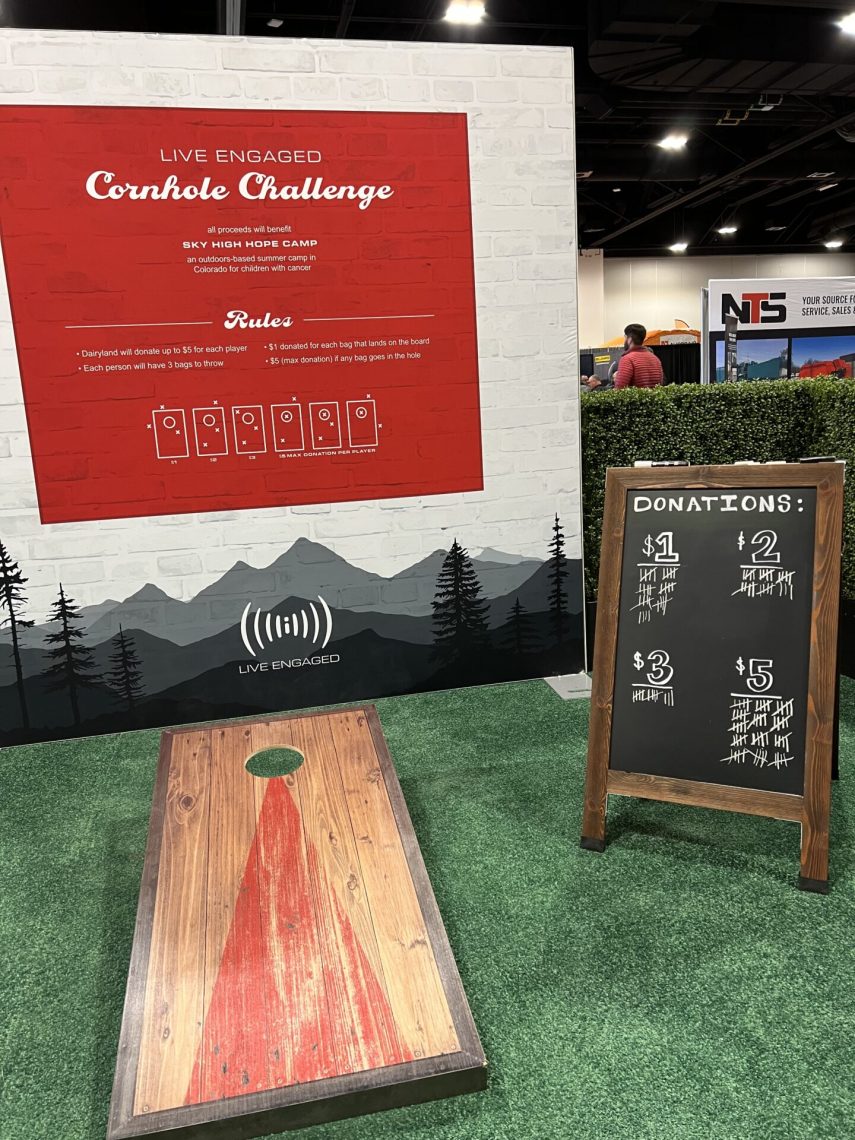
If you attended the conference in Denver this March, you may have seen the line for mini pints of ice cream or heard the sound of bean bags landing on cornhole boards while onlookers offered playful taunts or cheers. In the Dairyland lounge, we thought the best way to celebrate our 40th birthday was surrounded by friends, enjoying cake and ice cream, and getting competitive for a great cause. Thank you to all who stopped by and helped to make the week special.
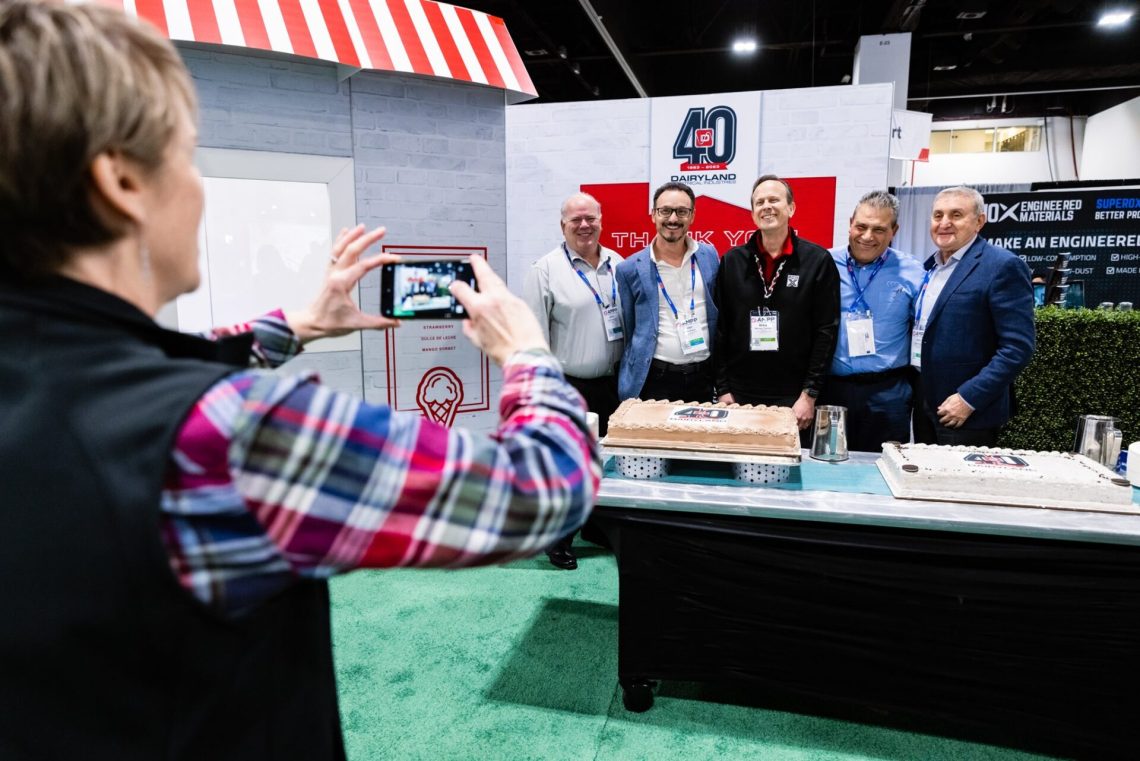
Photo by AMPP
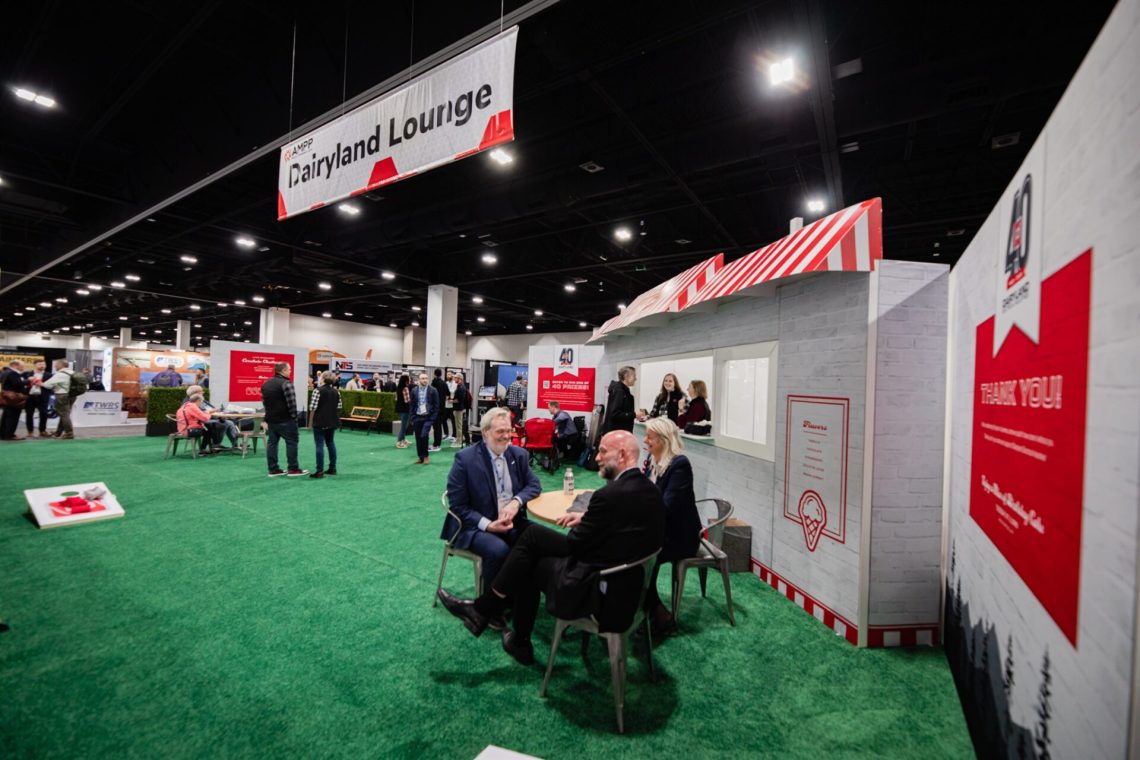
Photo by AMPP
The Count is In
This year we partnered with a nonprofit in Colorado—the site of our conference—that is doing great work to care for people. We easily settled on Sky High Hope Camp, a camp for kids with pediatric cancer and their siblings. Campers who attend Sky High Hope Camp are not treated like cancer patients. Instead they are given the opportunity to act like ordinary kids having a fun, safe, and action-packed week while enjoying SHHC’s many amenities and supportive community. And, for these families, it’s all free of charge.
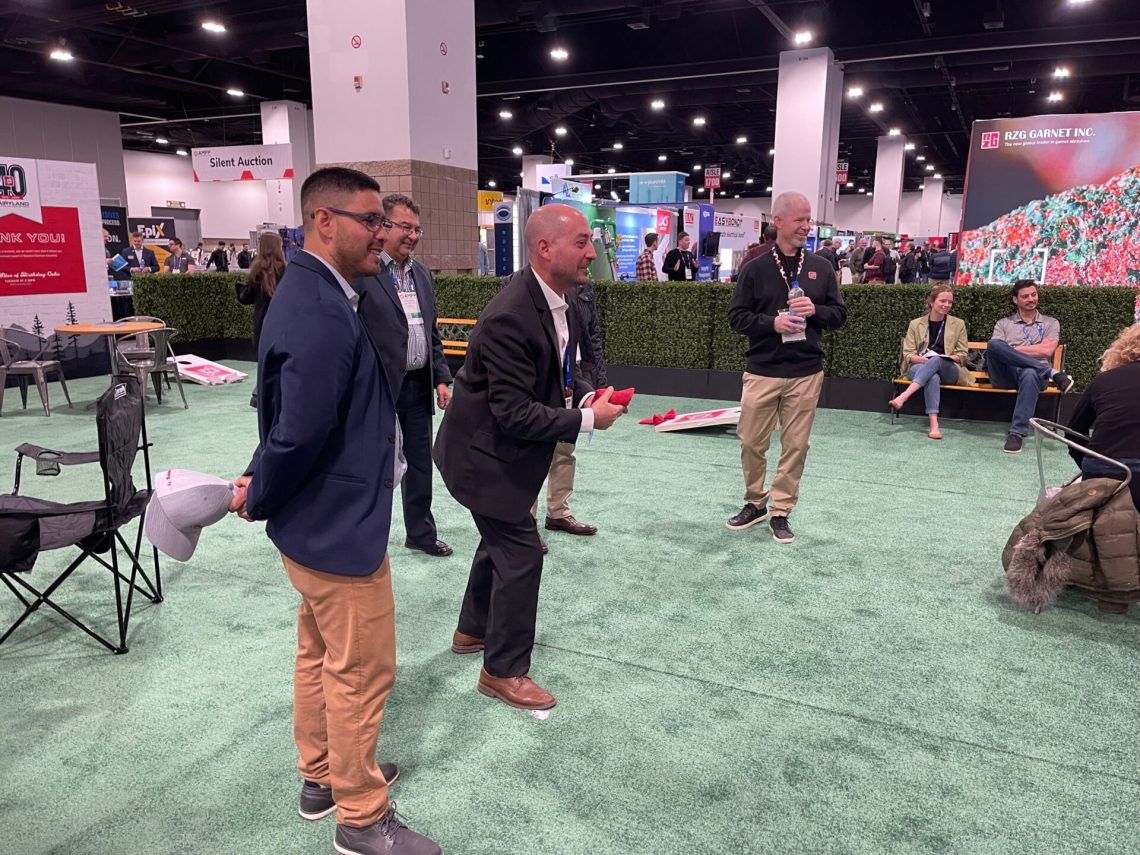
Dairyland committed to making a donation on behalf of each attendee who scored in cornhole by tossing the bags through the hole or landing them on top of the board. Thanks to the impressive skills of our participants, we’re donating $1,550.00 in unrestricted funds to Sky High Hope Camp to support their work and camper experience. For the record, we were impressed by how many people maxed out their donation by scoring 5+ points!
 |
 |
 |
Thank you to everyone who stopped in to say hi, participate in the cornhole challenge, and celebrate with us. We wouldn’t be here without you, and it’s no fun to celebrate alone. Cheers to 40 years of making a safer world together and many more to come!

In 2013, Dairyland Electrical Industries was rebranding itself. While doing market research and evaluating our place in the industry, we learned that we were simply known within the industry as “Dairyland” and our varying decouplers were not necessarily called by their names but bore the Dairyland moniker too (like how all lip balm products are referred to as Chapstick, regardless of which company made it).
With this knowledge in mind, Dairyland’s marketing team updated their visual identity, replacing their “DEI” mark with the “D” logo and Dairyland design that we still use to this day. We wanted to communicate our new identity and emphasize our company’s beginnings, where we started by solving stray voltage on dairy farms.
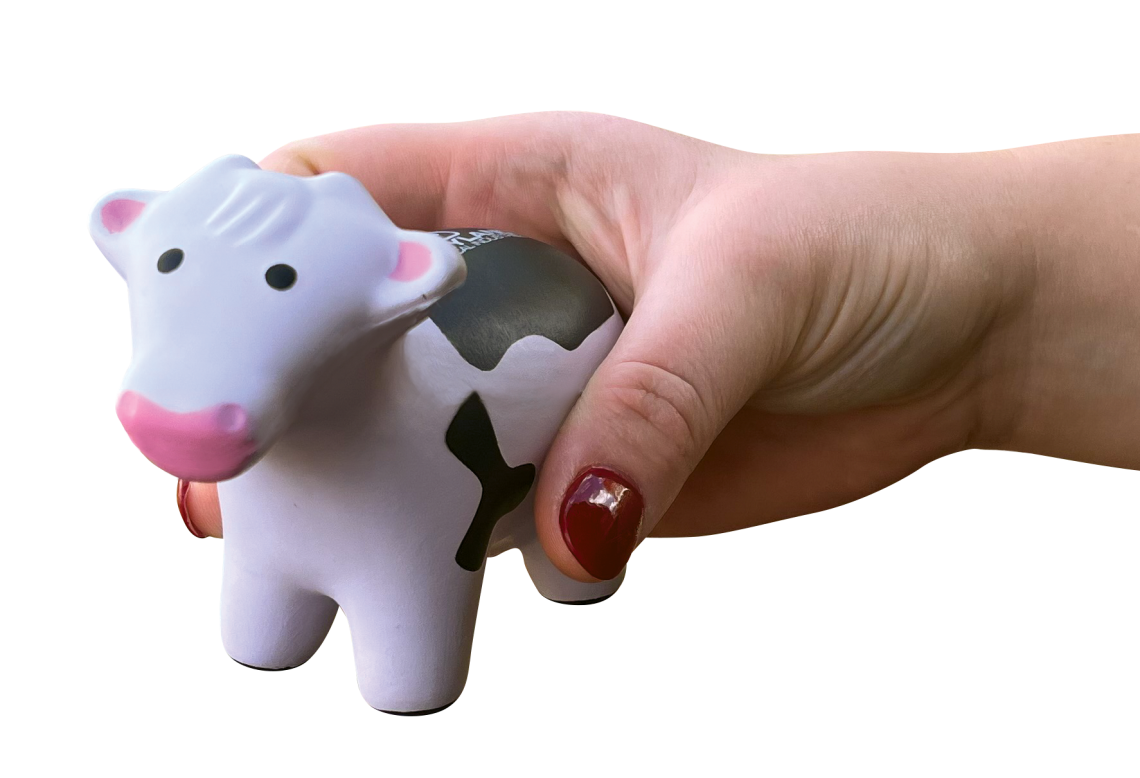 While looking around for promotional items to hand out at industry events and conferences, Dairyland’s marketing manager happened to come across a four-legged squishy cow (OG Cow) and decided it would be a great piece of swag to bear the new Dairyland logo. He figured it would be something the company would do for six months at most, and then they would move on to the next thing. The industry, however, had different plans.
We took the newly minted OG Cow to a regional tradeshow where the inventory was very quickly depleted (We’re sure you’ve heard the adage about pigs flying. Well, these cows were flying). We were udderly astounded. Those in the industry could not get enough of our four-legged friend, and we quickly decided that more cows would be needed.
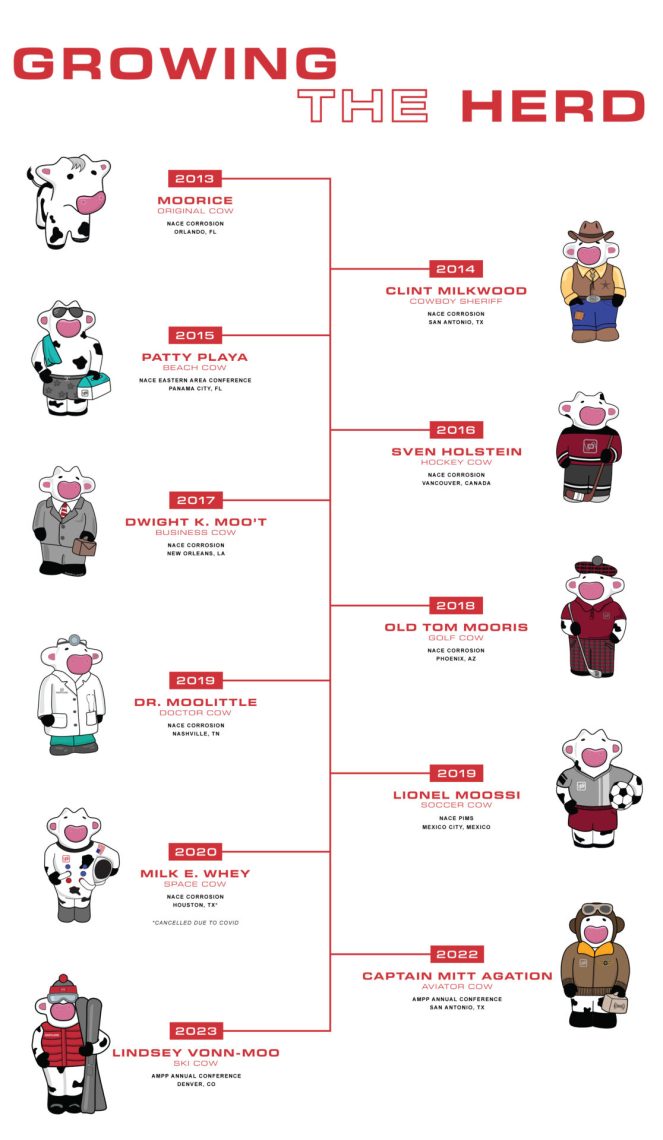
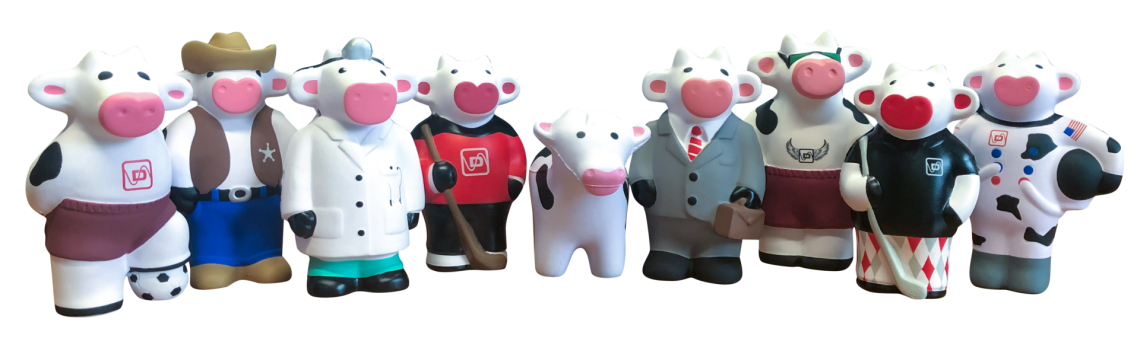
Fast-forward to 2014. The original cows had been such a hit throughout their debut year and the Dairyland team knew they wanted to keep things moo-ving. They had an idea: give the cows a theme that correlates to where they’ll be given away. The San Antonio NACE conference was quickly approaching that year, and Dairyland had plans to host 100+ friends and colleagues at a Texas rodeo. At the event, those guests were officially introduced to Cowboy Cow. The continued popularity gave rise to other themed cows over the years, such as Hockey, Business, Beach, Golf, Doctor, Soccer, Astronaut, and most recently, Aviator Cow. Most recently we have added each cow to our “About Us” page where they have their own profile and bio for you to learn more about them. What will we come up with next?