
Volunteer Spotlight: Habitat for Humanity’s “Frame Up on the Square”
Madison’s Capitol Square is usually a bustling place, filled with cars, suits, cyclists, and farm stands with fresh produce. On a rainy day in late June, however, the square was filled with something else entirely: stacks of lumber, ringing hammers, and nearly a dozen Dairyland employees ready to get to work.
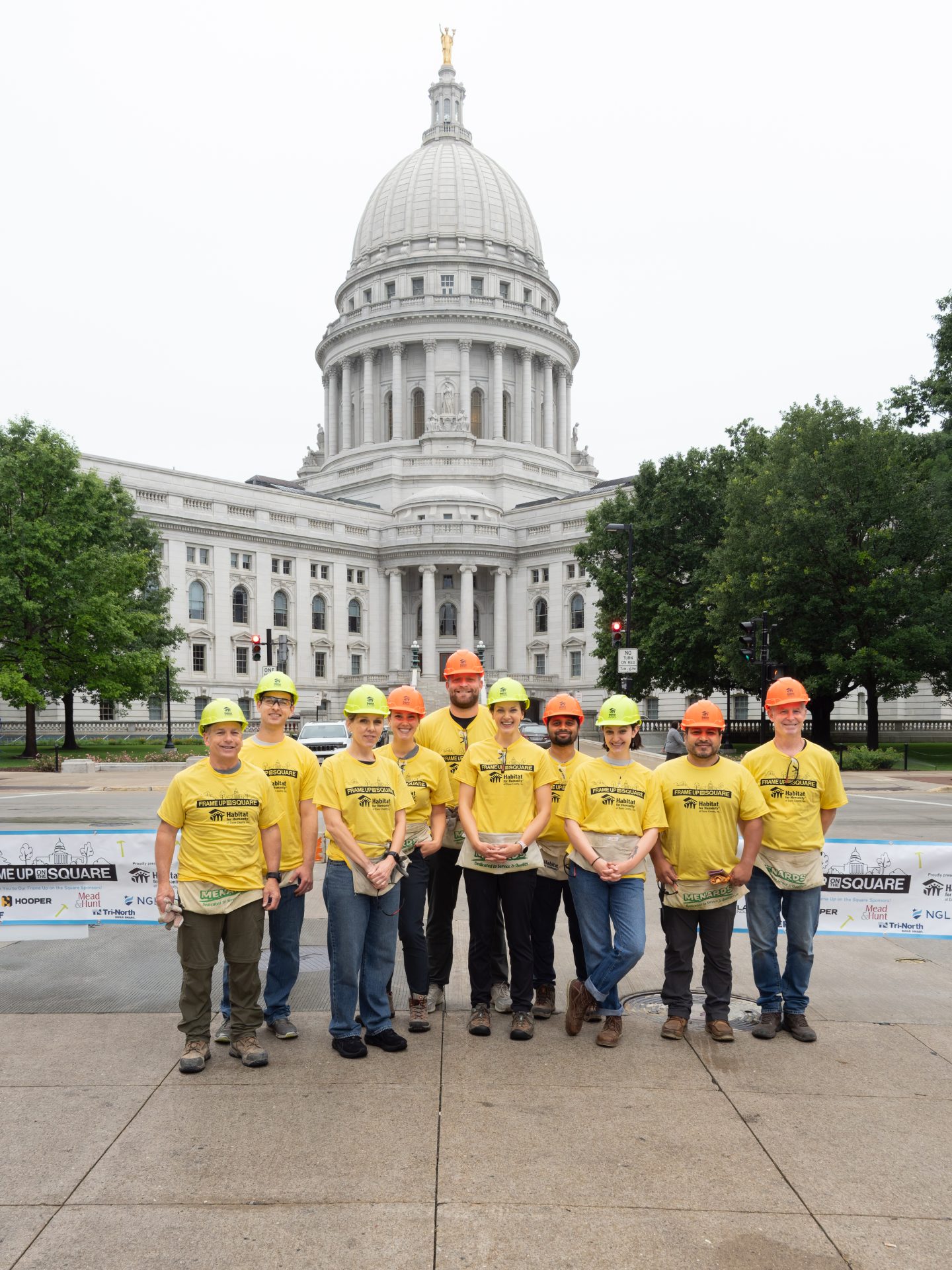 |
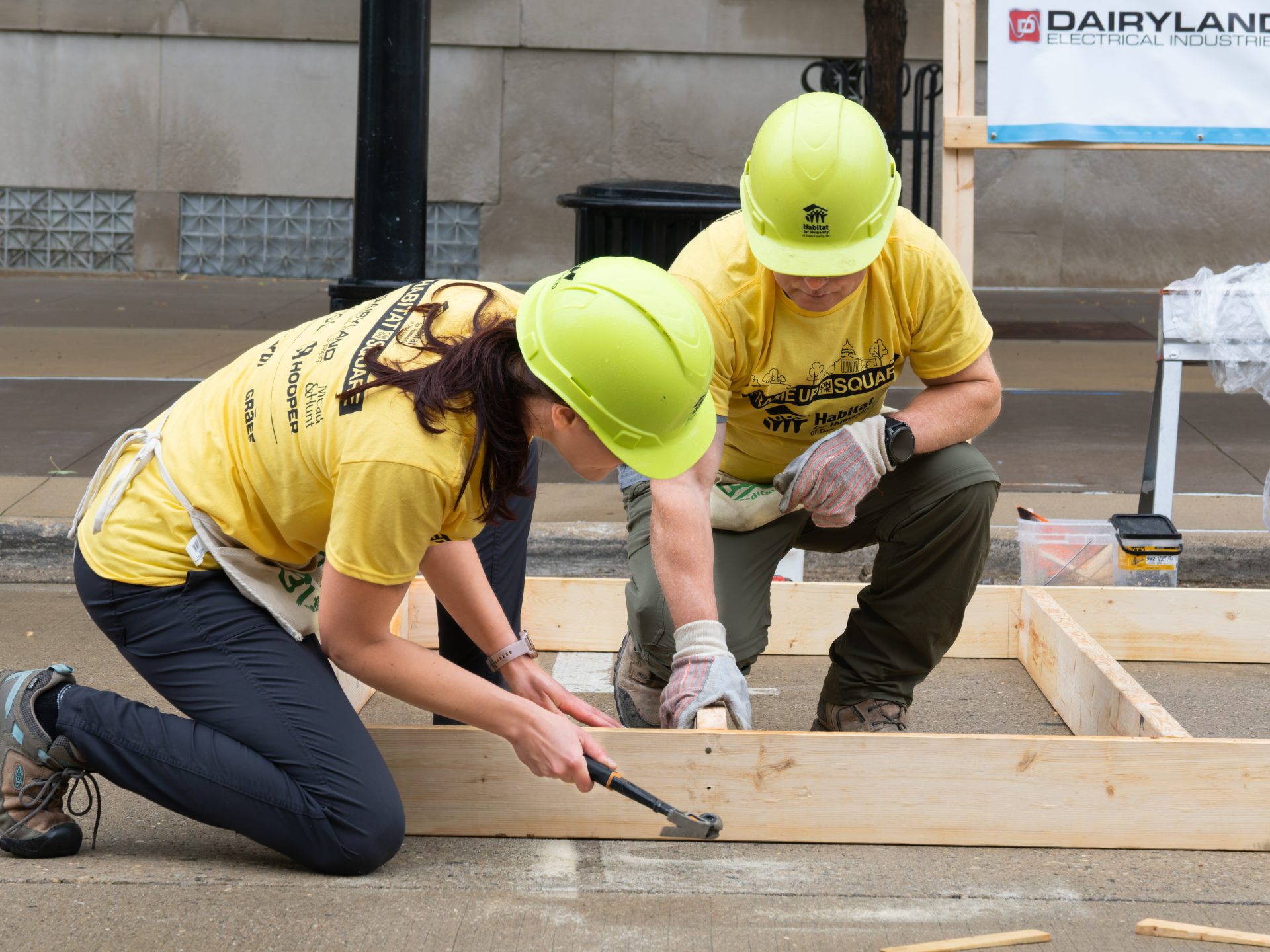
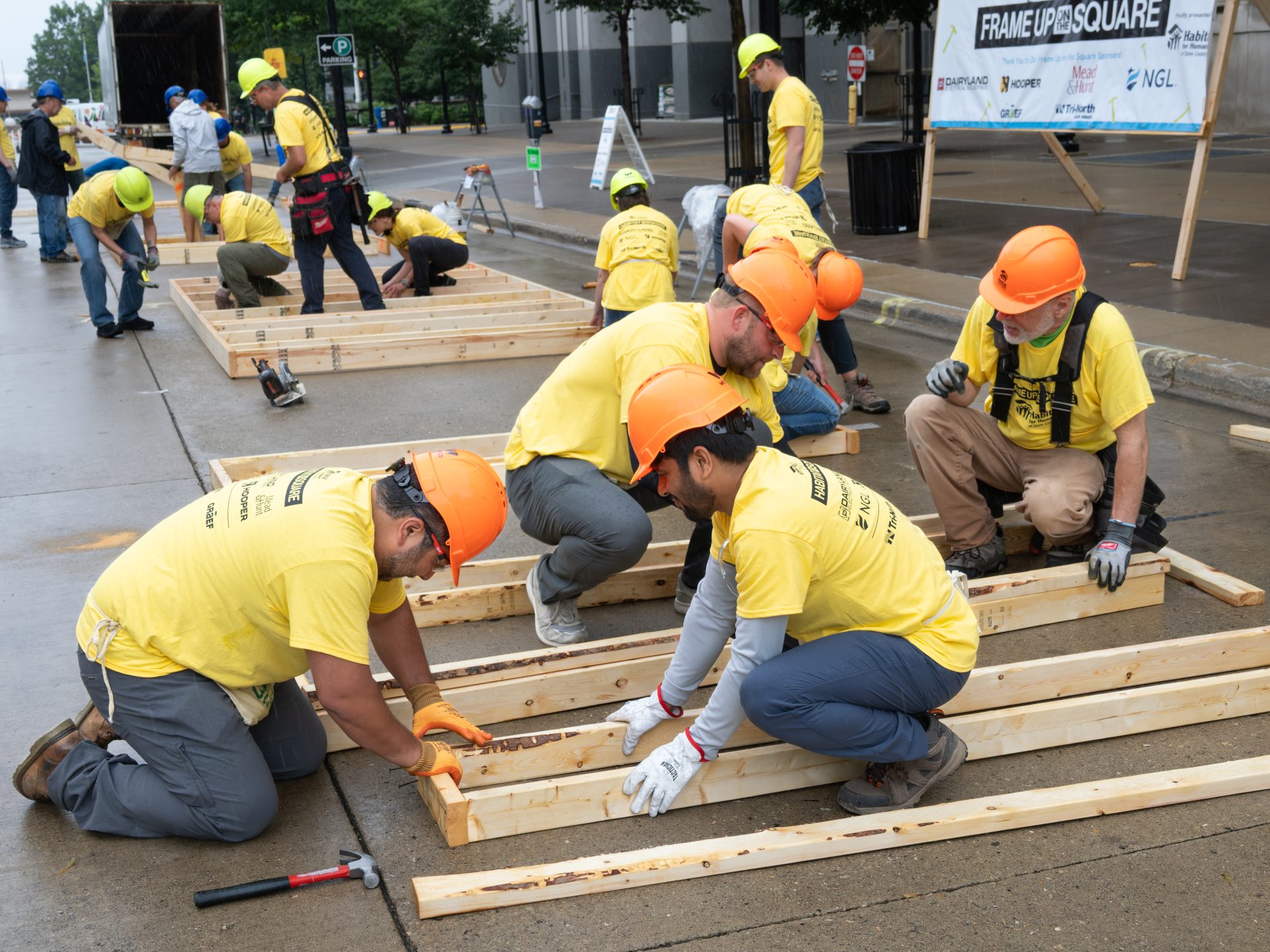
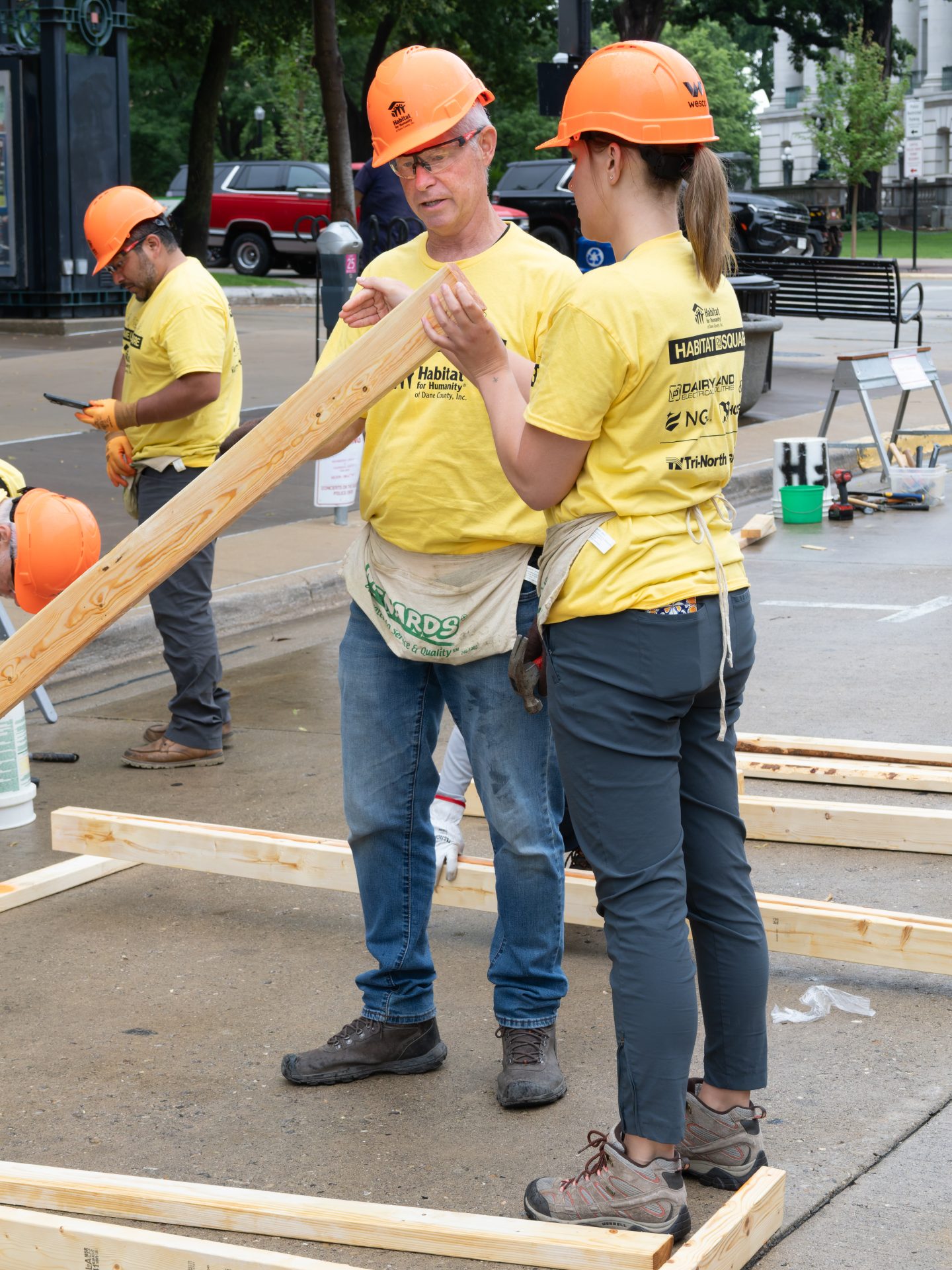
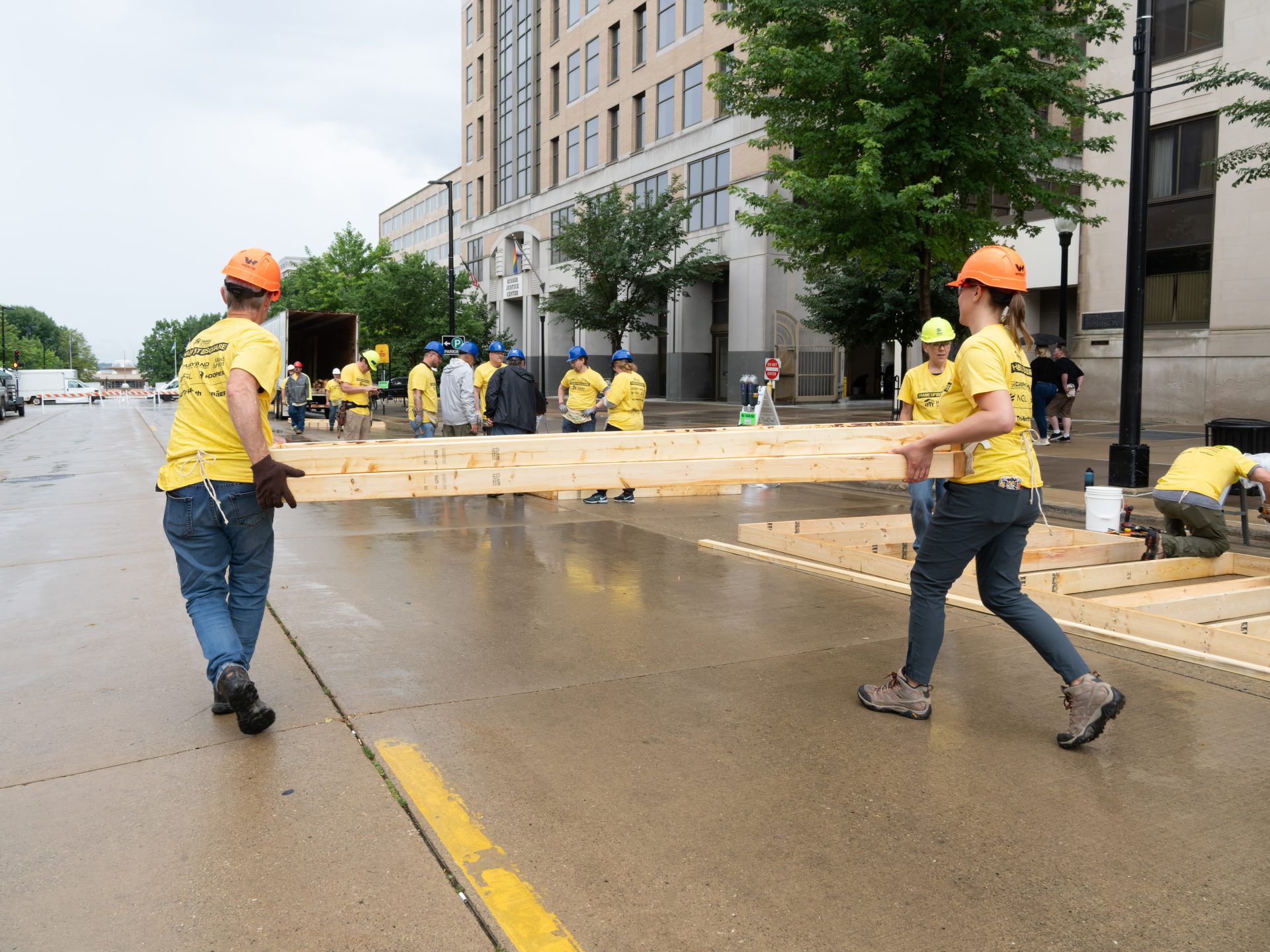
Habitat for Humanity, a national nonprofit dedicated to increasing homeownership, closed down a portion of the square for their “Frame Up on the Square” event. These volunteer-supported events bring community members together to build houses for families who would not otherwise be able to afford them. Dairyland has partnered with Habitat for many years and was honored to work alongside the Habitat crews once again to “frame up” walls for Habitat homes in the Madison area.
 |
 |
This experience showed me how much we can achieve when we work together. I feel blessed to have made a direct difference in someone’s life today, and I am so thankful my company supports and sponsors such a life-changing mission. — Govind
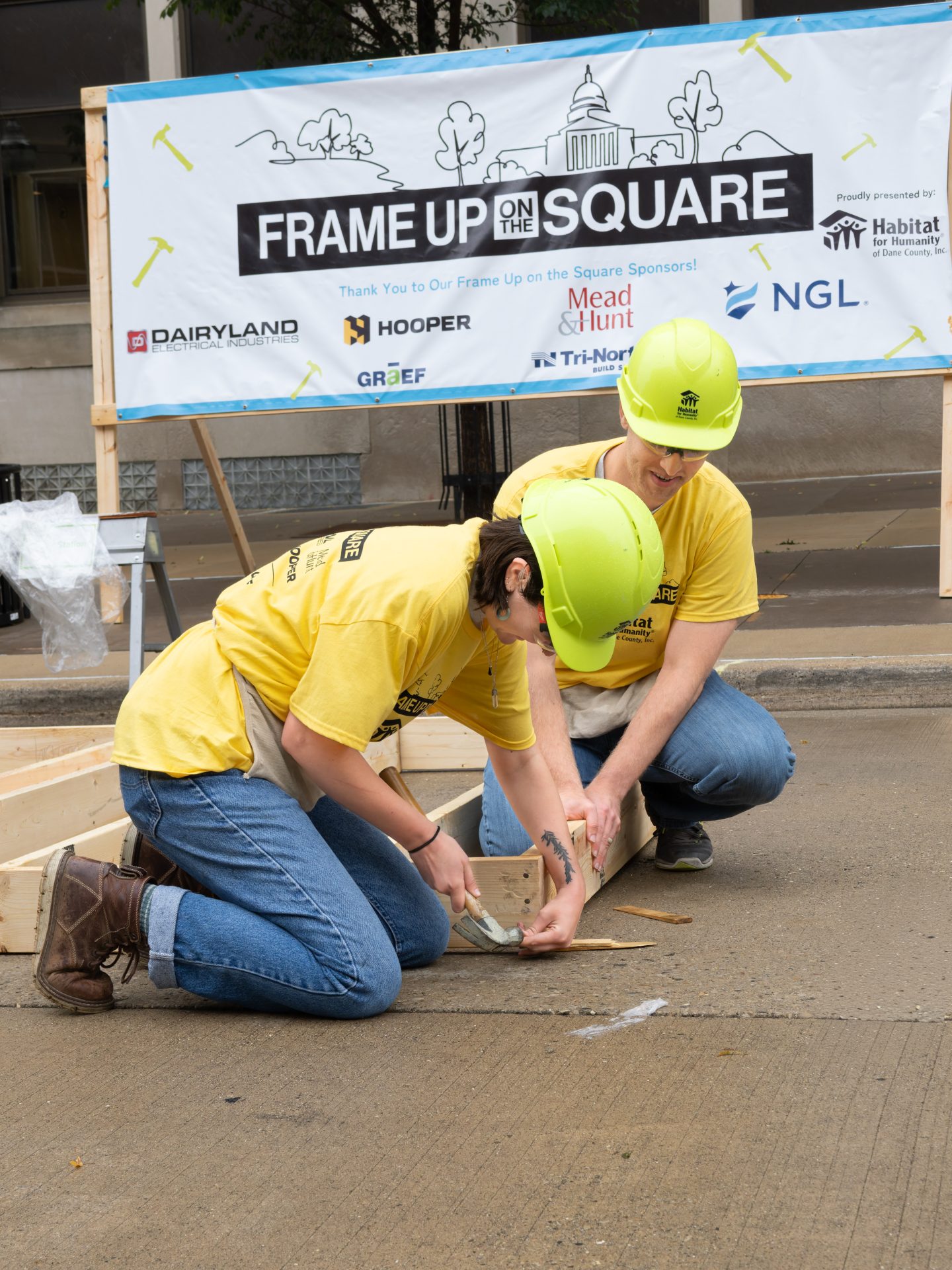
Despite many of us not having any construction experience, we donned hard hats and safety glasses and got to work. The Habitat crews helped us learn the basic skills so that even the most unwieldy hammer found its nails in the end, and ensured that all finished frames were safe and sturdy for final construction. As a parting gift, we each signed our names on the frames and wrote good-luck messages to the families who would one day make these houses their homes.
 |
 |
Habitat’s work creates ripples of impact far beyond building houses. They help create stability, opportunity, and a stronger foundation for families across our community. We’re grateful for the chance to join Habitat, along with many other dedicated community partners, in supporting this important mission. — Amy
 |
 |
The walls we helped build are destined for the Owl Creek neighborhood, where the city of Madison has set aside space for Habitat’s affordable housing. Dairyland’s “Business as a Force for Good” inspires us daily to make a positive change in the lives of others, and it’s events like these that drive home the importance of caring for our community members—one nail at a time.
Dairyland Volunteer Week — April 20-24, 2026
Dairyland strives to use Business as a Force for Good every day, and in keeping with this spirit of intentionality, we choose one week per year to carve time out of our schedules and mobilize in service to our communities.
2026 marks the 6th installment of Volunteer Week, and it was the best year yet! Thank you to all the employees, partners, friends, and families who organized and attended events to address issues of housing insecurity, hunger, inaccessibility, and more.
Below are some of the highlights from Volunteer Week, and the Dairyland “Spirit Week” that brings unique joy and enthusiasm to each day.
Volunteer Event 1: Camp Daniel
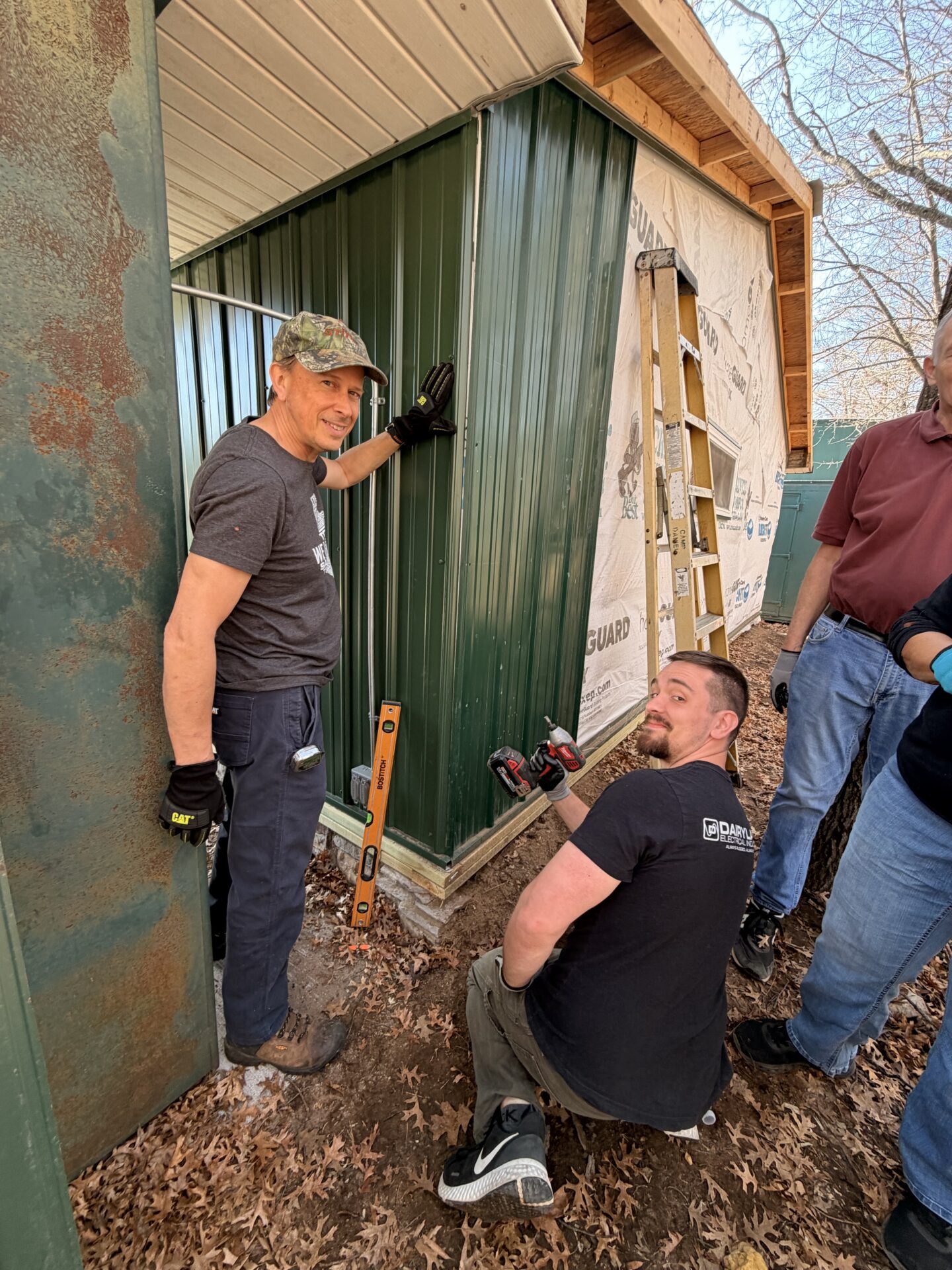
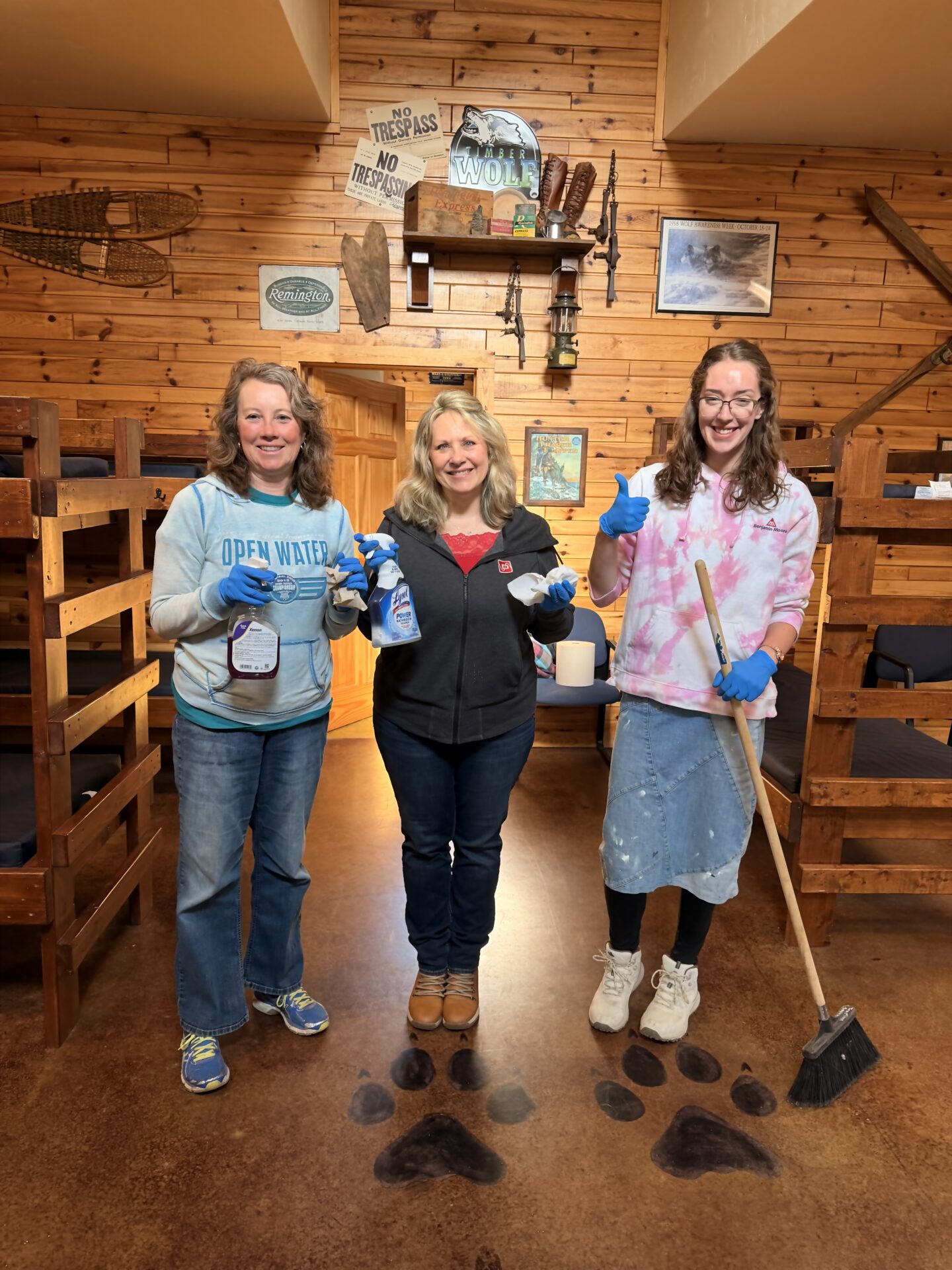
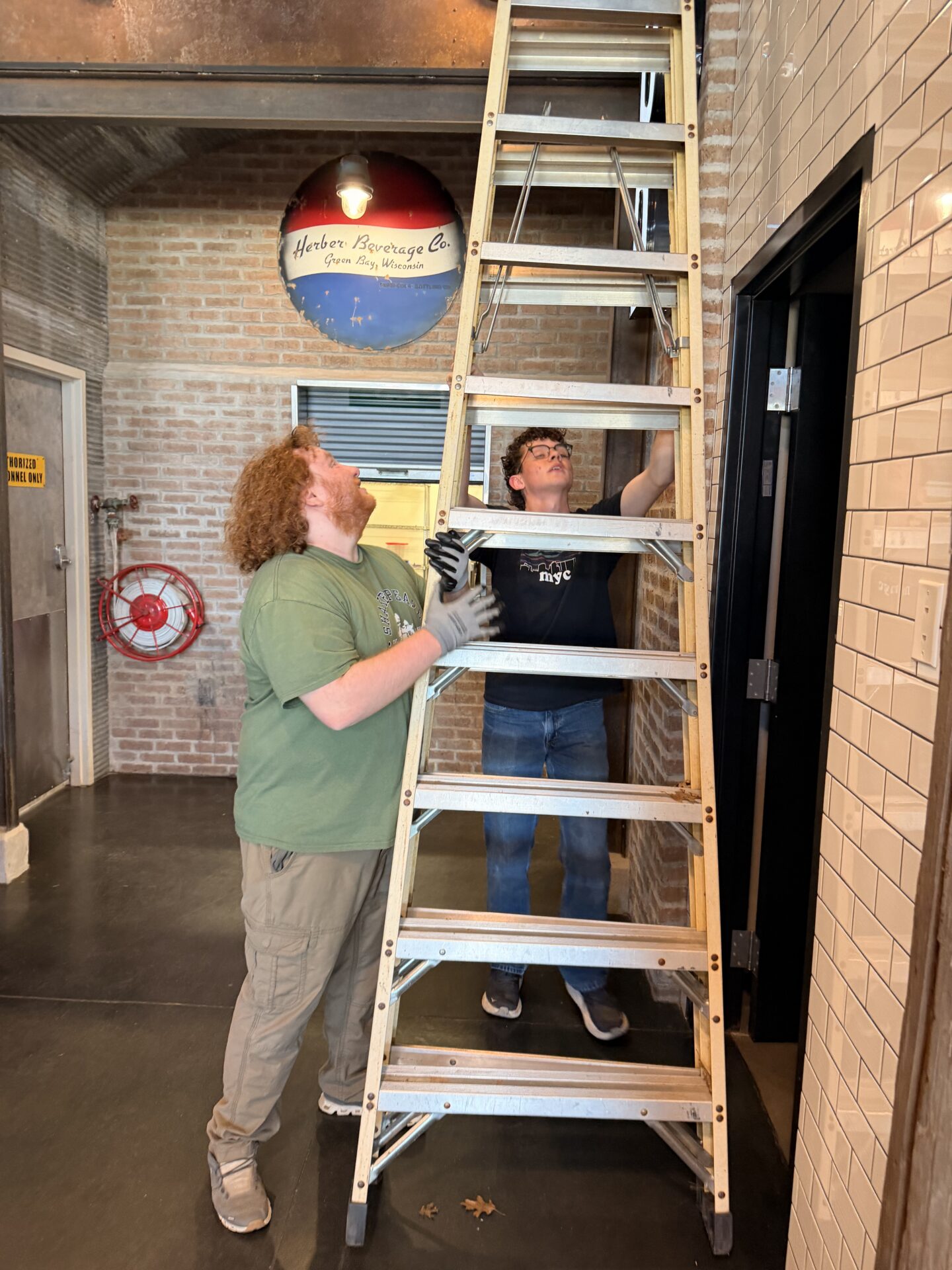
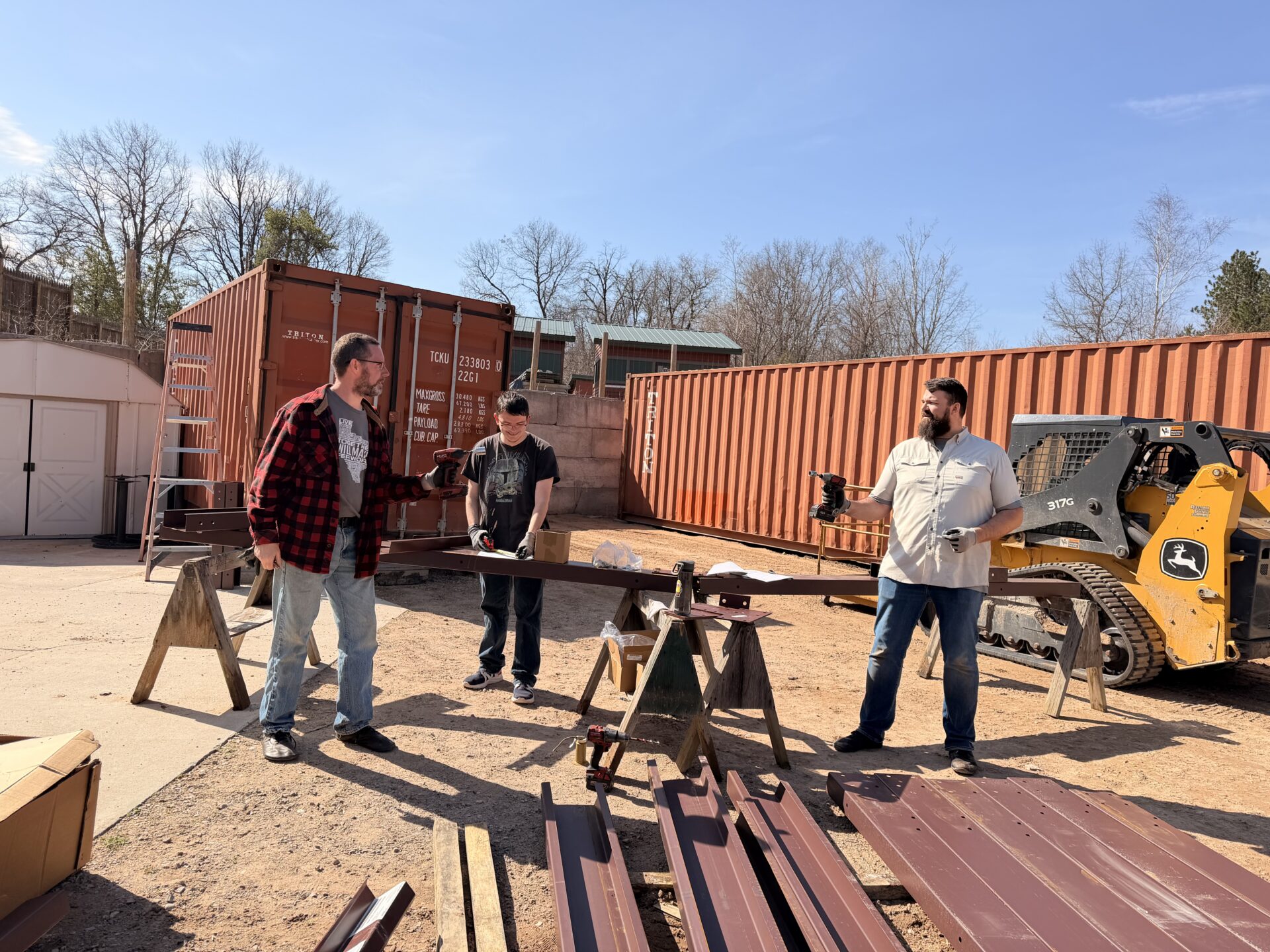
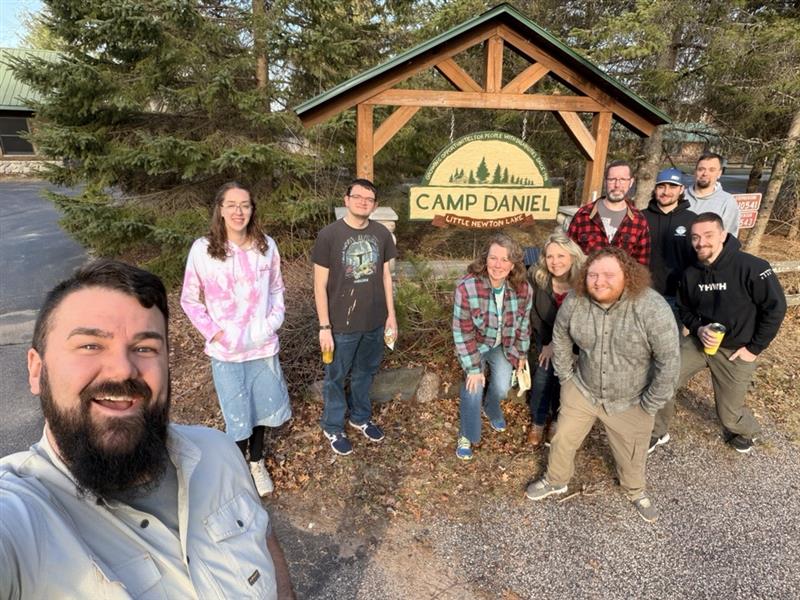
Dairyland continued its partnership with Camp Daniel this year by helping with construction and infrastructure, landscaping, and cabin deep-cleaning. Camp Daniel offers summer camp experiences and year-round community support to people with disabilities and their families. Dairyland has partnered with Camp Daniel for the last 6 years and is deeply grateful for the opportunity to walk alongside this organization.
I really enjoy volunteering at Camp Daniel. There [are] a wide variety of things they give us to do, anything from cleaning to maintenance and repairs… My favorite is Carnival Days when campers are present, [and] seeing the joy and enthusiasm on their faces. It is a remarkably well run camp that makes a positive lasting impact on their campers lives and it has been a nice opportunity to be part of something so special. — Sherry A Kostreva
 |
 |
 |
 |
 |
 |
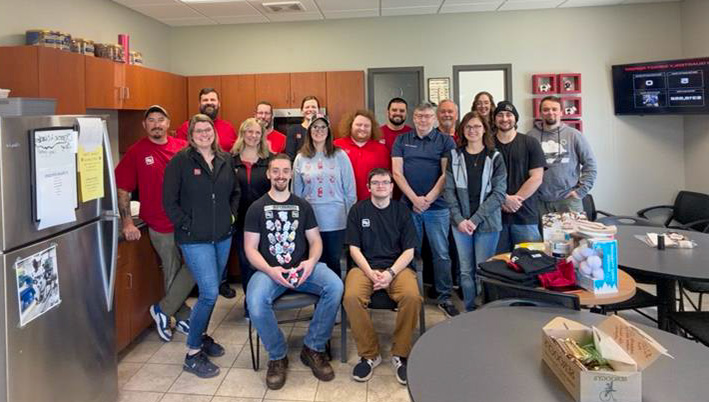
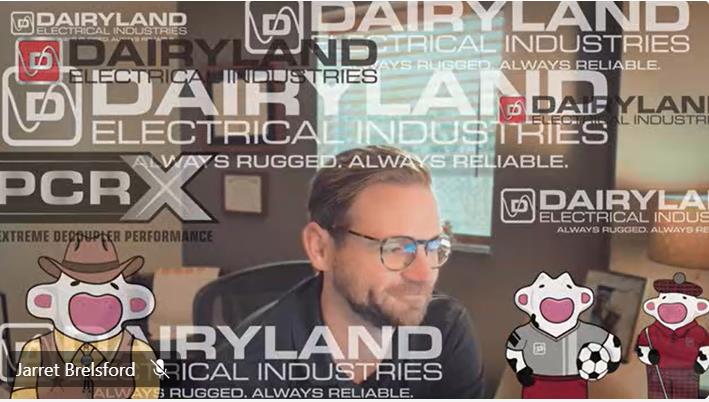
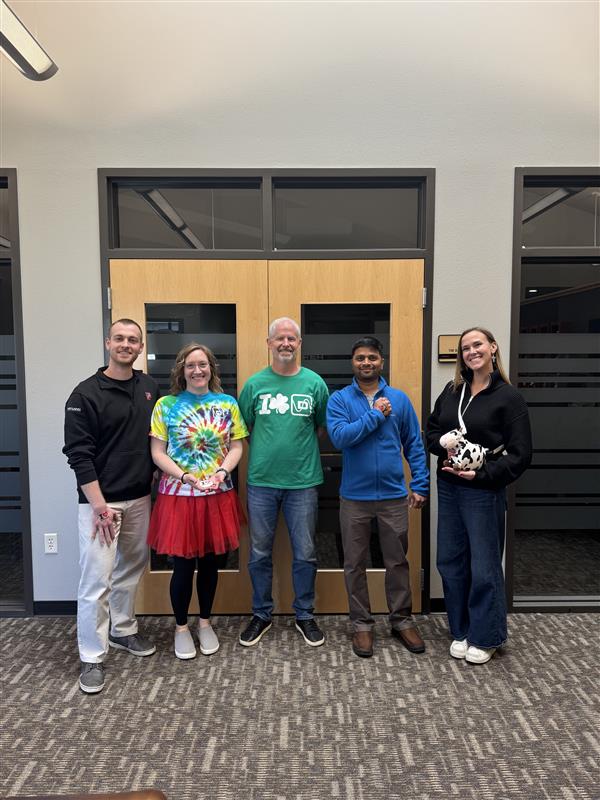
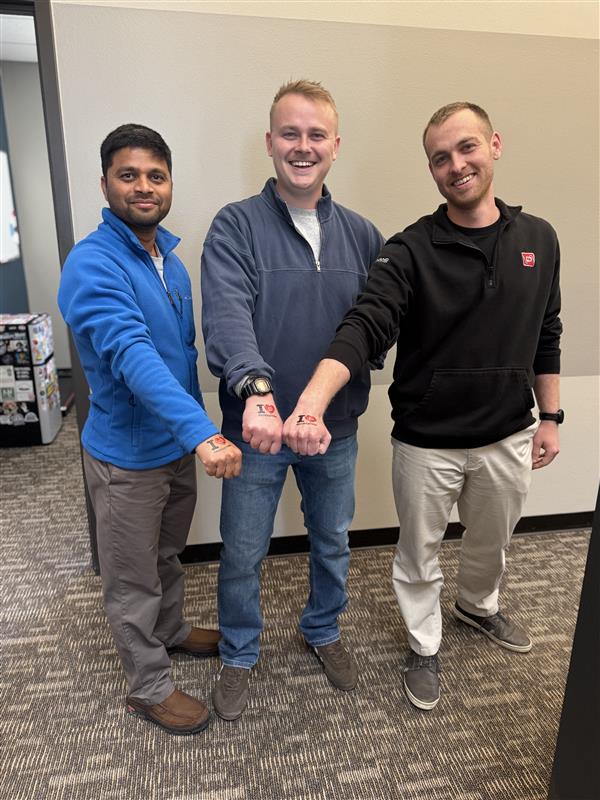
Monday’s Spirit Week Theme: “Dairyland Spirit Day”
 |
 |
 |
 |
Volunteer Event 2: Second Harvest
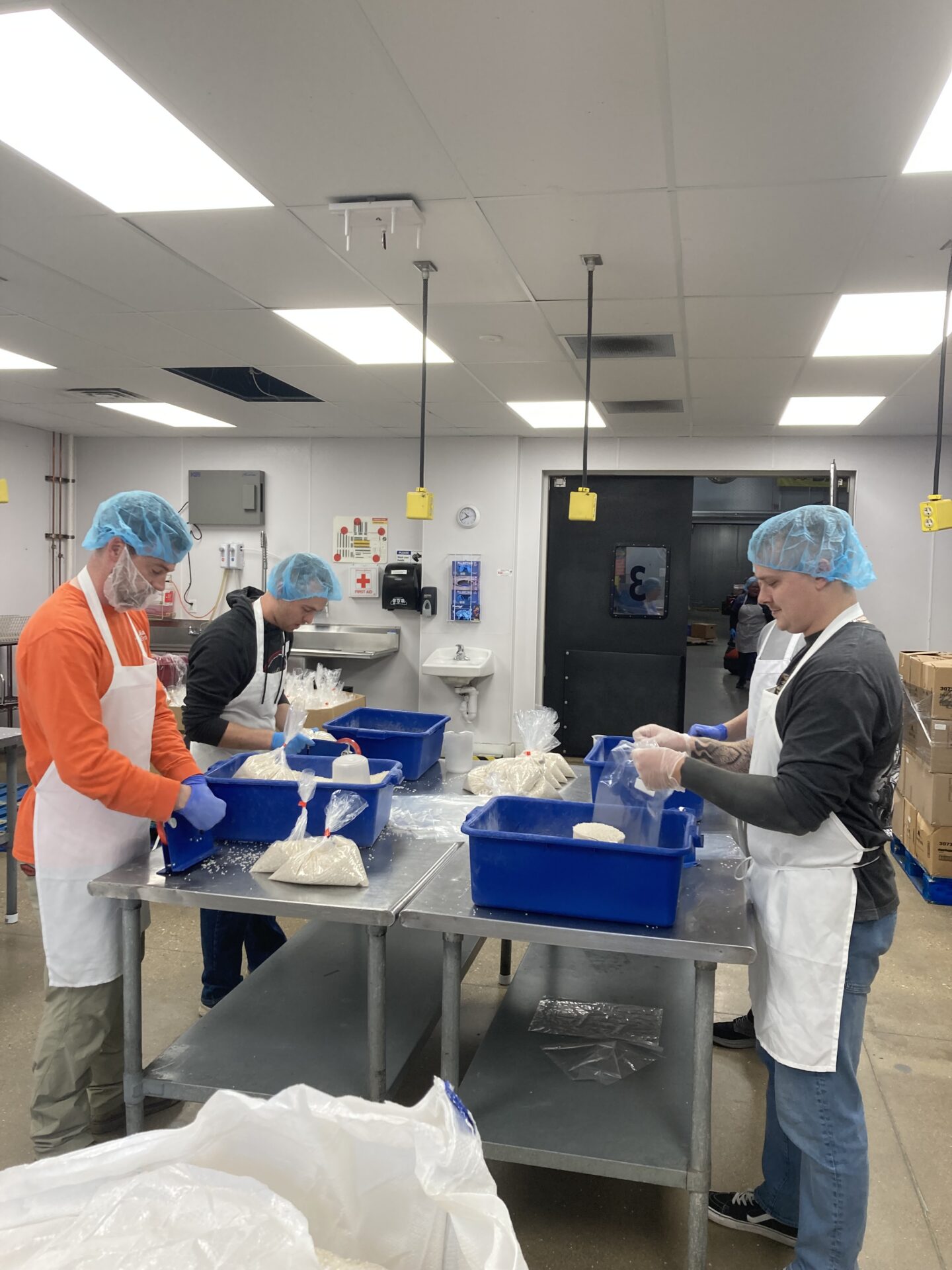
Several groups from the Stoughton office, alongside Dairyland partners The20, The Employer Group, and Alliant Energy, volunteered at Second Harvest to sort and process donations for food pantries in Dane County. As the largest food bank in Southern Wisconsin, Second Harvest provides thousands of households with much-needed relief to alleviate the impacts of food insecurity.
It was most meaningful to become aware of the realities of our community. Never would I have thought the local counties in Wisconsin would require 1000s of bags of food. Though the actual work felt meaningful, it was the mentality shift for gratitude for what we have and the desire to make a change that resonated with me personally. — Mason Spang
 |
 |
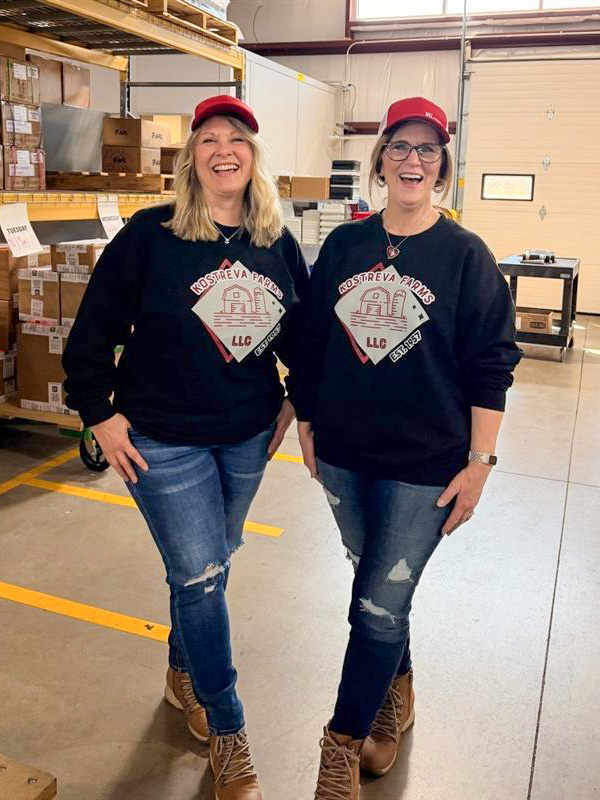
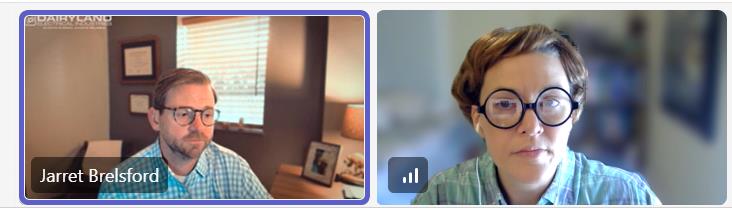
Tuesday’s Spirit Week Theme: “Twin Day”
 |
 |
 |
 |
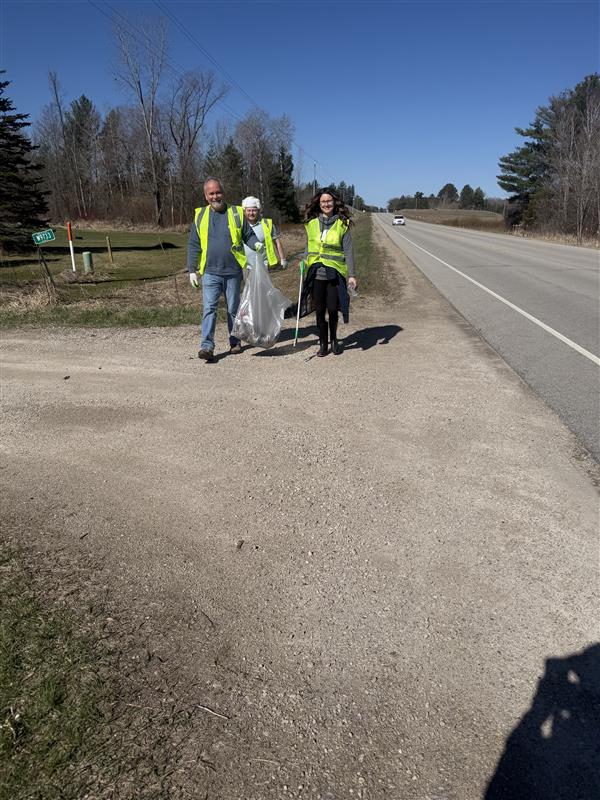
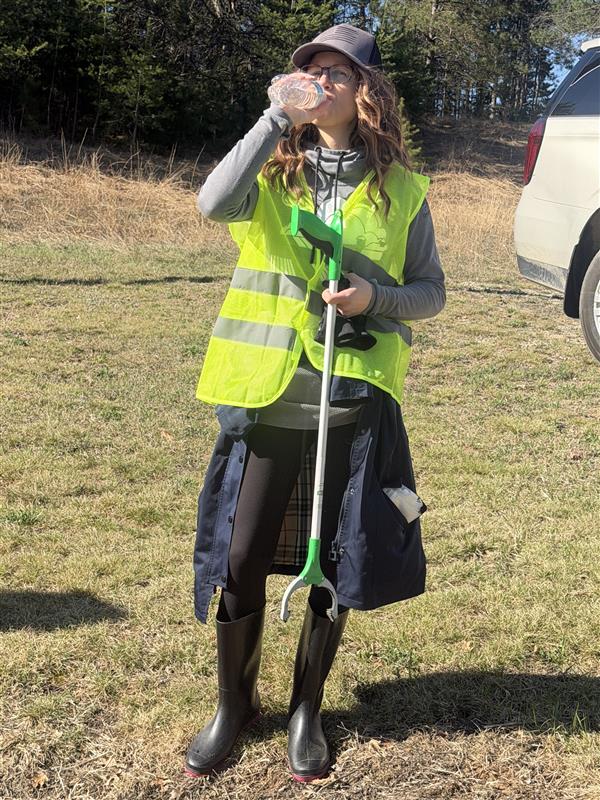
Volunteer Event 3: Highway Cleanup
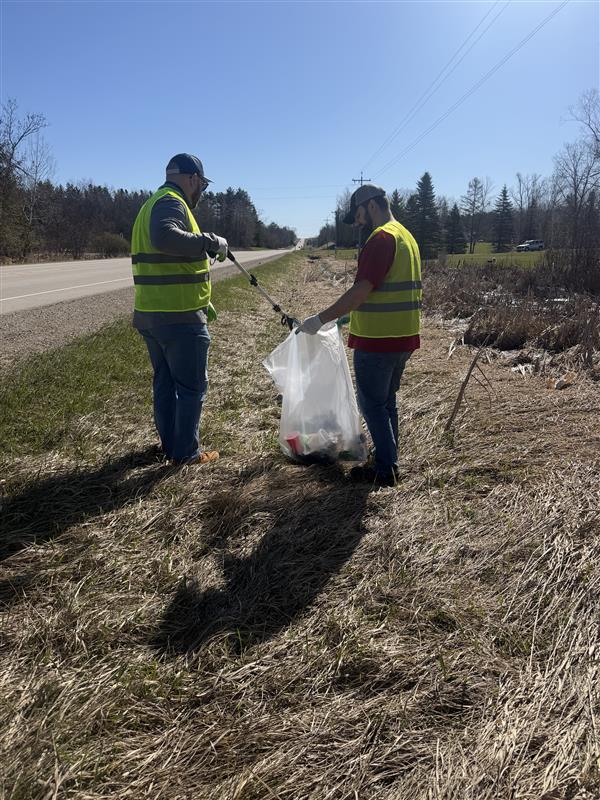
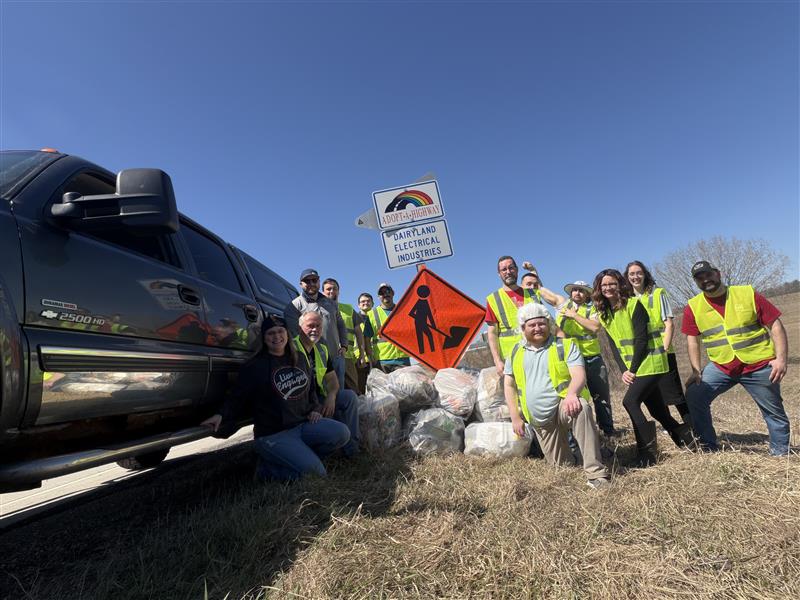
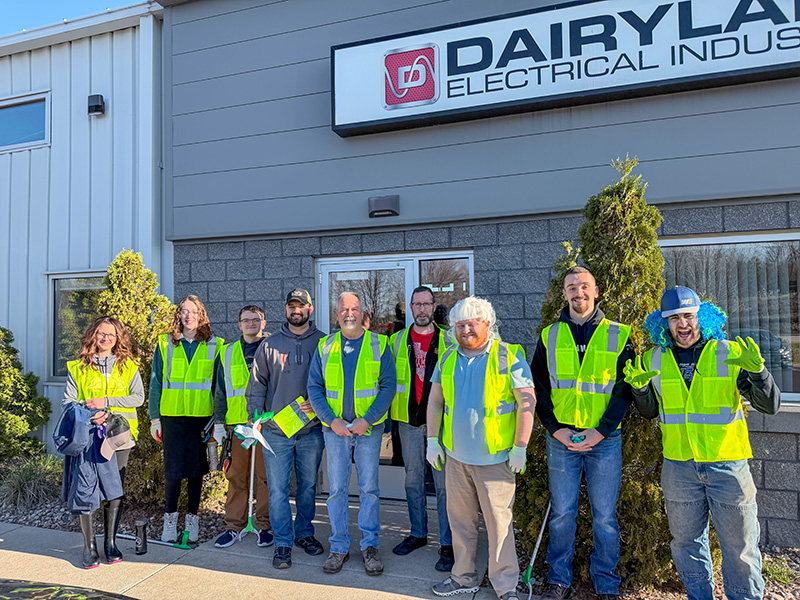
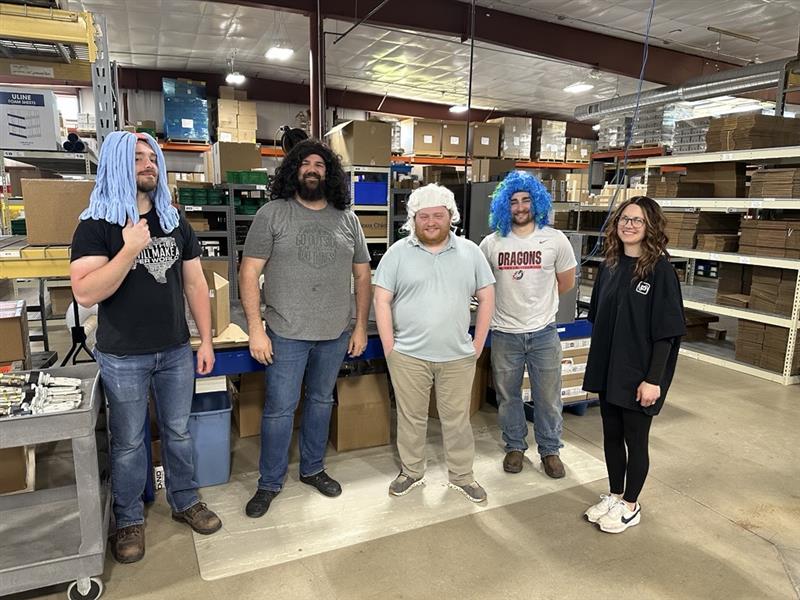
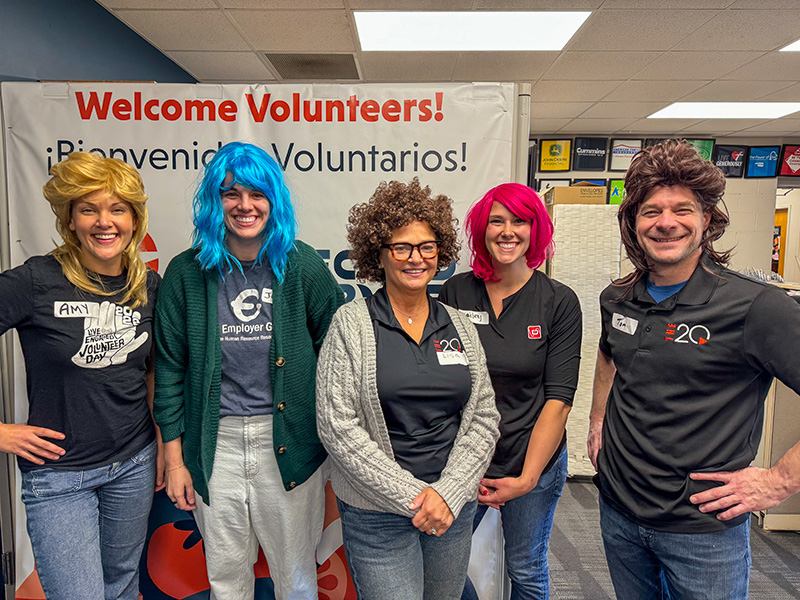
The fearless Pound crew, some Stoughton friends, and several Dairyland partners spent the morning cleaning trash off Dairyland’s sponsored stretch of highway. Note that highway cleanup coincided with Wig Day, and Dairyland employees showed out in neon blue and white wigs!
Cleaning our highways is more than just picking up garbage — it’s about showing pride in our community and respect for the people who live here. Small acts of service can make a big difference, and when we work together to keep our roads clean, we help create a safer, more beautiful place for everyone. Every piece of litter removed is a reminder that positive change starts with people willing to step up and help. — Brandon Baeten
 |
 |
 |
 |
 |
 |
Wednesday’s Spirit Day Theme: “Wig Day”
 |
 |
 |
Volunteer Event 4: Heartland Farm Sanctuary
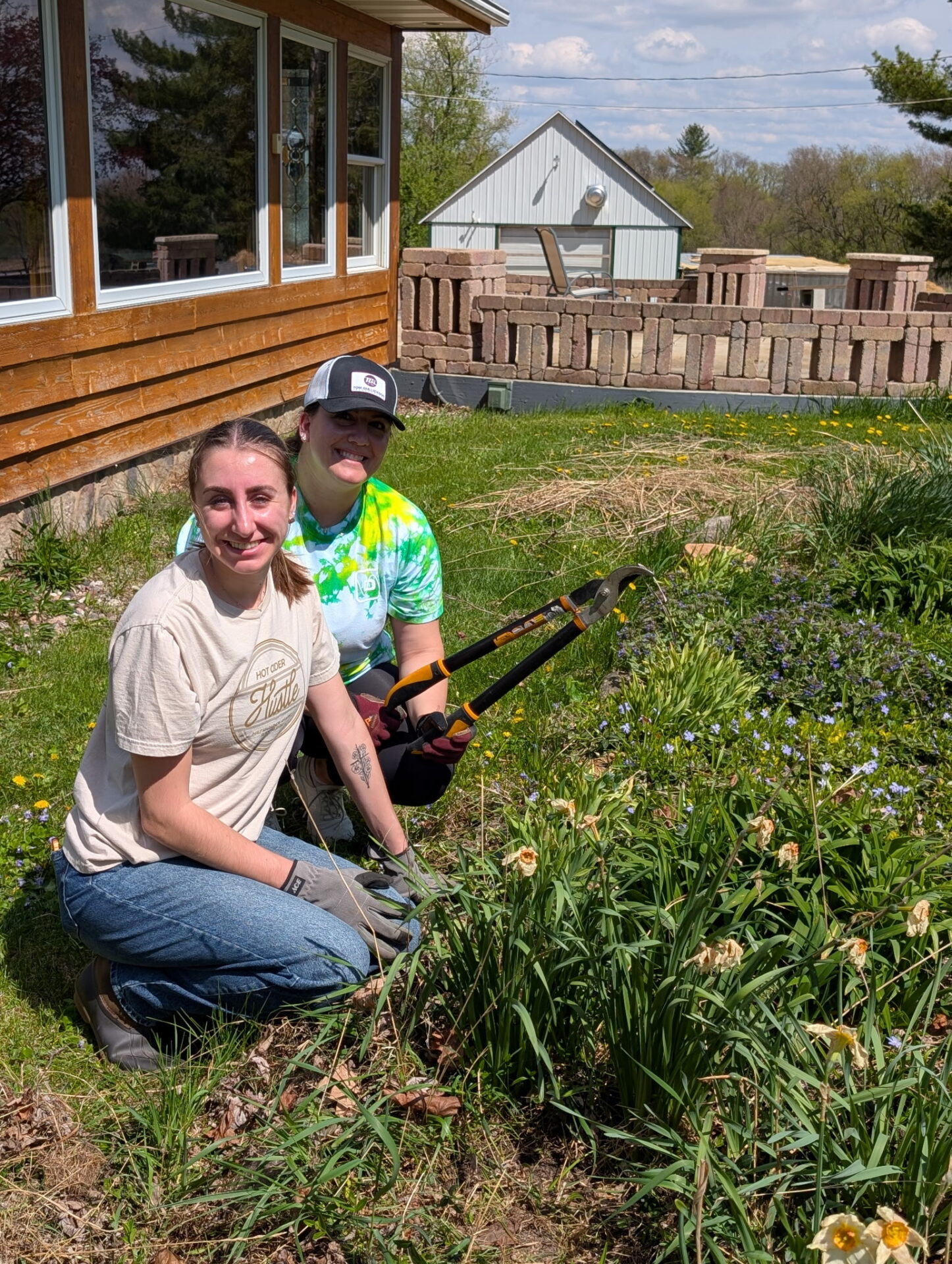
A small but mighty Inside Sales team returned to the Heartland Farm Sanctuary in Stoughton to lay pavers for an accessible pathway and help with spring beautification projects. The Heartland Farm Sanctuary offers rescue and rehabilitation for farm animals on their way to being rehomed.
I love how Dairyland truly encourages each employee to get out of the workplace and go volunteer to serve people and communities well. It’s yet another reminder that Dairyland is more than just a business, but one that cares about what’s going on in the world and people as a whole. — Megan Aasby
 |
 |
 |
 |
 |
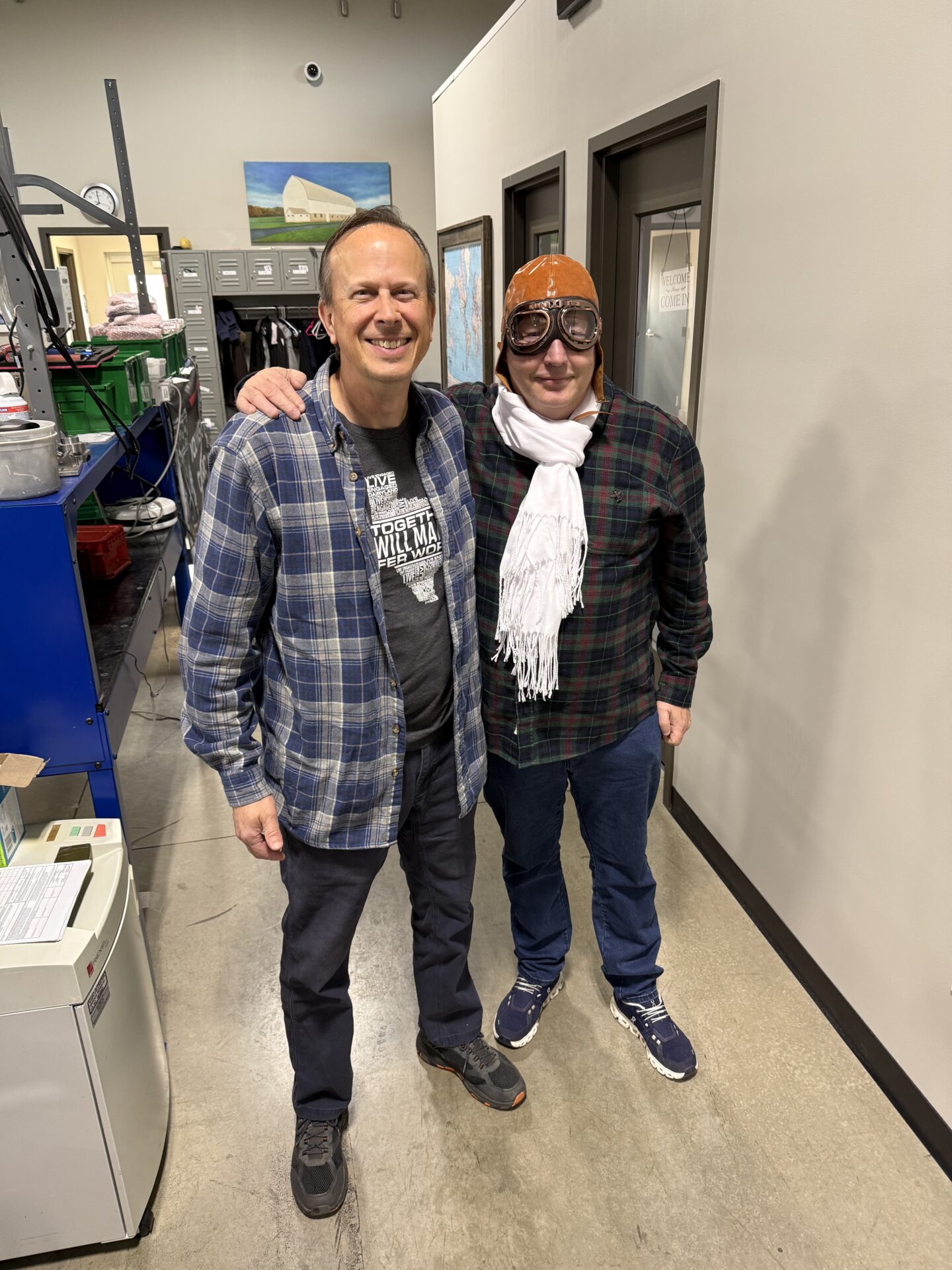
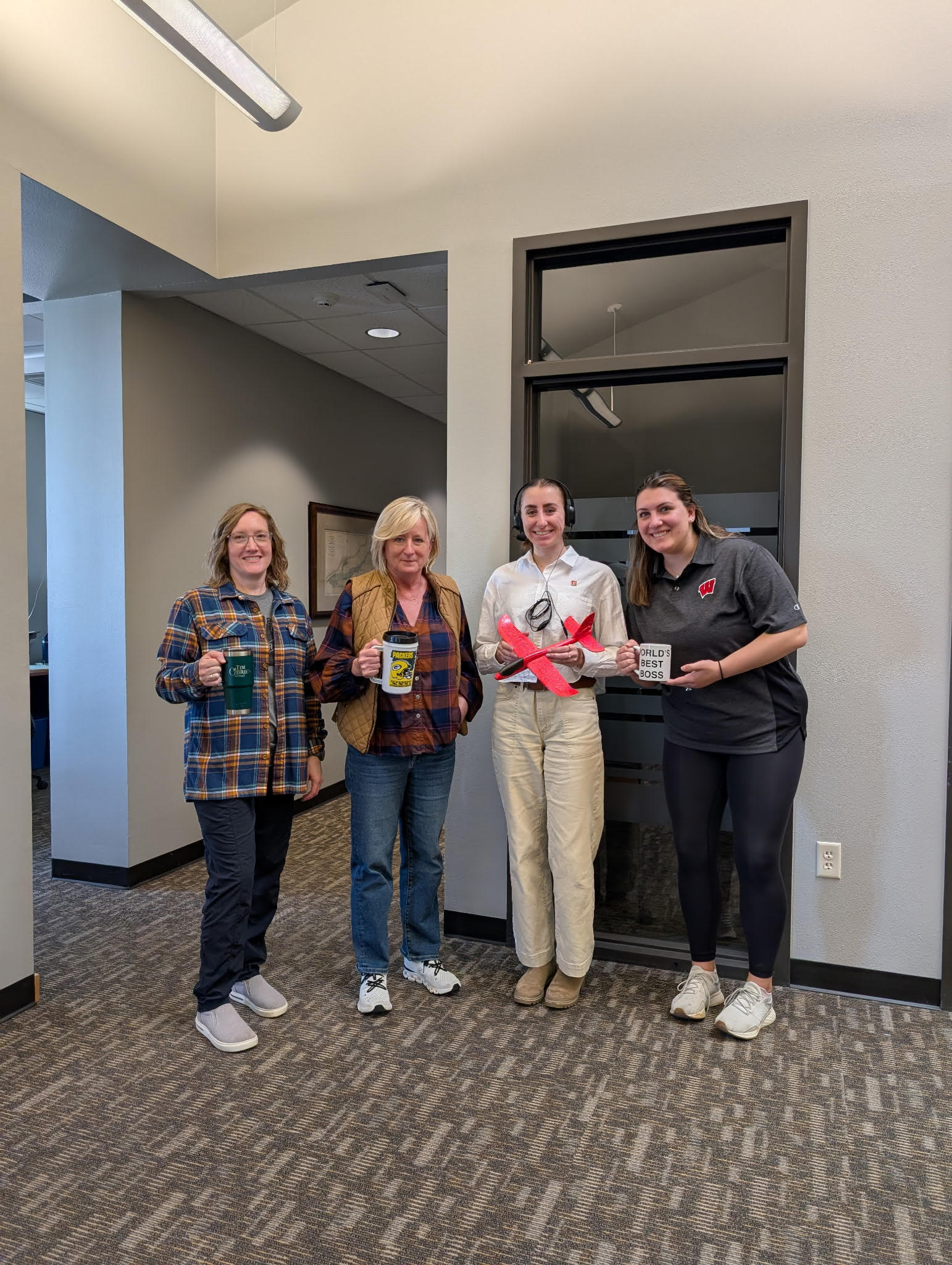
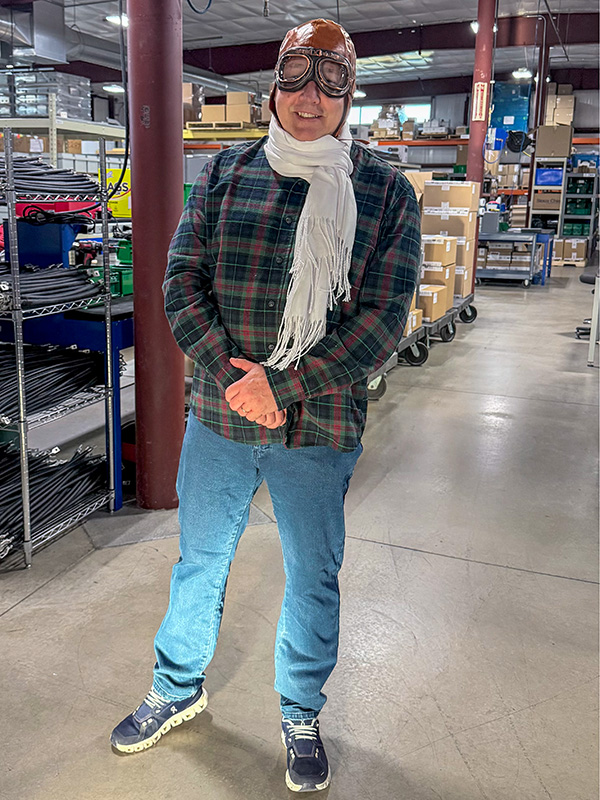
Thursday’s Spirit Week Theme: “Dress Like Mike Day”
 |
 |
 |
 |
Volunteer Events 5 and 6: Phil Eggen and Ben Jacobs
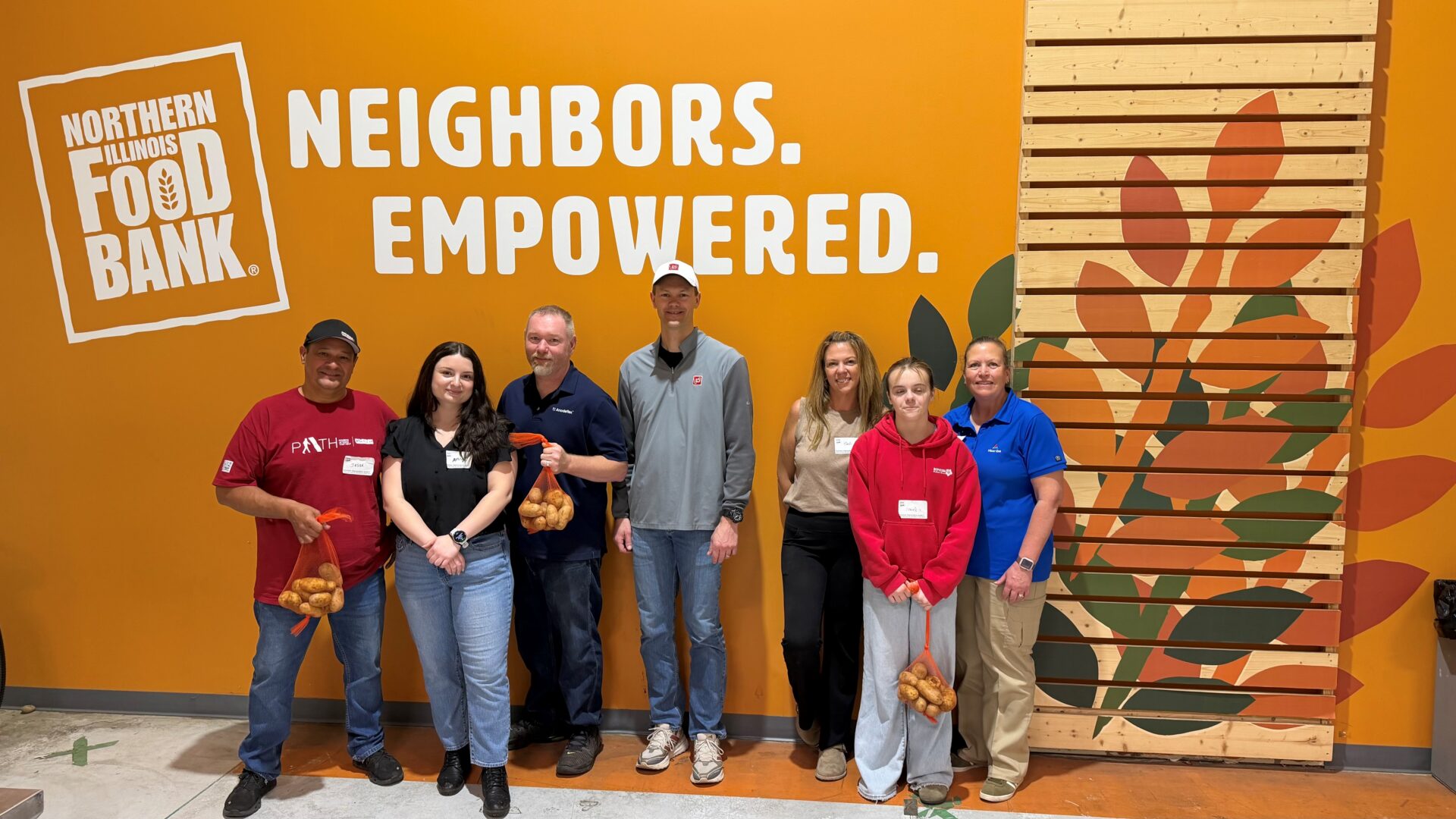
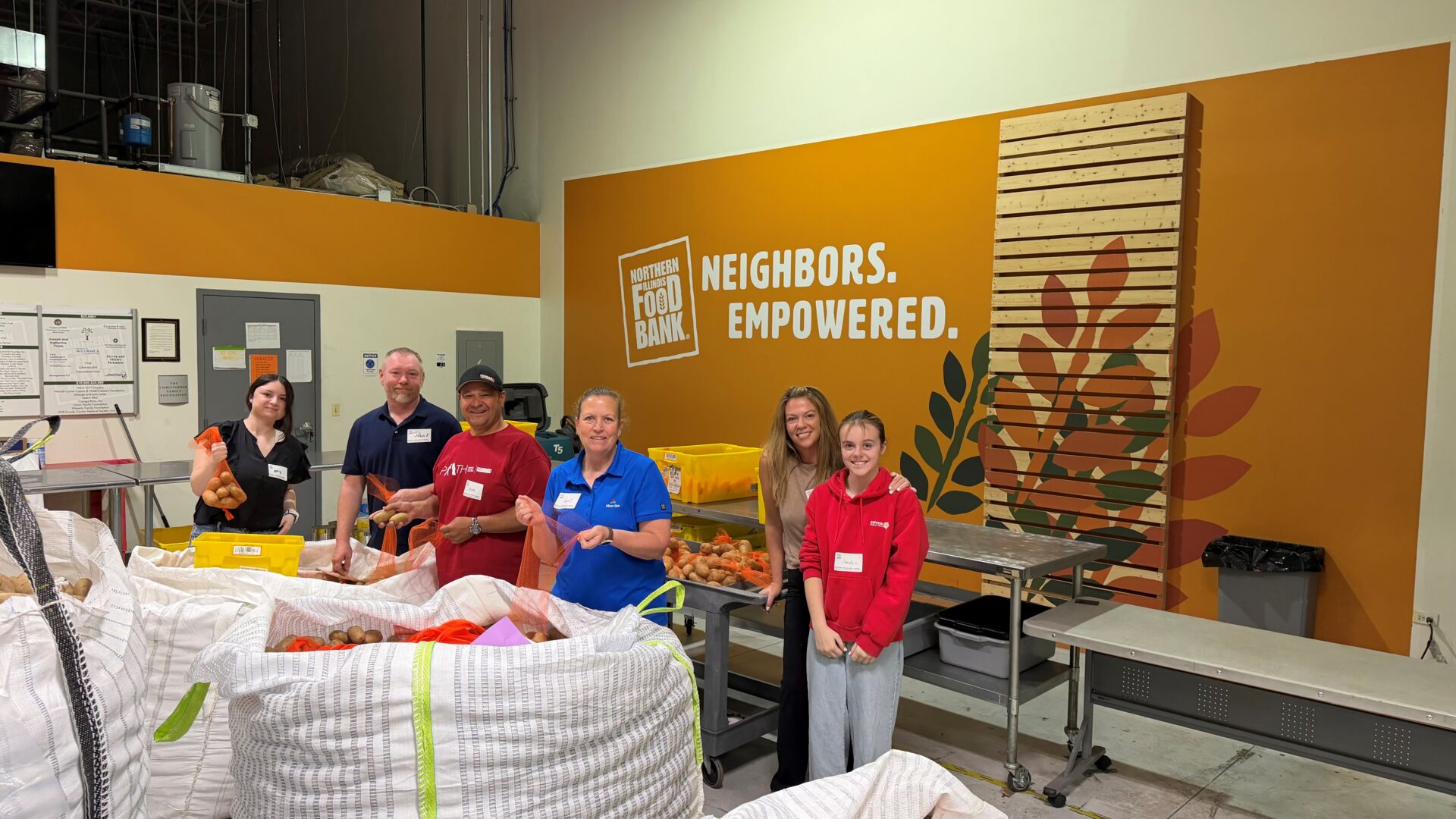
Volunteer week goes nationwide! Employees Phil Eggen and Ben Jacobs organized volunteer events in Chicagoland and Pittsburgh to serve their local communities. Phil brought Dairyland partners Lukas Enterprises, VCP Sales, Nicor Gas, Pembina Pipeline, and Kinder Morgan to the Northern Illinois Food Bank—together, they packaged enough food for 8,698 meals! Ben worked with partners from DT Midstream and local community members to clean up about 12 cityscape blocks and a stairwell in the Southside of Pittsburgh.
I was very proud to lead this event as Dairyland and AMPP Chicago came together to support our local communities through volunteering at the Northern Illinois Food Bank. We plan to continue this partnership and complete more volunteer events in the near future. — Phil Eggen
 |
 |
 |
 |
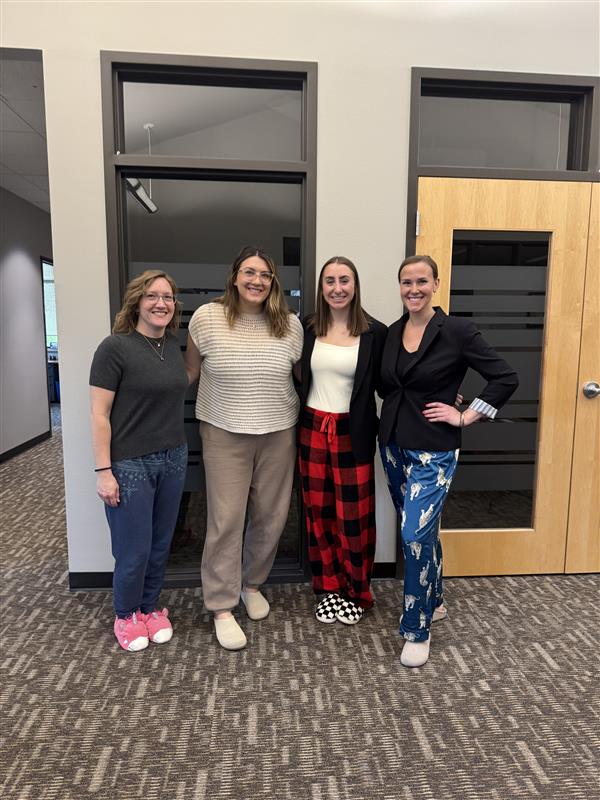
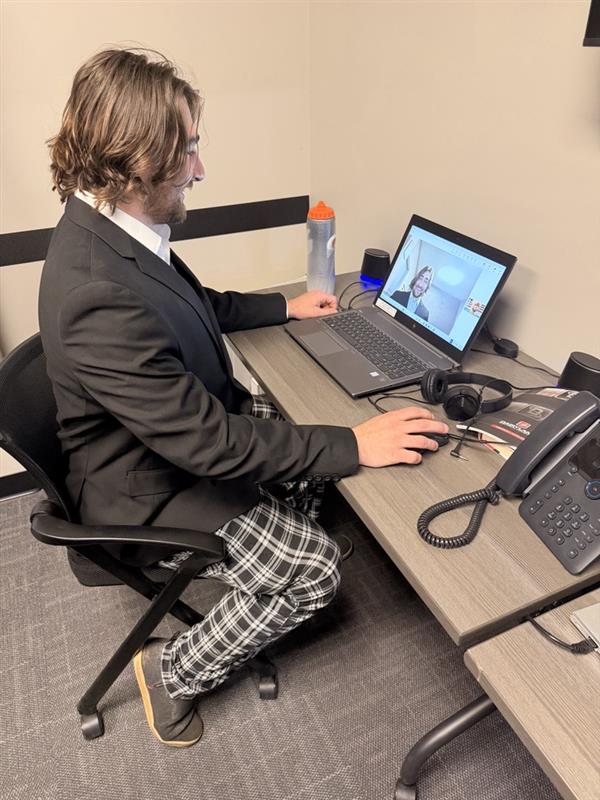
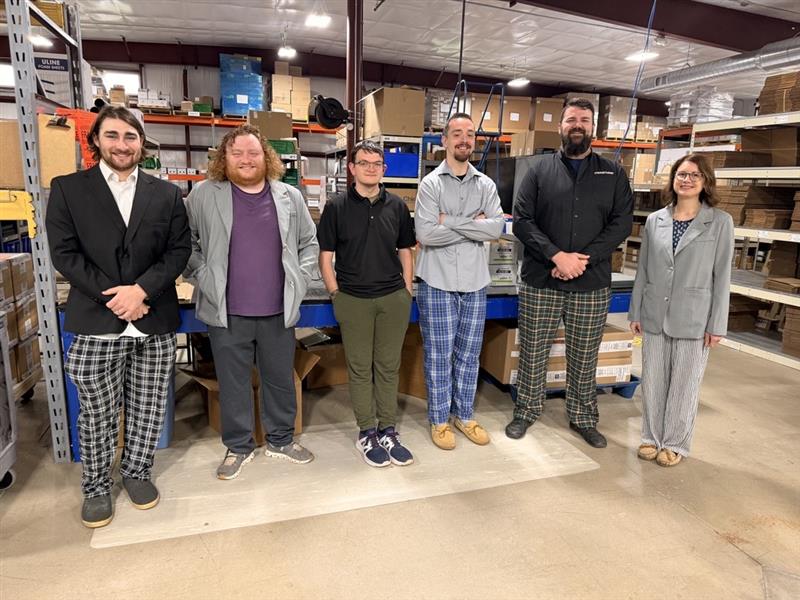
Friday’s Spirit Day Theme: “Work from Home Day”
 |
 |
 |
Volunteer Event 7: Habitat for Humanity
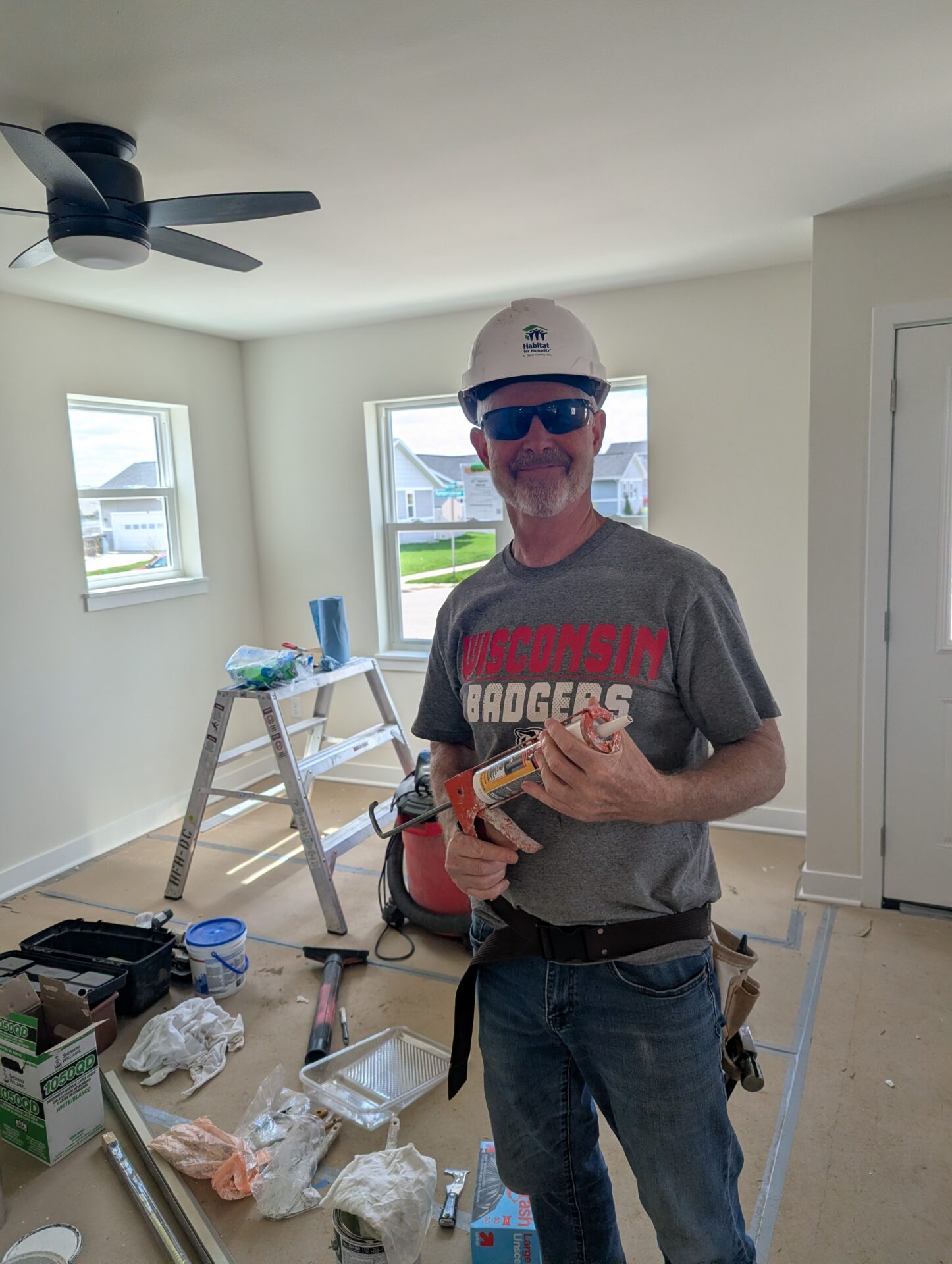
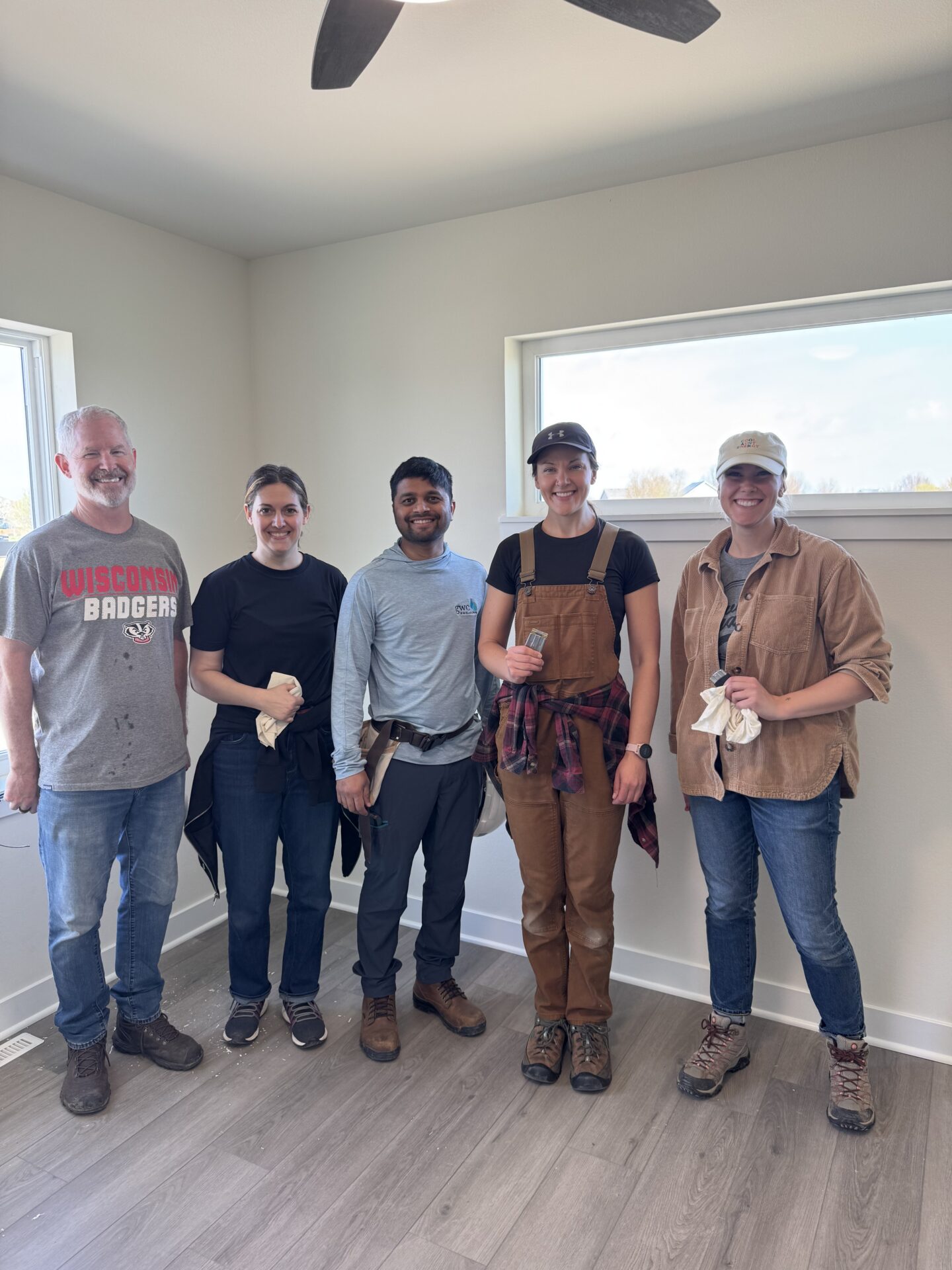
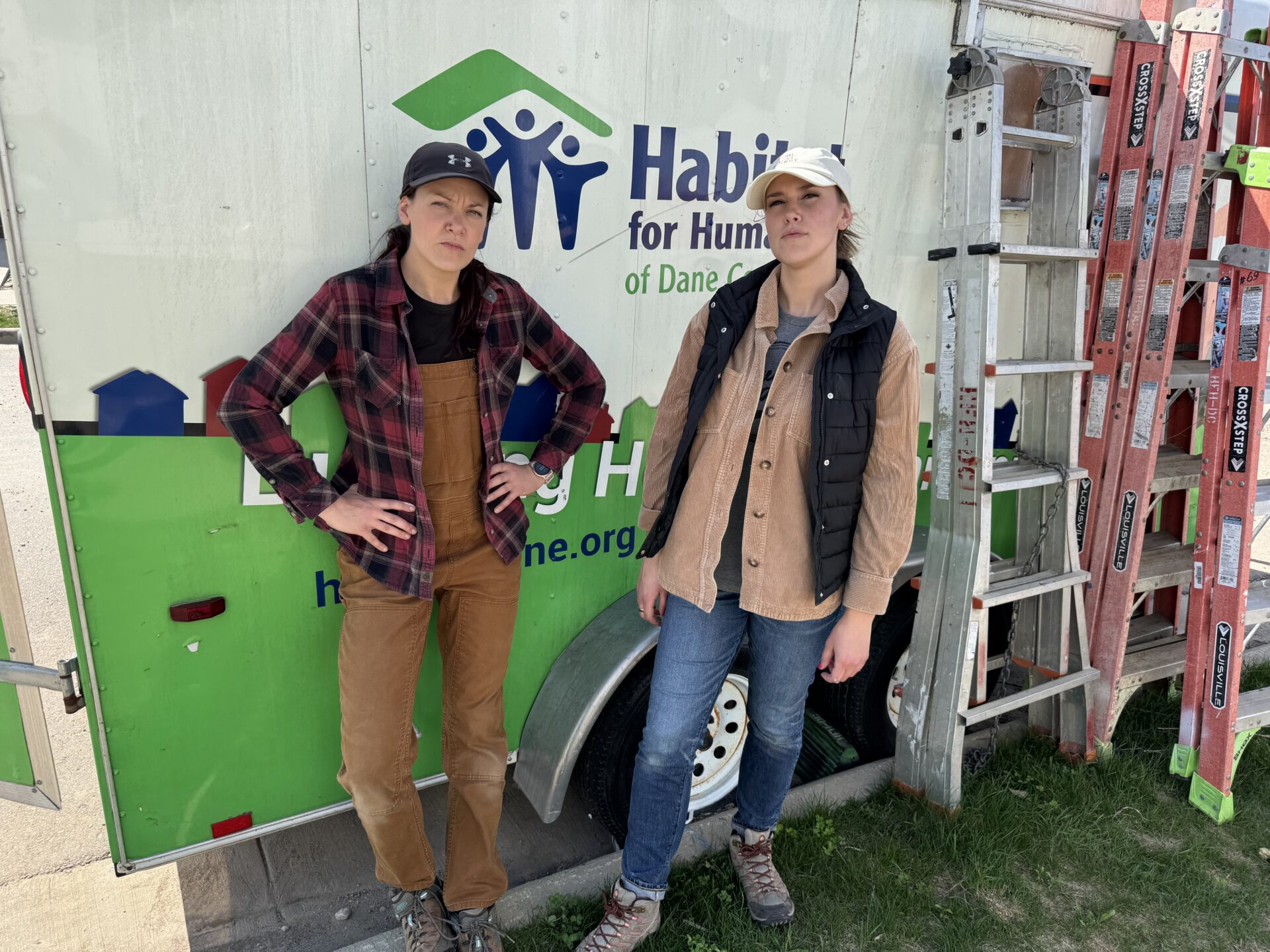
Members of Dairyland’s leadership and business development teams, as well as partner Tracie Duellman Search, volunteered with Habitat for Humanity to complete interior and exterior projects on new housing for low-income individuals. Habitat for Humanity provides sustainable housing across the country and Dairyland has partnered closely with them since 2018, even sponsoring a build in 2021.
[I] really enjoy serving with others and doing the “small” things that add up. [It’s] amazing what can be accomplished when many people give/serve just a little. — Ken Schuh
 |
 |
 |
 |
 |
 |
Conclusion:
This is the heart of Business as a Force for Good: giving of our time and resources to support our communities in tangible, meaningful ways. We carry this spirit with us throughout the year and invite you to do the same.
If you participated in Volunteer Week and have photos you would like to share, please send them to LiveEngaged@dairyland.com.
Thank you for your support, and for partnering with us to use Business as a Force for Good! Keep an eye out for Volunteer Week 2027—we can’t wait to serve with you again next year.
Vision for a Safer World: Dairyland Takes its First Vision Trip to Guatemala
In 2024 Dairyland provided its first opportunity for employees to take a Vision Trip: an immersive cross-cultural experience of our humanitarian partner’s work. This past September, four team members spent a week in Guatemala learning about the work of International Justice Mission (IJM), why it matters, and what it is making possible to build a safer country. They share about this rich experience here.
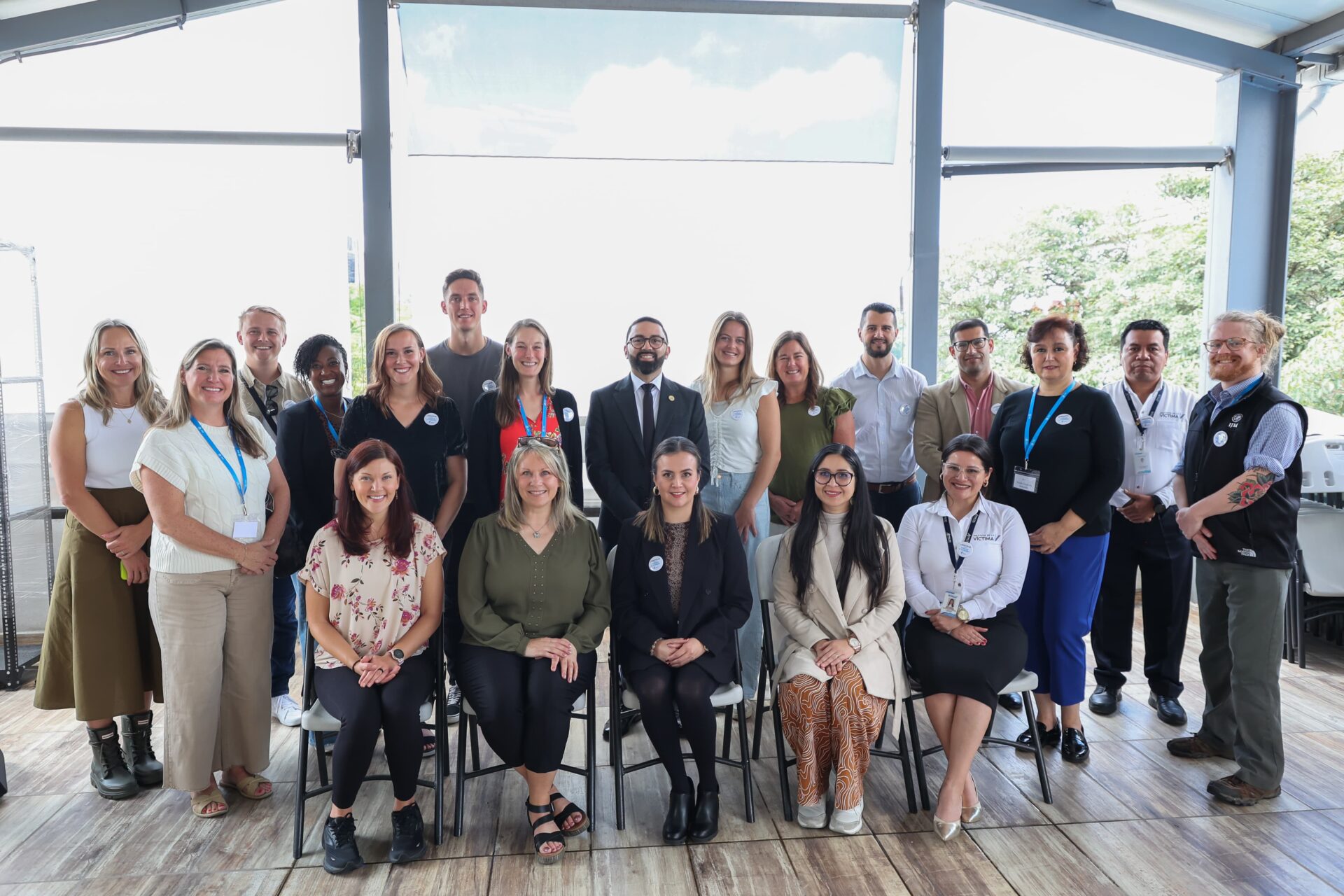
Guatemala is an extraordinary and beautiful country with a complicated history and complex challenges, particularly when it comes to safety for women and children. Sexual and physical violence are all too common. In some neighborhoods, 1 in 4 adolescent girls is a victim of sexual violence. When IJM began working in Guatemala in 2005, human rights experts warned them that the system was beyond fixing, as they believed that change was impossible.
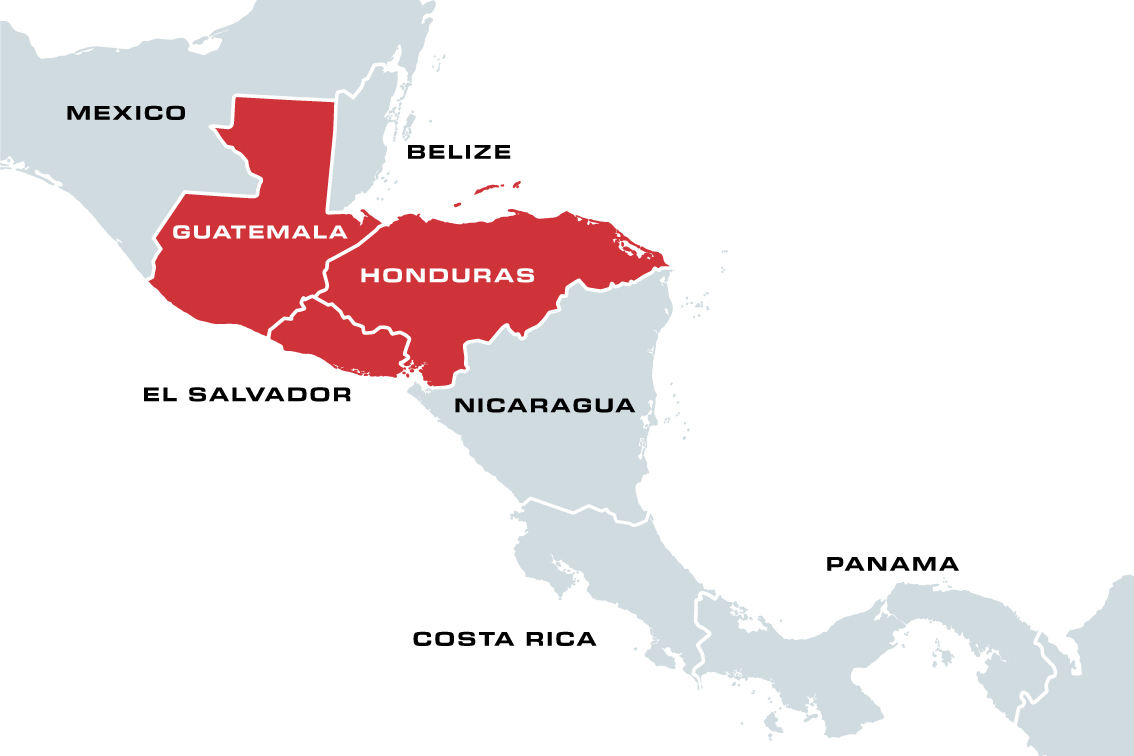
Today, despite the odds, IJM has facilitated a scaled response that is rescuing victims, bringing criminals to justice, restoring survivors, and strengthening justice systems. They are intentionally working themselves out of a job as they equip government and nongovernmental partners across Guatemala to sustain and increase justice. IJM is collaborating across three neighboring countries – Guatemala, Honduras, and El Salvador (known collectively as the Northern Triangle) – to bring stability and safety throughout the region. Dairyland has provided financial support for IJM’s work in the Northern Triangle, making a visit to the area especially significant to us.
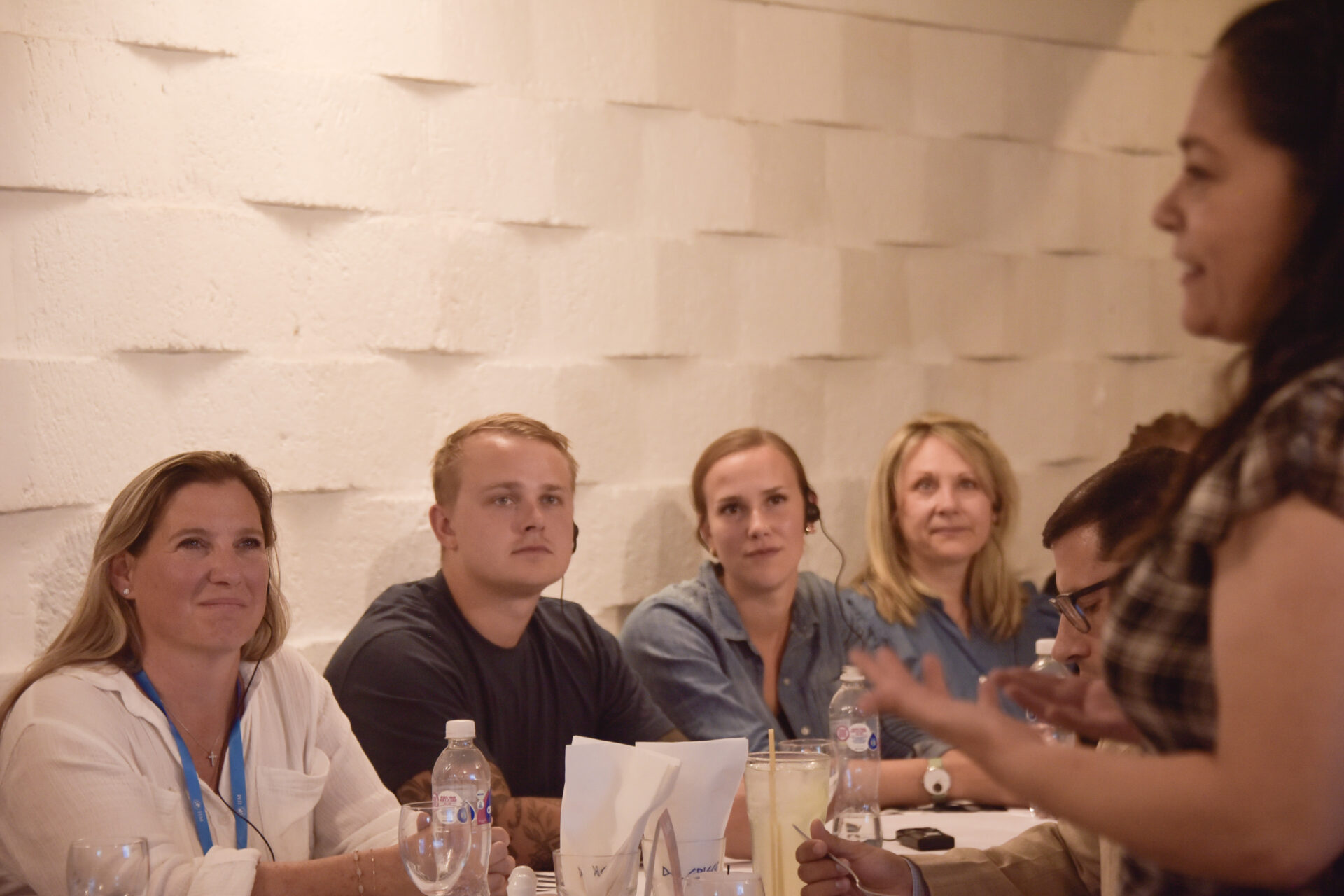
IJM’s Guatemala team, a group of 42 national lawyers, case workers, investigators, and advocates were generous hosts throughout our time, eagerly sharing about their model that has proven effective time after time. They shared stories of victims who are healing, survivors experiencing post-traumatic growth, and tangible data showing that more people will never experience violence through coordinated prevention efforts.
“Our Vision Trip with IJM was a powerful experience, marked by connection with incredible people and a deeper understanding of IJM’s impactful, community-based approach to justice. The trip balanced challenging encounters—like learning about heartbreaking realities and navigating language barriers—with hope-giving evidence of substantial progress and deeply passionate engagement that strengthened my confidence in IJM’s work. I left with a deeper commitment to their mission and gratitude for the experience.” – Amy Wedell, Sr. Manager of Programs & Systems
During our visit, we spent time with members of the IJM team practicing language, sharing stories and photos, and bonding over delicious food (a favorite meal included chile relleno, elote, tostadas, horchata, and steaming rice pudding) as they helped us understand their work. We were introduced to scaling partners like the Instituo de la Víctima (Victim’s Institute) and SVET (Secretariat against sexual violence, exploitation, and trafficking in persons). On two occasions, we had the honor of meeting with survivors.
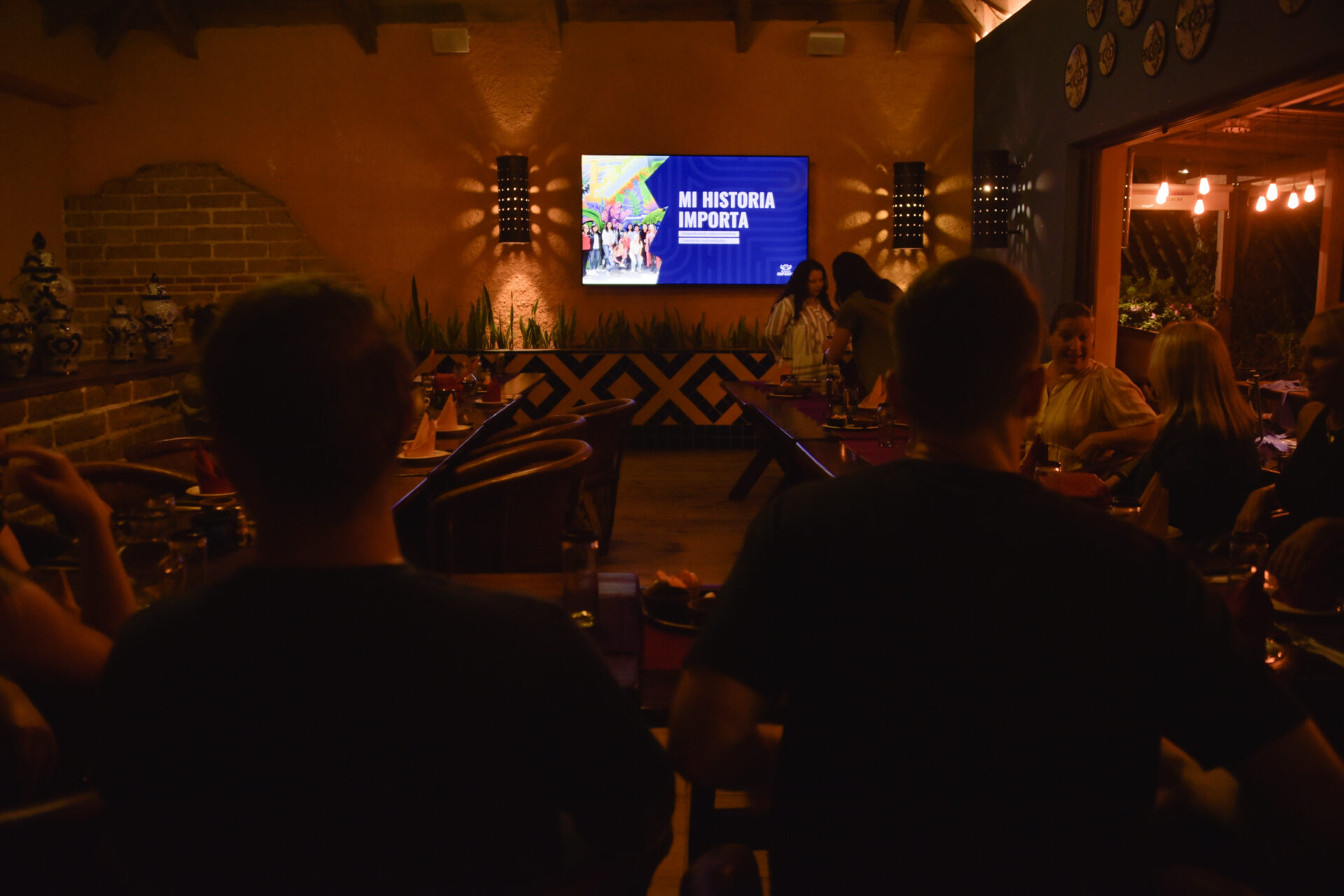
First, we were invited to Mi Historia Importa (My Story Matters), a network of survivors led by survivors that are bringing awareness, healing, support, and empowerment to other women. Their names and the specifics of their stories will not be shared to honor their protection.
The second opportunity involved a special ceremony where four young survivors were celebrated with a pinning ceremony, honoring the courageous steps they have each taken in their healing journeys. Examples include testifying against a perpetrator in court or starting counseling for the trauma. Pride swelled from their faces and IJM’s Country Director, Juan Miguel Rivera, shared that this is often one of the most memorable moments of their lives.
“We invest in Vision Trips because few things can more powerfully speak to our vision, values, and philosophy of using business for good like learning firsthand, building personal relationships, and immersing ourselves cross-culturally. I took this same trip five years ago and was shocked by how much has changed for the better because of IJM’s faithful, persevering presence. It is an honor to be a witness transformational change and the people working tirelessly to make it happen.” – Kailey Tachick, EVP of Finance, Systems, and Culture
We could share many stories and reflections (and do with the broader Dairyland team). We returned more deeply aware of suffering in our world, full of conviction about the success of IJM’s model in action, and hopeful about how safety is indeed becoming more available for women and children in Guatemala. It reinforces Dairyland’s vision of making a safer world and our own contribution to it as we strive to contribute to the company with excellence.
When new and old industry friends gather, it’s sure to be a good time. Add in arcade games, prizes, and an element of generosity and you have a winning combination.
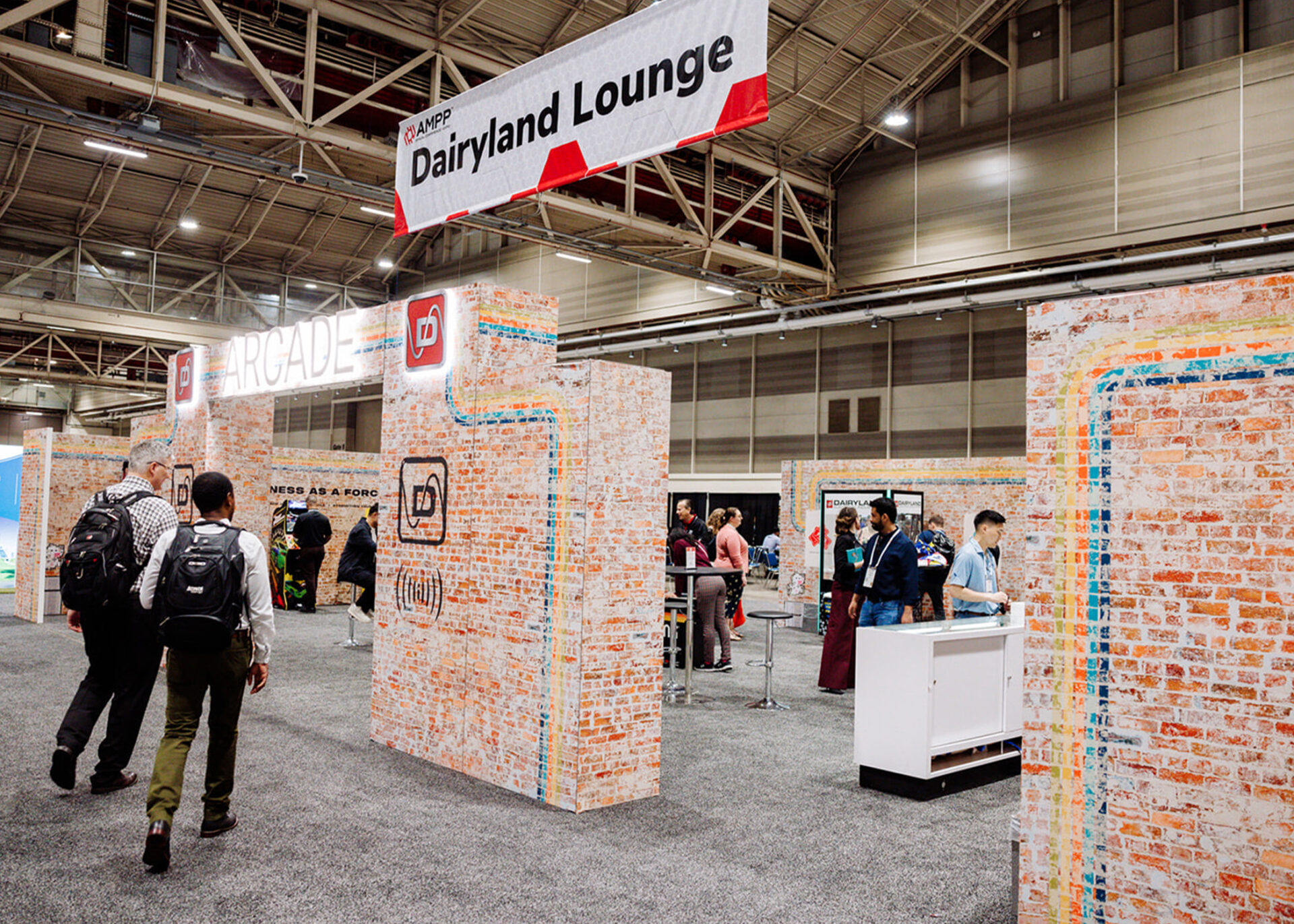
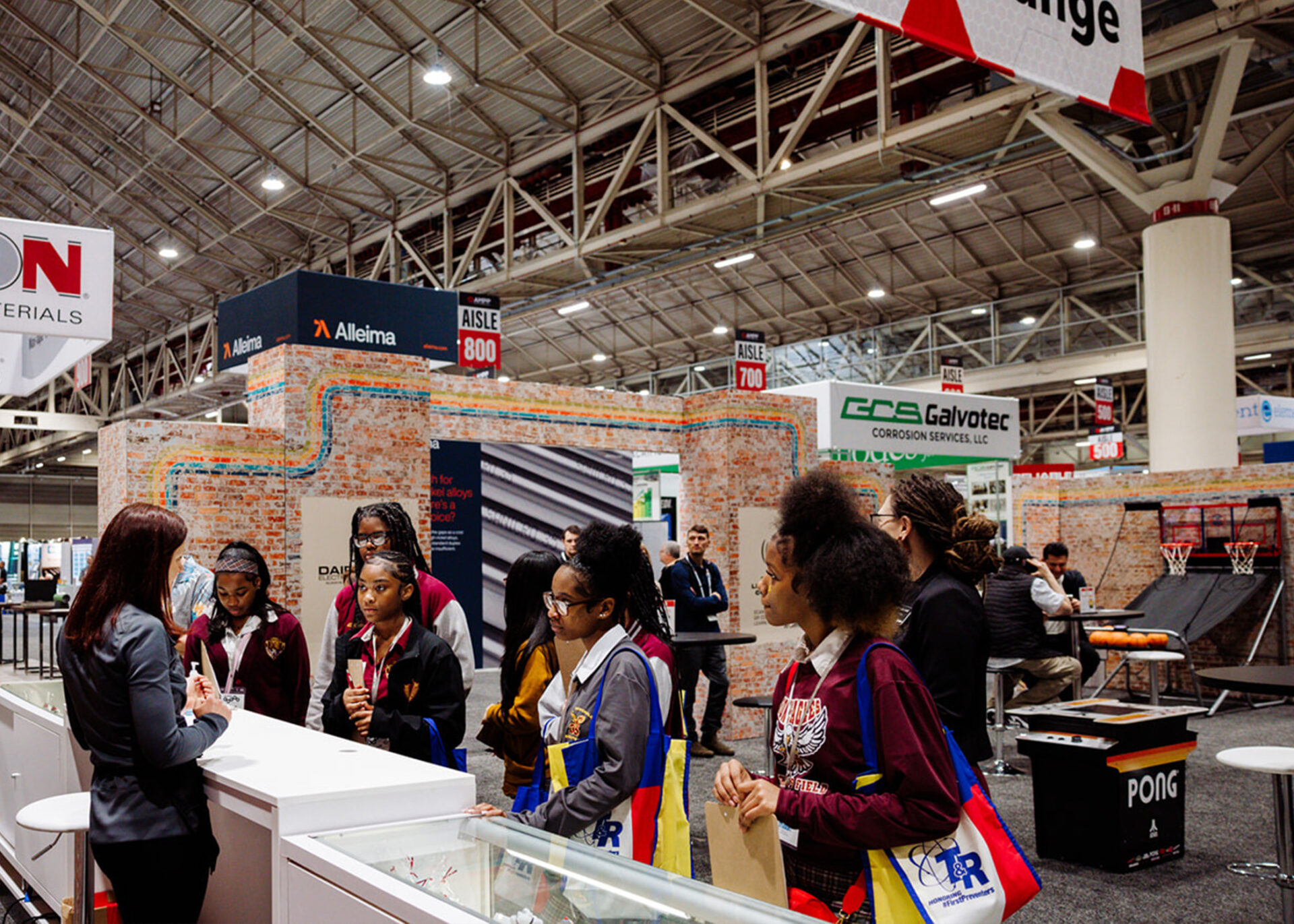
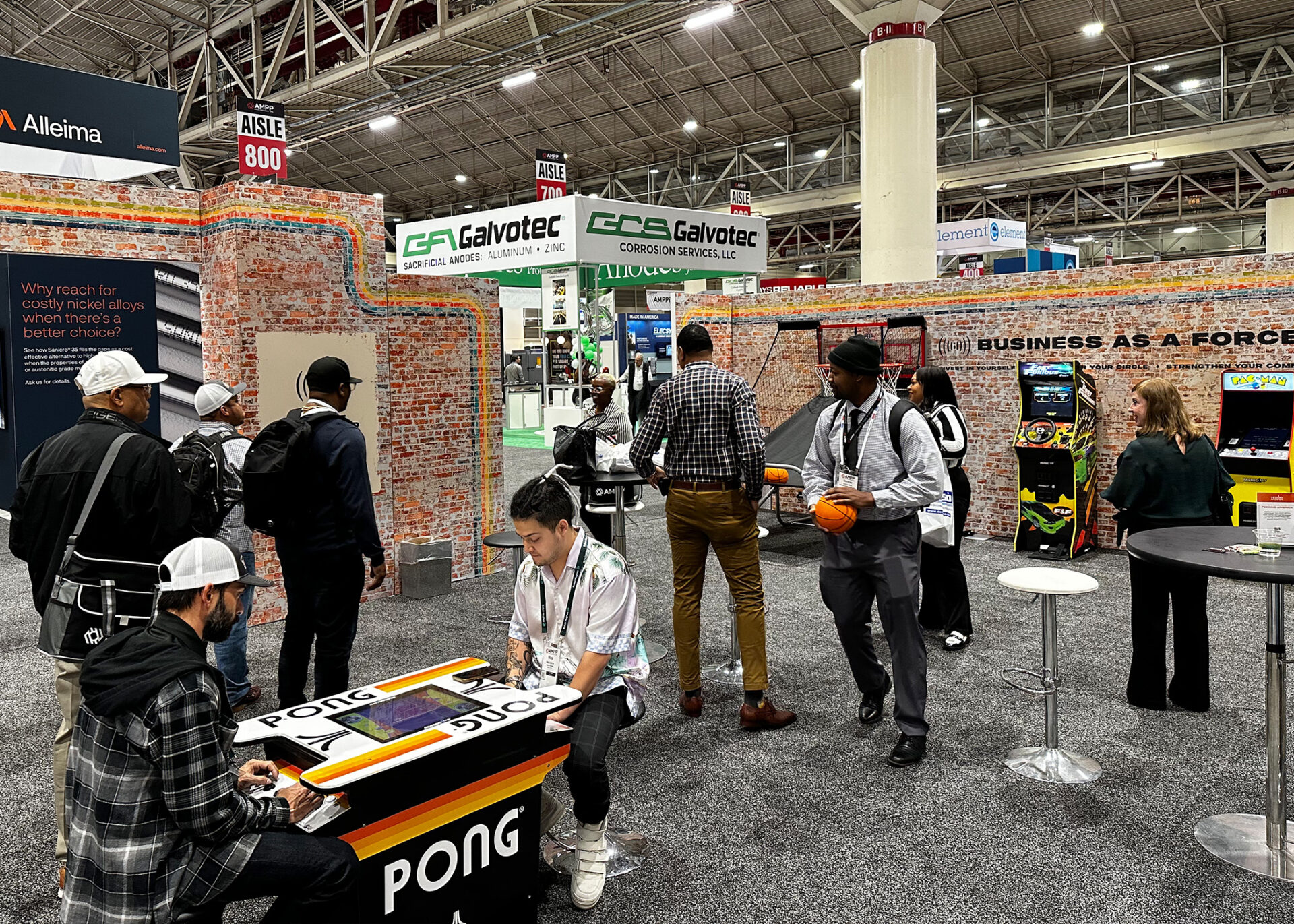
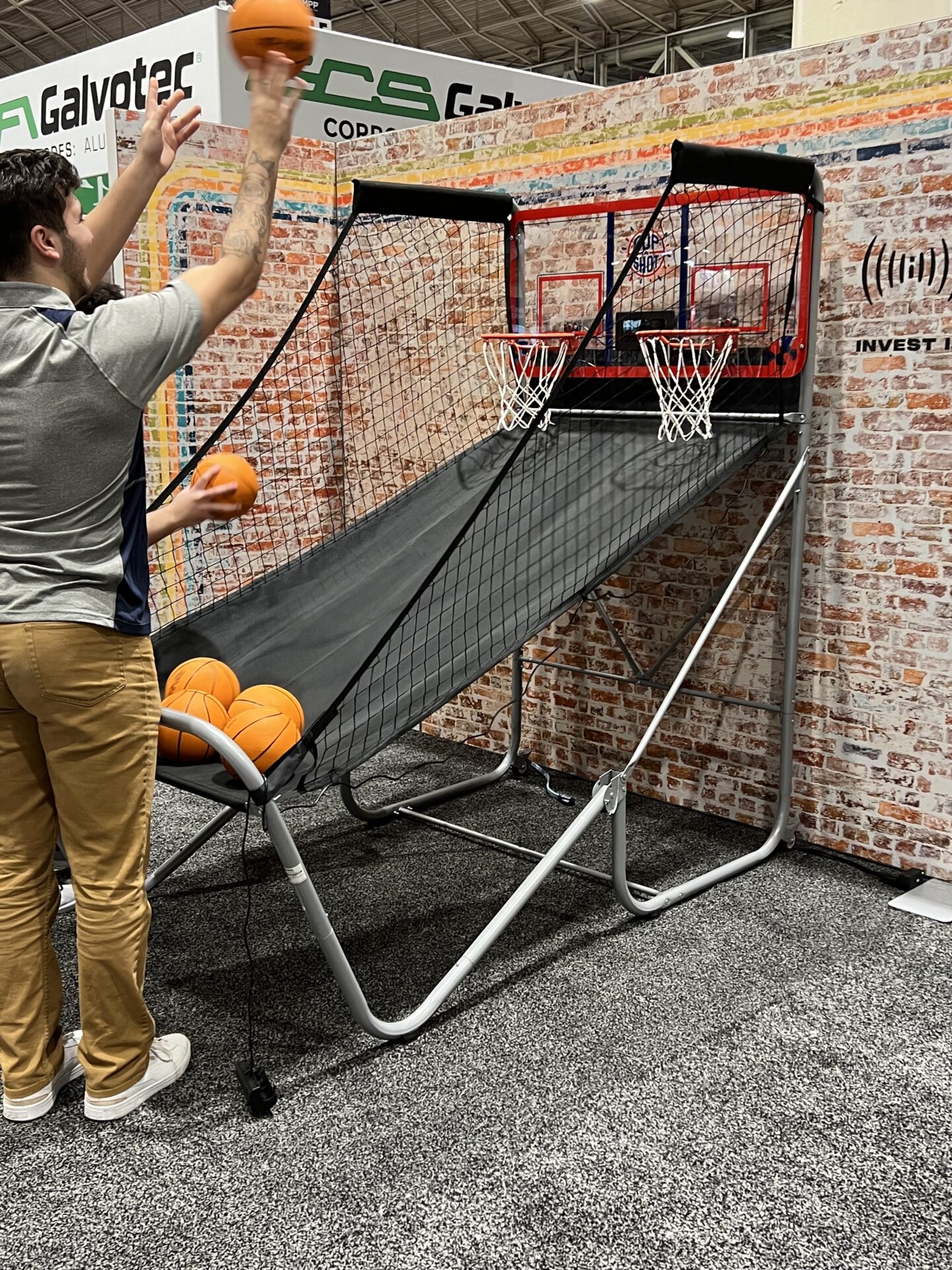
This year attendees at the AMPP Annual Conference + Expo in New Orleans immersed themselves in Dairyland’s lounge filled with throwback arcade games and tickets.
Red tickets were claimed through claw machine victories and were used to redeem prizes at the prize counter.
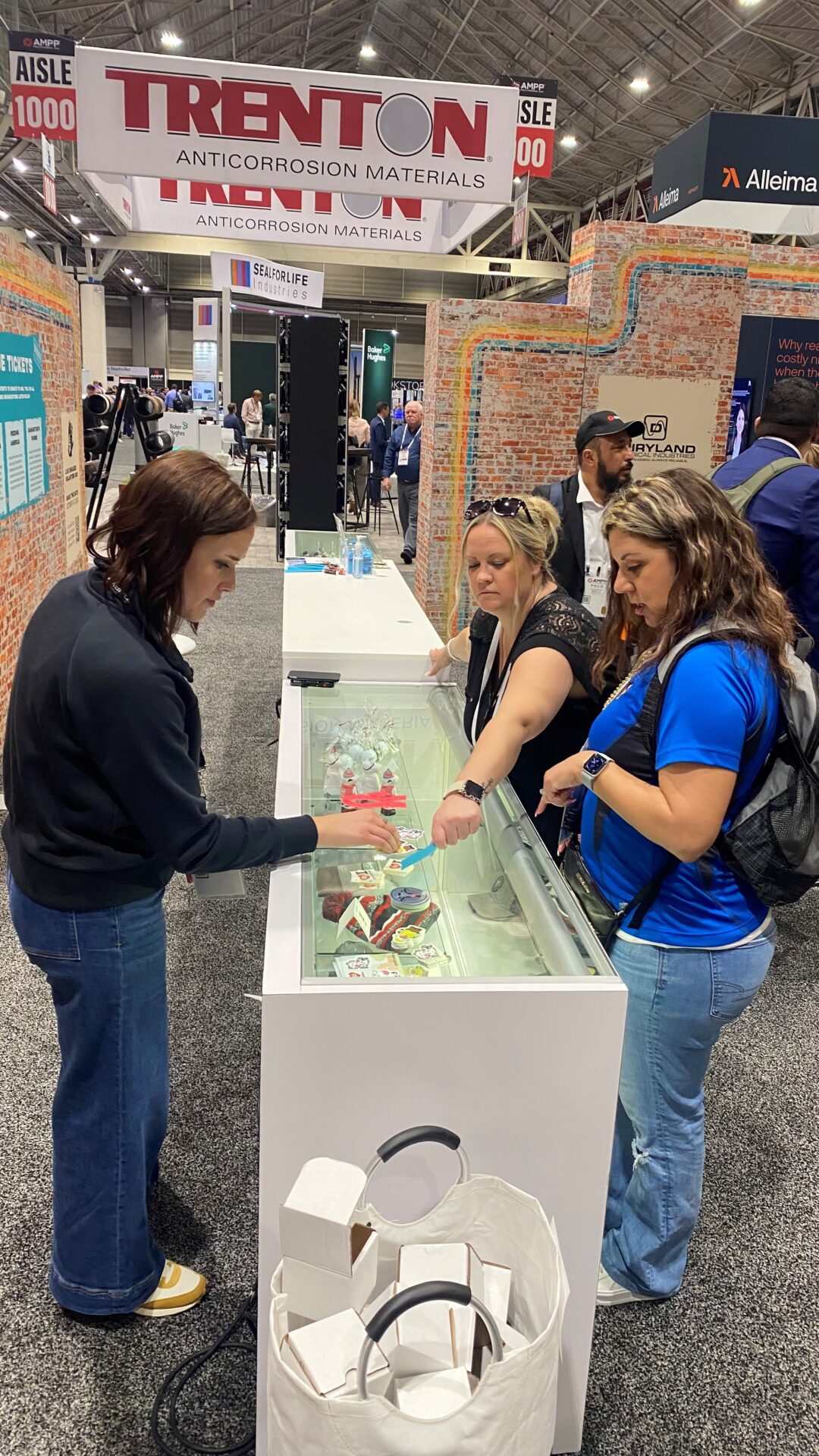 .
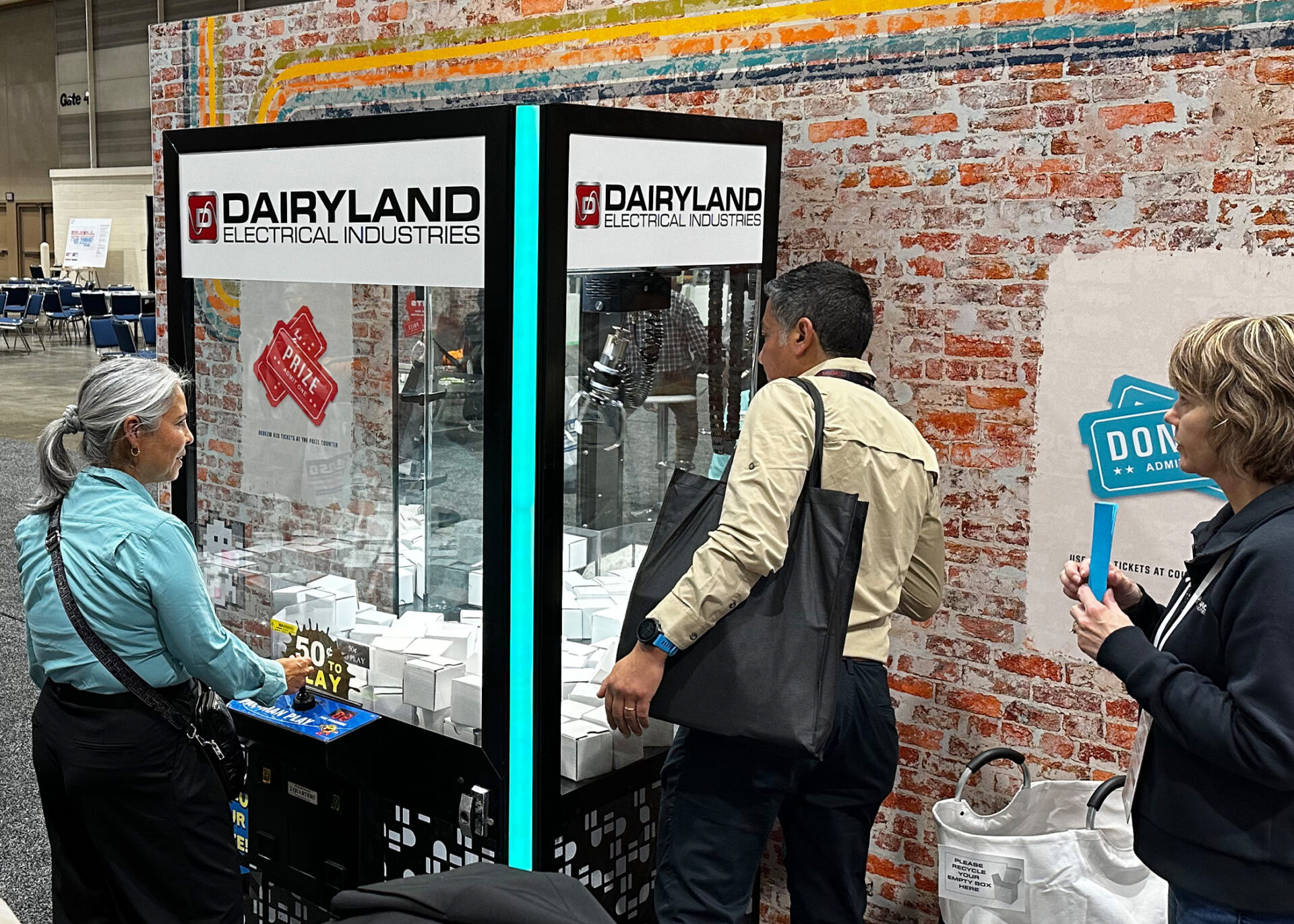
Blue tickets were used to donate to the nonprofit organizations we partnered with. Attendees chose whether to allocate them to one, two, or all three of the organizations; and Dairyland then made donations on their behalf.
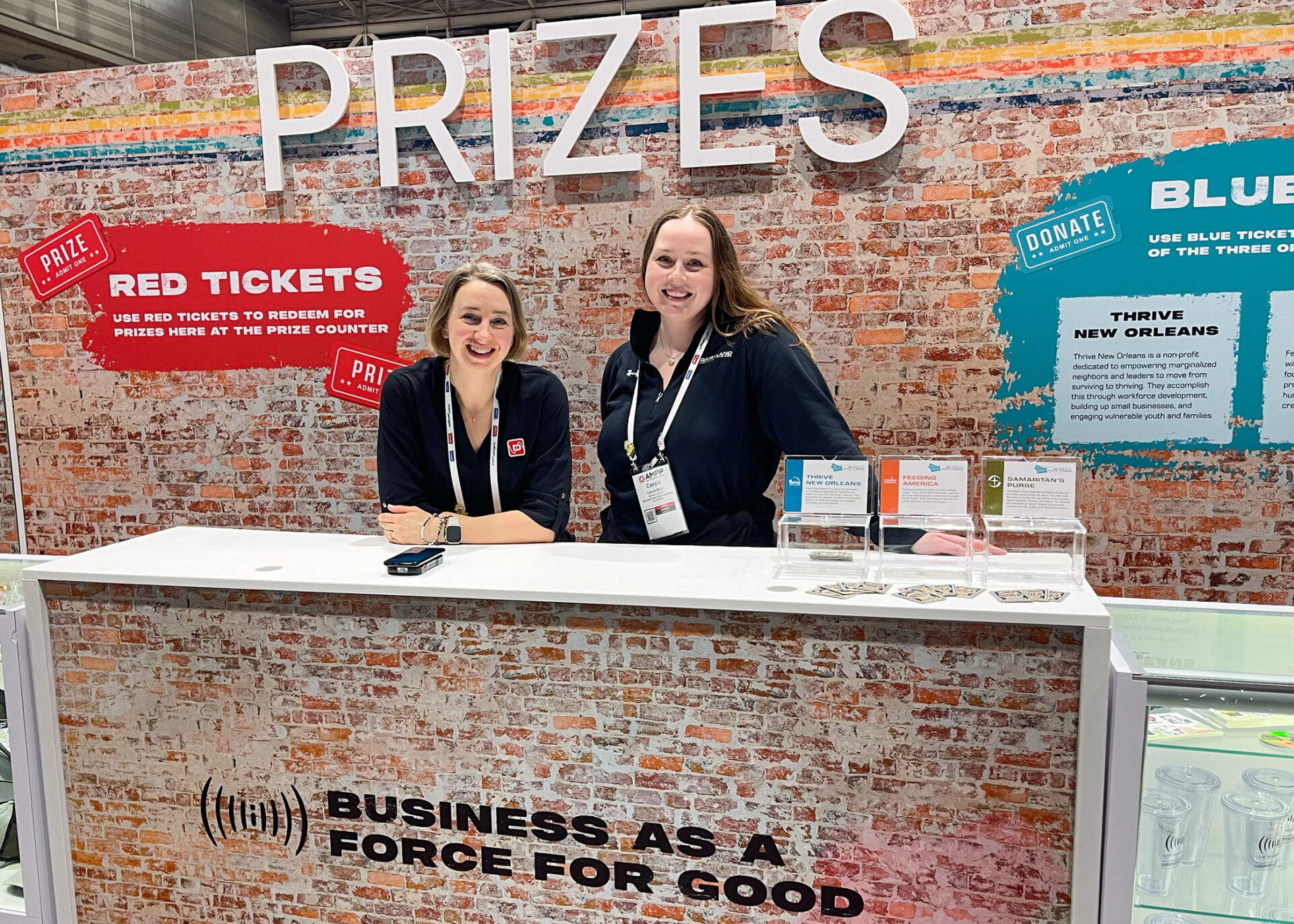
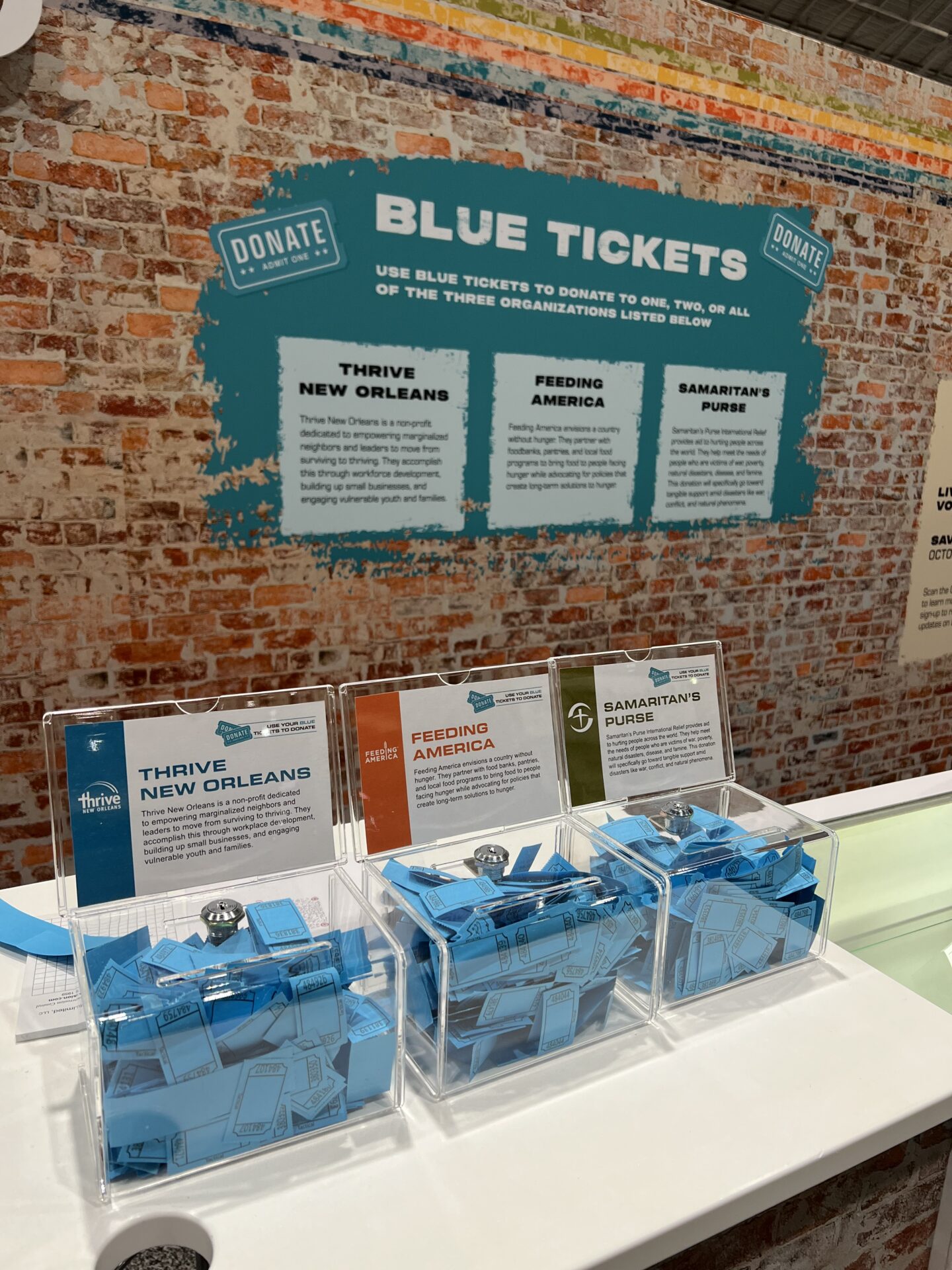
Together, we sent over $2,700 to our three nonprofit partners:
Thrive New Orleans: $853
Thrive New Orleans is a non-profit dedicated to empowering marginalized neighbors and leaders to move from surviving to thriving. They accomplish this through workforce development, building up small businesses, and engaging vulnerable youth and families.
Feeding America: $1,134
Feeding America envisions a country without hunger. They partner with foodbanks, pantries, and local food programs to bring food to people facing hunger while advocating for policies that create long-term solutions to hunger.
Samaritan’s Purse: $761
Samaritan’s Purse International Relief provides aid to hurting people across the world. They help meet the needs of people who are victims of war, poverty, natural disasters, disease, and famine. These donations specifically go toward tangible support amid disasters like war, conflict, and natural phenomena.
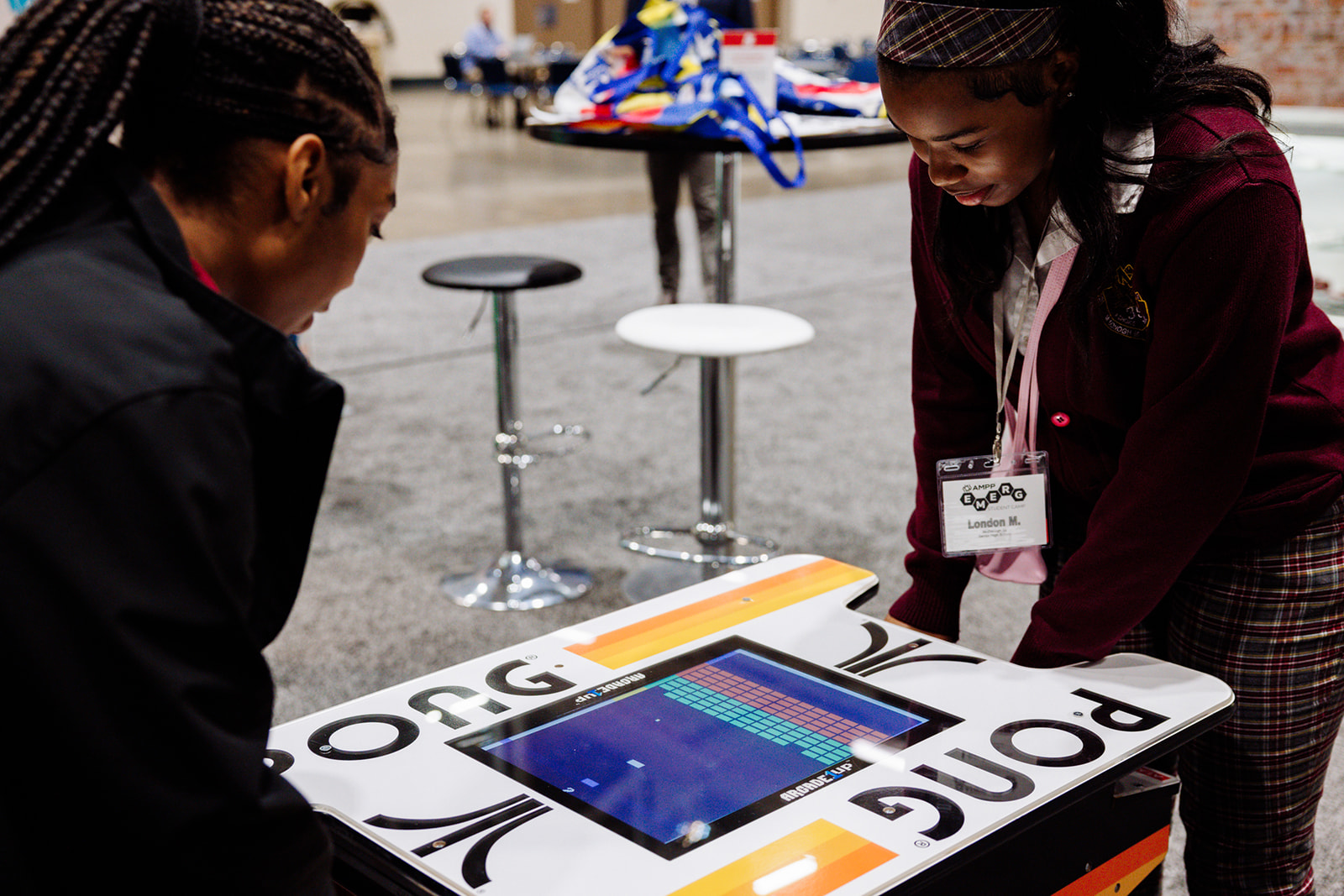
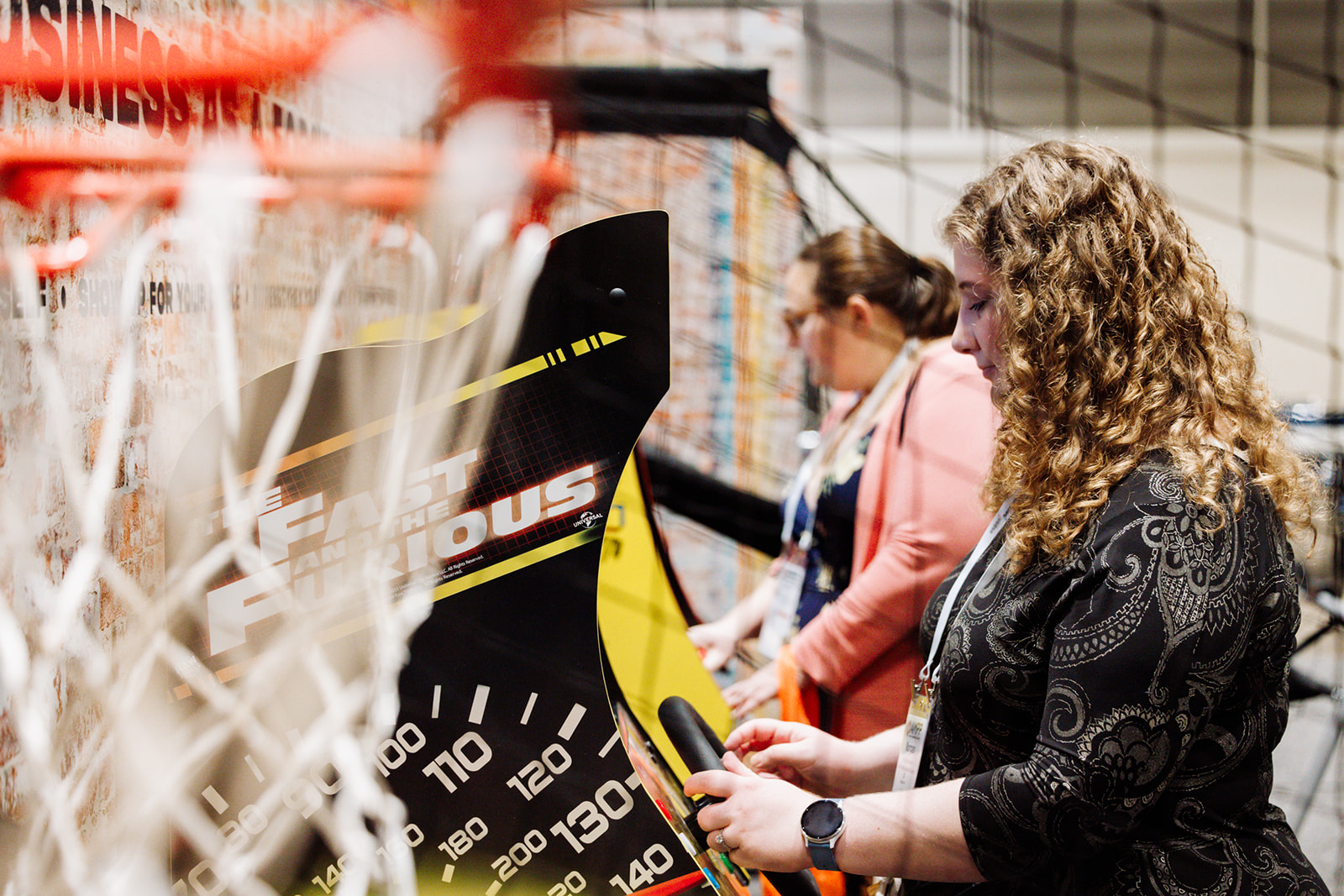
The arcade and pop-a-shot games used in the lounge were also donated to Thrive New Orleans after the event.
“We are so grateful to Dairyland for providing Thrive with these incredible gifts,” said Oscar Brown, Director of Thrive 9th Ward Community Center. “At Thrive, we aim to invest in families and the arcade games provided to us not only gives our young children a chance to have a fun and safe space to enjoy themselves during leisure activities, but it also propels our mission to invest in families and be a constant support pillar in the lives of the young children in the neighborhood.”
Thank you to each person who stopped by, designated their donation, and claimed their prizes.
We look forward to seeing you all next year in Nashville!
_____
At the conference, we had several people ask how they could personally contribute to the represented organizations. While Dairyland is thrilled to make the donations on behalf of lounge visitors, and does not expect additional contributions, if you feel compelled to personally donate to their work, you can make a direct donation to the organizations using these links:
Thrive New Orleans
Feeding America
Samaritan’s Purse International Relief.
_____
Join us for Live Engaged Volunteer Day 2024, a time when the industry comes together to meet a need they care about in their local communities. Learn more and register here.
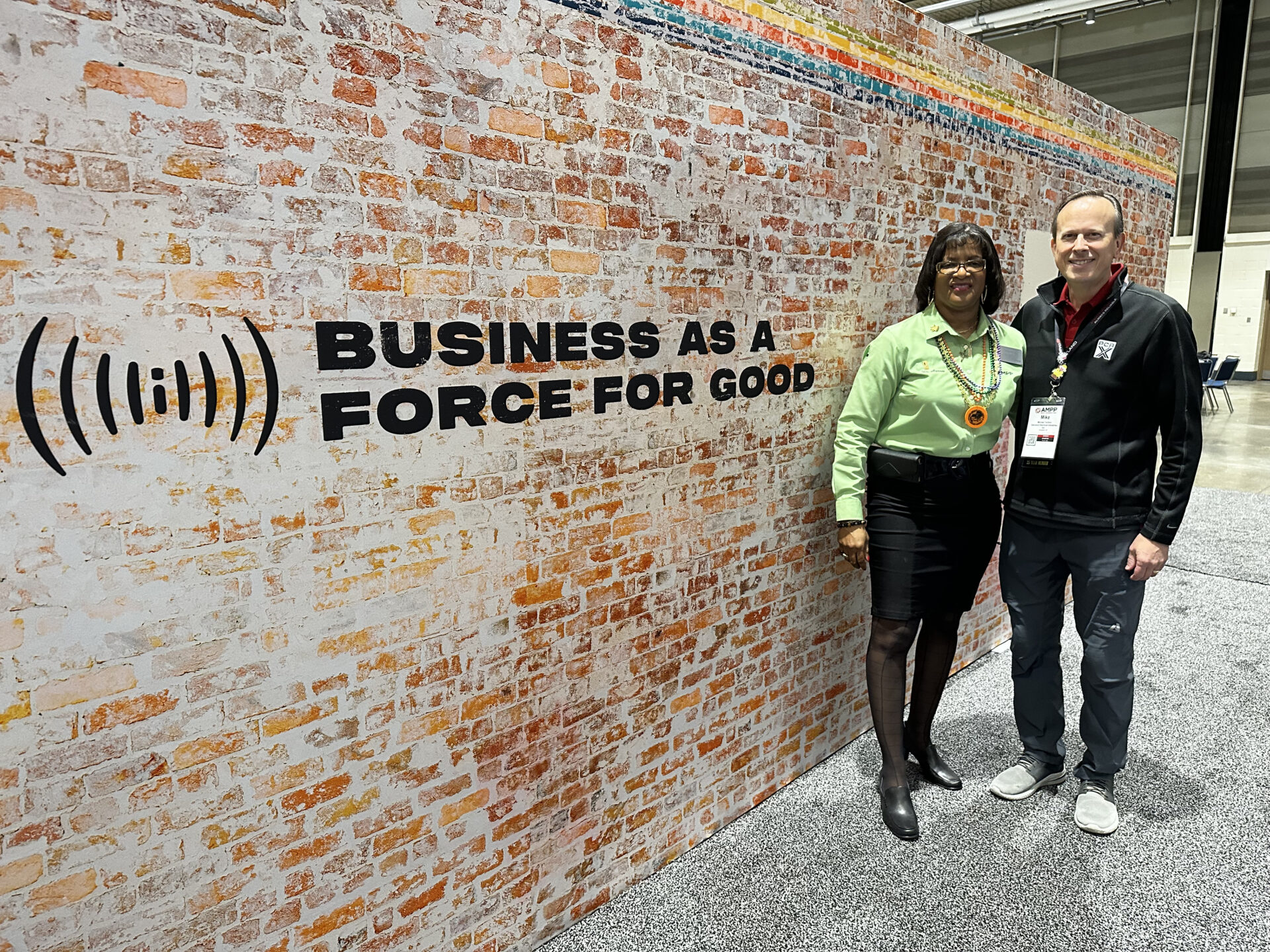
Making a Safer World: that’s our vision as we strive to leverage business for good. Through products, technical support, and service, we keep people and infrastructure safe. But we are compelled to promote safety in other forms too, alongside carefully selected humanitarian groups who work to address human suffering, such as our partner, International Justice Mission (IJM).
Dairyland just committed to a three-year focused investment in one of IJM’s global field offices to “build a future without violence, where survivors can flourish without fear.” In this post, you will learn why this partnership matters to IJM and our team, and the possibilities it creates for survivors of violence.
What the Team Had to Say
When we were approached with the opportunity to deepen our engagement with IJM by partnering with a field office, we could not pass it up. The partnership will span at least three years, allocating funds and helping the Dairyland team immerse themselves in IJM’s work as informed partners.
To select a site that would be representative of Dairyland’s commitments and convictions, we asked all Dairyland team members to help us pick. After much deliberation and a tally of votes, it was determined that we will partner with the Guatemala Field Office (soon to become the Northern Triangle Office including Guatemala, Honduras, and El Salvador).
Here are a few excerpts from the Dairyland team about why partnering with the Guatemalan / Northern Triangle field office is important to them:
“No one wants to leave their home, but many are willing to take on the risks if they don’t feel safe in their own country…creating a safe home environment is the first step in saving countless lives. And that is in addition to the other work being done [by IJM] in this specific field office.”
“While circumstances are dire all over the world, there is something compelling about making sure your country’s neighbors are well – especially the individuals who are vulnerable because of realities beyond their control.”
“This could help lots of children not get drawn in and preyed upon.”
Guatemala’s Current Reality
Guatemala is a beautiful Central American country that has faced more than its share of political instability, violent crime, poverty, and other systemic challenges. A shadow side of the instability has produced rampant sexual violence against women and children without accountability for perpetrators. Analysis shows that 1 in 4 adolescent girls are victims of sexual violence, while 1 in 5 girls are sexually abused at least once. And while laws exist to prevent this, few are consistently enforced.
After years of advocacy and grassroots efforts by IJM, the Guatemalan government determined that change must become a priority and has taken on notable efforts to reverse this plight. Recognizing IJM’s expertise, the Guatemalan government established them as a respected partner and requested their support in model design, implementation support, data analytics, and more to provide survivor-centered care.
“To have all the services in one place helps the victim feel more at home and feel like other people will support them with legal matters—and will help them physically and psychologically—beyond just listening to their stories.”
—Scarlett, survivor leader with Mi Historia Importa (My Story Matters), a survivor-led movement supported by IJM.
IJM’s Operations
IJM has targeted interventions in what is known as “red zones,” areas that are especially dangerous and where the prevalence of violence is highest. Their team—comprised of lawyers, social workers, investigators, survivor advocates, and additional professionals—has worked tirelessly to understand the complex dynamics, apply their professional expertise, and advocate for victims in a trauma-informed manner. As a result, not only have victims been rescued, perpetrators held accountable, and survivors restored, but violence is being prevented and justice systems are growing stronger throughout the region.
Rather than abandoning efforts because of difficulty or cynicism, IJM has approached the situation with hope, perseverance, and collaboration. Transformation is no longer hypothetical; it is being measured with ownership from the Guatemalan government and is cause for celebration.
What’s Ahead
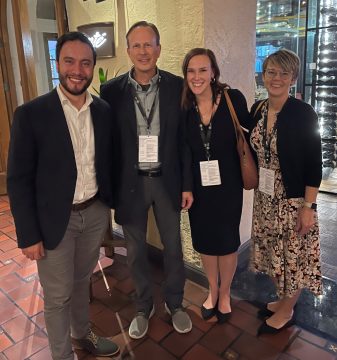
IJM now has a proven model of success showing that systems can be reformed and be successful at protecting vulnerable women and children. Now it is time to scale for greater and more widespread impact throughout the region. Funding & support partnerships, like the one between Dairyland & IJM, will support the establishment of a Center of Excellence which equips partners and government agencies to scale the work in an accountable and unified manner.
Over the next three years, Dairyland will seek to not only support IJM’s Northern Triangle team financially, but also through personal relationships, encouragement, and curious learning. Interestingly, we already have a head start! Last year our President Mike Tachick, Board Member Julie Tachick, and EVP of Culture & Formation Kailey Dharam met and talked with IJM’s Regional VP of the Northern Triangle, Juan Miguel Rivera (pictured right). We look forward to more personal touchpoints in the months and years to come!
Don’t miss an update! Follow us on LinkedIn, Instagram, or Facebook to continue learning how this and other efforts help make a safer world.
To protect IJM survivors, we have used pseudonyms, obscured some images and included photos that do not depict actual victims where appropriate. Consent gathered for all images.
Dairyland is committed to using business to make a safer world through rugged and reliable products as well as in our partnership with leading nonprofits working to combat suffering around the world. This year, Dairyland has focused our giving on four quarterly initiatives (read about quarters one and two here). This quarter, Dairyland allocated funds to combat forced child labor in Ghana, working with longtime partner International Justice Mission (IJM). Here we will share how IJM is working to reshape an environment once ripe for exploitation into a nation committed to protecting its vulnerable children.
The Wrong Kind of Growth
The UN recently noted a dramatic rise in modern slavery taking place over the last five years, with ten million more people trapped in exploitation ranging from forced labor to sexual exploitation. Of the 27.6 million people forced to work against their will, 3.3 million are children (BBC, 2022).
Zooming In: Lake Volta, Ghana
 Human exploitation is occurring in large cities and small rural villages around the world, in both affluent and socioeconomically disadvantaged nations. One such setting is Ghana’s Lake Volta, the largest human-created reservoir in the world by surface area (for reference, it’s the size of the two U.S. States – Delaware and Rhode Island – combined). Lake Volta is teeming with fish, attracting many fishermen who use child labor to increase their own financial profits. While not all children fishing on the lake are trafficked, many are and they receive none of the benefits – like education, medical care, and pay – that were promised to their caregivers. Some children are as young as three years old when they first arrive on the lake. Many do not return for years if at all.
International Justice Mission (IJM) has become a recognized international leader in addressing modern slavery and exploitation of children. They intervene through strategic partnerships and programming to address symptoms (like a six-year-old child working from dawn past dark) as well as the systems (such as an absence of legal precedence or process to convict criminals) that perpetuate them.
In a recent presentation to the Dairyland team, Will Lathrop and Rochelle Lashley, both members of IJM’s Ghanaian field office, described the situations their team encounters on and surrounding the lake. “It is overwhelmingly common that children are beaten daily. It’s not uncommon that some are sexually abused, and almost all are suffering from malnourishment or some form of disease.” A week prior, they had rescued a five-year-old girl who was immediately admitted to the hospital with a life-threatening illness.
“It’s a bleak industry,” said Will, “but it’s only bleak until the point of intervention and the stories of success are quite high. When we intervene, we see these kids get freedom.”
 IJM has built a robust team and partner network to address the issue of child exploitation from prevention through investigation and rescue, to aftercare and criminal prosecution of traffickers. What is different about their model is that they equip and empower local lawyers, police departments, community members, judges, and government officials to address the issues of their own communities.
One big area of impact: Training judges.
Why Judges?
According to Will, children were going to court to testify against their traffickers and finding themselves being further victimized by the process, after escaping the abuse of their original traffickers. This often led to victim blaming and secondary trauma without consequences for the abusers. For example, one boy was forced to sit next to his trafficker throughout the entire court process, another was berated and told his mother couldn’t have loved him to allow this, and the stories continue.
As IJM has invested their efforts in judges, they have seen a clear shift. Judges that were initially skeptical or under-equipped have become champions of justice. They now better understand cycles of abuse—long-term effects of trauma, trauma-informed care, and best practices for presiding over cases with abused minors—and they are using this information to change the environment within courts across the country.
In 2018, the IJM team was told they would never be able to secure convictions for child trafficking in Ghana. But exactly the opposite has occurred. In the years since, the team was able to secure the first conviction and follow it with over forty more. Will describes the reality of working toward a seemingly overwhelming problem. “We can’t catch everyone; we just need to catch enough and broadcast their captures to deter others, amplifying the long-term effect.” It sends a signal to traffickers that what they could once do openly can now land them in jail. ”Things have been [getting] better and we’re hopeful that someday they will be good,” Will said in his closing statements.

Dairyland’s partnerships involve financial support of humanitarian organizations that demonstrate highly effective and compassionate engagement to eliminate poverty and suffering around the globe. Our quarterly contributions are investments in specific regions, programs, and/or initiatives that are determined in partnership between Dairyland and the organizations according to need. We also strive to actively learn from these partners, regularly welcoming them to speak at team meetings and broaden our worldviews.
Don’t miss a story of impact! Follow us on LinkedIn, Instagram, or Facebook to stay informed and learn how together we are making a safer world.
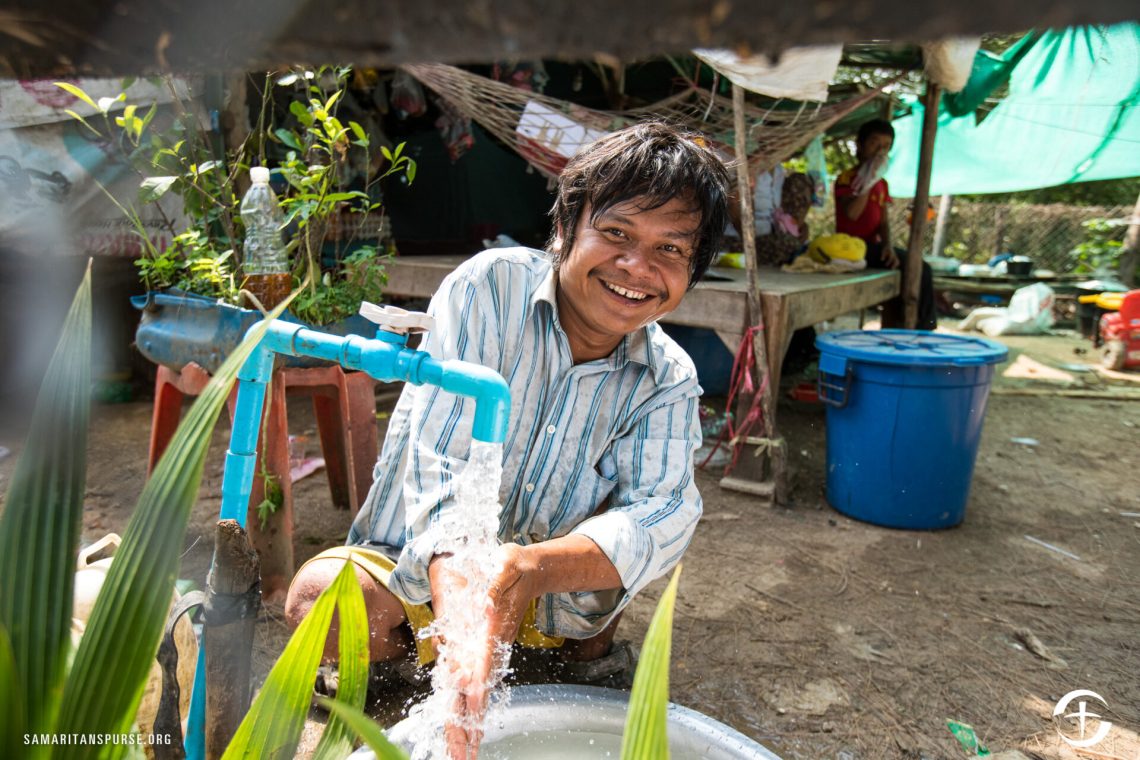
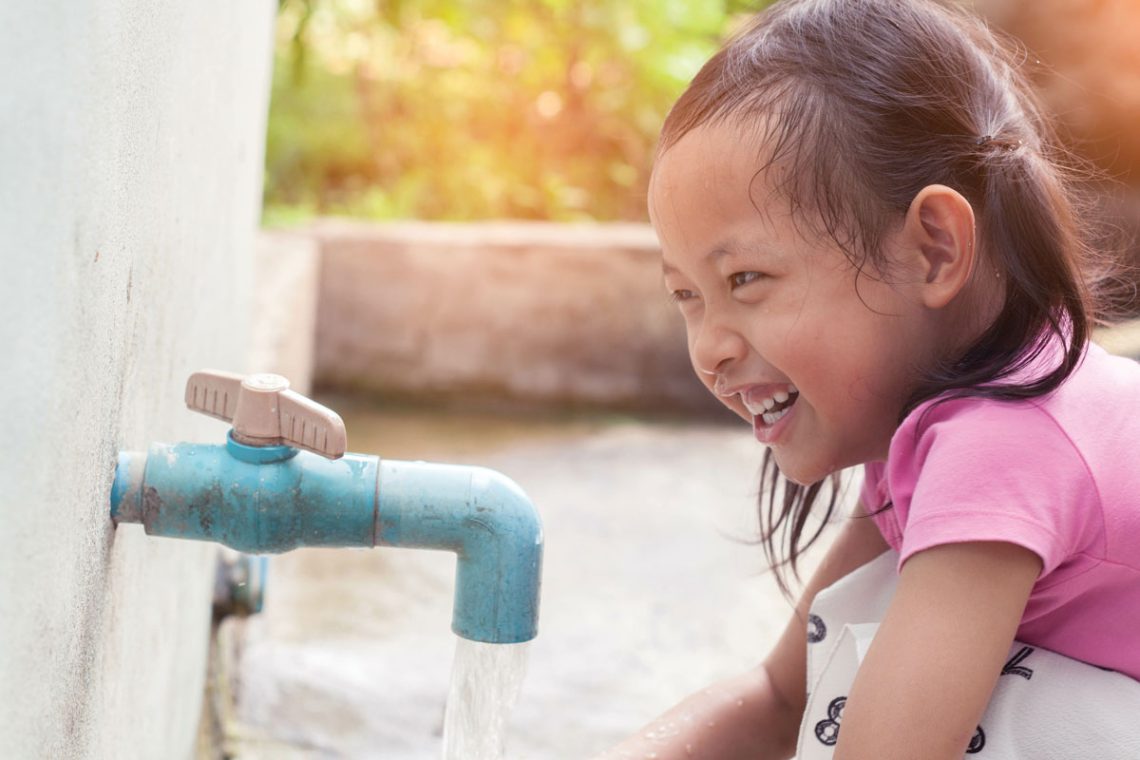
Oasis of Hope project water taps in homes
Two months ago, you voted to fund a freshwater well in Cambodia. Today we are back to provide more context and information on the effort. We will explore the fundamental need for clean water, the location of our well, and how it plays a critical role in minimizing the exploitation of a vulnerable community.
The Difference of Clean Water
For part of the world, turning on a kitchen faucet, placing a cup underneath the flow of water, and taking a sip—all without risk of getting sick—is so natural that it occurs nearly without notice.
However, this simple act is not the same in every home around the world. Access to clean water is far from universal due to causes such as natural disasters, pollution, geography, discrimination, socioeconomic status, insufficient infrastructure and/or regulation. As a result, people suffer from preventable illnesses caused by consuming contaminated water. The rippling effects of this touch every part of life.
According to the World Health Organization, “At least 2 billion people [must] use a drinking water source [that is] contaminated.” This, paired with poor hygiene practices and insufficient sanitation options, leads to over 800,000 deaths annually.
David Philips, from Samaritan’s Purse (SP) adds, “More people die because of lack of access to clean, safe drinking water than AIDS, Measles, and Malaria combined.”
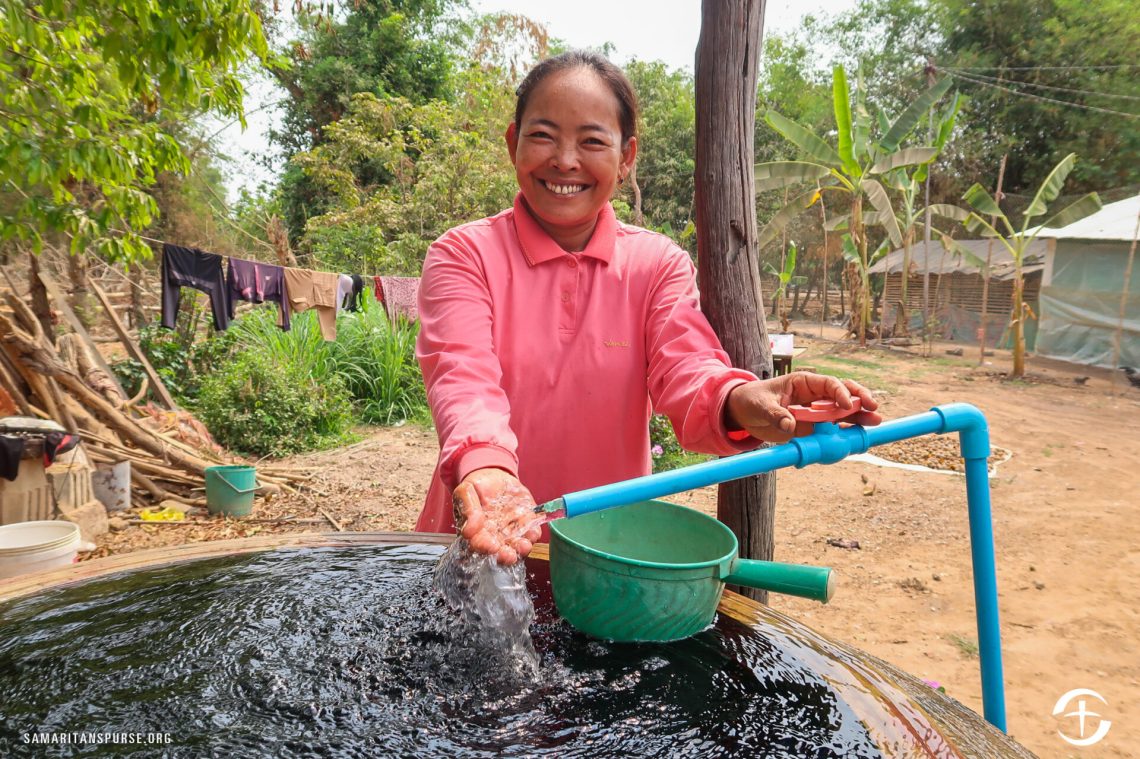 |
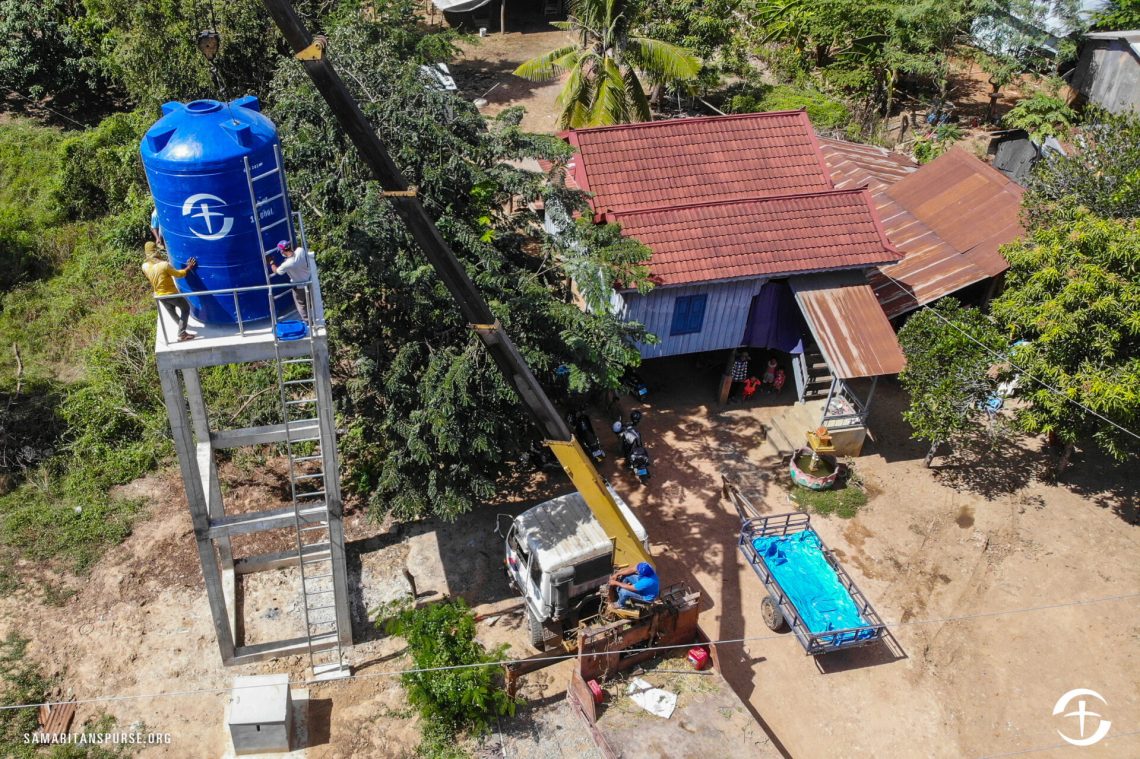 |
 |
Photos courtesy of Samaritan’s Purse
That’s why SP tailors and layers their programming to consider and honor root cause issues, offering support and community partnership to address the challenges long-term. When clean water sources are made available, health outcomes improve dramatically. Life, learning, livelihood, and leisure activities that were stopped because of water access issues become more readily available.
Why Cambodia?
The freshwater well that we are funding will be installed in a Western Cambodian district near the Thai border. The project is part of a larger, three-year counter-trafficking initiative to increase protection of Cambodians who are at risk of exploitation. Matthew Swenson, a member of SP’s team, noted that they repeatedly find water access to be a root cause not only of health outcomes, as mentioned above, but also of migration and trafficking across the border.
“The reason this [clean water] is so important is because for a lot of the year there’s drought in the area. There’s just not water and there are no livelihood opportunities.” Matthew goes on to explain how that creates a complex environment, often forcing people to travel to Thailand for employment to provide for their families. Traffickers who are attuned to this vulnerability, masterfully lure and exploit them with promises of a better way to support family members.
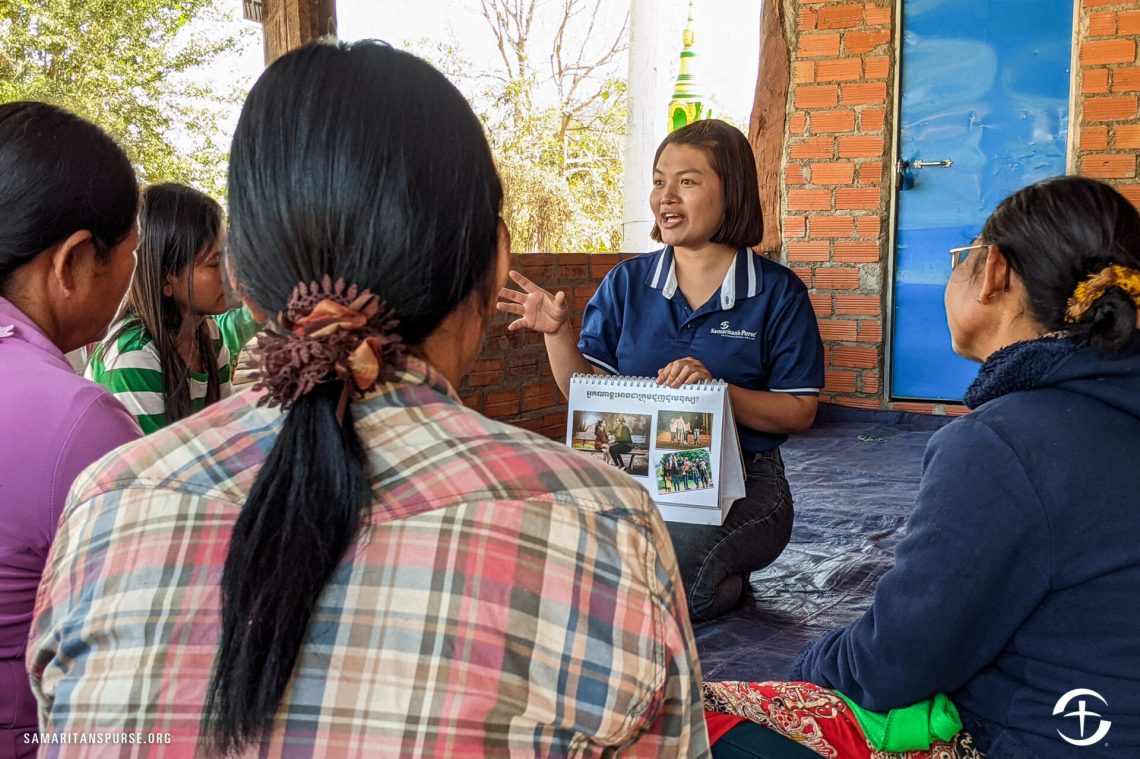 Photos courtesy of Samaritan’s Purse |
 Water for Schools program in Poipet, Cambodia. |
 SP staffer training leader mothers in healthy living |
“The cool thing about this project is that as we’re providing clean water, we’re also doing health education, helping kids stay in school, offering livelihood training and development. It’s keeping families together, helping people run businesses, and thrive.” – Matthew Swenson, Samaritans Purse
Speaking of a similar well installation program that was recently completed in a nearby community, he says there is clear evidence of change. Traffickers are not there anymore; they have found that people no longer have a need to migrate.
At the end of this year, even before the full three-year initiative is complete, Samaritan’s Purse projects that 7,920 Cambodians will have a freshwater tap stand in their individual homes, allowing them to experience safety at multiple levels.
Don’t miss more updates! Follow Dairyland Electrical Industries on Facebook or Instagram to stay up to date on the freshwater well project.
In this interview, Dairyland’s Director of Culture and Formation, Kailey Dharam, talks with Jordan Heres, a Disaster Response Specialist with Samaritan’s Purse (SP).
Jordan recently returned from Eastern Europe, where he responded to the Ukraine crisis on behalf of SP. When disaster strikes, SP’s response teams organize and provide food, shelter, water, and medical care based on the need of each situation. Jordan shares what it was like to be on the frontlines of this disaster response, and closes with practical next steps for those of us living outside of Europe who would like to help.
Kailey: Tell me about your role(s) with Samaritan’s Purse, including most recently. What is a day in the life of a Disaster Assistance Response Team (DART) member?
I have been working with SP for about seven years in a DART capacity, and my roles have changed a bit over that time. I started in logistics, warehousing, and distribution – the whole process of storing, tracking, then getting [supplies] out to people who need it most. In the last few years, I transitioned to medical logistics and operations, overseeing everything to keep the field hospital running so the staff is free to focus on their medical work.
In this most recent response, I got a call on a Thursday night and then flew out midday Friday to land in Romania before eventually reaching Moldova. We started as a team of three, so I played many roles. We work 24/7 and the key is flexibility because every day is different… and the plans always change. The first day or two we play everything by ear, trying to solve problems, and get to the need as fast as we can to do assessments. Another day might involve distributions, then assessing again, monitoring and evaluating to make sure what we distributed was needed and people are able to use it. We repeat the process multiple times.
Kailey: How do you complete assessments and determine whether a response is needed? Was there anything unique to consider in this Ukraine crisis response?
Watch Jordan’s response here:
Kailey: What was your experience as one of the first staff members on the ground?
I always like to start by putting things in context. I was in Moldova, which is a country of about 2.5 million. [It’s] a poorer country and they’ve received by now 390,000 refugees. Poland has received 2.3 million, Romania 600,000, Hungary 360,000, and then there’s refugees in further western European countries.
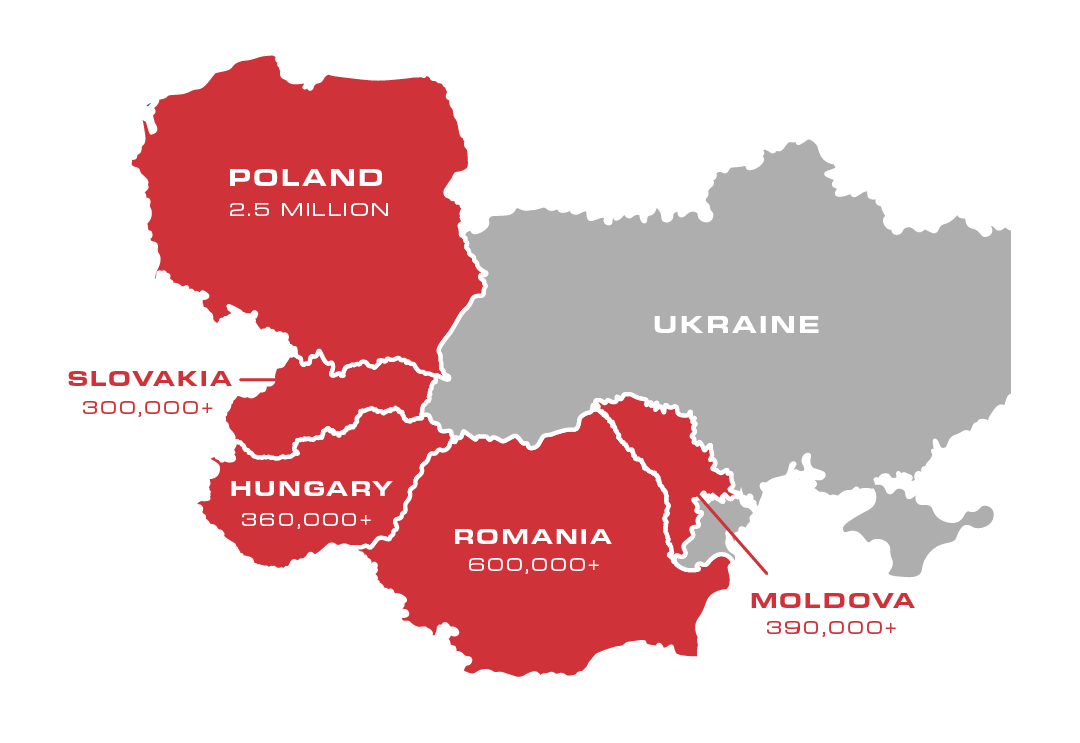
A large and important number to keep an eye on, too, is internally displaced people – there’s about 6.5 million in Ukraine then another 13 million in conflict zones. Each number is an individual story.
Hear about Jordan’s own experience and observations here:
Kailey: To date, how has Samaritan’s Purse responded to the Ukraine crisis outside of Moldova?
In the first two weeks that I was there, we were providing food for 10,000 households for three weeks, plus hygiene kits and bedding for another 10,000 households. As we’re doing these programs, we’re also expanding and proposing larger programs. Typically, that’s how it works – we use our funds that are flexible and can be used quickly, then we’ll apply for partnerships with groups like the World Food Program or other UN organizations.
[Our work] was a lot of supporting the infrastructure that’s there, meeting needs where they are. In Ukraine there is a Tier 3 hospital (designed after Doctors Without Borders’ field hospital model). Our Tier 3 hospital is the largest – it has about 60 bed in-patient capacity, two operating rooms, a pharmacy, and about 100 staff members (not including all support staff doing food programming, hygiene, water, sanitation). There’s also a smaller field hospital in Southwest Ukraine. We have programming in Poland as well, to do work similar to that in Moldova, supporting infrastructure that’s already hosting.
Kailey: What would you say to those of us outside of Europe who are wondering how to engage or respond?
I realize now that I’m back in the US, I’m in the same boat as you all. Often it’s easier to be where the need is to feel like you can have an impact. I think we often feel powerless in these situations, and the truth is we are in many ways. We have to accept that, that we can’t change everything, but we do what we can. I think the response can be broken down into a few steps that I’m doing in my own life now that I’m back.
First, be aware of what’s going on – read individual stories of what the situation on the ground looks like. That can be really hard and leads to the second point which is to grieve what’s happening, to actually carve out space in your life to think about and grieve what you read. Then give and to act where you can. So often we get tied up in where we give, how we make the most impact, or get the most returns. Those are great questions but so often we let that limit what we do. Do your due diligence, but then just go ahead and start giving, even if it’s small.
Another part of this step is acting [personally]. Not everyone can go, but I always recommend that people look in their own community. I don’t want that to replace caring about Ukraine, but I think so often we get bogged down and overwhelmed in not knowing what to do that we don’t do anything. Redirect some of that energy toward being involved in your local community – in opportunities that are possible. A huge opportunity that’s not directly connected to the Ukraine crisis, but in many ways similar, is the fact that there are thousands of Afghan refugees being resettled across the U.S. Many of these people are now ripped from their previous lives where they don’t have much, may not know the language. You can engage with another people group that has suffered war and conflict. Again, it shouldn’t replace wanting to engage Ukraine, but I’d like to provide people an opportunity actually act.
Kailey: What would you say specifically to this community of people striving to Live Engaged?
Watch Jordan’s inspiring response here:
Samaritan’s Purse is one of Dairyland’s humanitarian partners, providing aid to hurting people around the world. They help meet the needs of people who are victims of war, poverty, natural disasters, disease, and famine.
Your involvement with Dairyland allows us to do something small but meaningful for those in crisis. Thank you for helping us make a safer world.
If you joined the Dairyland team in San Antonio this March, you know how power-packed the week was with presentations, committee gatherings, exhibits, awards, entertainment, and happy reunions with colleagues after two years of separation.
This year, in addition to our exhibit booth, Dairyland hosted the Live Engaged Lounge, a hands-on space for show attendees to experience how business can be used as a force for good. Our guests printed custom t-shirts, took selfies at the photo booth, and helped us choose our next humanitarian project to fund. Check out the short video below to see what we accomplished together:
Well, We Have a Winner!
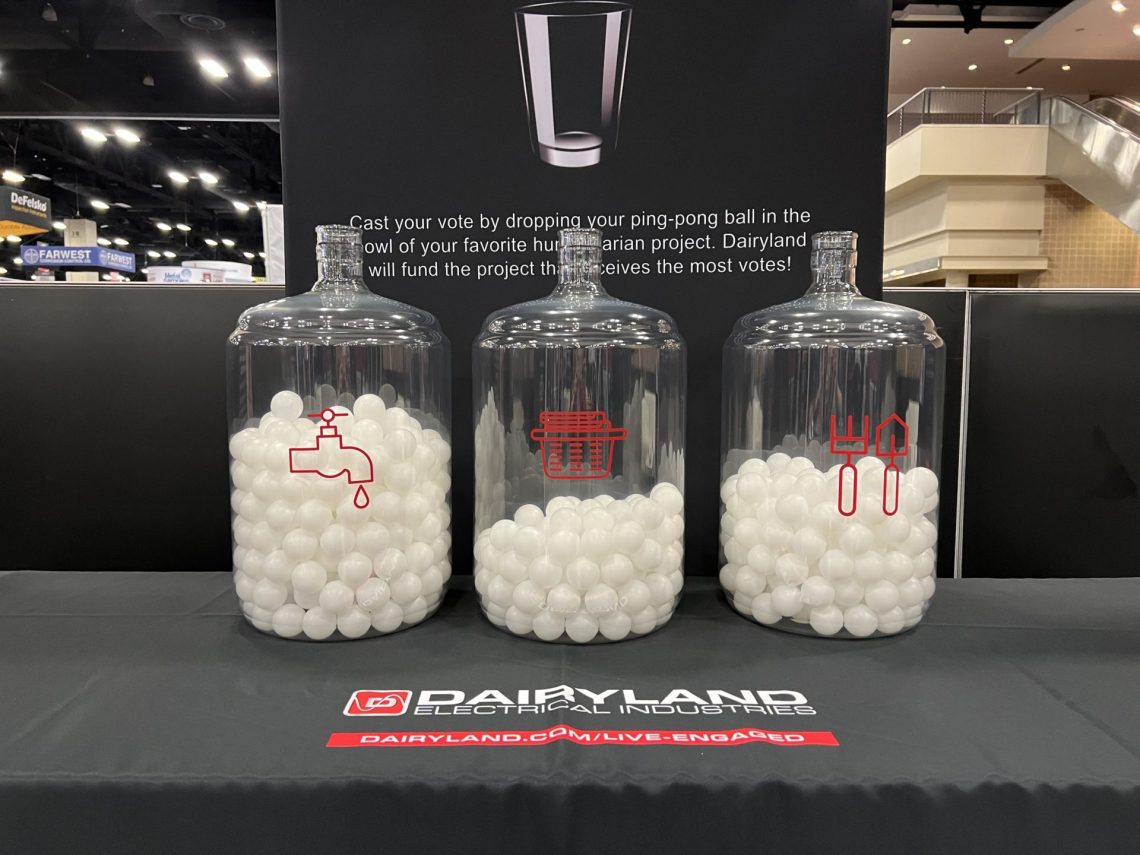
Receiving 45% of the total vote, the freshwater well in Cambodia is our winning project! Through the work of Dairyland’s partner Samaritan’s Purse, an entire community will now have easy access to safe drinking water.
Every time Samaritan’s Purse initiates a well project, installation is accompanied by training about long-term use. The process will not begin unless community members agree to partner in maintenance and continued operation. Why? So that for years to come clean water can flow and bring life to the community, preventing dehydration and disease while eliminating the need to spend hours searching for a safe water source.
1 in 10 people live without access to clean water worldwide
This project is part of a multi-year community water system program focused on providing clean water, hygiene education, livelihood opportunities, and anti-trafficking messaging. The core of the program is clean water, but the additional components holistically support the communities Samaritan’s Purse serves.
Matthew Swenson of Samaritan’s Purse writes: “Clean water is the centerpiece for community health and development. This freshwater well program provides clean water while integrating livelihood development, education, health care and anti-trafficking messaging for a blended approach toward community transformation. Your partnership and generosity will improve the lives of those we are blessed to serve together.”
From all of us at Dairyland, thank you for visiting the lounge and helping us make this critical decision! We believe our industry has enormous potential to positively impact others and promote their flourishing. Together, we are making a safer world.
Don’t miss project updates! Follow Dairyland Electrical Industries on Facebook or Instagram to stay up to date on the impact and process of building a well.
[image-gallery display=”inline”]
The humanitarian projects listed here were selected months prior to the crisis in Ukraine and definitive knowledge of what it would become. While we still ask you to assist in selecting which of these important initiatives to support, Dairyland also continues funding urgent disaster response efforts through Samaritan’s Purse, which has already deployed to serve Ukrainians in Eastern Europe.
Have you ever wondered how you can get involved with Live Engaged? Here is an easy way. In conjunction with Live Engaged’s participation in the 2022 AMPP Annual Conference + Expo, we are inviting you to help us select where our next humanitarian effort will go.
Vote for Impact
Dairyland has been a long-time supporter of humanitarian organizations who affirm our core belief that people have inherent value. We partner with groups like International Justice Mission, Samaritan’s Purse, Compassion International, and Equal Justice Initiative to further their work around the world.
This year we are asking you to weigh in on one of our projects by voting for impact. At the conference, attendees can visit the Live Engaged lounge to place their vote, while our virtual friends can vote through Facebook or Instagram. Voting will close on Thursday, March 10, 2022 and the project with the most votes will be announced on Monday, March 14.
 |
 |
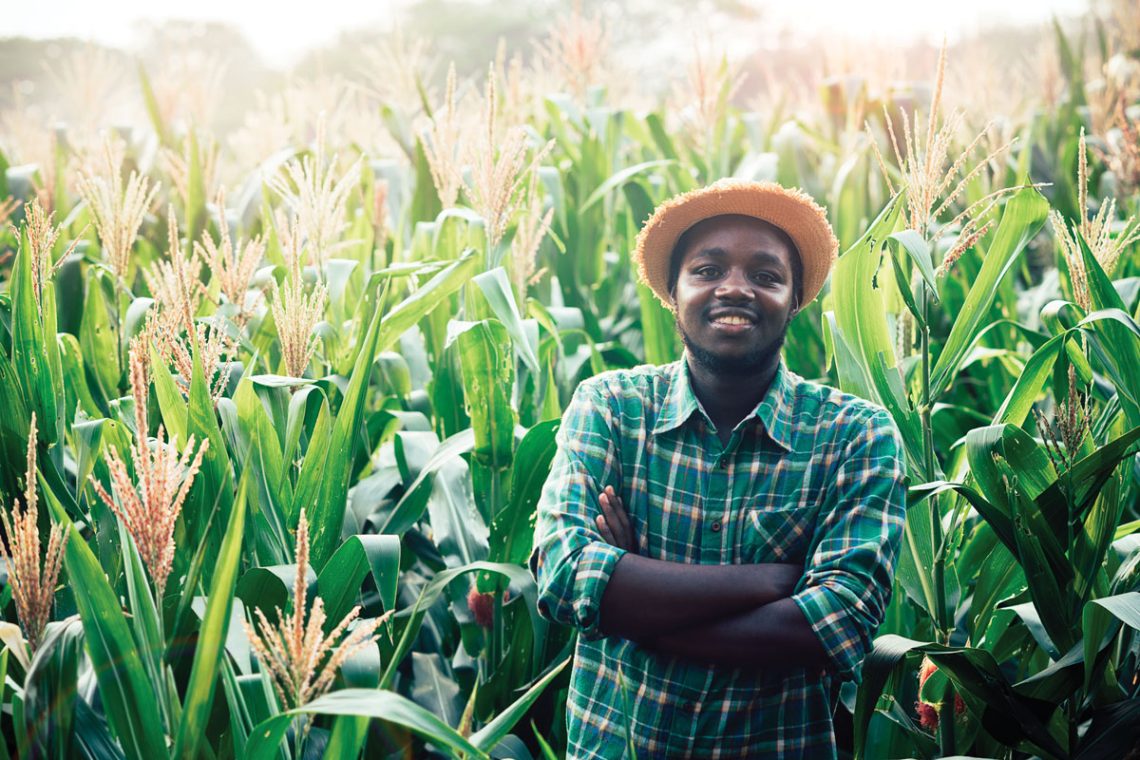 |
Project 1: Build a Freshwater Well in Cambodia
Support clean water initiatives in Cambodia with the installation of a freshwater well. This project ensures safe drinking water for an entire community, and also offers hygiene education, livelihood opportunities, and furthers efforts to prevent human trafficking.
Project 2: Support Afghan Evacuees in the United States
Offer a warm welcome to 60 families who were forced to flee their homes in Afghanistan. After living at transit sites for months, they are now beginning their new lives here. This opportunity provides 300 people with clothing and personal essentials that could not be transported during emergency evacuations.
Project 3: Invest in Sustainable Food Growth in the DRC
Go beyond emergency food aid and equip families in the Democratic Republic of Congo with the tools needed to grow their own food. This project supports 150 families with plants, fertilizer, tools, and training to get them started in sustainable farming. In a time when conflict, food insecurity, and poverty perpetuate hunger, this initiative offers long-term stability and nourishment.
All three projects are affiliated with Samaritan’s Purse International Relief. Samaritan’s Purse deploys around the world, bringing aid in some of the hardest-hit, most desperate circumstances like war, extreme poverty, natural disasters, disease, and famine. We have remained highly impressed by their rapid, compassionate, and accountable global service.
Thanks for joining us to Vote for Impact and for being a part of Live Engaged! Together, we are making a safer world.
Our Live Engaged initiative was born from our desire to make a safer world. We believe that everyone should have an opportunity to flourish, and we stand together in the fight against poverty, injustice, and suffering around the globe. As we strive to achieve a safer world for everyone, we partner with organizations that have a proven track record of effectively and compassionately transforming vulnerable communities.
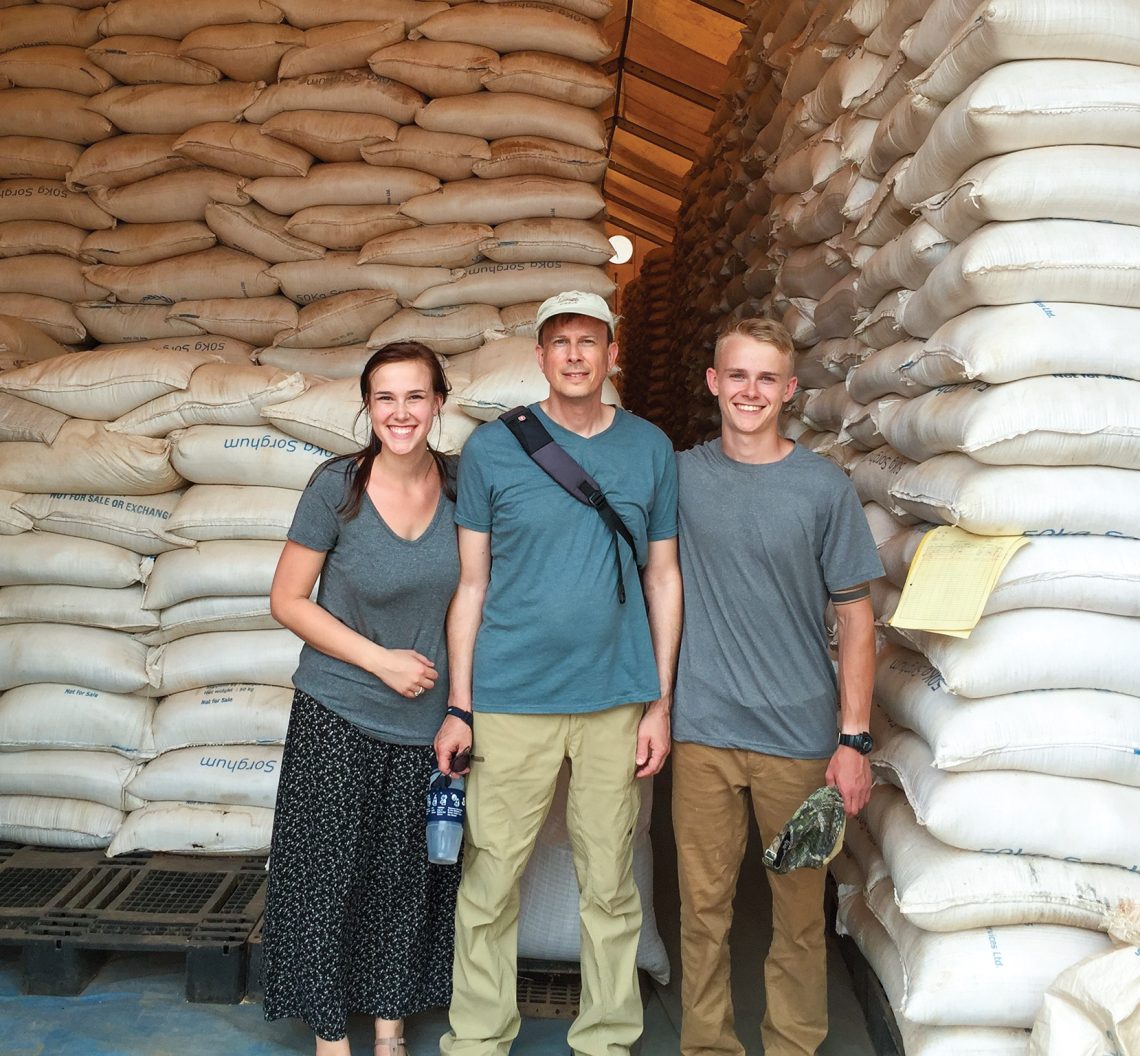 In 2016, one of Dairyland’s longtime global partners, Samaritan’s Purse (SP), invited the Tachick family—Mike, Logan, and Kailey—to join them in South Sudan to witness first-hand the work being done throughout the region. They had the opportunity to witness and learn about the diverse programming implemented by SP across the region, in relief and development capacities – both core components of Dairyland’s mission.
South Sudan is one of the world’s newest countries, and has been plagued by unrest since its establishment, both in conflict with its neighbor Sudan and through civil war. Dairyland has been particularly concerned about this region of the world and designated our giving over the years to support the care of highly vulnerable men, women, and children fleeing unrest and persecution. Repeated bombings of this group’s homeland not only left them unsafe and vulnerable, but their largely agricultural livelihoods were also destroyed and normal programs like education became impossible.
In South Sudan, Mike, Logan, and Kailey spent time in three areas: the capital city of Juba, Mayndit, and at the Yida Refugee Camp. Samaritan’s Purse is highly regarded throughout the region and was entrusted by the World Food Programme to oversee all food operations in Yida Refugee Camp. At the camp, the Tachicks witnessed for themselves the large-scale feeding operations providing monthly rations for over 60,000 people. They also learned about water, sanitation, and hygiene objectives (well drilling, water distribution, latrines, etc.), maternal and infant health initiatives, and youth-led peace initiatives.
I think about this trip regularly. It informs—maybe more than I even realize—the way I think about migration, poverty, power, and the difference between relief and development responses. When stats are forgotten, images and memories often stay with us. The trip further connected me to the work of our partners and a sense of urgency that their beneficiaries cannot be forgotten.
– Kailey Dharam, Dairyland Director of Culture and Formation
“Even as longtime partners, there can still be disconnect from the work itself, the communities it is contextualized in, and the impact it generates. These trips cast vision of what is possible through partnership and the resilience of community members,” Kailey reflects. “We didn’t go to South Sudan with the intention of fixing everything, or to save people, we went to learn and connect.”
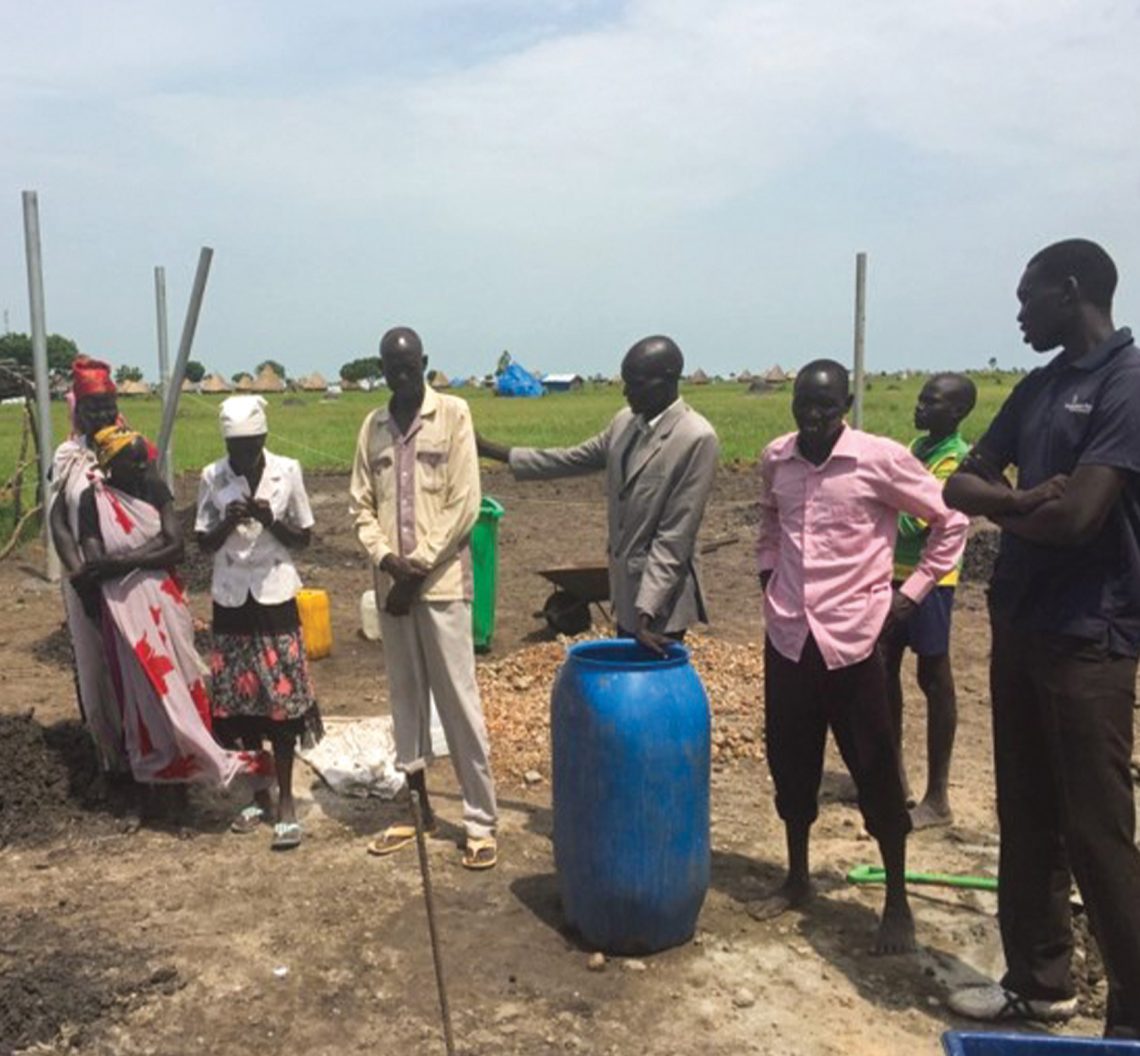 Samaritan’s Purse’s presence in the region has been notable. Through their work, people who have fled their home country are being fed and offered shelter; clean water is being made accessible through the drilling of freshwater wells, benefiting public health and education; and emotional support is being fostered and extended among a highly traumatized population. Because of these efforts and their ripple effects, individuals and families are helping to lift themselves out of poverty, engage in meaningful work, and create a better future for their children.
“It’s interesting, tragic actually, that this situation could have been just a headline to me,” says Kailey. “Tucked away in the comfort and ease of my life, I have the privilege of being able to miss what’s happening in a country so geographically distant from me.”
Our vision of making a safer world not only applies to our rugged products and our reliable technical support and customer service – although they certainly play a big role. We believe that people have inherent value, and that everyone, no matter their economic situation or global location, should feel safe in their homes and be given the opportunity to flourish. That’s why we partner with organizations with proven experience combating natural disasters, conflict, injustice, and poverty around the world.
 |
 |
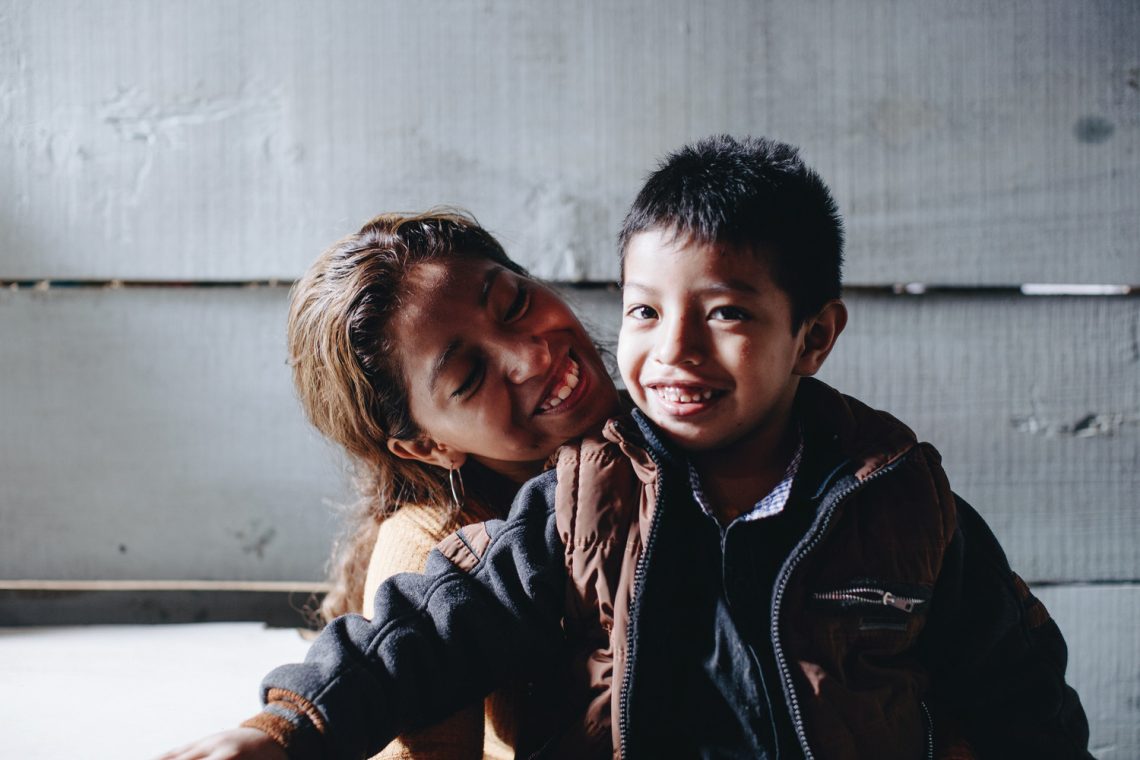
Above images courtesy of IJM, used with consent.
Longtime Dairyland partner, International Justice Mission (IJM), is a global organization that works with local justice systems to end violence against people living in poverty. Their three-phase model includes rescuing and restoring victims, bringing criminals to justice, and strengthening local justice systems.
Since 2005, IJM has been working in Guatemala, fighting for the protection of children, many of whom live in red zones – extremely dangerous areas where sexual violence is rampant. In collaboration with Guatemala’s Public Ministry (Prosecution Services), IJM has developed and implemented trauma-informed processes for prosecuting sexual assault cases and has trained and mentored members of the police department as well as prosecutors and judges to protect their nation’s poor and vulnerable. As noted on IJM’s website, Guatemala was once deemed by human rights experts, “a country too broken, and [one that] would never protect the poor” but is now seeing historic change through long-term interventions and empowering partnerships.
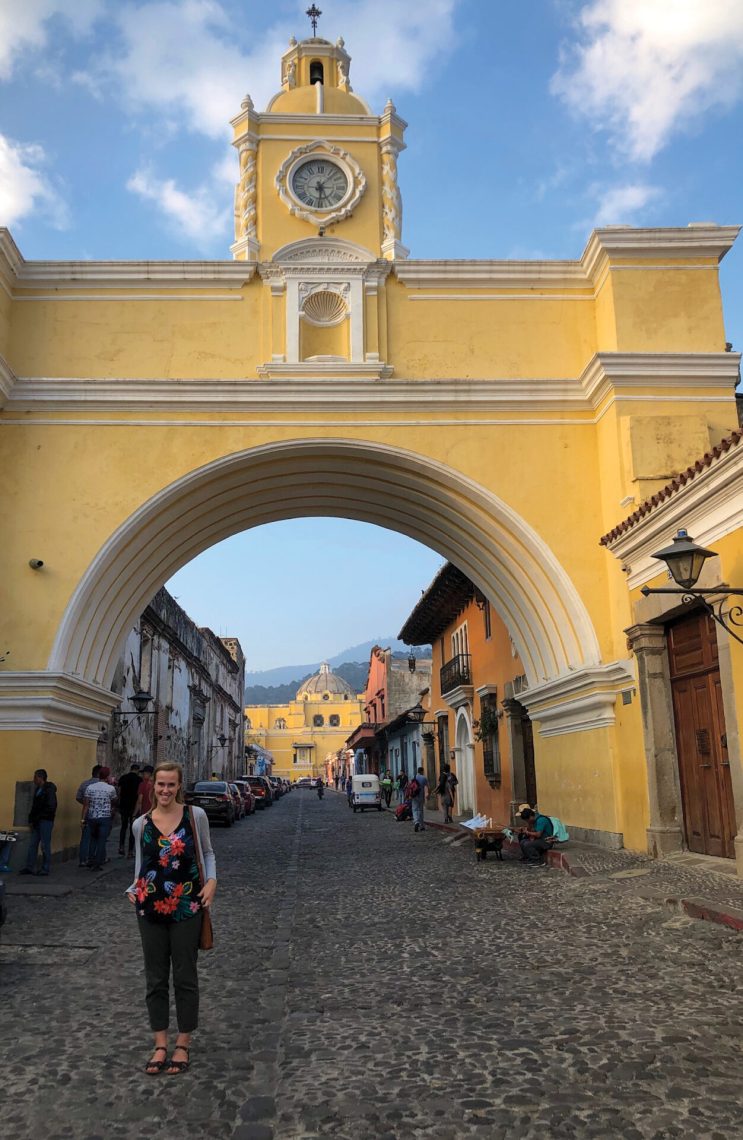 In 2019, Dairyland’s Director of Culture and Formation, Kailey Dharam, traveled to Guatemala City to better understand the unique historical and contextual challenges IJM faces, and to witness their interventions firsthand. While there, Kailey toured a city dump-turned-housing-community, a sex crimes police unit, and restorative housing projects with programming for victims. Through it all she had the opportunity to speak with and learn from IJM staff and clients.
During her time in Guatemala City, Kailey was invited to participate in the Day of Joy, an IJM event devoted to celebrating the healing and resilience of individuals and families who have been victims of physical, emotional, and/or sexual violence. On the Day of Joy, survivors who have been restored by IJM’s team—primarily children—are joined by safe family members, IJM team members, and sometimes special guests for a lighthearted excursion in the city. Kailey and other approved visitors were paired with small family units, bonding with one another as they enjoyed lunch and explored the Guatemala City Zoo.
“With tears in her eyes, the mom of the family I was paired with spoke about the pain their family has been through but also how encouraging days like this were, reminding them of how far they’ve come,” said Kailey.
Though recovery is often complicated and ongoing, the Day of Joy is a courageous proclamation of hope, and that happiness is possible again.
Dairyland’s vision is to ‘Live Engaged to Make a Safer World.’ We work hard to make this a reality through our products and solutions, but that vision is also actualized through dignifying human protection like IJM fosters.
Traveling elsewhere invites us to reflect and think about our own communities and engagement with them. It’s easy for me to step into a new country and condemn the brokenness I see, but am I also willing to look at what happens in my city? Am I willing to think about the larger systems at play that perpetuate violence and inequality? How does seeing something like what I witnessed in Guatemala change how I live at home? These are the questions that these experiences often draw out, and reinforce why both local and global engagement matter.
– Kailey Dharam, Director of Culture and Formation