
Improving For Over 40 Years
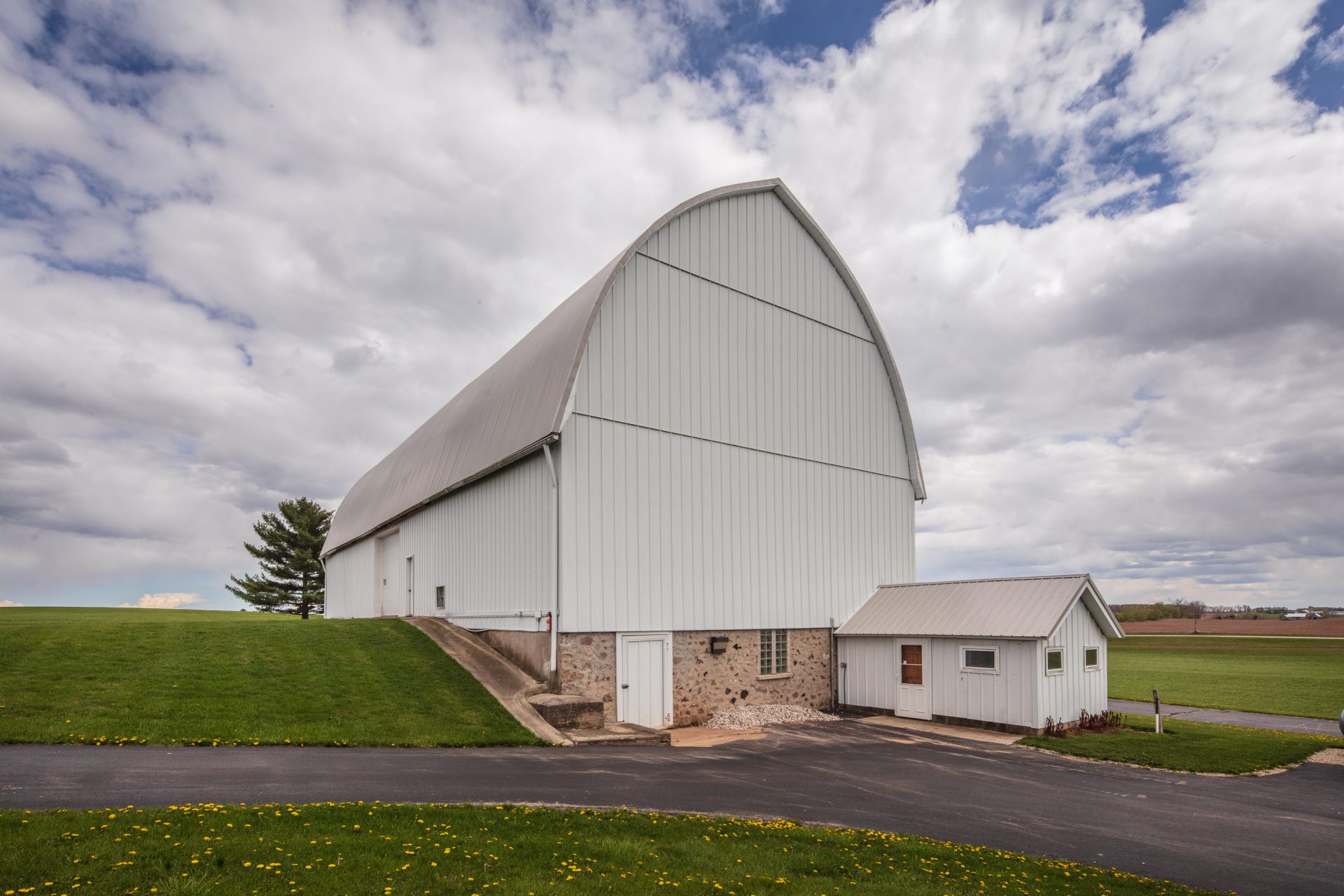
From the company’s beginnings in a dairy barn over 40 years ago, attention to detail and excellence were part of how things were done. When you’re solving people’s problems with stray voltage and cathodic protection, quality must be done—it cannot simply be a slogan on the wall.
 |
 |
|
Dairyland’s original manufacturing facility |
The converted manufacturing space |
As the company grew and began to manage quality through the eyes of trusted third parties, such as UL and IECEx, and later ISO 9001, “the way it has always been done” started to get more complicated.
Regulations require documentation and structure, which can be hard on a small, family-minded company. Navigating the changes wasn’t always easy but, “We trusted Henry (Tachick) and the others to make good decisions because they had proven themselves; if they said we needed to do something new, we trusted them”, says Sherry Ann Kostreva, who started with Dairyland in 1995, “And if things changed and then had to change again, it was ok; we didn’t rest in things because they were new, we rested in what was good.”
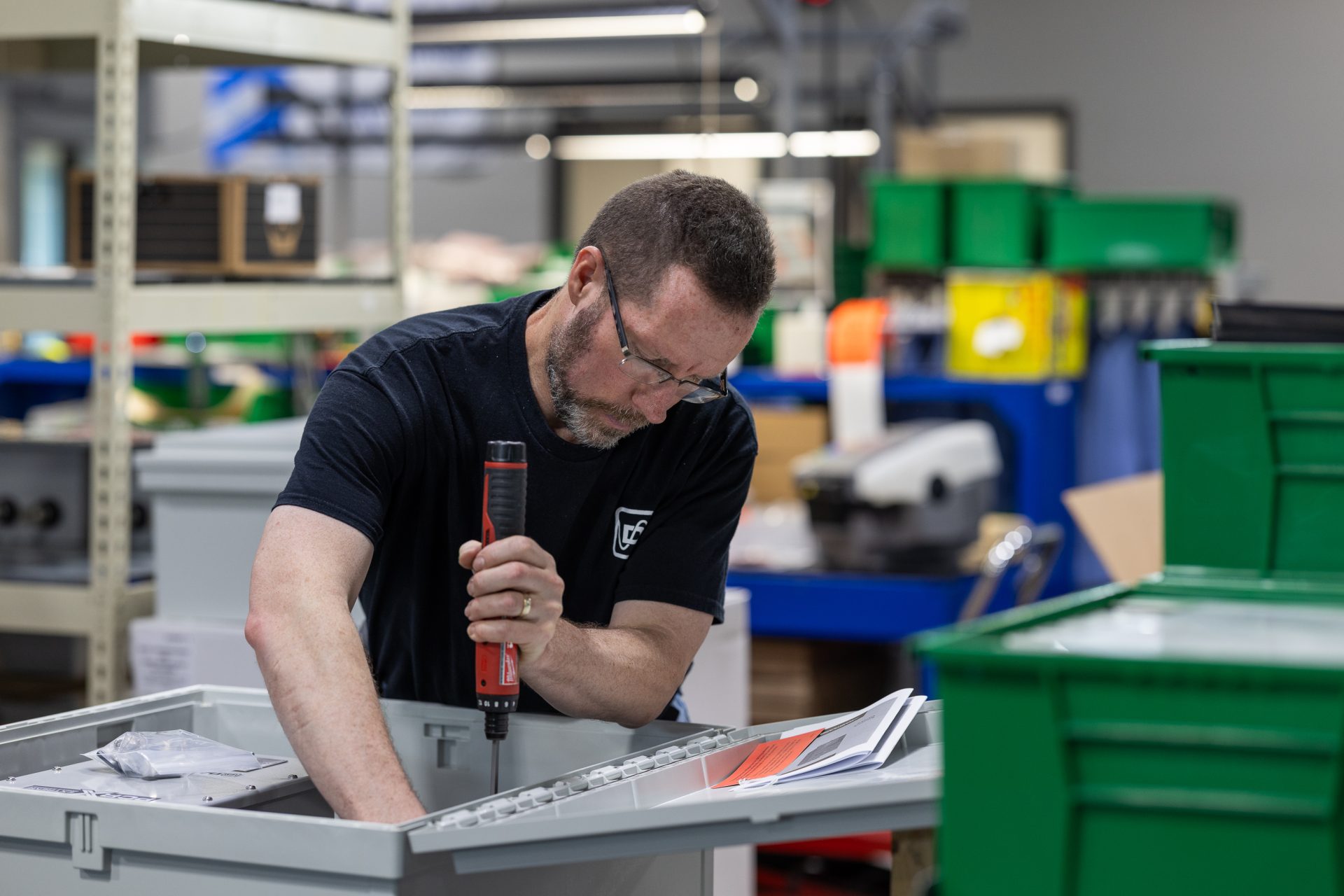
Change took on a new meaning when our new manufacturing facility—The Shop—opened in 2016, after thirty-three years of operating in a converted milking barn. Under guidance from the subject matter experts at Wisconsin Manufacturers’ Extension Program (WMEP), the phrase “continuous improvement” entered the company’s lexicon. The company began shifting its production model away from decades of batch production toward single-piece flow, designing work cells, and training the manufacturing team in a whole new way of doing things—and in a whole new environment.
 |
 |
|
Outside The Shop |
Inside The Shop |
The Lean Years
Shortly after 2020, the idea of a “Lean Team” was born, thanks to the on-going relationship with WMEP.
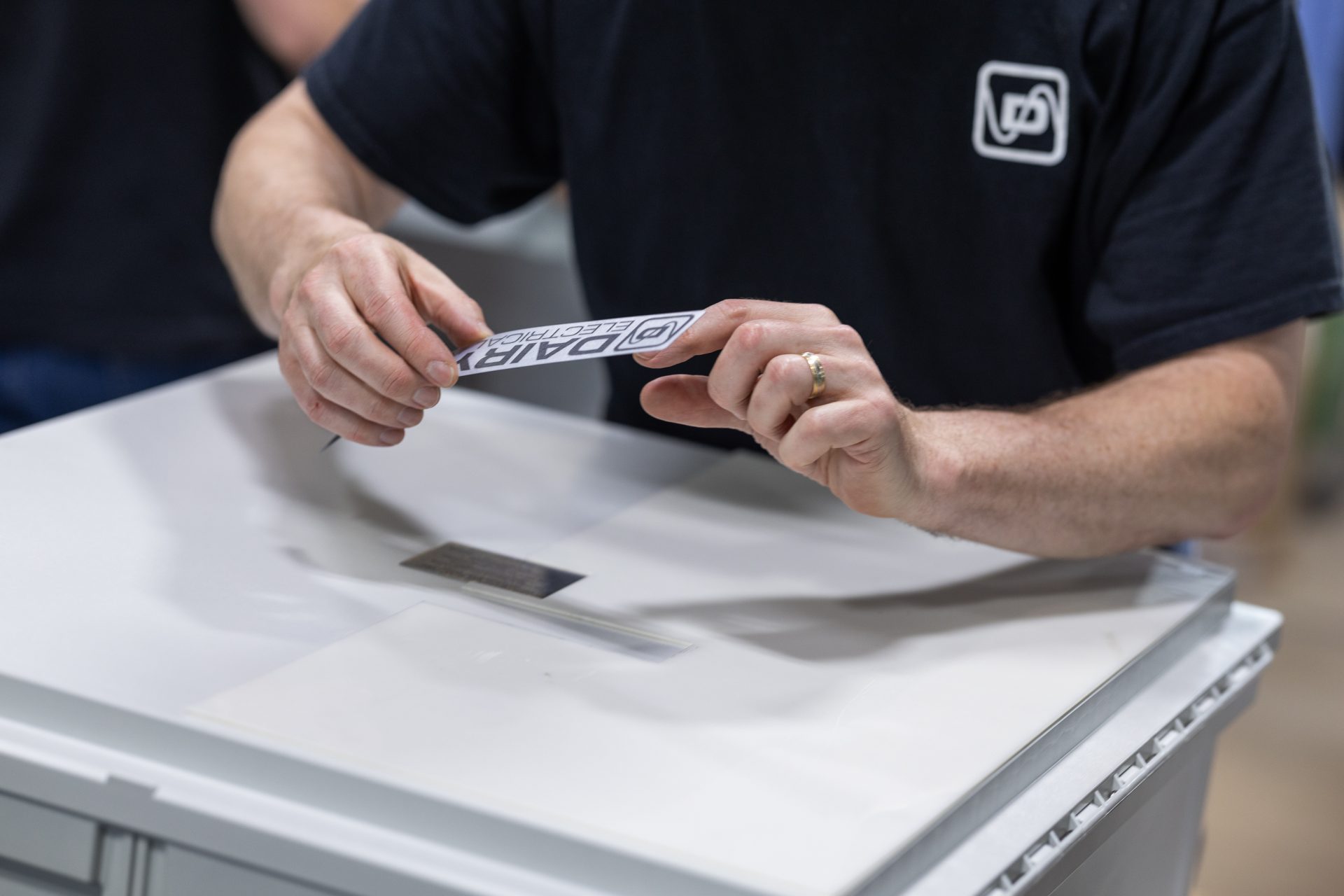
Lean improves value by removing anything that doesn’t transform a raw good into a finished product (“waste”). Wastes include defects, inventory, motion, transportation, over-production, over-processing, and waiting. For example, laser-cut plastic templates replaced t-squares for applying decals to the front of an enclosure, reducing defects, motion, and over-processing. Cleaning up computer files helps to find what is needed faster, with fewer mouse clicks or waiting for a search to finish.
 |
|
Utilizing a laser-cut template for nameplate application |
Identifying a waste is one thing; dealing with it is another. The Lean Team, per its charter, “acts as a conduit to achieving our company strategies by building the framework, setting the direction, and fostering a culture of continual improvement at Dairyland.” As such, one of the first priorities of the team was to develop a system to get feedback from the people doing the work across the organization.
The Lean Team developed an electronic form for employees to submit improvement needs and solutions; QR codes were placed within The Shop’s work cells to make it easy for the Assembly and Supply Chain teams to share their ideas while they worked—a quick link to the form was also placed on the company’s Sharepoint home page for the people who are more desk-based. To date, more than 155 submissions have been made; improvements include a shelf to get heavy parts up off the floor, software process changes, bathroom door handles that indicate occupied status, and working with vendors to modify their packaging to reduce handling demands on the production team.
During the company’s quarterly meetings, The Lean Team showcases a submitted improvement or a problem-solving/improvement topic; recently, Joe Mutchler, Manufacturing and Quality Manager, presented on Eli Goldratt’s Theory of Constraints.
In 2024, The Shop deployed iPads with assembly instructions to ensure consistency and quality; getting a new Assembler up to speed became easier and quicker since they could review the standard work, rather than try to remember what they had seen or done the week before. “It’s easy to use and you don’t feel out of place when you go and grab one, because we all use it as a reference, even the people who have been here for years”, says Leo Meeks, an assembler who started in November of 2025.
When a submission involves one of Dairyland’s products, the request is handed over to the Engineering Change Order/Change Request (CRCO) process; assembly instructions, packaging, customer-facing documents, and the like need to be evaluated to ensure product functionality and quality aren’t changed. Changes to products that are Ex-rated for Class 1, Division/Zone 1 and 2 hazardous locations are also reviewed by Dairyland’s Ex Authorized Person to ensure compliance with regulatory standards.
Valuing the Person
At Dairyland, we believe everyone contributes to the success of the company and its vision to live engaged and make a safer world. New employee on-boarding is intentional and connects them with leaders across the company to help the new hire understand that we have a constancy of purpose, regardless of our job title or department.
In 2026, we began a series of company-wide training sessions to develop problem-solving and innovation skills. We are normalizing asking “Why?” and challenging assumptions to uncover root causes of issues and non-value-added steps in our processes, while learning to see systems and interconnected processes.
Though the company has outgrown its humble beginnings, the creativity and willingness to help others remains central to what we do. Whether it’s submitting an improvement suggestion or helping a co-worker figure out why something happened, Dairyland’s strength is in its ability to innovate with purpose and excellence. You could say it helps us to be Rugged and Reliable for you!
Dairyland Volunteer Week — April 20-24, 2026
Dairyland strives to use Business as a Force for Good every day, and in keeping with this spirit of intentionality, we choose one week per year to carve time out of our schedules and mobilize in service to our communities.
2026 marks the 6th installment of Volunteer Week, and it was the best year yet! Thank you to all the employees, partners, friends, and families who organized and attended events to address issues of housing insecurity, hunger, inaccessibility, and more.
Below are some of the highlights from Volunteer Week, and the Dairyland “Spirit Week” that brings unique joy and enthusiasm to each day.
Volunteer Event 1: Camp Daniel
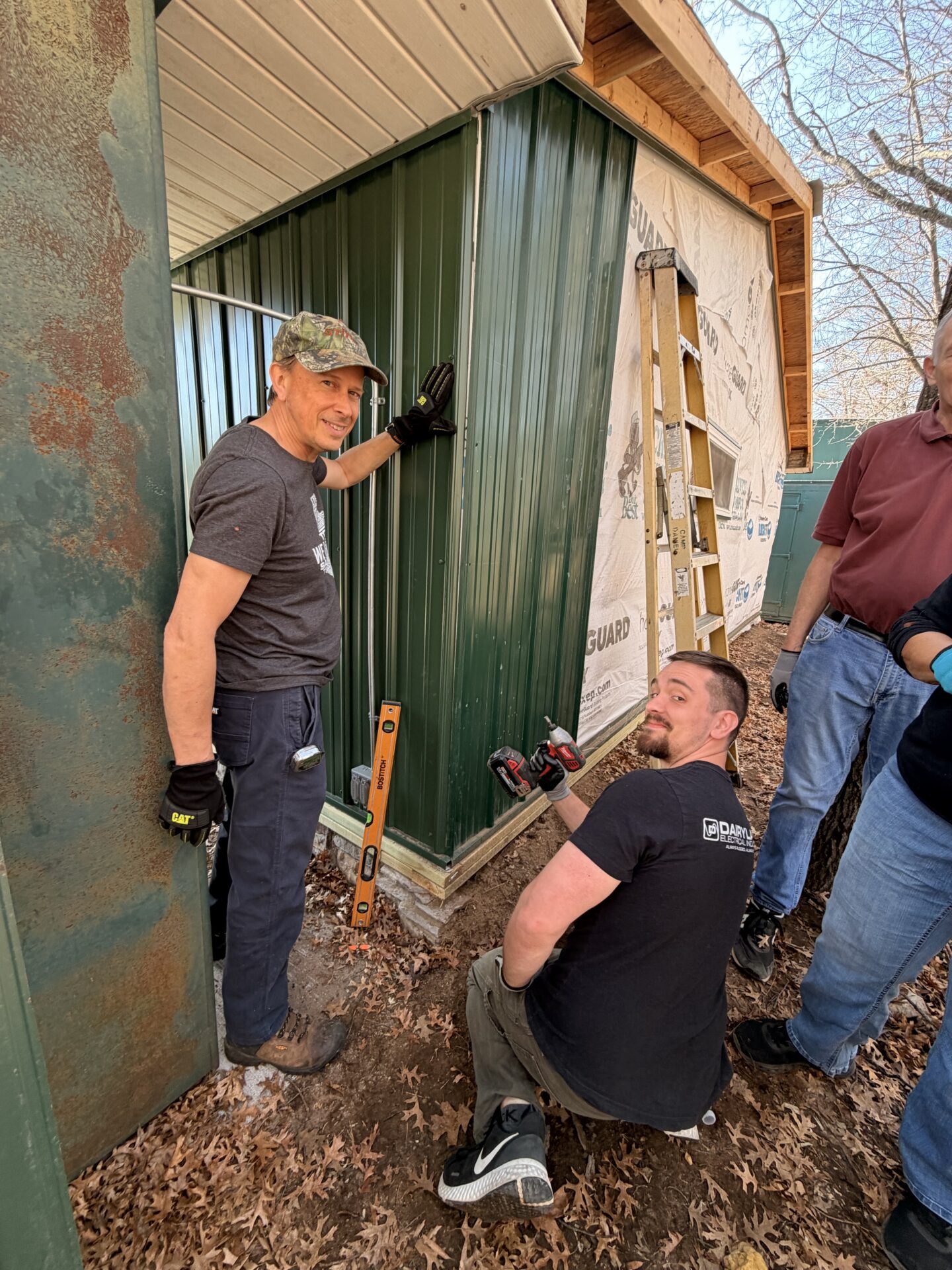
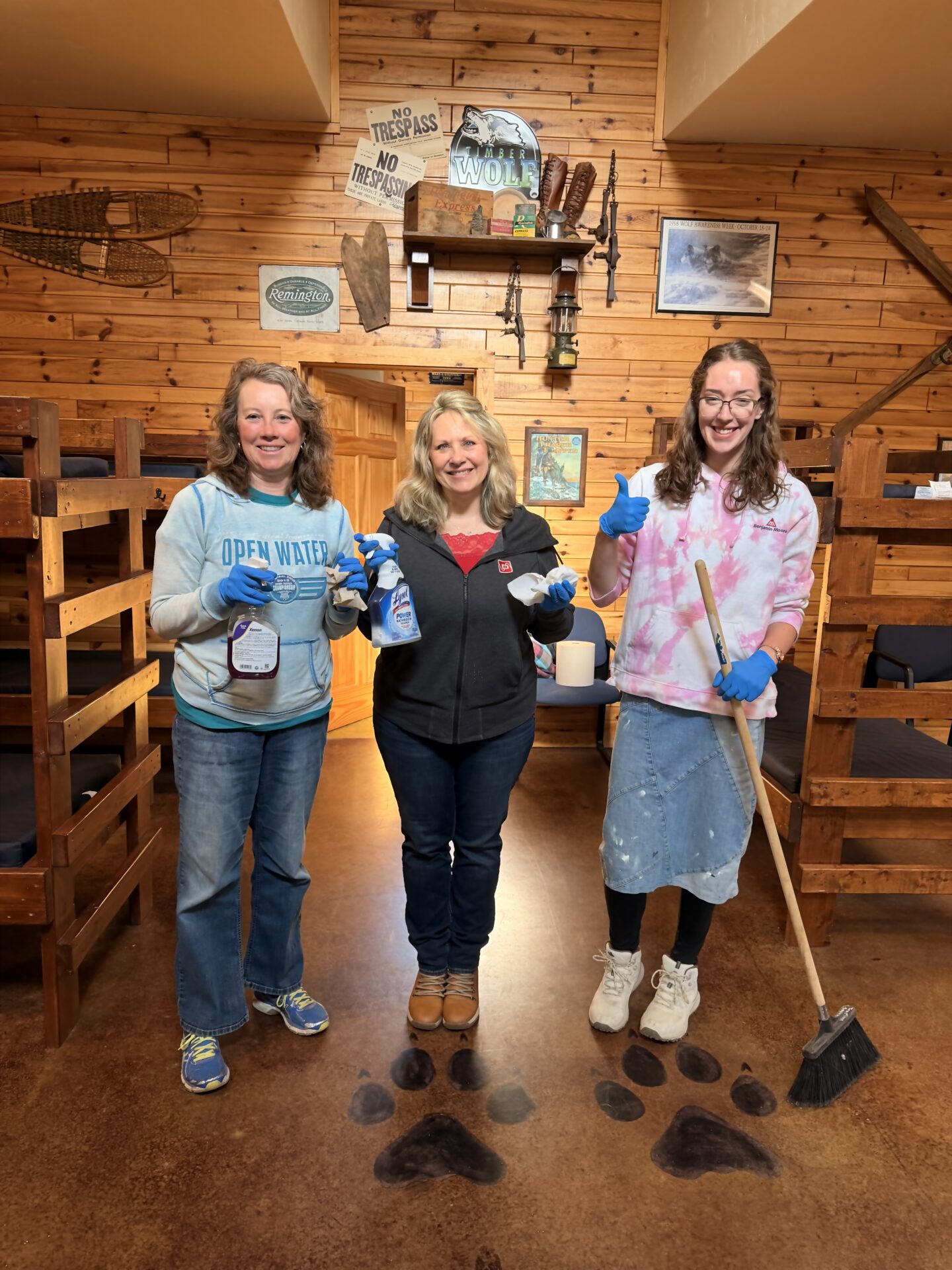
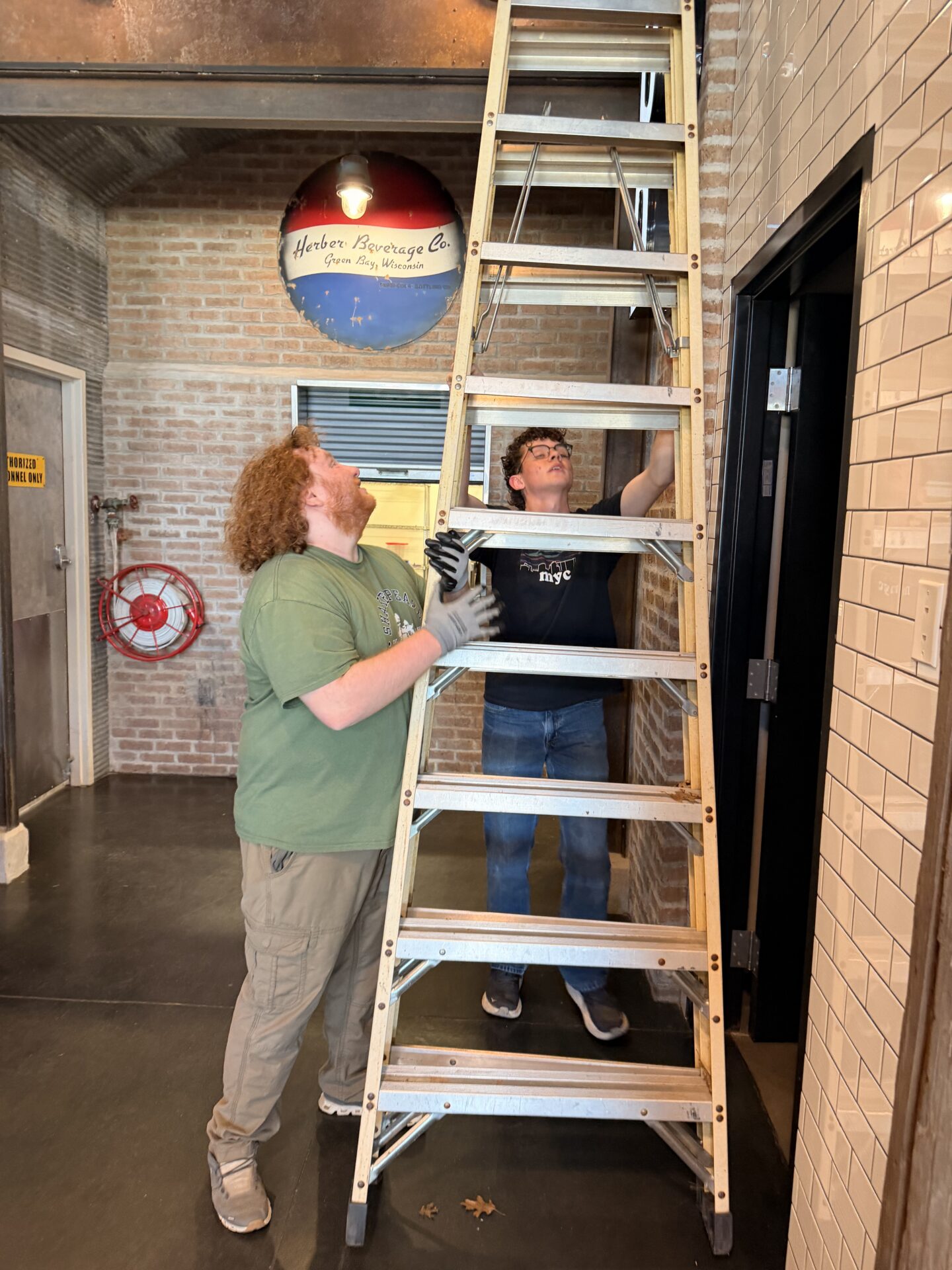
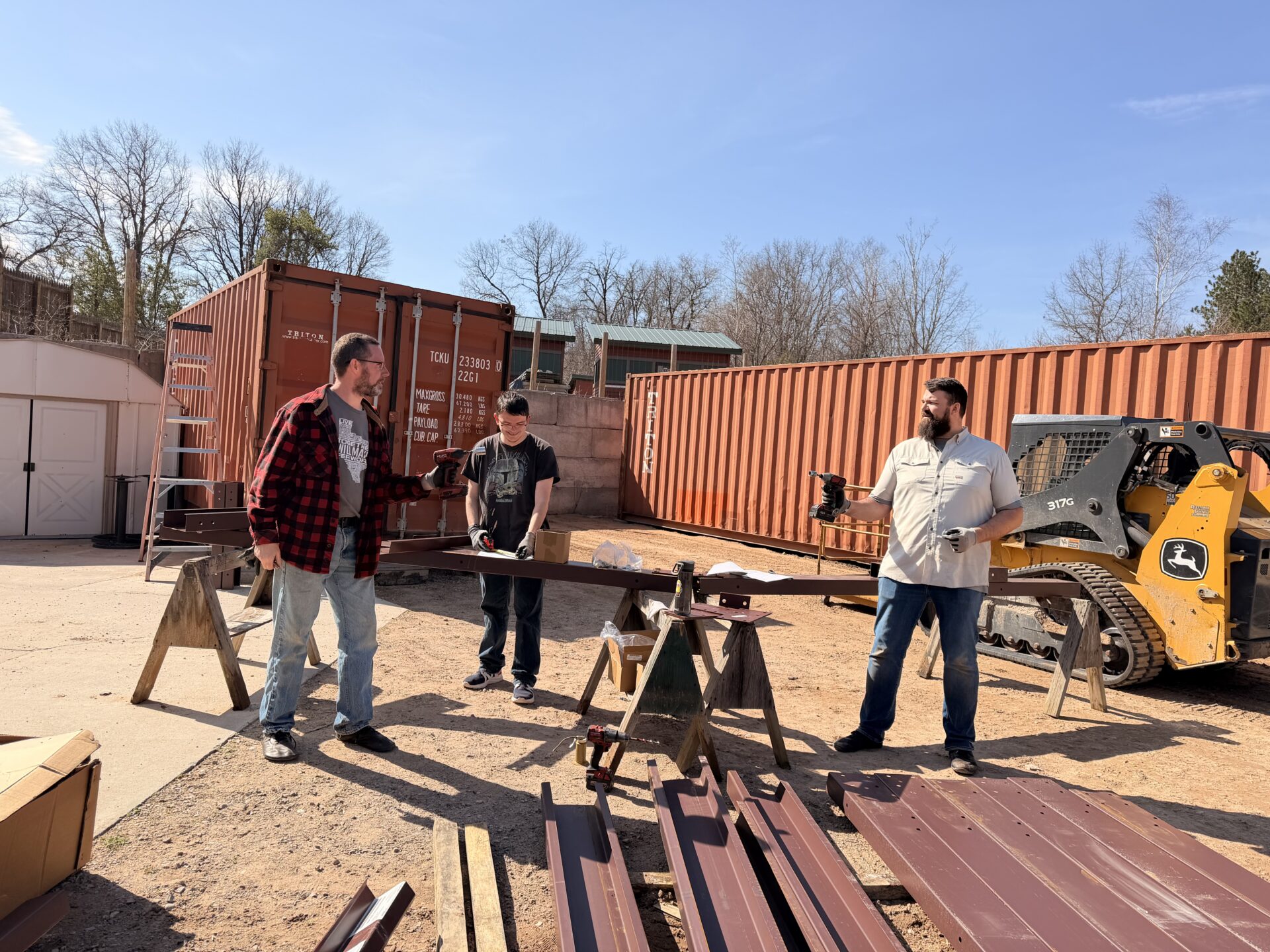
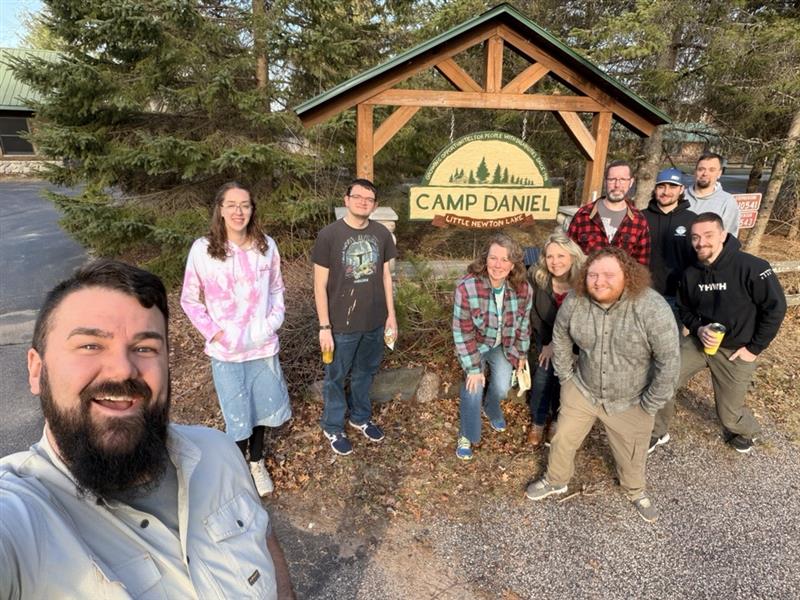
Dairyland continued its partnership with Camp Daniel this year by helping with construction and infrastructure, landscaping, and cabin deep-cleaning. Camp Daniel offers summer camp experiences and year-round community support to people with disabilities and their families. Dairyland has partnered with Camp Daniel for the last 6 years and is deeply grateful for the opportunity to walk alongside this organization.
I really enjoy volunteering at Camp Daniel. There [are] a wide variety of things they give us to do, anything from cleaning to maintenance and repairs… My favorite is Carnival Days when campers are present, [and] seeing the joy and enthusiasm on their faces. It is a remarkably well run camp that makes a positive lasting impact on their campers lives and it has been a nice opportunity to be part of something so special. — Sherry A Kostreva
 |
 |
 |
 |
 |
 |
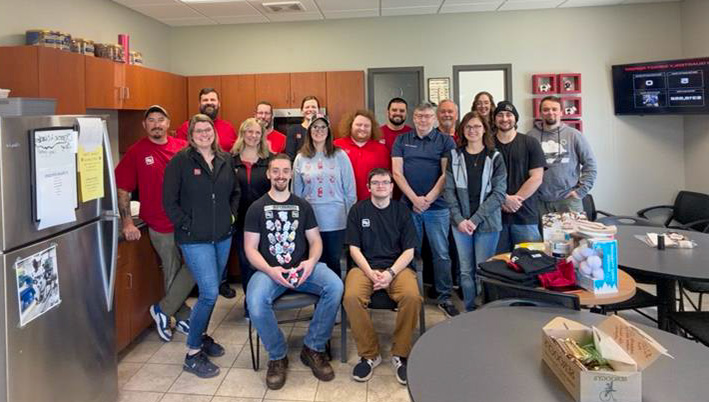
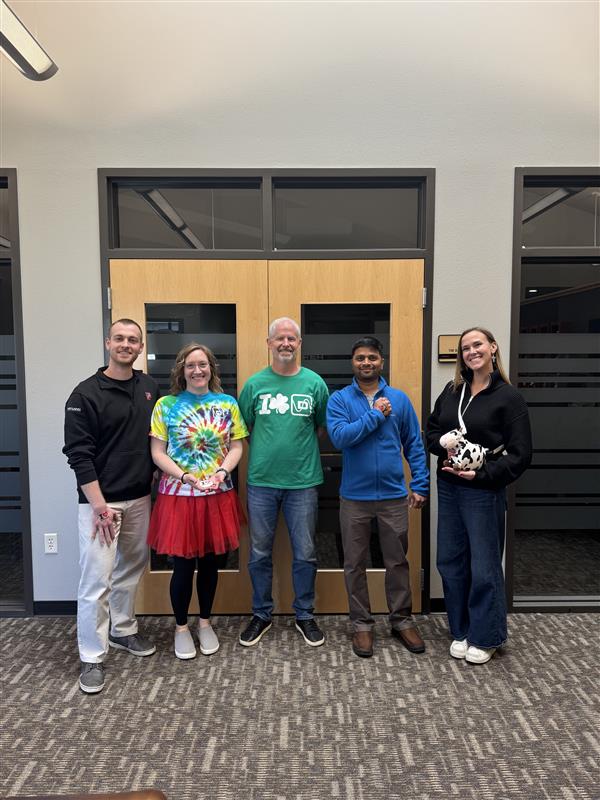
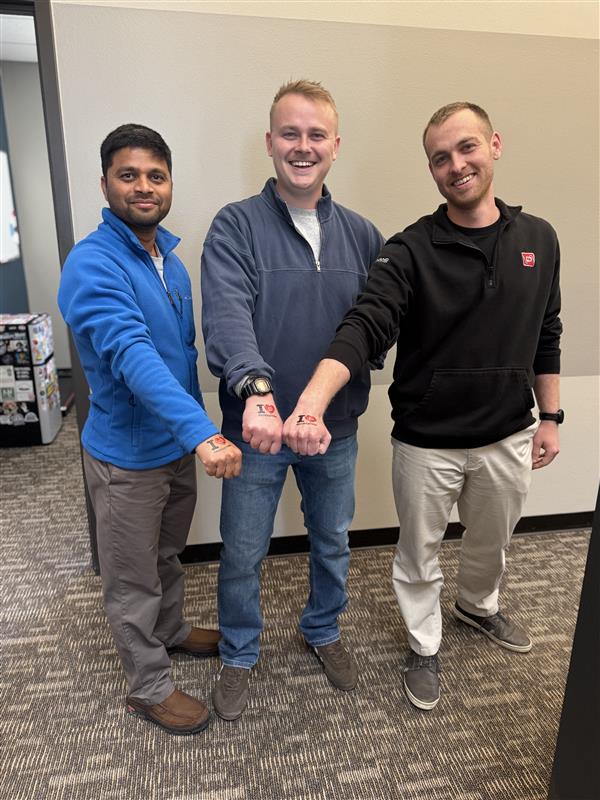
Monday’s Spirit Week Theme: “Dairyland Spirit Day”
 |
 |
 |
 |
Volunteer Event 2: Second Harvest
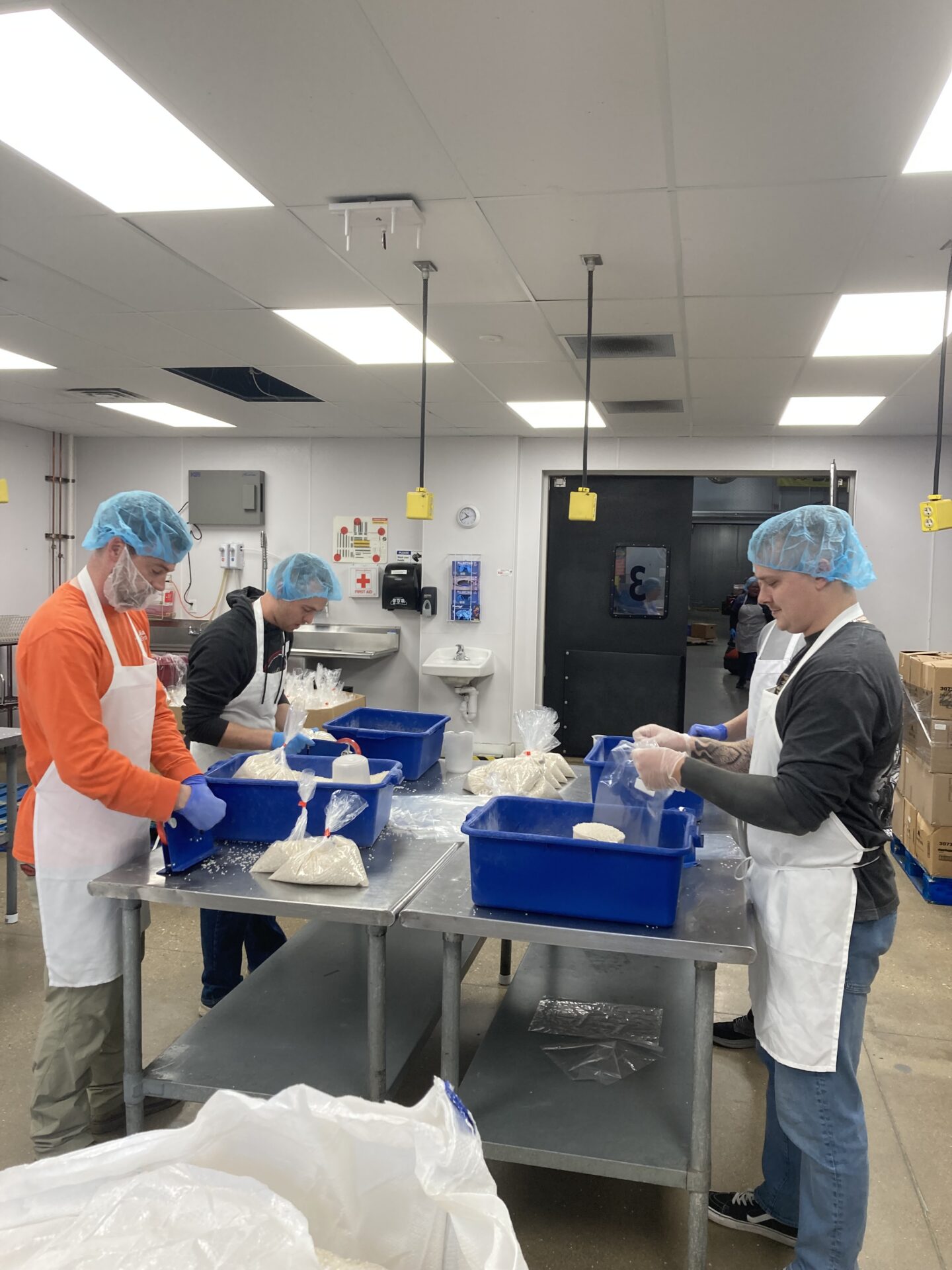
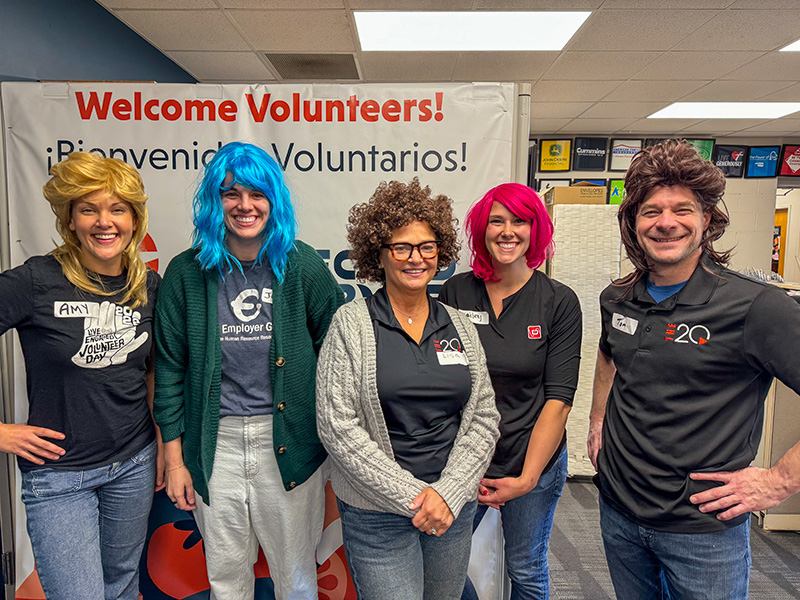
Several groups from the Stoughton office, alongside Dairyland partners The20, The Employer Group, and Alliant Energy, volunteered at Second Harvest to sort and process donations for food pantries in Dane County. As the largest food bank in Southern Wisconsin, Second Harvest provides thousands of households with much-needed relief to alleviate the impacts of food insecurity.
It was most meaningful to become aware of the realities of our community. Never would I have thought the local counties in Wisconsin would require 1000s of bags of food. Though the actual work felt meaningful, it was the mentality shift for gratitude for what we have and the desire to make a change that resonated with me personally. — Mason Spang
 |
 |
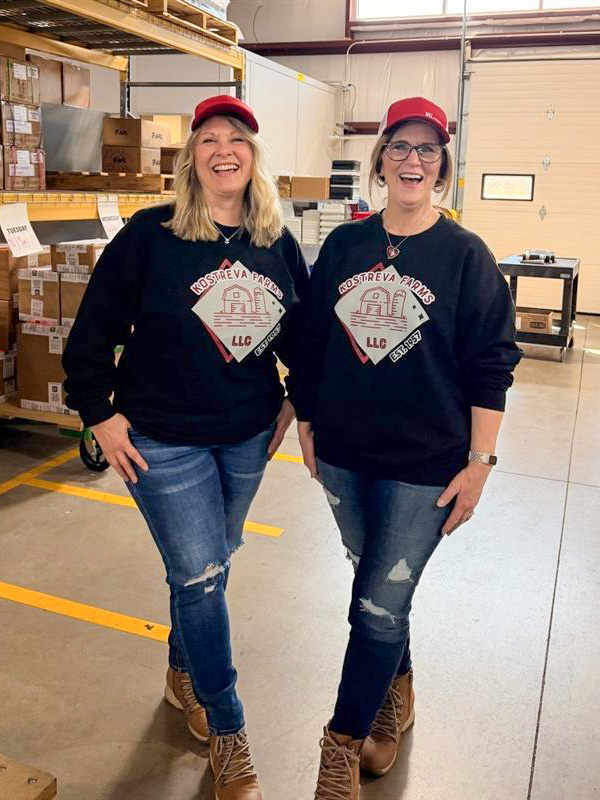
Tuesday’s Spirit Week Theme: “Twin Day”
 |
 |
 |
 |
Volunteer Event 3: Highway Cleanup
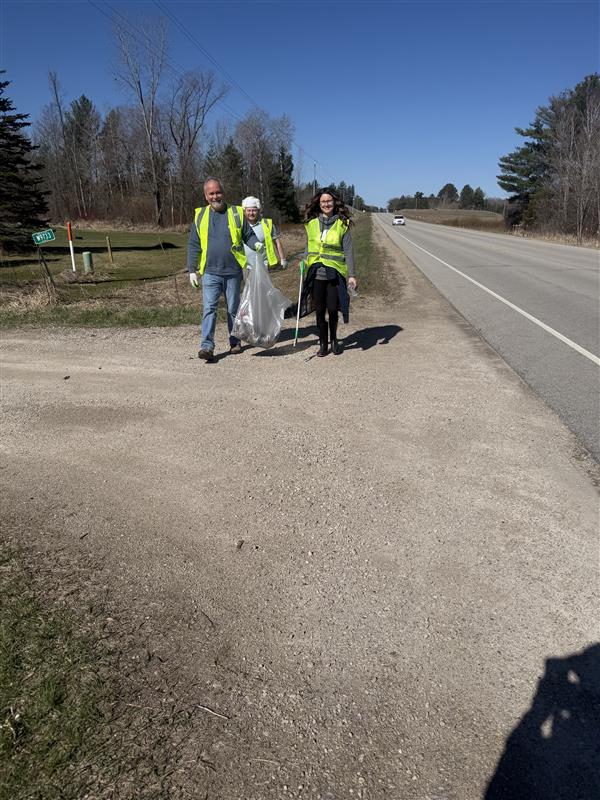
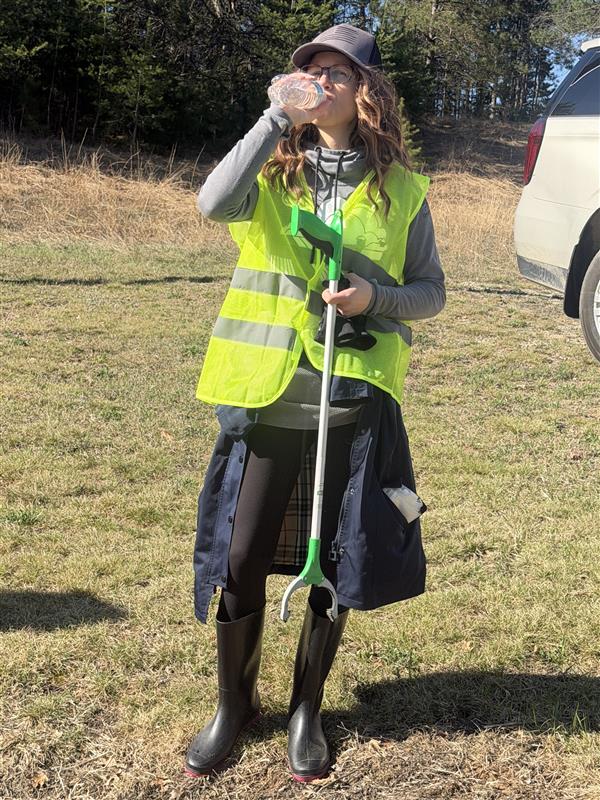
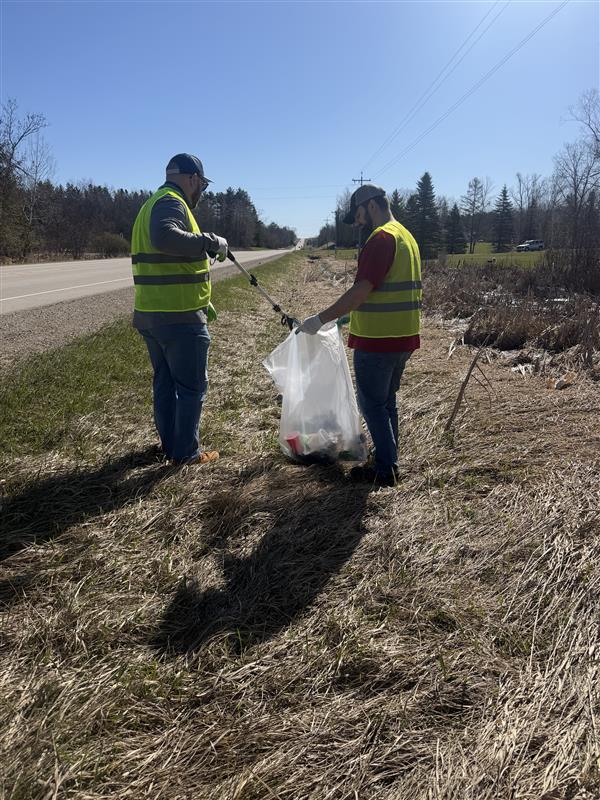
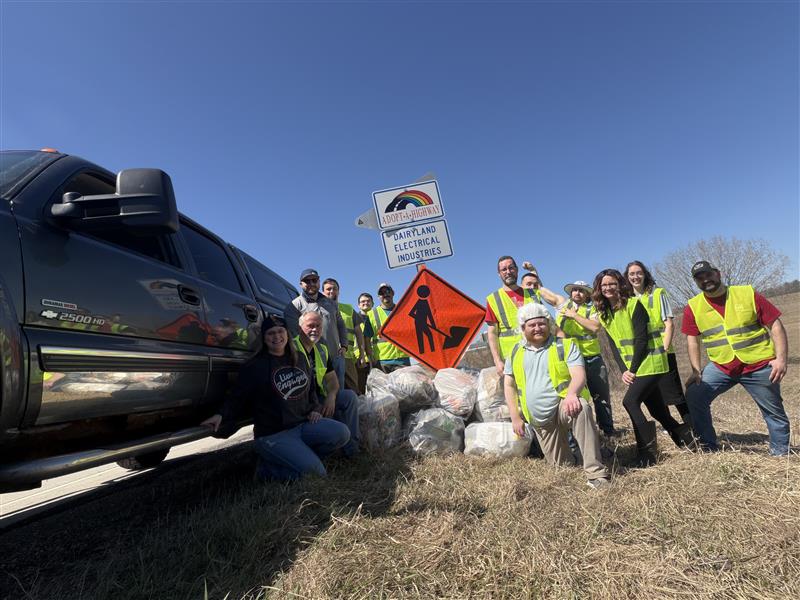
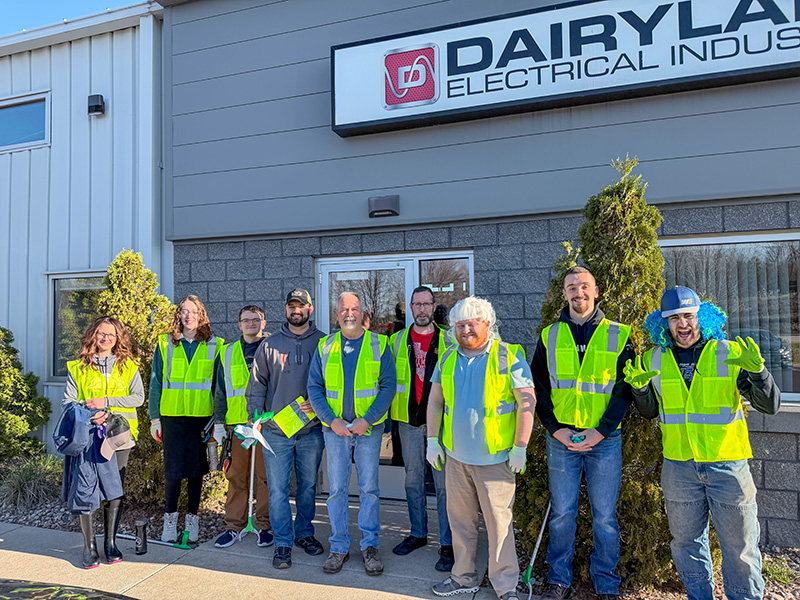
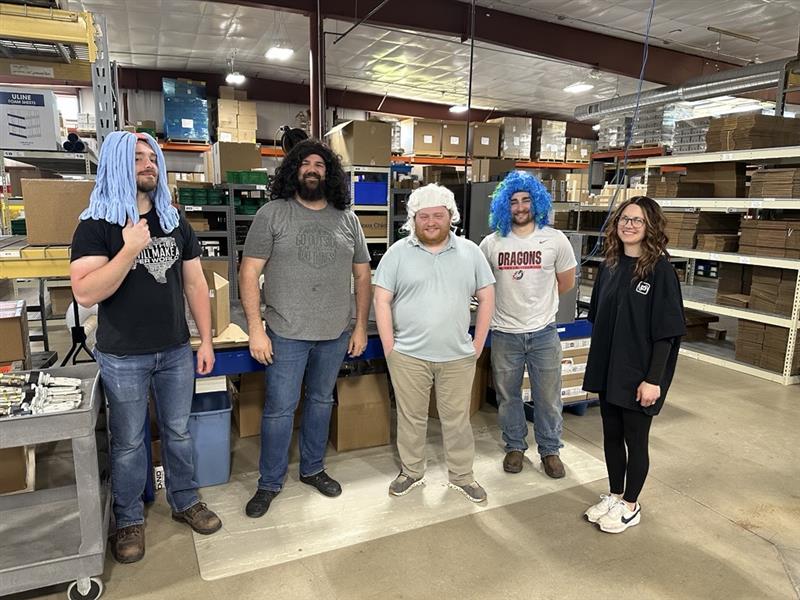
The fearless Pound crew, some Stoughton friends, and several Dairyland partners spent the morning cleaning trash off Dairyland’s sponsored stretch of highway. Note that highway cleanup coincided with Wig Day, and Dairyland employees showed out in neon blue and white wigs!
Cleaning our highways is more than just picking up garbage — it’s about showing pride in our community and respect for the people who live here. Small acts of service can make a big difference, and when we work together to keep our roads clean, we help create a safer, more beautiful place for everyone. Every piece of litter removed is a reminder that positive change starts with people willing to step up and help. — Brandon Baeten
 |
 |
 |
 |
 |
 |
Wednesday’s Spirit Day Theme: “Wig Day”
 |
 |
 |
Volunteer Event 4: Heartland Farm Sanctuary
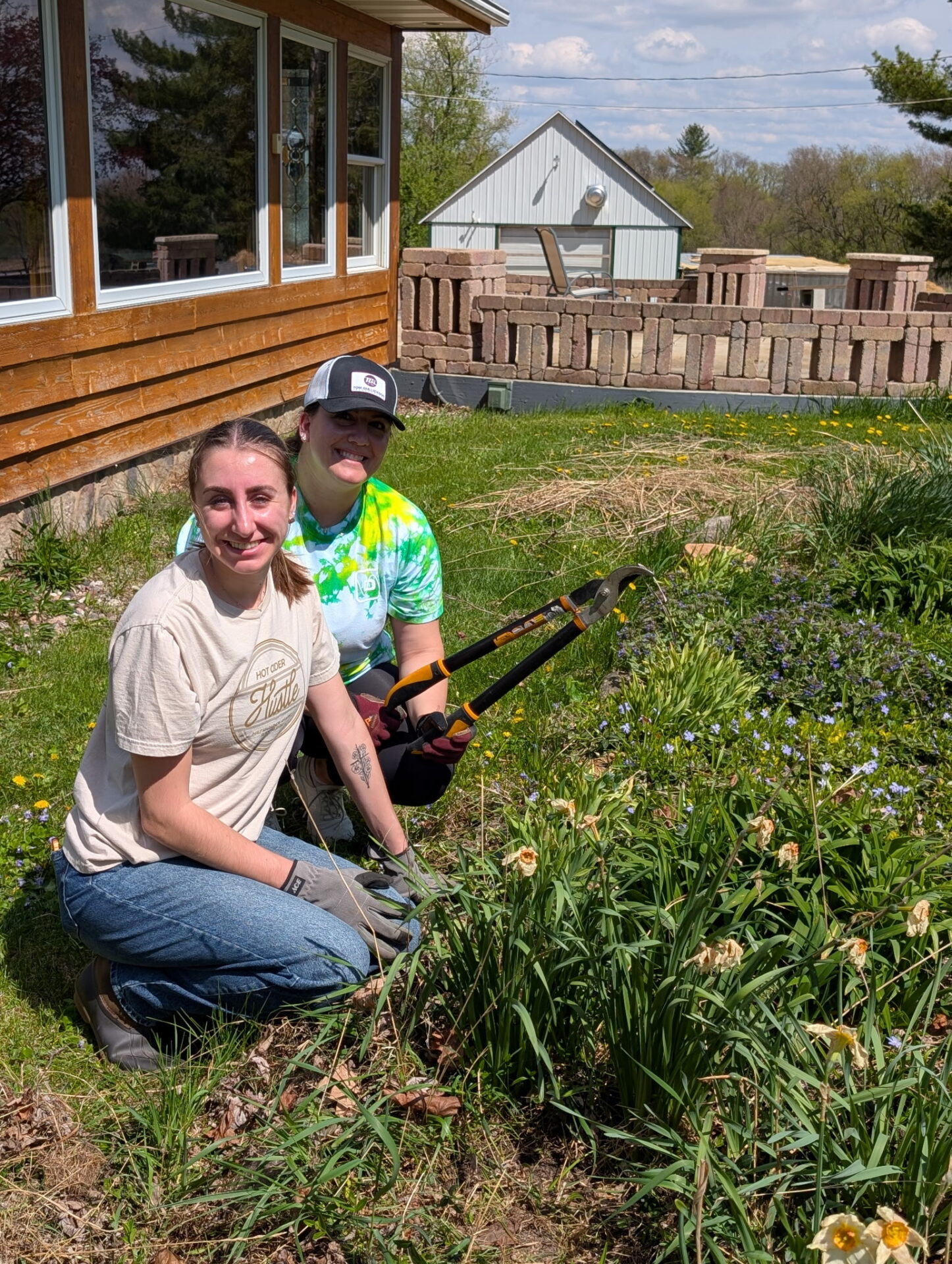
A small but mighty Inside Sales team returned to the Heartland Farm Sanctuary in Stoughton to lay pavers for an accessible pathway and help with spring beautification projects. The Heartland Farm Sanctuary offers rescue and rehabilitation for farm animals on their way to being rehomed.
I love how Dairyland truly encourages each employee to get out of the workplace and go volunteer to serve people and communities well. It’s yet another reminder that Dairyland is more than just a business, but one that cares about what’s going on in the world and people as a whole. — Megan Aasby
 |
 |
 |
 |
 |
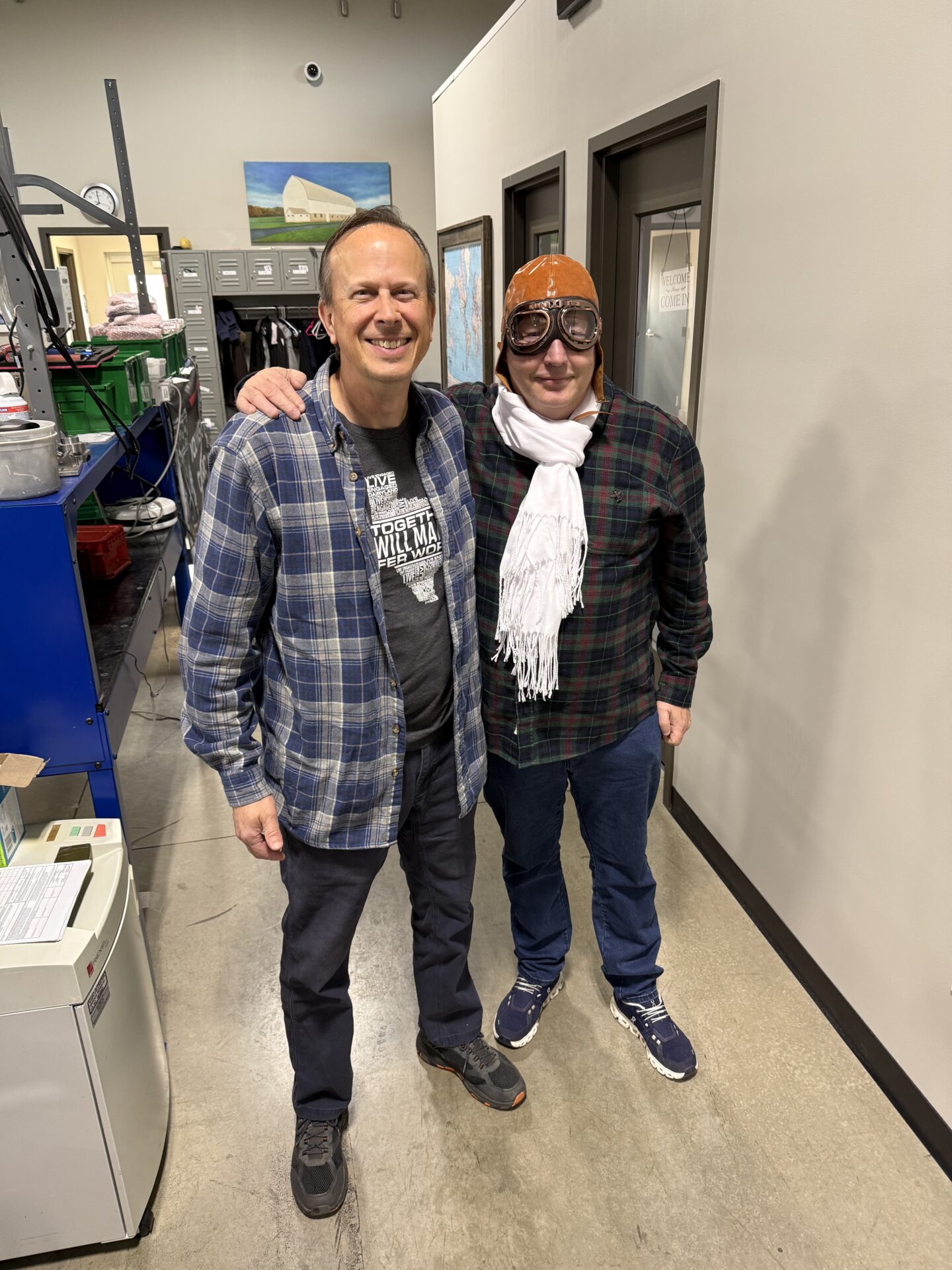
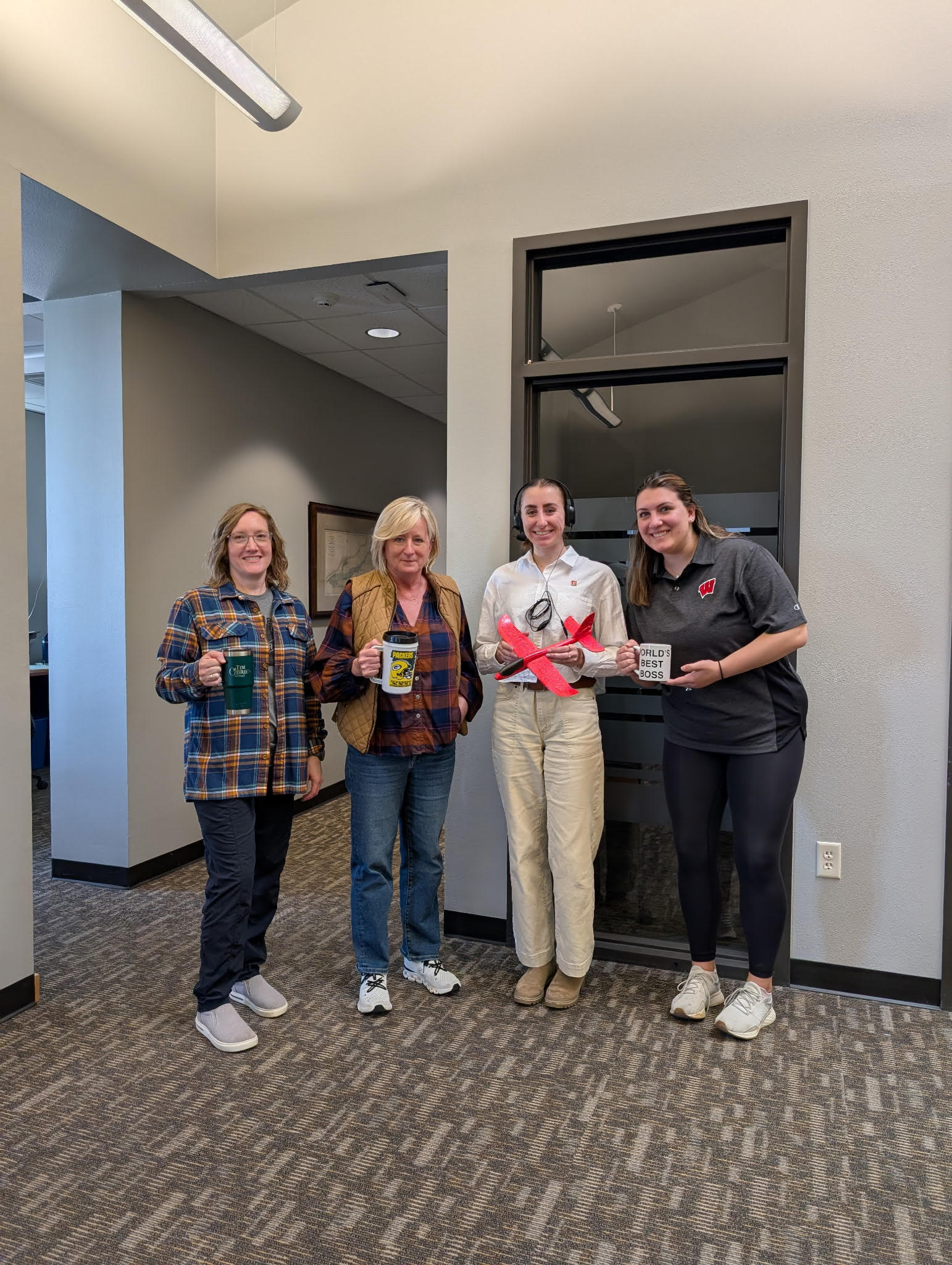
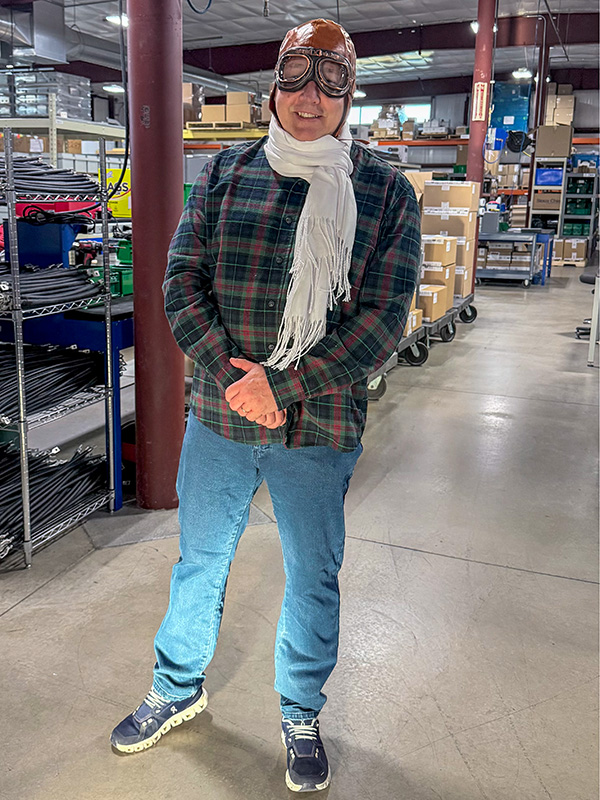
Thursday’s Spirit Week Theme: “Dress Like Mike Day”
 |
 |
 |
 |
Volunteer Events 5 and 6: Phil Eggen and Ben Jacobs
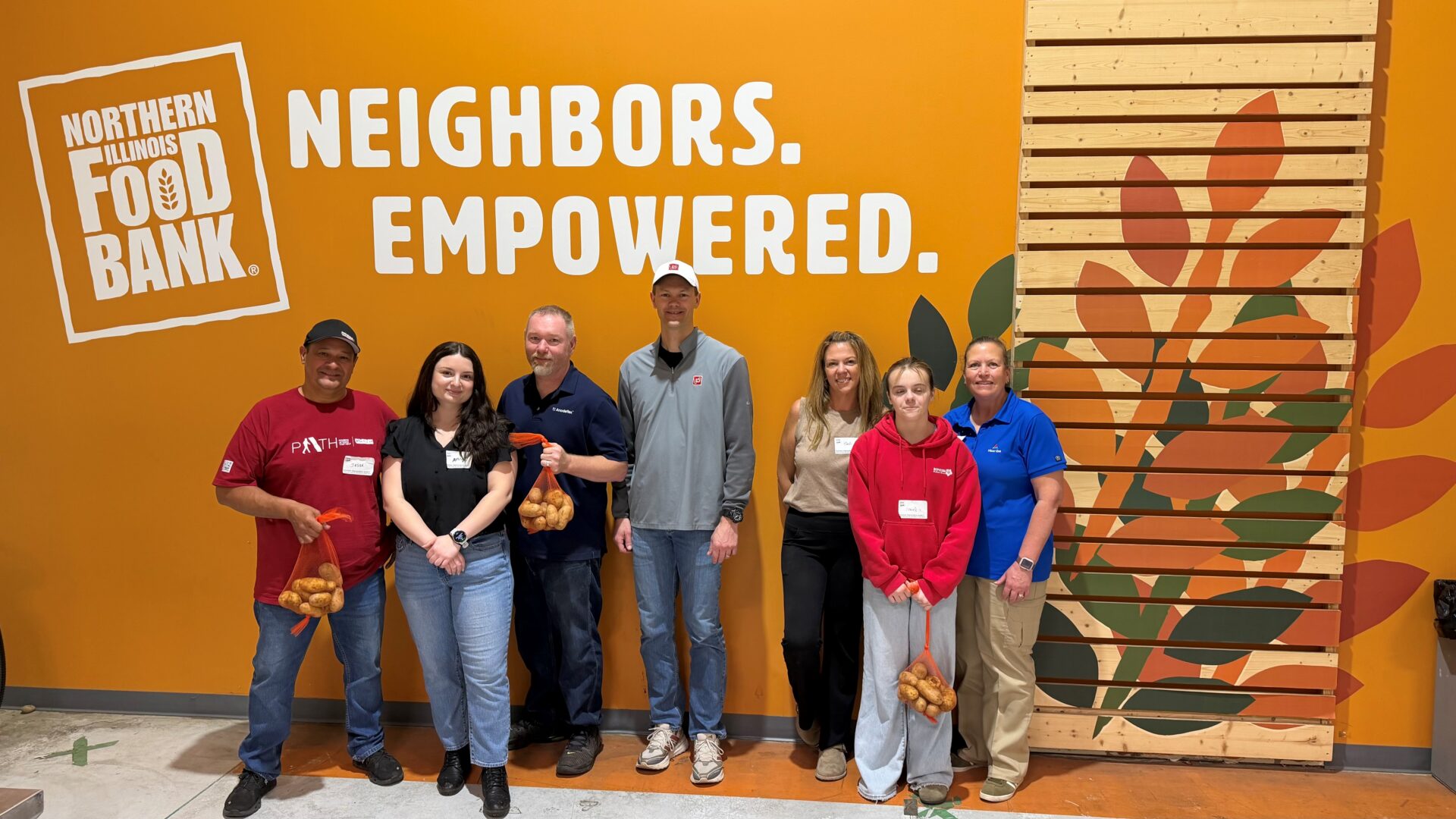
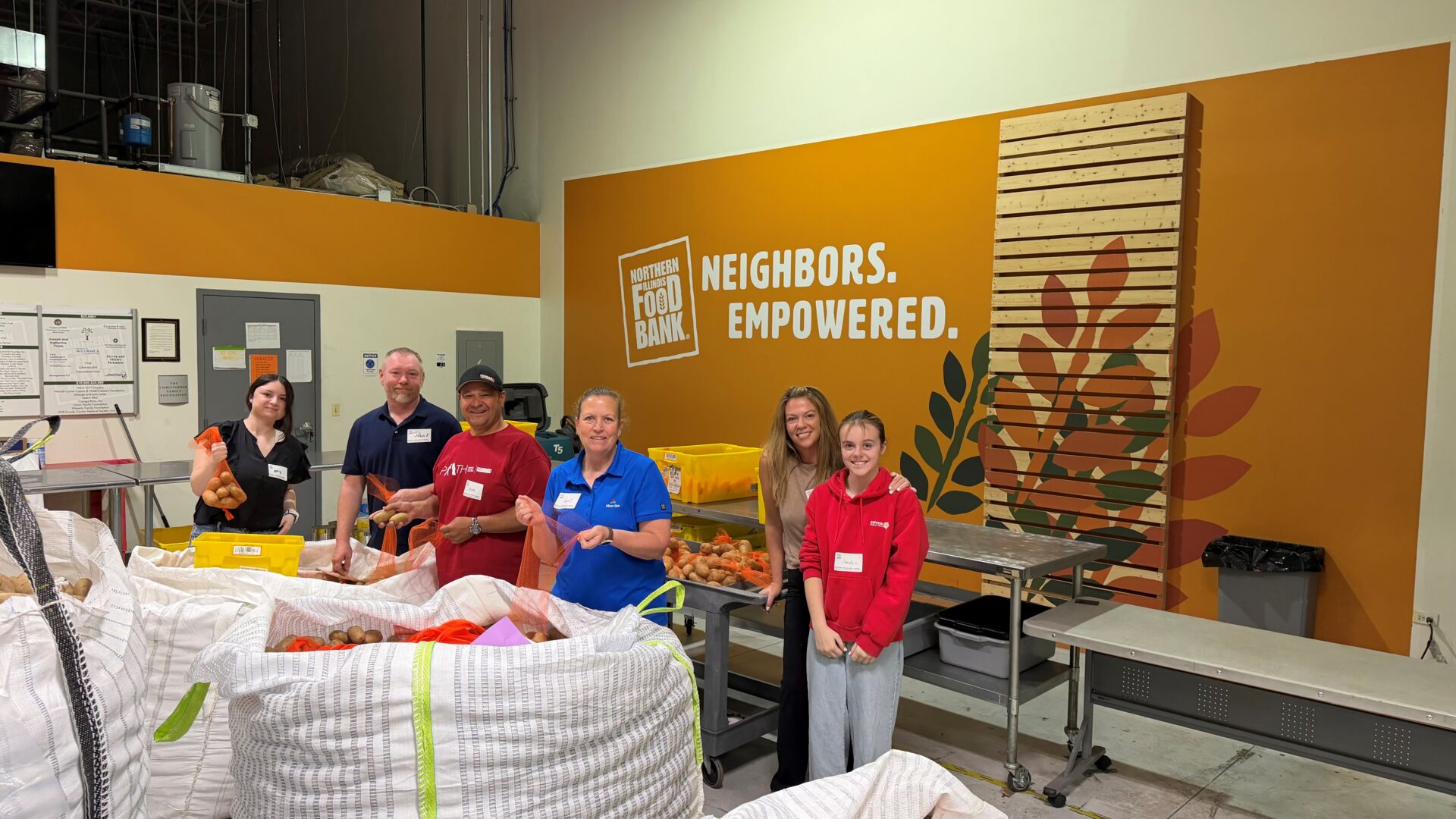
Volunteer week goes nationwide! Employees Phil Eggen and Ben Jacobs organized volunteer events in Chicagoland and Pittsburgh to serve their local communities. Phil brought Dairyland partners Lukas Enterprises, VCP Sales, Nicor Gas, Pembina Pipeline, and Kinder Morgan to the Northern Illinois Food Bank—together, they packaged enough food for 8,698 meals! Ben worked with partners from DT Midstream and local community members to clean up about 12 cityscape blocks and a stairwell in the Southside of Pittsburgh.
I was very proud to lead this event as Dairyland and AMPP Chicago came together to support our local communities through volunteering at the Northern Illinois Food Bank. We plan to continue this partnership and complete more volunteer events in the near future. — Phil Eggen
 |
 |
 |
 |
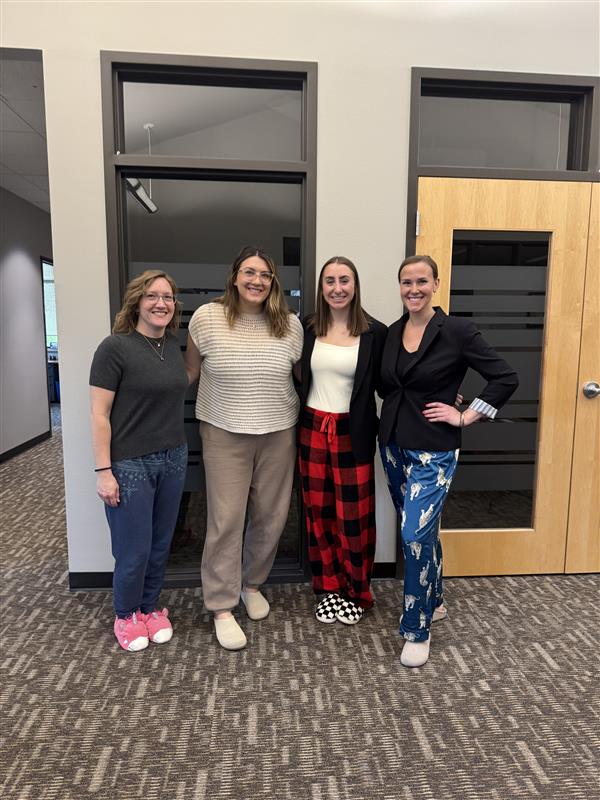
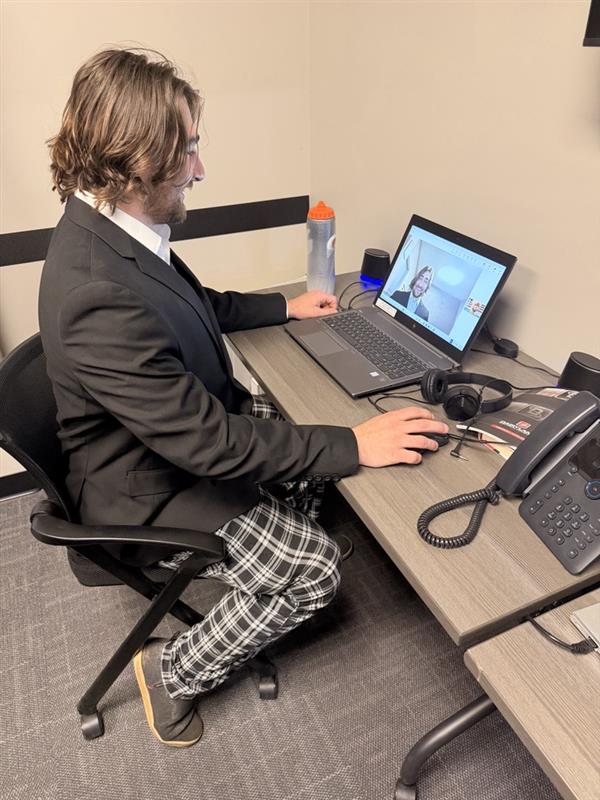
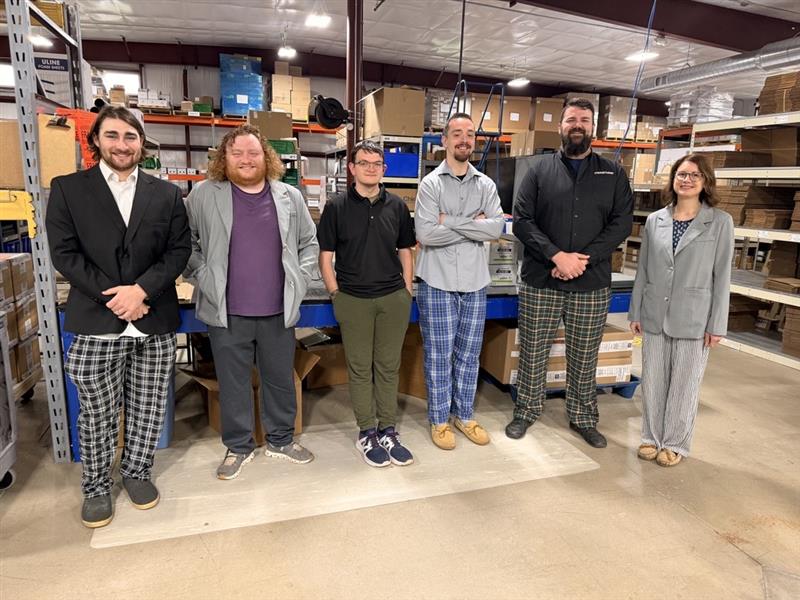
Friday’s Spirit Day Theme: “Work from Home Day”
 |
 |
 |
Volunteer Event 7: Habitat for Humanity
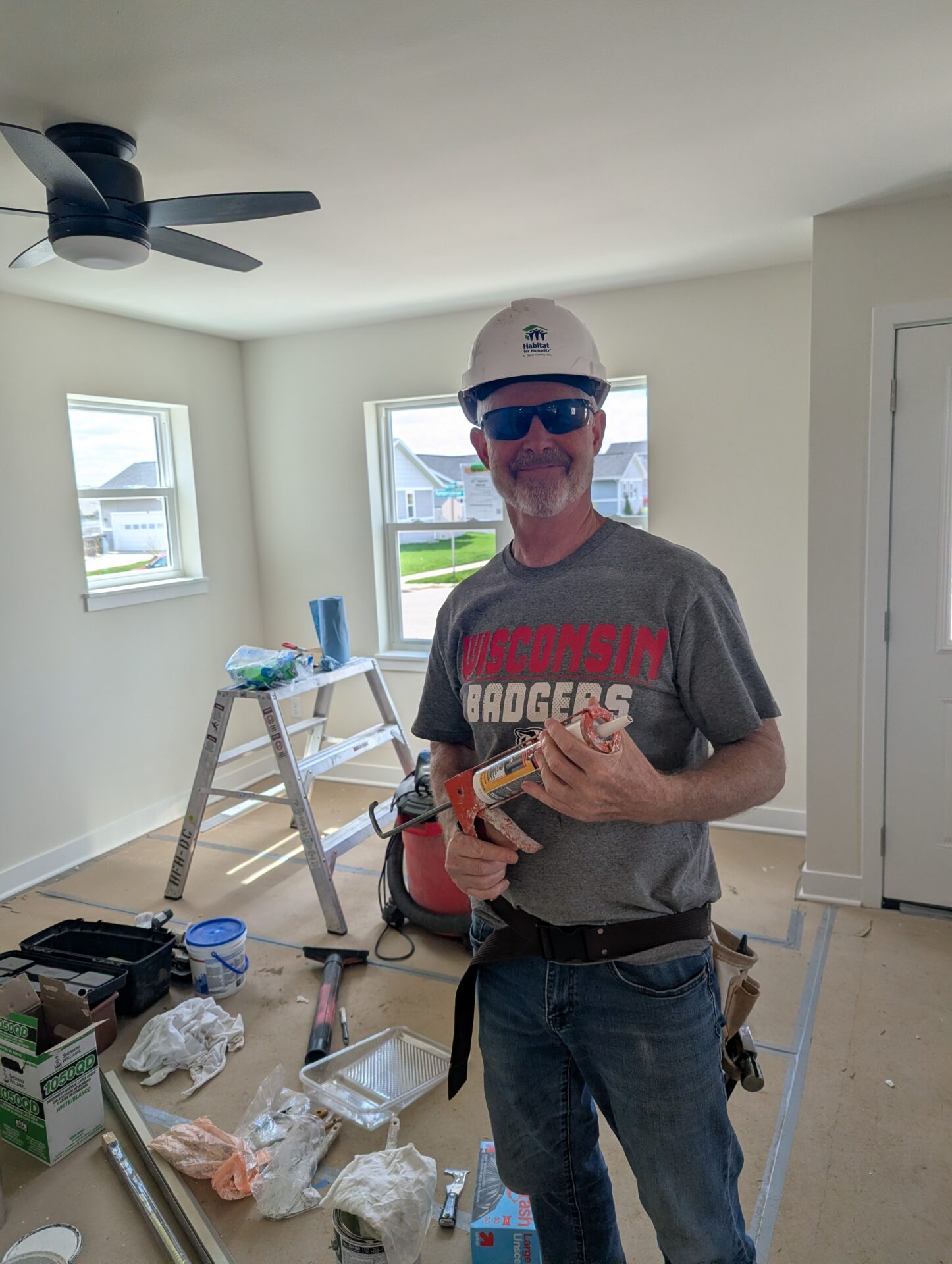
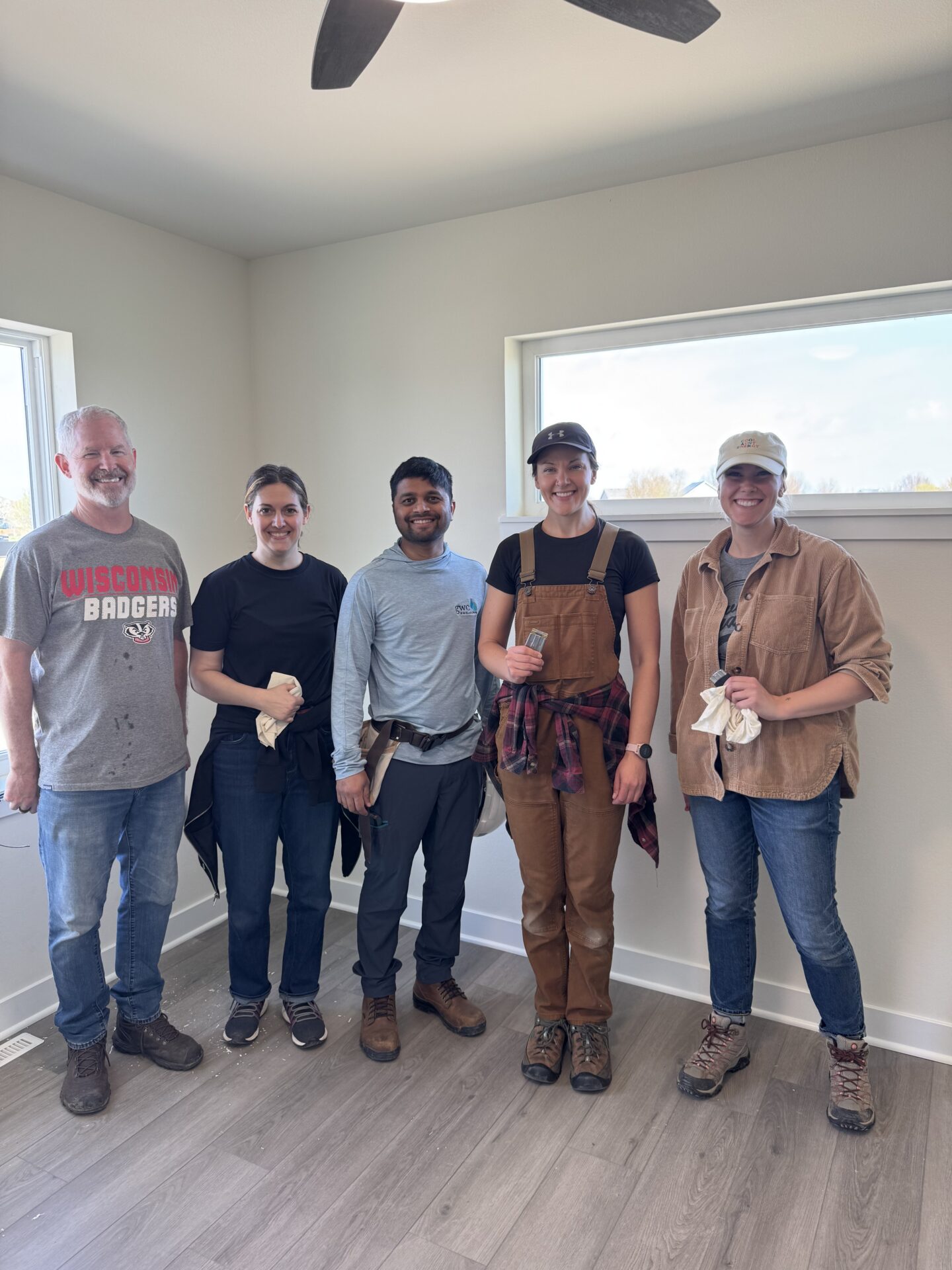
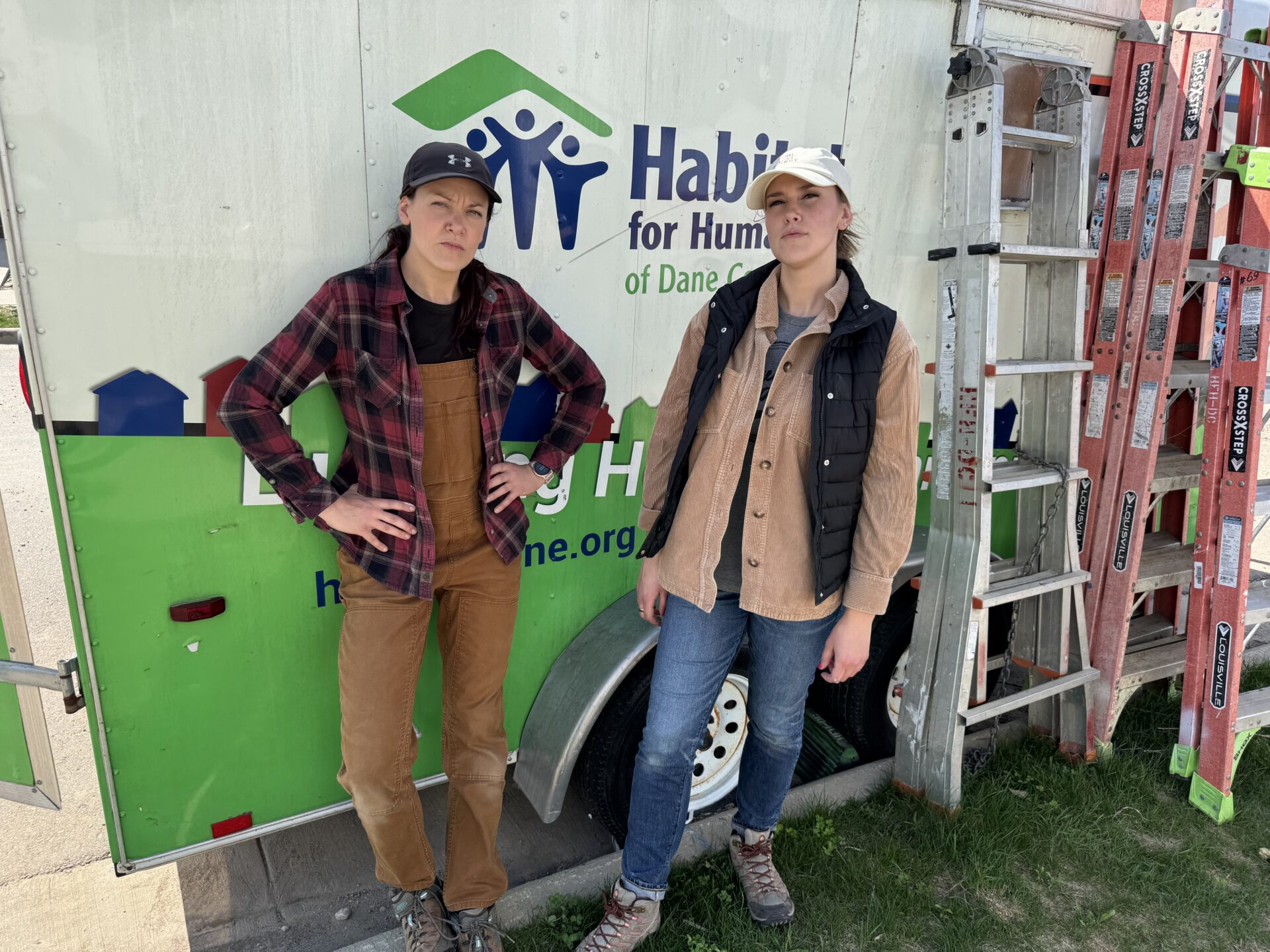
Members of Dairyland’s leadership and business development teams, as well as partner Tracie Duellman Search, volunteered with Habitat for Humanity to complete interior and exterior projects on new housing for low-income individuals. Habitat for Humanity provides sustainable housing across the country and Dairyland has partnered closely with them since 2018, even sponsoring a build in 2021.
[I] really enjoy serving with others and doing the “small” things that add up. [It’s] amazing what can be accomplished when many people give/serve just a little. — Ken Schuh
 |
 |
 |
 |
 |
 |
Conclusion:
This is the heart of Business as a Force for Good: giving of our time and resources to support our communities in tangible, meaningful ways. We carry this spirit with us throughout the year and invite you to do the same.
If you participated in Volunteer Week and have photos you would like to share, please send them to LiveEngaged@dairyland.com.
Thank you for your support, and for partnering with us to use Business as a Force for Good! Keep an eye out for Volunteer Week 2027—we can’t wait to serve with you again next year.
More than a Break: Dairyland Introduces Quarterly “Recess”
In 2024, Dairyland launched Operation Great Place (OGP)—an initiative designed to build on our strong culture and take it a step further. The goal of OGP is not simply to make Dairyland a nice place to work, but a truly great place to work. The initiative invited OGP project team members to think creatively about how to make our workplace more enjoyable, engaging, and connected for everyone. One outcome of this effort was the introduction of a quarterly 30-minute recess at both our Stoughton main office and Pound manufacturing facility.
Recess is structured as an optional 30-minute activity held once each quarter. Ideally, recess gives employees a chance to step away from their desks and connect with colleagues in ways that feel refreshing and meaningful.
Why Recess?
Recess offers a deliberate pause in the workday and presents an opportunity to shift focus from numbers, spreadsheets, and project deadlines to laughter, teamwork, and fun. Much like the breaks we enjoyed in elementary school, recess provides time to reset and recharge. Depending on the activity, employees may participate individually or in teams, encouraging collaboration, lighthearted competition, and creativity.
By spending time together in this way, employees can strengthen cross-departmental connections, support their mental and physical well-being, and return to work with renewed energy and focus.
I like having a break from work to be silly with my coworkers and have fun. I enjoyed playing board games and doing a race outside, as well as more creative activities that I wouldn’t have thought of trying on my own. A dedicated time also helps me get closer to my coworkers that I don’t have a lot of day to day contact with.
-Buket Allı, Accounting
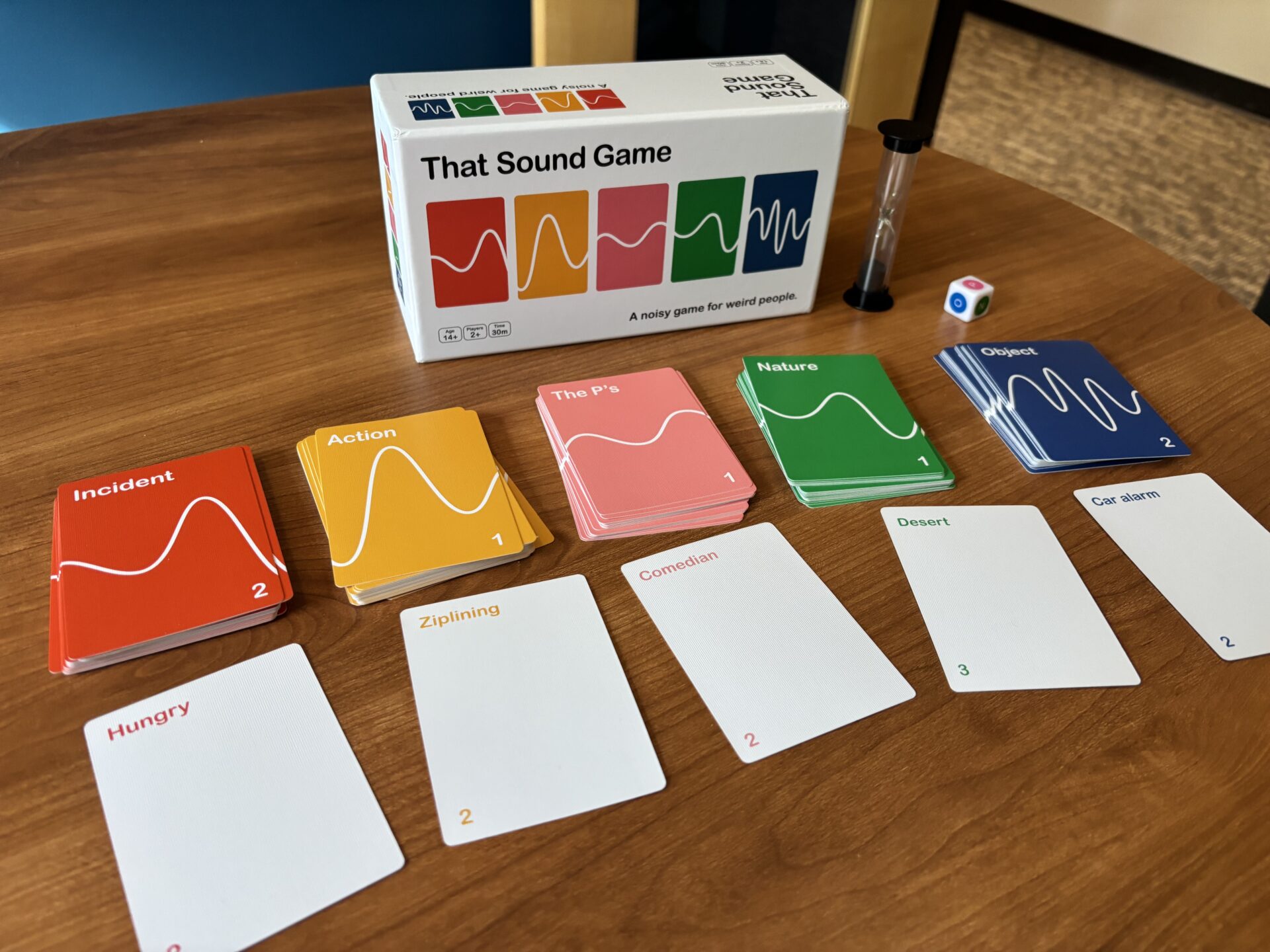
To date, recess activities have included playing a rousing few rounds of “That Sound Game.”

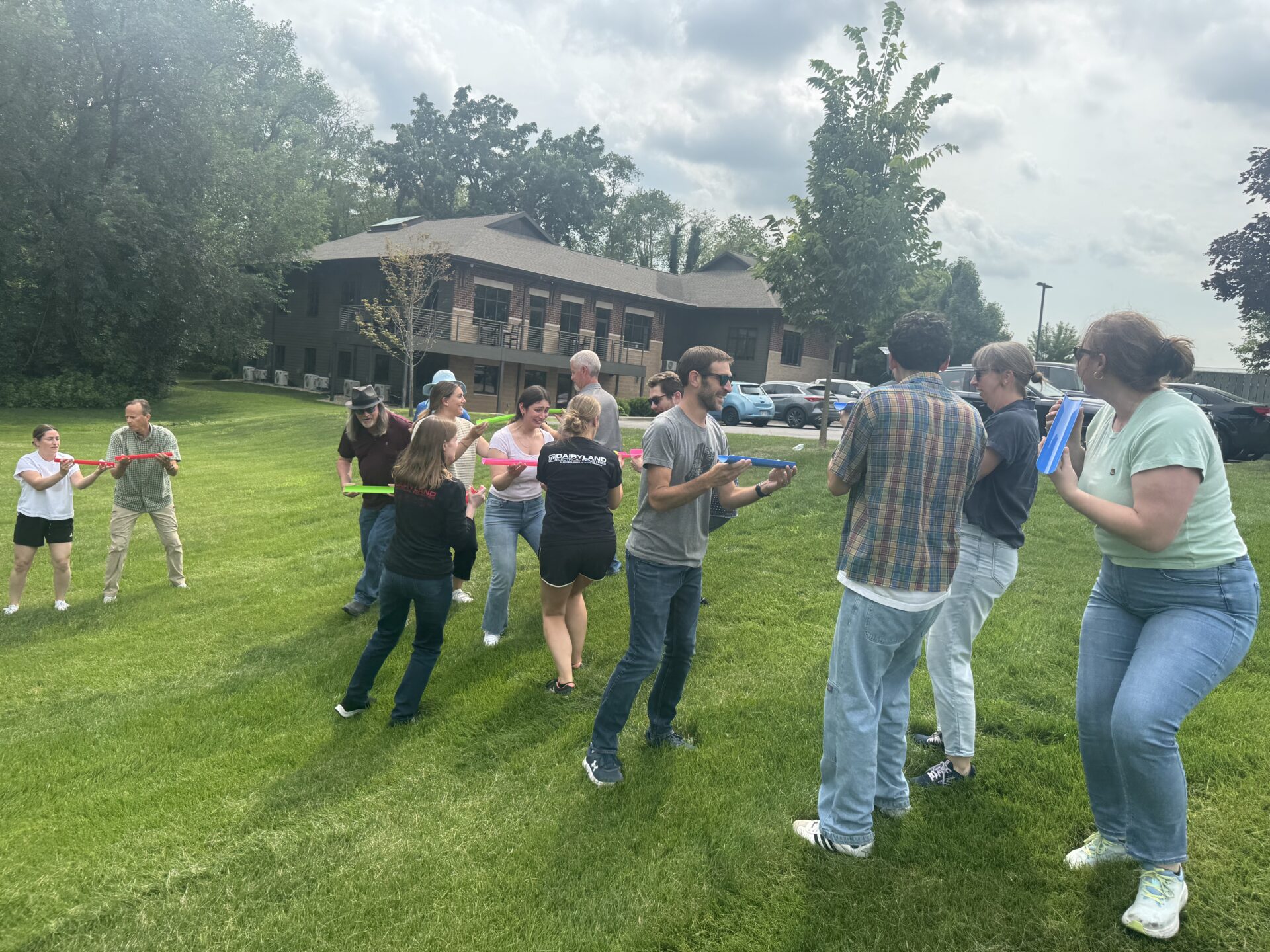
A competitive obstacle course relay that saw the “finals” play out at our summer picnic.
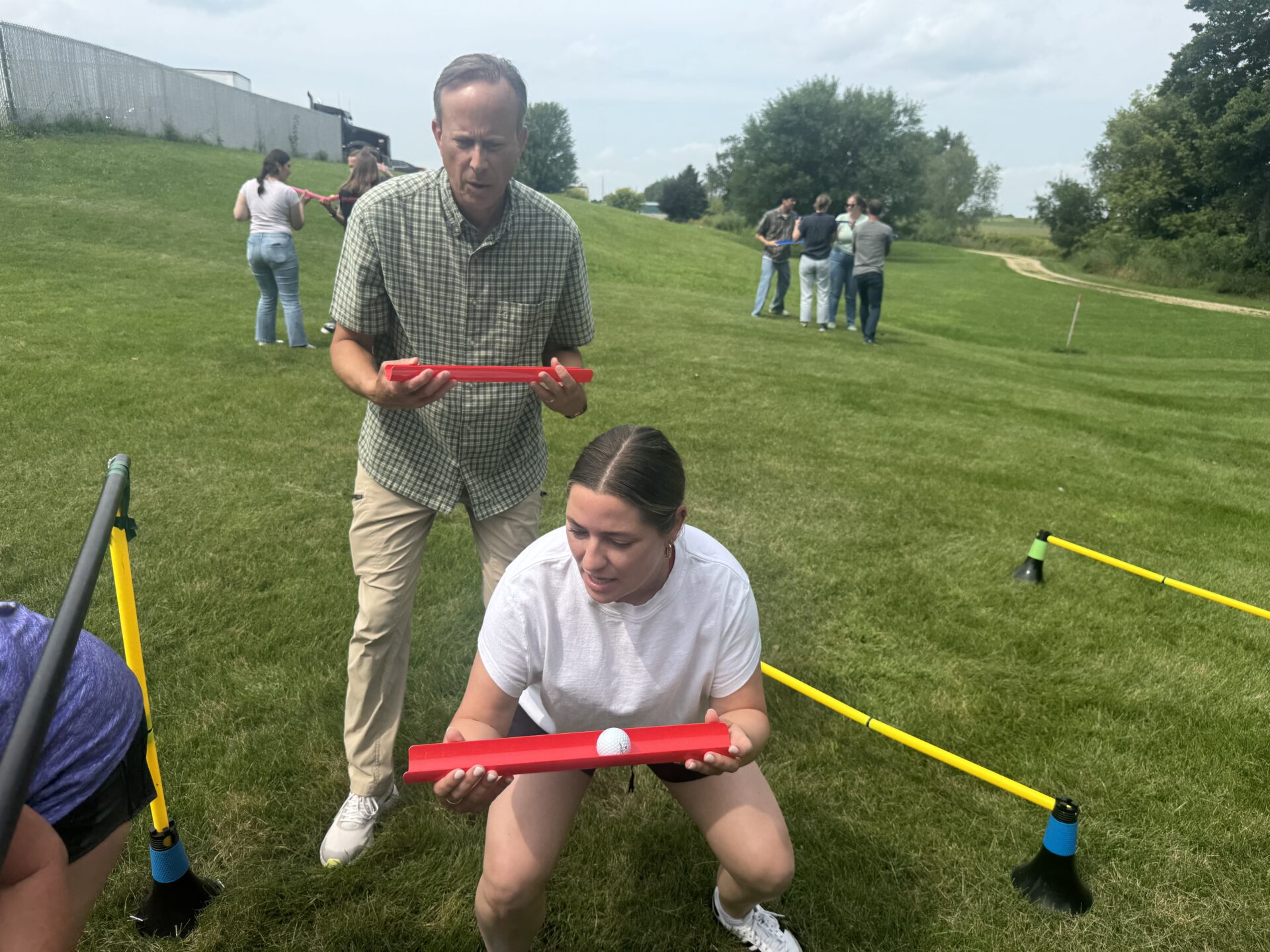
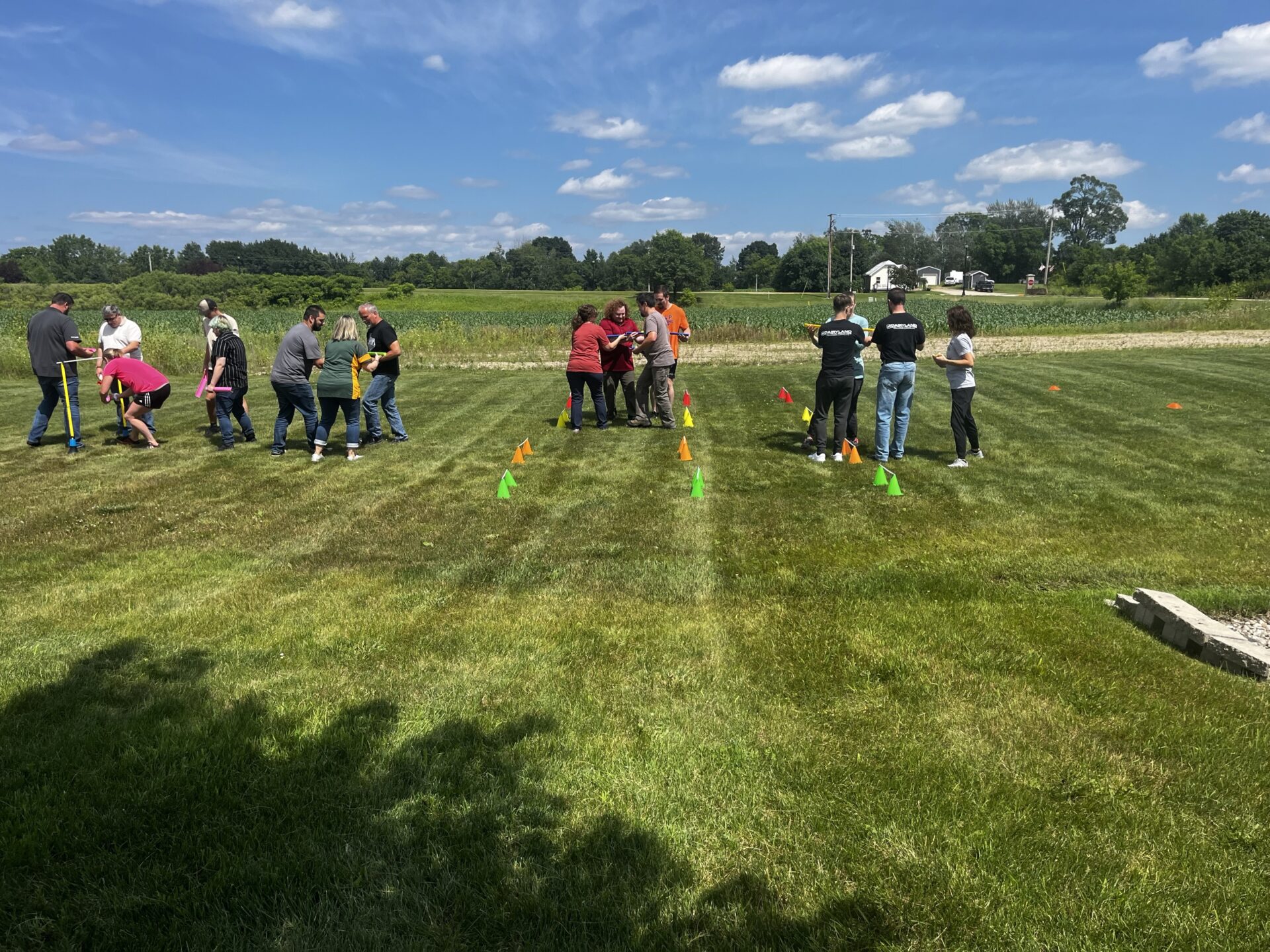
And, a tie-dye workshop.
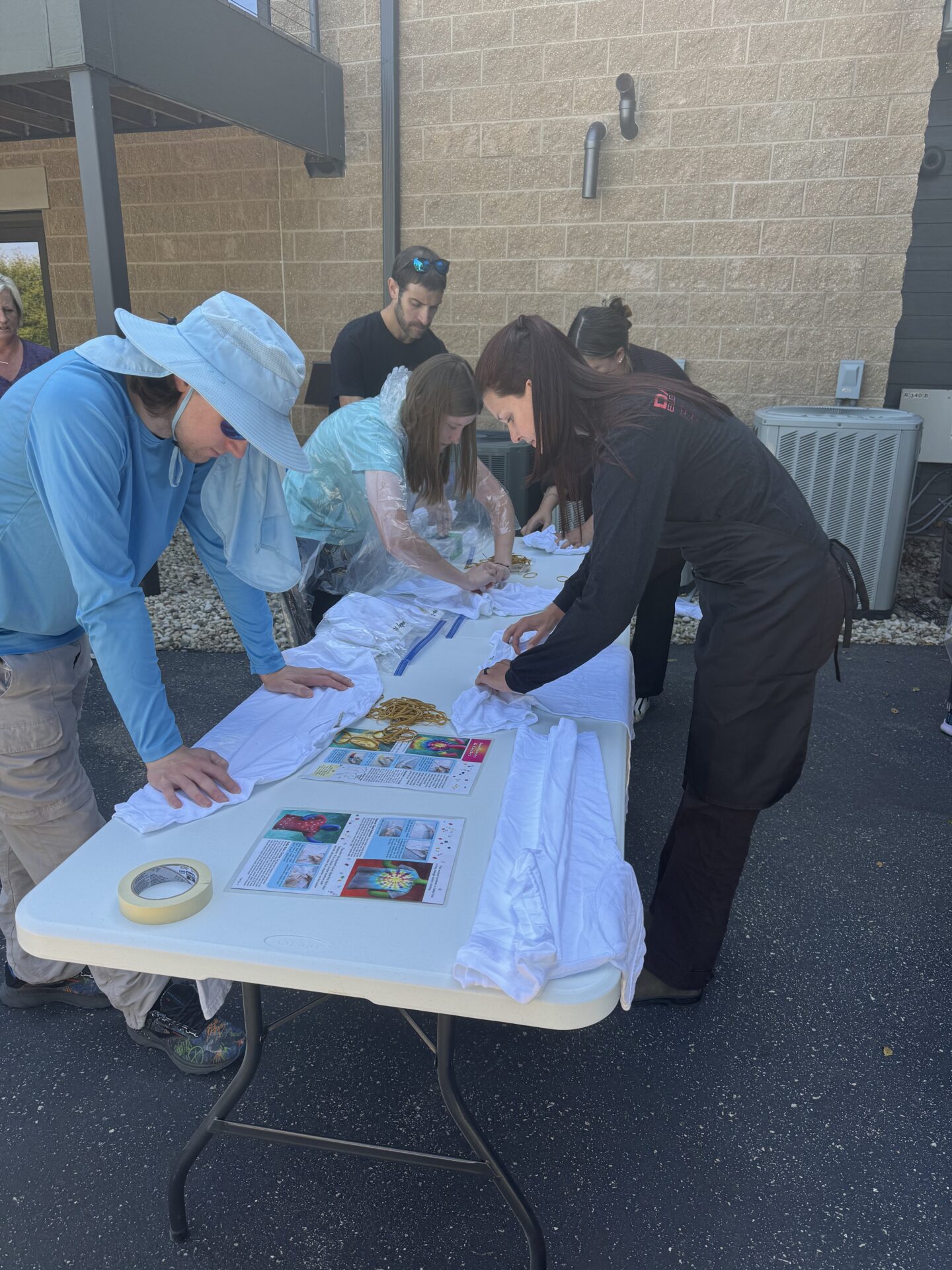
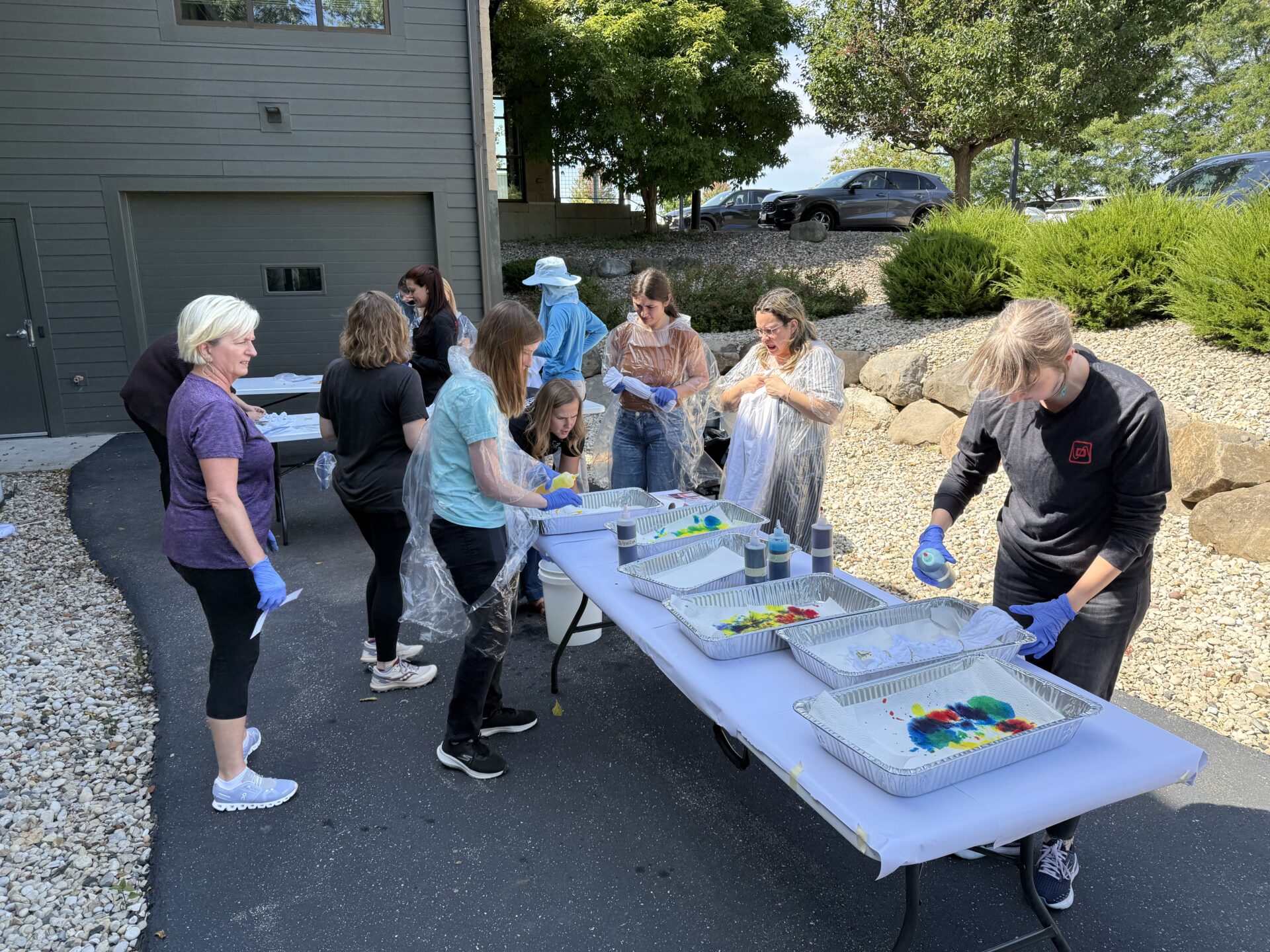

Other Engaging Activities at Dairyland
Recess is one component of a broader strategy called the “Fun & Togetherness” plan, intended to build on connection and engagement at Dairyland. Other pieces of this plan include:
- Half-day paid outings with your department
- Trivia happy hours
- Monthly raffles for prizes during team meetings
- Spirit Week dress-up days during Volunteer Week
- Company-wide incentives tied to volunteer hour milestones
Together, these programs reflect our ongoing commitment to cultivating a workplace where employees feel valued, connected, and motivated. While Recess lasts only 30 minutes, its positive effects extend beyond the activity itself—strengthening individuals and relationships, and reinforcing Dairyland as a great place to work.
I love that Recess is a great reminder that stepping away from our daily routine can help us return more energized and engaged. We always do something creative and fun, which allows us to connect with different departments and colleagues beyond the usual workday. It’s a tradition I really look forward to each quarter!
– Sara Stern, Inside Sales
Ensuring Lasting Impact
The introduction of recess has so far yielded positive outcomes for both employees and the organization. As important as it may seem to get out and be active with team mates, however, it is equally as important to us to ensure recess and other initiatives remain relevant and meaningful for our team. We will continue to measure the effectiveness of new activities through short follow-up surveys and our annual engagement survey.
Our employee engagement is at an all-time high, 4.45 out of 5 this year, and that’s no accident. Recess is a clear example of how we live our people-first culture, creating space for fun, connection, and joy that carry into the way we work together and succeed as a company. Employees consistently point to our relational culture and investment in people as top drivers of engagement, and recess is one way we bring that to life.
– Amy Wedell, Programs and Systems
Thirty years ago, on April 7, 1995, Sherry Kostreva and Sherry Kostreva started working at Dairyland Electrical Industries (yes, you read that correctly). Sherry Ann and Sherry Lynne, as they are better known, are sisters-in-law who began their careers with Dairyland on the same exact day. Their husbands had worked for Dairyland first, but they needed to be on their family farms once spring rolled around. So, Sherry Ann and Sherry Lynne stepped in to help Dairyland.
When the Sherrys started, Dairyland was a much smaller operation—and nearly everything was done in the Tachick family barn. At the time, only VTNIs and ISPs were manufactured, everything was written down by hand, and purchase orders were received through the United States Postal Service. Much has changed since then, but some things remain the same.
 Sherry Ann & Sherry Lynne, inadvertently matching
To celebrate their thirtieth anniversaries, I had the honor and privilege of sitting down with the Sherrys to discuss their time at Dairyland and what it has meant to them. I sincerely enjoyed their wisdom and wit. Now, what follows is a story about family, hard work, good times, lots of laughs, and everything in between.*
*Light editing was done throughout for the sake of readability.
Looking back over your time at Dairyland, what are you most proud of accomplishing?
Sherry Ann: I remember building the first SSD’s, the first PCR’s, even the first OVP’s. It was cool to be part of determining which serial numbers to start with for each. It also meant a lot to me to be able to work with Henry, Mike, and Brian Pelly. Working with them was so humbling. They are incredibly knowledgeable. They are brilliant, even! I used to have to ask them, “can you please say that again in English?” But they were all so humble and down to earth. Lastly, I am thankful for the opportunity to have gone to Guatemala with Dairyland to see the work of IJM (editor’s note: you can read more about this trip here).
Sherry Lynne: I feel most proud of helping to pave the way for where we are today. That’s a great accomplishment for me. But it was always so important to both of us to make sure we did the best we could. I wanted everything that I made to be perfect as it went out the door. I always took great pride in the work that we did—to keep the Dairyland name a good name.
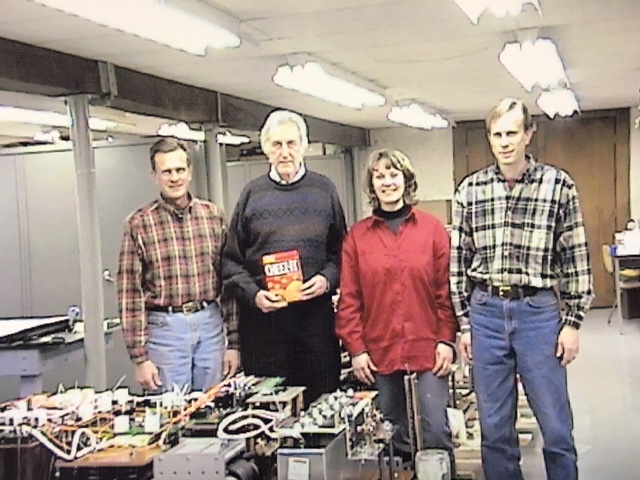 Henry, Brian, Sherry Ann, and Mike
What is the best piece of advice you ever received while working at Dairyland?
Sherry Lynne: Oh yeah! Henry always told me, “don’t stress or worry about things that you can’t control. There will always be disappointments in life. It’s how you navigate through them that matters.”
Sherry Ann: And we would ask him, “how do you handle those things?” Because there were some pretty high pressure situations that would come up over the years and he would handle it so well and we were always like, “how do you do that?” Henry would say, “Is there something you can do about it? Do it. If not, don’t lose sleep over it.”
Sherry Lynne: And “don’t stress over it.”
Sherry Ann: Yeah, don’t stress over things you can’t fix or control. That all really stuck with me. But another thing that has stuck with me is the emphasis on family. Family always came first and that was important to me. I always appreciated that.
What’s the funniest or most memorable story you can share from your time here?
Sherry Lynne: We had this old forklift that you could barely steer. You know, there was a method to the madness back then, but I remember standing on the back of it from time to time when there was too much weight on the front but it had to be quickly loaded onto a truck (editor’s note: don’t try this at home, kids). That always made us laugh, but another that comes to mind… one day while in the bathroom, I decided to (I don’t know why) melt some chocolate and leave it around the toilet and other places around the bathroom. Well, another co-worker went in and came back out screaming. When she found out it was me doing the prank, she was so proud.
Sherry Ann: And remember Nancy? She was this older lady, probably 82 at the time. She used to say, “If I fall over, just kick me under the table.” We obviously would never do that, but one time, she actually did pass out. We had to call an ambulance and everything. She was okay, but she was so upset that we didn’t follow her instructions. She was a hoot.
 Sherry Lynne, Nell, Nancy, and Sherry Ann
What was it like manufacturing in the barn for so many years?
Sherry Ann: Sometimes our kids would be hanging out around the barn. Mark, our brother-in-law, used to tease the kids. He would tell them that a man in a green jacket lived up in the haymow. You should ask Kailey and Logan if they were ever afraid to go up there because of it . . . Oh, going back to the last question, this is definitely memorable, but not funny… one time, Henry’s truck started on fire. He went to go get the mail one day and on his way back up the driveway, he noticed smoke coming out of the front of the truck. So, he parked the truck and got out before it went up in flames. That was very memorable.
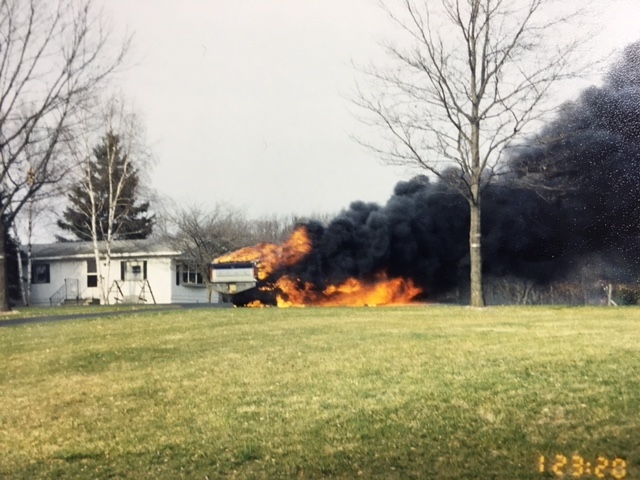
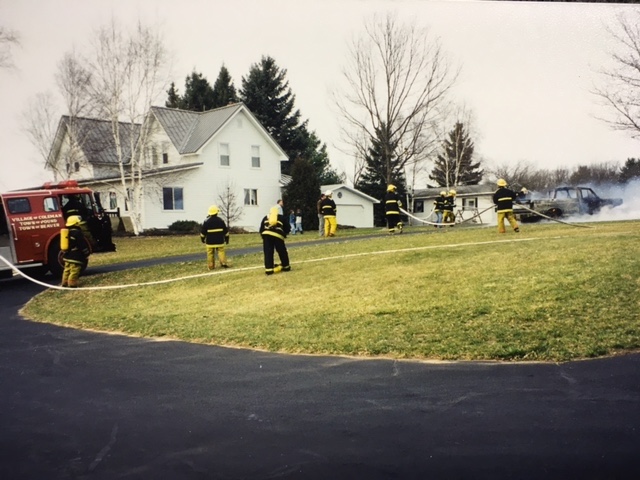
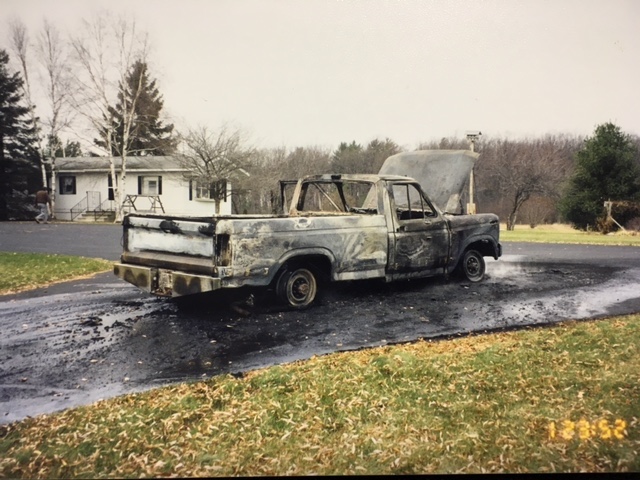
Sherry Ann, continued: Another memorable event at the barn was our first large OVP order. The customer ordered something like 360 units. When they were all boxed up, we did a victory lap around the entire barn like we were in Rocky.
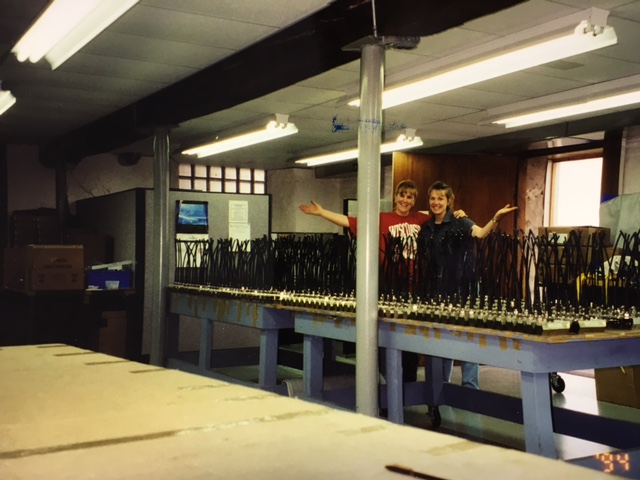 The Sherrys and the large OVP order
Editor’s Note: Much was said in response to this question, but in a way that is difficult to capture in this medium. The following is a summary of what was said. The Sherrys loved their time manufacturing in the barn. In the early days, it was very small and simple. As time went on, things needed to be reconfigured and expanded, including moving the horse and knocking down walls and the silo. Pauline, Henry’s wife, would often bake cinnamon rolls and blueberry muffins for everyone. They also have many fond memories of sharing a Coke and Peanut M&M’s with Henry.
 The Sherrys with the classic snacks
What was it like when Dairyland became a “company” more formally?
Sherry Ann: Scary and exciting at the same time.
Sherry Lynne: Yes! For sure. It was hard. It was almost like a grieving process. For example, leaving the barn, you know, there was something to that. It was very difficult. As I get older, I think about that word… “change.” It can be difficult to navigate, especially when you’ve done something a certain way for so long. But like Sherry said, it was very exciting to see how Dairyland was growing. I’ve always had so much faith in Mike and Henry. I trusted their vision even during those hard moments.
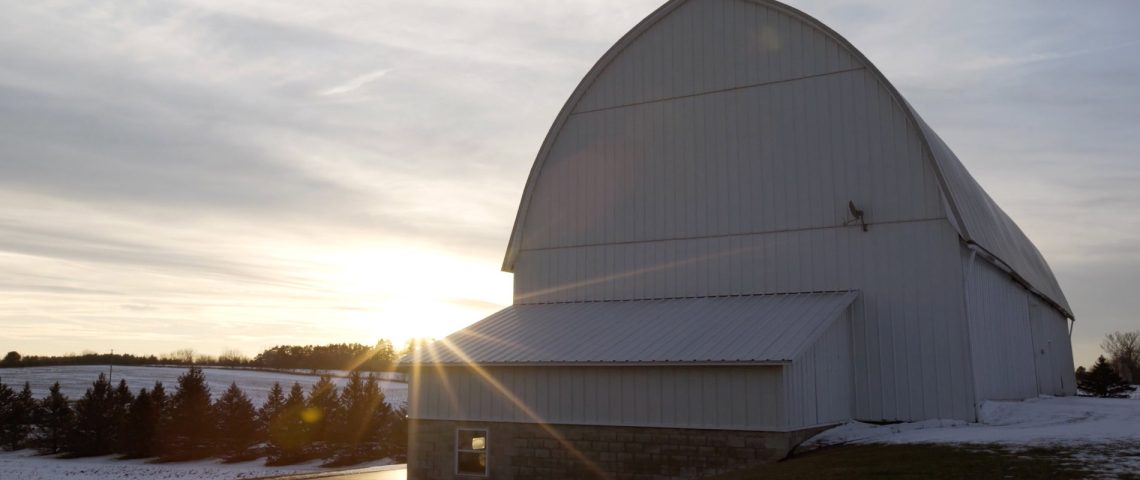 The Tachick Family Barn
Editor’s Full Question for Context: As you know, I worked in Customer Service for many years prior to moving over to marketing. I’ve talked with customers from Australia, Japan, India, Brazil, Chile, and the list goes on and on. Something you built, whether it’s an SSD or PCRX, is literally in the hands of people all around the world, protecting people and infrastructure.
So, in some way, your mark is all over the world. Does that fill you with a sense of pride?
Sherry Ann: Being able to be part of such an amazing company that invests in safety beyond just the product I build means a lot to me. And just knowing that it’s seen as such a high quality product around the world is very humbling.
Sherry Lynne: Absolutely! Everything you build is and was done in a manner that shows why Dairyland leads in this industry. We were taught from the best how to take pride in everything we do, right down to the tape on the box. It all matters.
What has working at Dairyland meant to you?
Sherry Lynne: It’s an extension of my family, really. Seriously, the friendships made and the time spent together as a team have made me a better person. It’s given me a sense of purpose beyond just my responsibilities at home. It’s been extremely valuable in my life.
Sherry Ann: Wow. Yeah, same. Well put. It has been a huge blessing to me and my family. I always pray that I can be a blessing to Dairyland and everybody that I work with and for.
 The Dairyland crew back in the day
What do you want future decoupler-makers to know? (What’s one piece of advice you’d share with someone starting their career?)
Sherry Lynne: I want them to know that you can truly make a difference in this world through hard work, dedication, and a mindset of thankfulness and service to others.
Sherry Ann: Whether it is a day or many years, we never stop learning. So, embrace the learning process. Be open to new experiences. Enjoy your coworkers—each of them has their own unique strengths and character that they bring to the team.

The Dairyland “Shop” team today
Making the World a Better Place, One Pop Tab at a Time
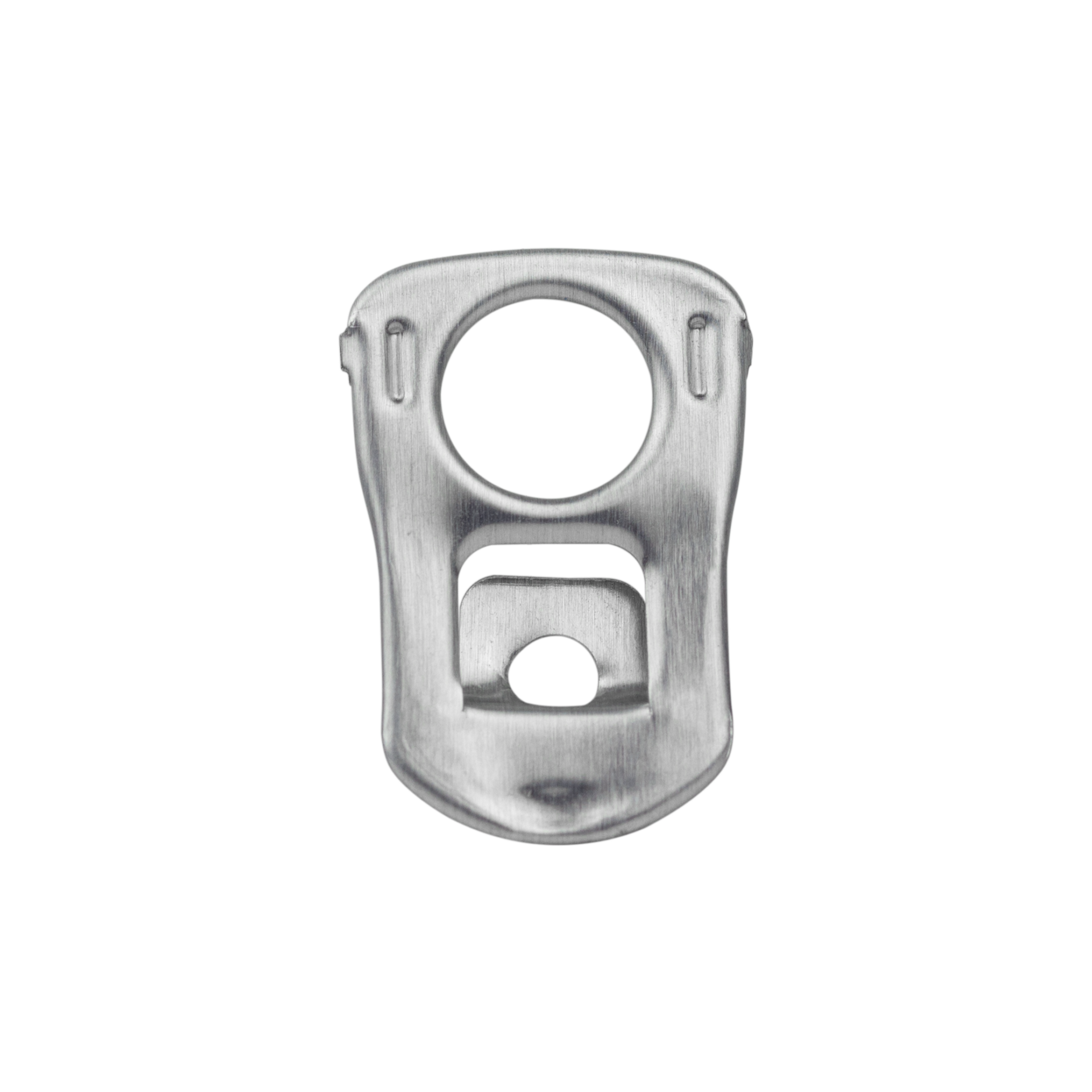
Dairyland Supply Chain Manager Kiley Dura details Dairyland’s latest challenge, a battle between locations to see who can collect the most pop tabs, and its personal connection to her family.
The Pop Tab Challenge
During Dairyland’s monthly team meeting in November, I introduced a new challenge to the group: Which facility—the headquarter office in Stoughton or the manufacturing shop in Pound—could collect the most pop tabs over the next six-week period? The challenge was simple and straight forward, on January 6th the tabs at each location would be weighed, and the location with the heaviest supply of tabs would be named the winner and bragging rights would be awarded. We are a competitive bunch here at Dairyland, so everyone was eager to participate.
“We will do anything we can to win.” —Literally everyone at Dairyland during the challenge
What was my inspiration for launching this challenge? It actually started with my kids’ school. Our local elementary school launched a competition across all grade levels — whichever grade collected the most tabs by weight would receive a pizza and “pop” float party. And as an extra incentive, for every 10lbs raised, a lucky student got to throw a pie in the face of a teacher. The school’s competition inspired the entire community, and local bars, restaurants, aunts, uncles, and grandparents were soon collecting tabs for the kids. Quite frankly we were all feeling very excited.
More Than Just a Community Challenge
While I appreciate a community competition as much as anyone, for me, this challenge was more personal.
Nearly two years ago, 1/23/2023, I experienced one of the worst days of my life. On this day, I learned that my nephew, Jameson, who was three years old at the time, had a tumor growing through his skull that was pushing on his brain. The tumor was cancer — Stage 4 Neuroblastoma. Neuroblastoma is a type of cancer that develops from immature nerve cells. It is most common in and around the adrenal glands. Neuroblastoma is typically diagnosed in children between ages 1-2 and it is one of the most common types of cancer that affects the sympathetic nervous system.
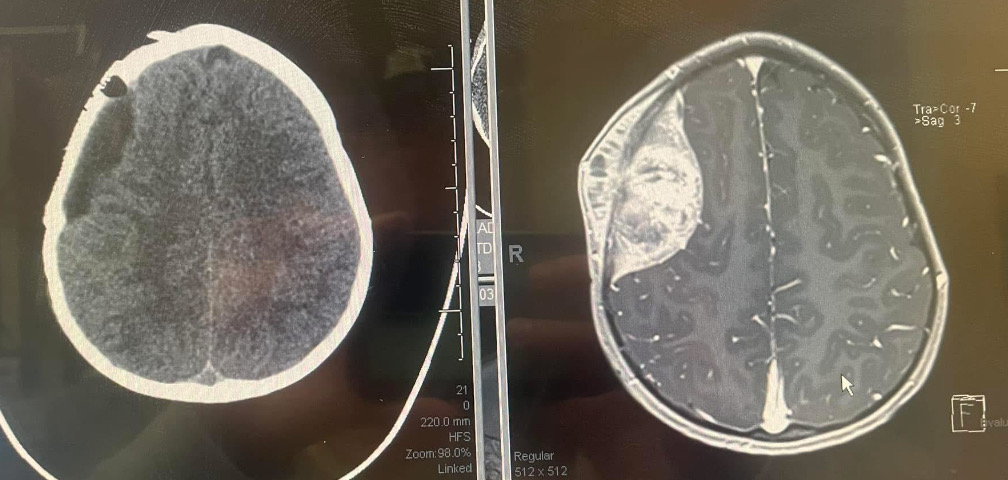
The cause of this cancer is not well understood but is associated with specific gene mutations. Unfortunately, Jameson didn’t just have this cancer, he had a rare mutation that caused the cancer to speed up its growth. Jameson underwent surgery to remove the tumor from his head. This was just the beginning.
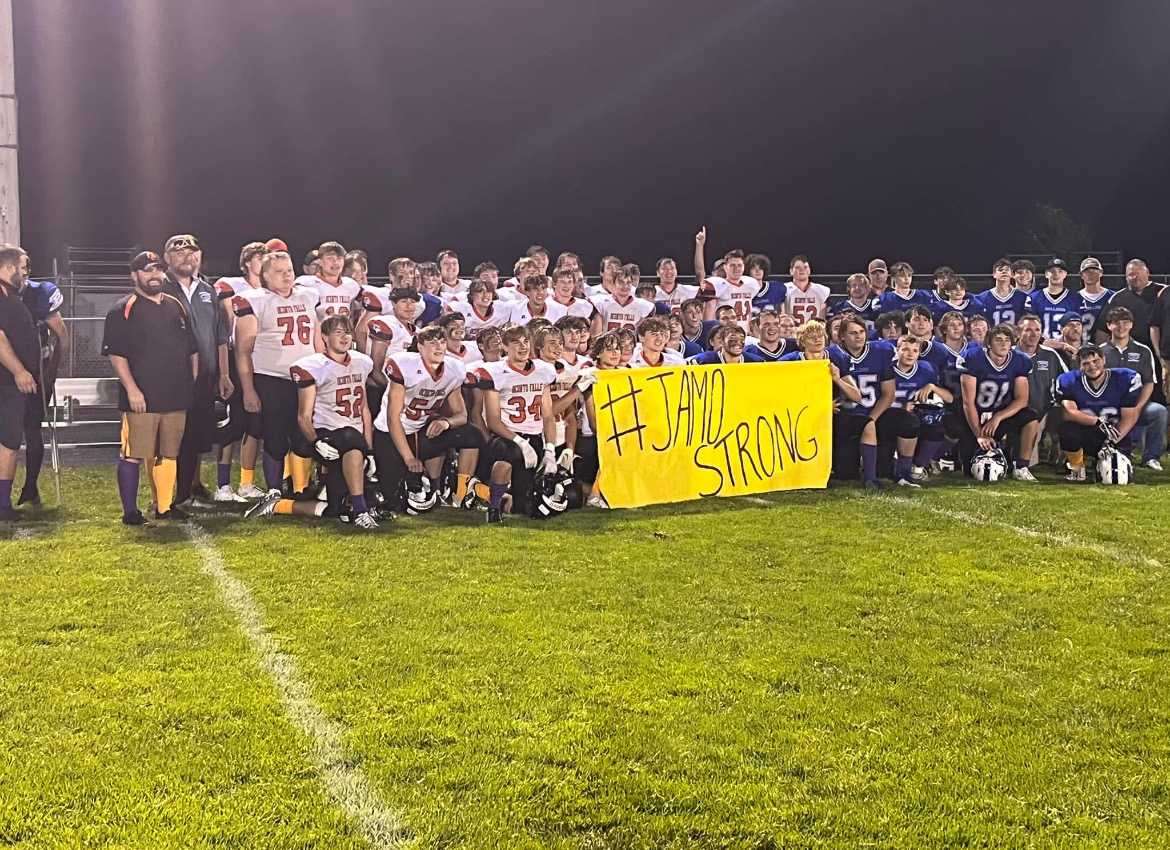
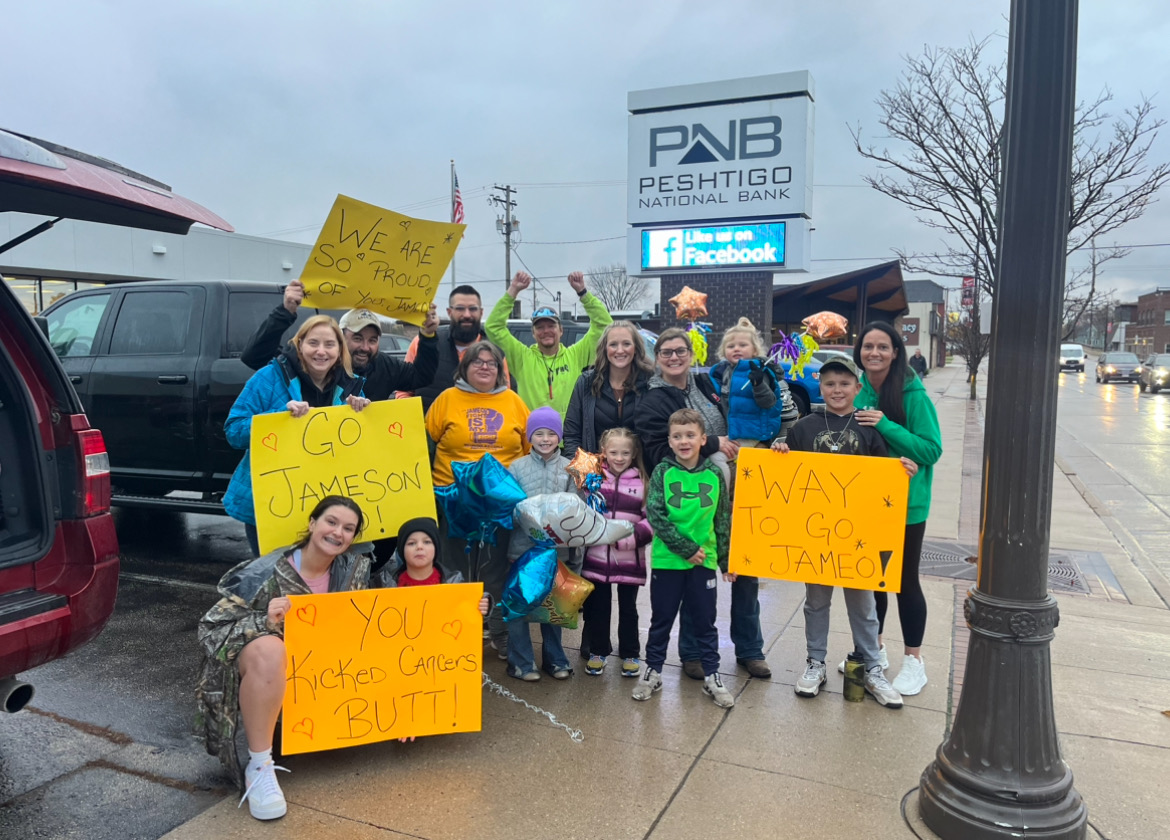
Cancer sucks. It’s so unfair. When I think of Jameson, I think he’s the most inspiring, courageous, and toughest boy I’ve ever met. Over the following 22 months, Jameson had 66 scans that include CT, MR, IR, XR, and ECG’s, 9 CVL surgeries, 2 tumor surgeries (1 skull and 1 adrenal gland the size of a baseball), 40 radiation treatments, chemotherapy, trials, pokes and blood draws, an endless number of trips to and from Children’s Hospital in Milwaukee, and the stress and anxiety of the unknown. You name it, this kid has been through it all. During this time, our small-town community was nothing short of amazing. They held benefits to support us financially, community get-togethers to create awareness of childhood cancers, honored us at football games, held lemonade stands, and contributed personal gifts or letters to Jameson while at the hospital. The support from strangers who became like family is a true testament to humanity.
 |
 |
Ronald McDonald House
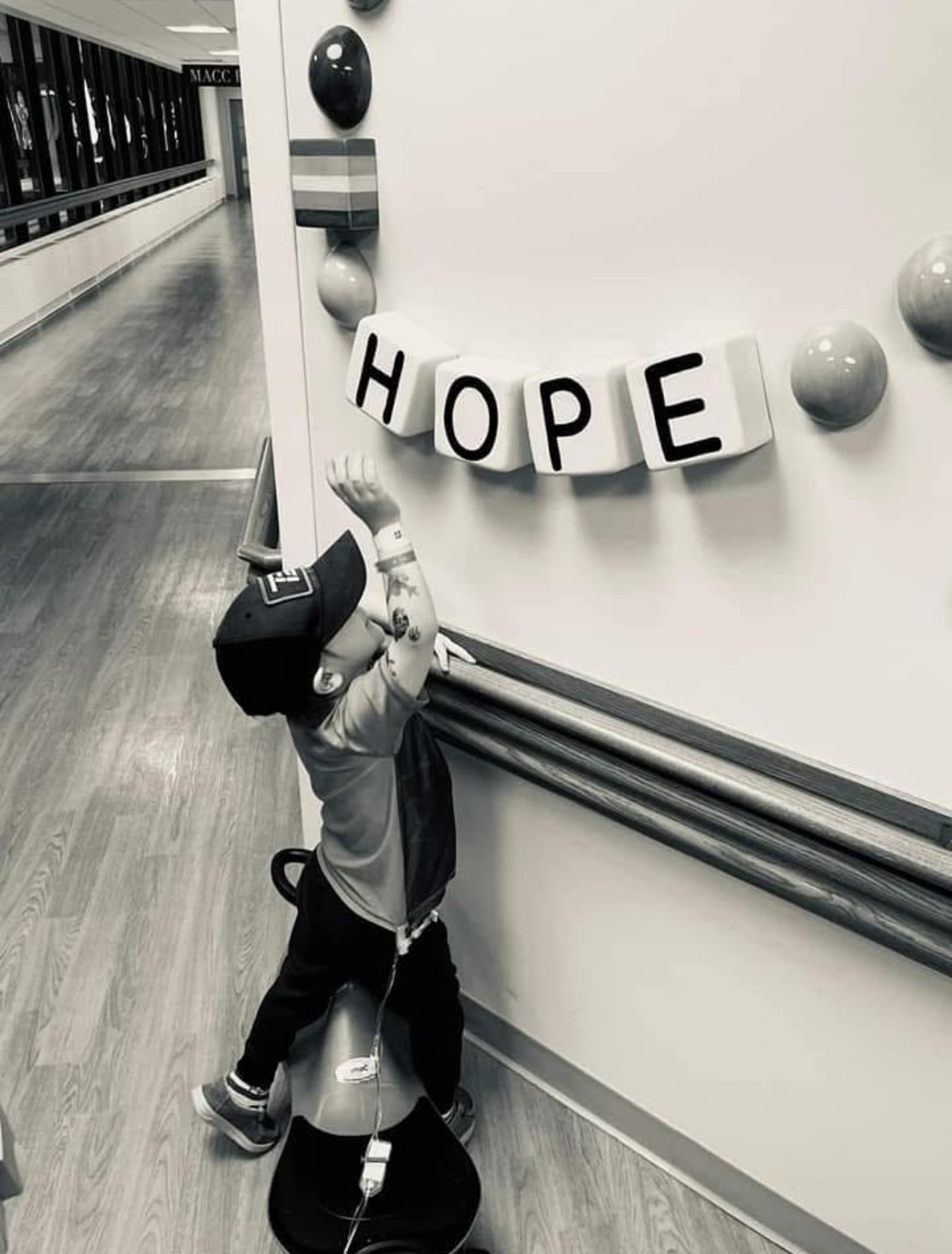
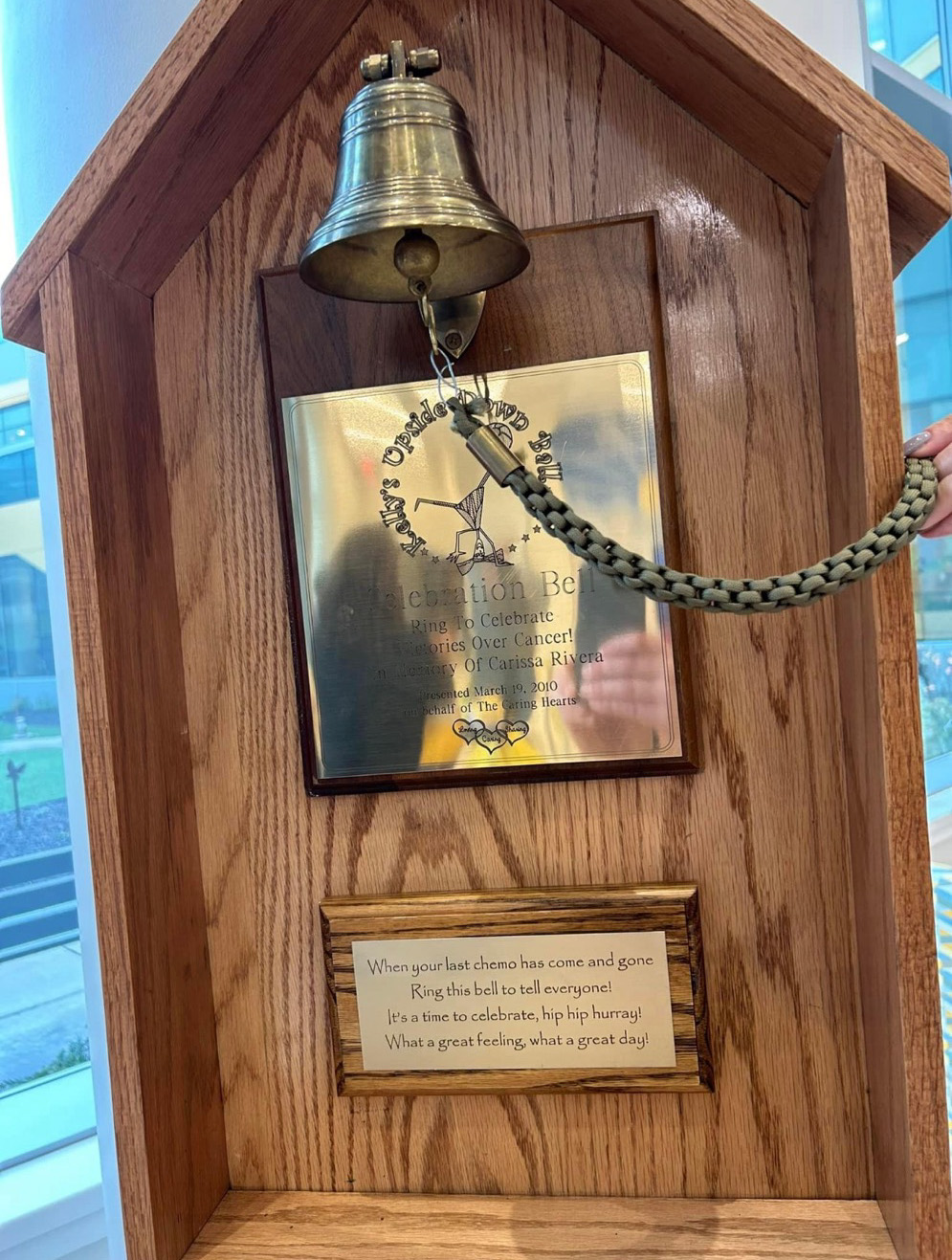
While the community support was amazing, we found a place in Milwaukee called Ronald McDonald House that provides the same outpouring of care. Ronald McDonald House provides families “a home away from home”, a free place to stay, while their ill or injured children are being treated at Children’s Wisconsin and other area hospitals. This house was built and opened in 1984 and is referred to as “the house that love built”, and it couldn’t be truer. To date, Jameson has had over 223 hospital visits in Milwaukee, an approximately 2.5-hour drive from his home. His family could not afford to stay in a hotel or make the drive back-and-forth for each of these appointments, so staying at the Ronald McDonald House alleviated one worry for the family. Thankfully Jameson’s stay at the Ronald House came to an end on November 14, 2024, when he rang the bell at the hospital, symbolizing that he is officially cancer FREE. To say we are beyond grateful, thankful, and blessed that our little man is on his way to a healthy, cancer free life is definitely an understatement. However, we as a family still want to continue to support such a great charity.
 |
 |
So, how is this connected to the pop tabs? The Ronald McDonald house has thrived on donations from mainly soda can tabs, but also canned food or pet food tabs, from families across eastern Wisconsin. Since 2000, recycling the little aluminum tabs has generated over $400,000 for our Ronald McDonald House to help keep families together. They not only offer families a place to sleep while their child is being treated but have fun things for the kids to play with, offer dinners most nights, and provide entertainment to allow the families to take their minds off the main reason why they are there.
Back to the Dairyland Challenge — Who Won?!
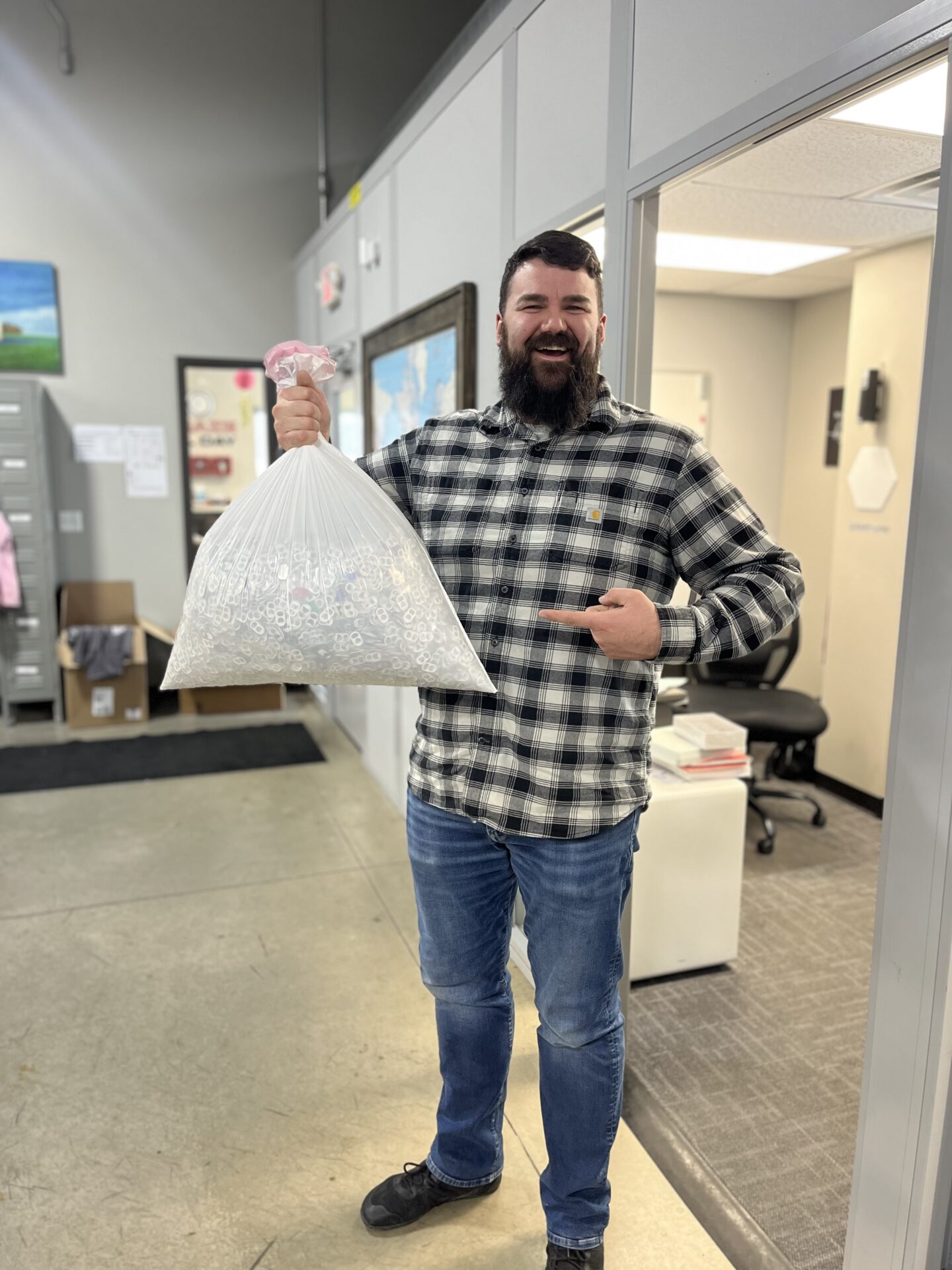
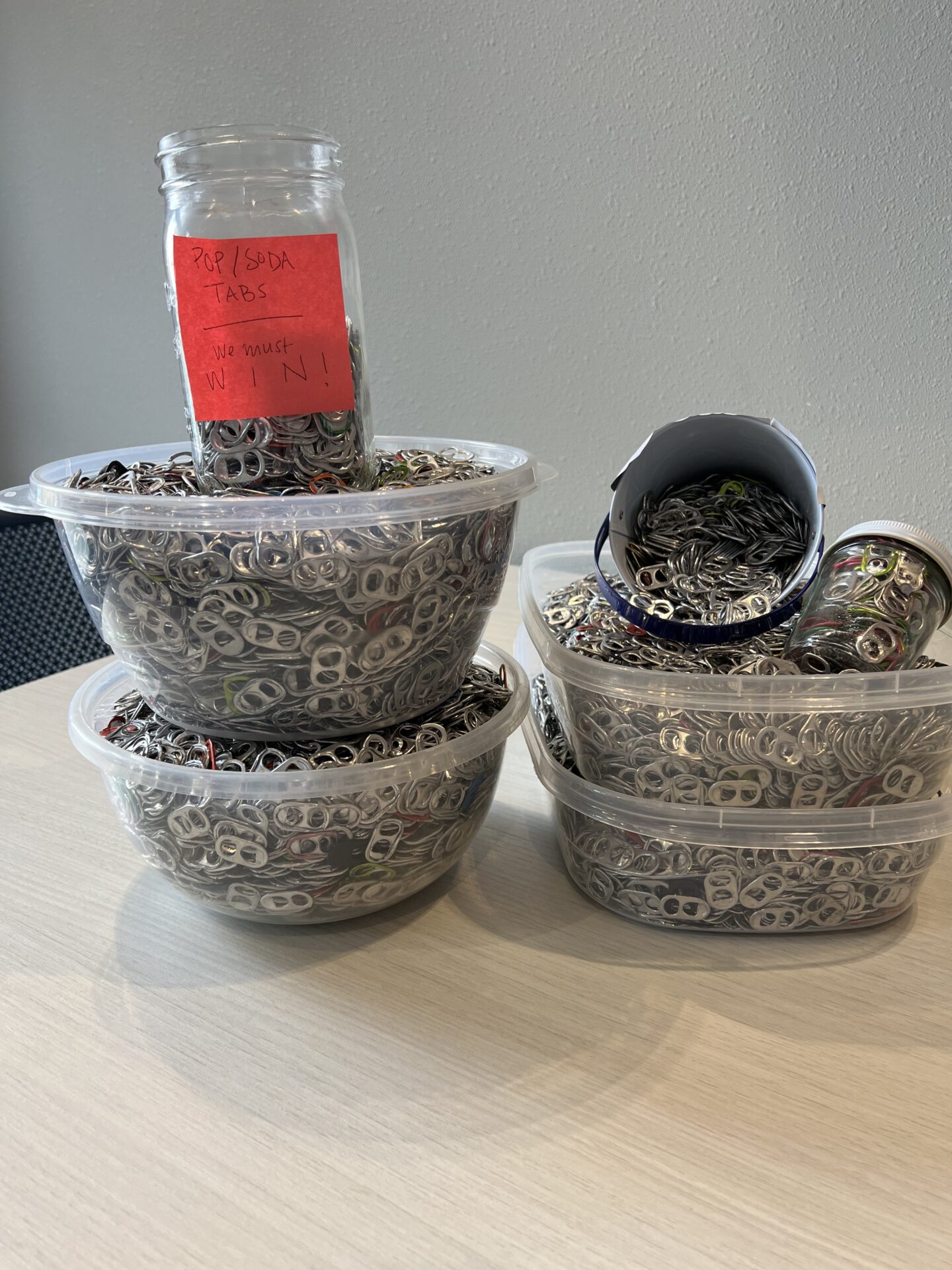
As I mentioned early on, there were no rules to Dairyland’s Pop Tab Challenge, which really brought out some competitive spirits. Most people challenged their families to save tabs at home so they could bring them to the appropriate collection site. But some took it a step further, purchasing tabs from Amazon to seal the win. The Stoughton office came up with a stash that weighed whopping 9.476 lbs., while the Shop’s impressive collection weighed in at 7.656 lbs. Collectively, Dairyland gathered enough pop tabs to total 17.132 lbs. I couldn’t have been prouder of my work family for helping my kids donate to such a great charity via their school. My kids were ecstatic!!!
“We put our blood, sweat, and tears into this.” —Various team members at our production facility
 |
 |
While the school’s contest isn’t over yet, by mid-December, the students had collectively turned in 417 POUNDS of tabs. Dairyland was able to add our solid 17 pounds to the mix. However, The Ronald McDonald house is the real winner of this company/school/community competition, as these tabs will allow them to continue their good work.
Vision for a Safer World: Dairyland Takes its First Vision Trip to Guatemala
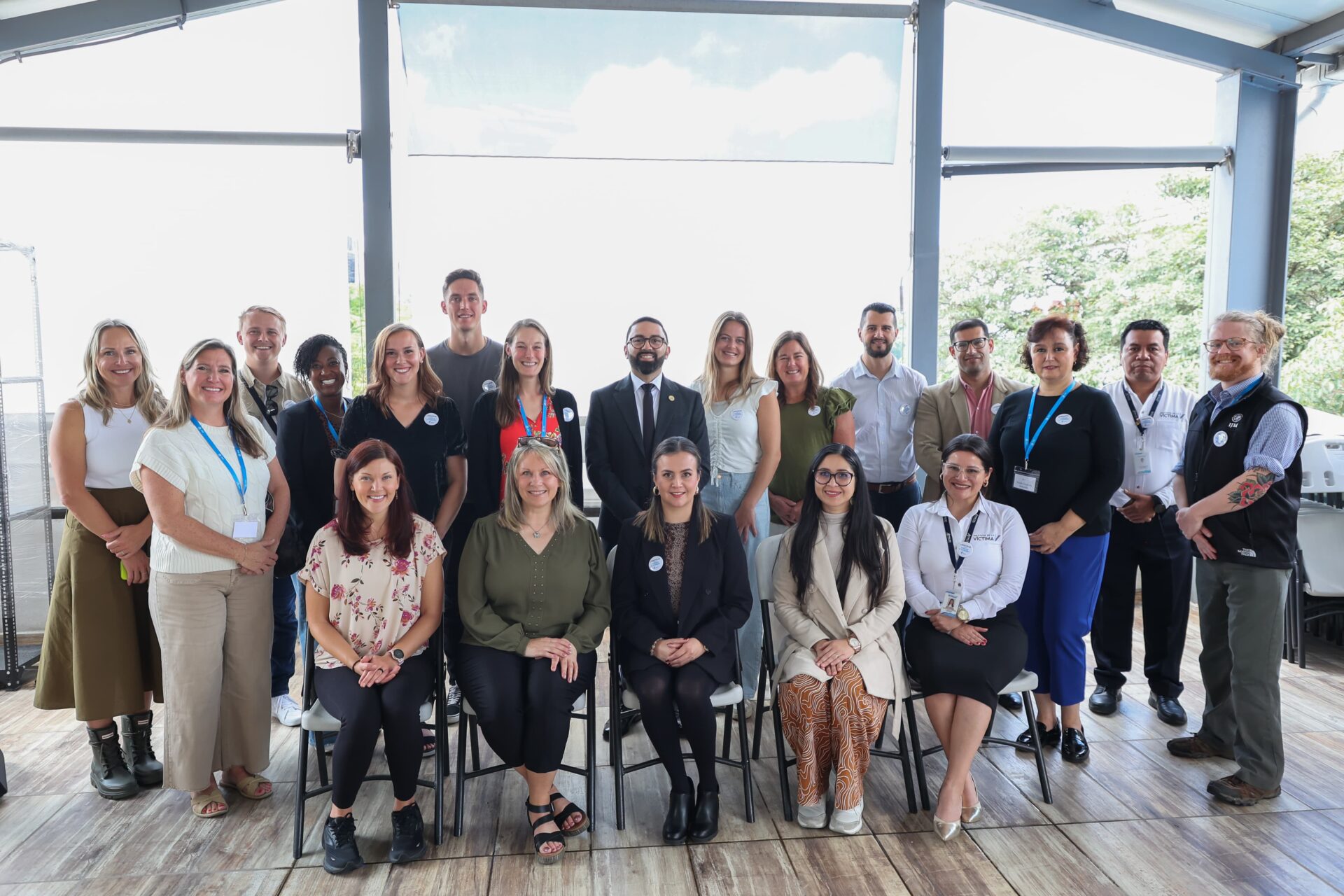
In 2024 Dairyland provided its first opportunity for employees to take a Vision Trip: an immersive cross-cultural experience of our humanitarian partner’s work. This past September, four team members spent a week in Guatemala learning about the work of International Justice Mission (IJM), why it matters, and what it is making possible to build a safer country. They share about this rich experience here.
Guatemala is an extraordinary and beautiful country with a complicated history and complex challenges, particularly when it comes to safety for women and children. Sexual and physical violence are all too common. In some neighborhoods, 1 in 4 adolescent girls is a victim of sexual violence. When IJM began working in Guatemala in 2005, human rights experts warned them that the system was beyond fixing, as they believed that change was impossible.
Today, despite the odds, IJM has facilitated a scaled response that is rescuing victims, bringing criminals to justice, restoring survivors, and strengthening justice systems. They are intentionally working themselves out of a job as they equip government and nongovernmental partners across Guatemala to sustain and increase justice. IJM is collaborating across three neighboring countries – Guatemala, Honduras, and El Salvador (known collectively as the Northern Triangle) – to bring stability and safety throughout the region. Dairyland has provided financial support for IJM’s work in the Northern Triangle, making a visit to the area especially significant to us.
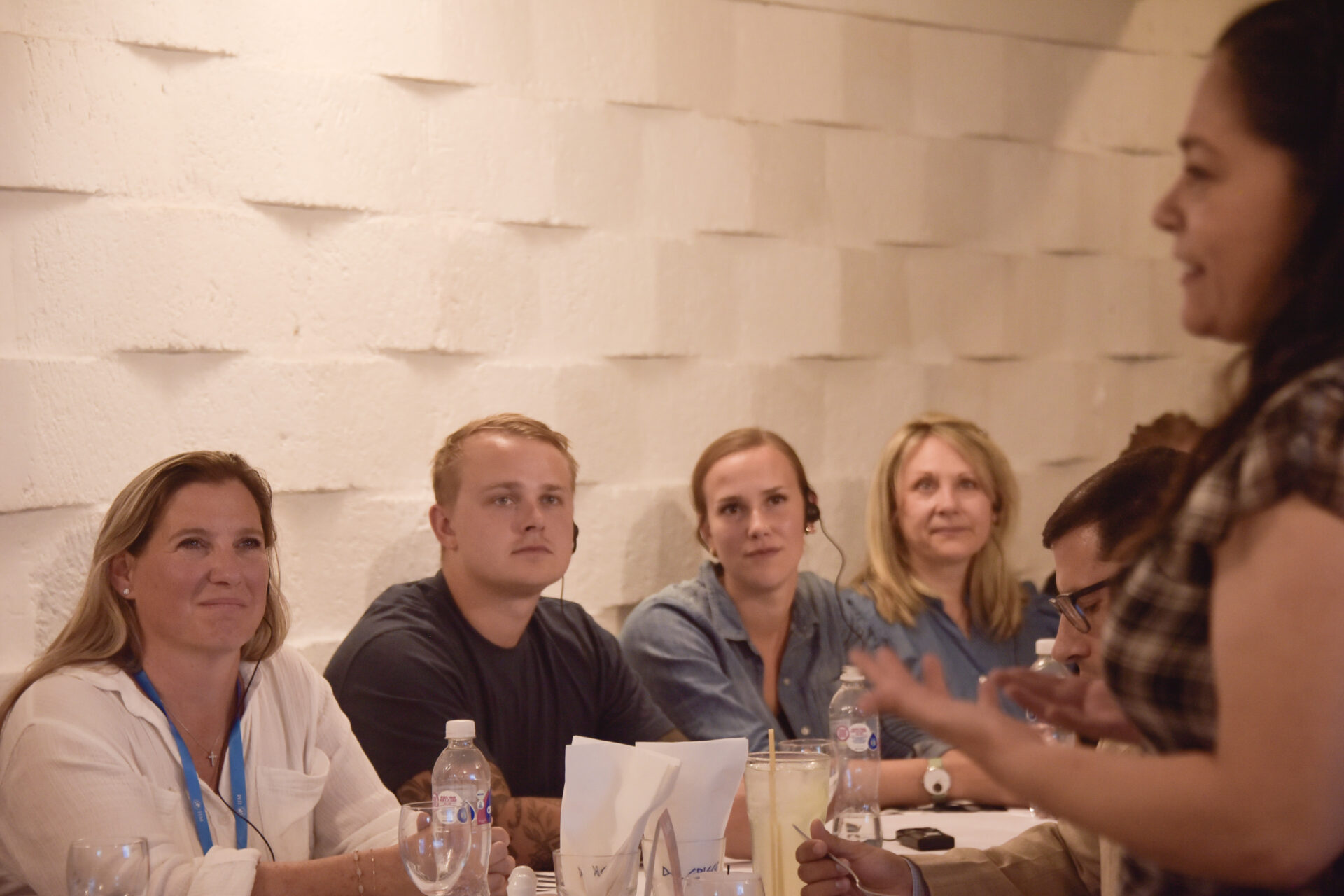
IJM’s Guatemala team, a group of 42 national lawyers, case workers, investigators, and advocates were generous hosts throughout our time, eagerly sharing about their model that has proven effective time after time. They shared stories of victims who are healing, survivors experiencing post-traumatic growth, and tangible data showing that more people will never experience violence through coordinated prevention efforts.
“Our Vision Trip with IJM was a powerful experience, marked by connection with incredible people and a deeper understanding of IJM’s impactful, community-based approach to justice. The trip balanced challenging encounters—like learning about heartbreaking realities and navigating language barriers—with hope-giving evidence of substantial progress and deeply passionate engagement that strengthened my confidence in IJM’s work. I left with a deeper commitment to their mission and gratitude for the experience.” – Amy Wedell, Sr. Manager of Programs & Systems
During our visit, we spent time with members of the IJM team practicing language, sharing stories and photos, and bonding over delicious food (a favorite meal included chile relleno, elote, tostadas, horchata, and steaming rice pudding) as they helped us understand their work. We were introduced to scaling partners like the Instituo de la Víctima (Victim’s Institute) and SVET (Secretariat against sexual violence, exploitation, and trafficking in persons). On two occasions, we had the honor of meeting with survivors.
First, we were invited to Mi Historia Importa (My Story Matters), a network of survivors led by survivors that are bringing awareness, healing, support, and empowerment to other women. Their names and the specifics of their stories will not be shared to honor their protection.
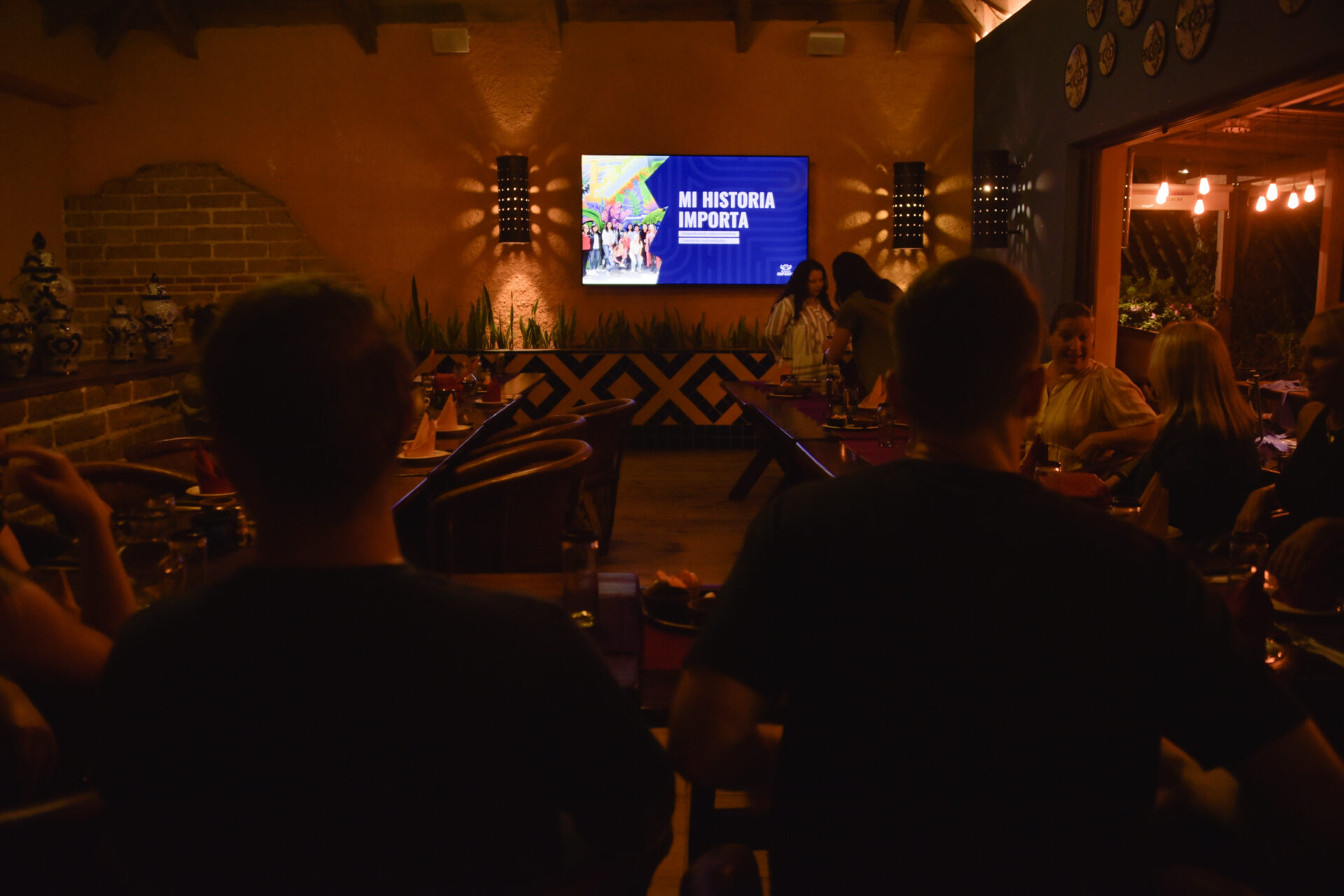
The second opportunity involved a special ceremony where four young survivors were celebrated with a pinning ceremony, honoring the courageous steps they have each taken in their healing journeys. Examples include testifying against a perpetrator in court or starting counseling for the trauma. Pride swelled from their faces and IJM’s Country Director, Juan Miguel Rivera, shared that this is often one of the most memorable moments of their lives.
“We invest in Vision Trips because few things can more powerfully speak to our vision, values, and philosophy of using business for good like learning firsthand, building personal relationships, and immersing ourselves cross-culturally. I took this same trip five years ago and was shocked by how much has changed for the better because of IJM’s faithful, persevering presence. It is an honor to be a witness transformational change and the people working tirelessly to make it happen.” – Kailey Tachick, EVP of Finance, Systems, and Culture
We could share many stories and reflections (and do with the broader Dairyland team). We returned more deeply aware of suffering in our world, full of conviction about the success of IJM’s model in action, and hopeful about how safety is indeed becoming more available for women and children in Guatemala. It reinforces Dairyland’s vision of making a safer world and our own contribution to it as we strive to contribute to the company with excellence.
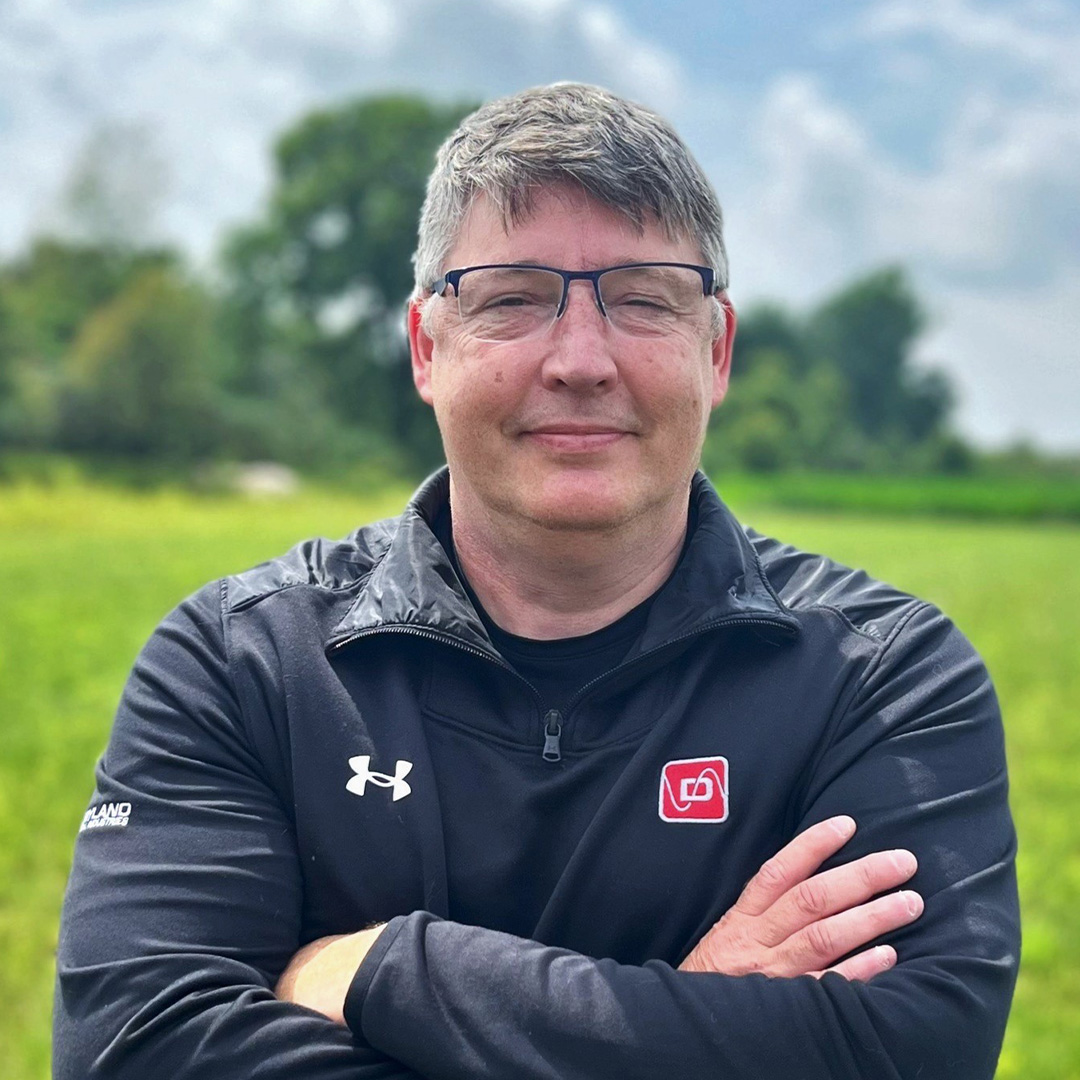 At Dairyland we believe people have inherent value and investing in people is one way we affirm that belief. We practice investment by taking good care of ourselves and finding opportunities to contribute to the success and flourishing of others, whether customers, team members, members of our local community, and beyond.
Robert Whitehouse, Dairyland’s Director of Manufacturing and Supply Chain is passionate about helping others succeed and has a knack for identifying their potential. Here he shares how his experience has led him to value investing in others and how he personally approaches this with his team at Dairyland.
Why is investing in others so important to you? How does it make a difference?
The most important part of my job, and the part that gives me the most pleasure, is to see people grow. That’s important to me because I come from a very humble background and worked my way up; I want to see people achieve the same sort of success. So many people don’t because they don’t have someone along the way who says “you can do better” or somebody who sees something in them.
Was there a defining moment where investing in people became important for you?
There are probably two defining moments for me. When I started work at around 15 years old, the General Manager of the company said to me after my first week, “You’re only here for the summer. You better not be here after the summer; you have way too much potential.” That made me think, “Well, he sees something that I didn’t really see.” I ended up staying there for four years but went from carrying bits of metal around to managing a team of people. If he hadn’t done that, I think I’d still be doing the same job, but he saw something and made me think about it.
The other defining moment for me was when I worked for a startup company in the UK. There was a young lady that nobody saw potential in. She was very unhappy. For some reason I thought back to that time when I was a kid and realized there’s something special in this young woman. I went to the main boss and said, “Don’t let her go, let me work with her and in a year I’ll make sure she’s the best employee you’ve got.” And that’s what happened…she just needed someone to believe in her and tell her “You can do this.”
How do you invest in yourself? And how are you investing in other folks in your current role?
I do a couple of things to invest in myself professionally. I have a good network of people that I talk to often. I talk to different people to get an understanding of what’s going on in their world and share what’s happening in my area. Then I’d say that working with Bob—a professional leadership coach provided by Dairyland—is very good for me.
As for investing in others, you learn so much when you just sit and listen to somebody. You sit and listen, they chat, and you start getting little bits about their personality and what really will drive them. Then I like to challenge people and to make them a little bit uncomfortable. It’s that positive anxiety – you take them out of their comfort zone, and they feel like they can’t do it, but the positive anxiety generates adrenaline. That gets them through it, and they realize they’ve just done it. It’s…celebrating that success. If it wasn’t quite right, don’t criticize. I think that’s the key…if you encourage and listen and help them, then they grow.
One of our core values at Dairyland is investing in the person; how do you see that show up here?
There are really good things that happen at Dairyland that I don’t think happen anywhere else in a formal format. Take IDPs (individual development plans) for example. Everyone here has an IDP. There’s no distinguishing between job role or person, everybody gets the same opportunity. Also, they all get the chance to speak into their IDP, and they all get a chance to develop. I don’t think you realize how unique that is. I’ve worked in a small business setting, and I’ve worked for corporations – corporate would never do an IDP for the people in the Plant, which is shocking.
It’s so much pleasure to sit down and talk to the team and ask, “What do you want to do? In what areas do you want to develop?” Then we give them time to develop.
The other thing about Dairyland is that I just think everybody here cares about each other. Most people here really want to help each other. If somebody’s in pain the team is there for them — I’ve seen a lot of that.
What would you say to an employer or leader who says they don’t have time to invest?
I would say this: Dairyland’s core value centers around investing in people. You can’t say you haven’t got the time. That time invested in somebody will save you somewhere else. You have to find the time. If you truly can’t invest in the people that work with you, there’s something a little bit wrong there. Money’s one thing, but if you do the right things, that comes. When you put the right people in the right job and you invest in the right people, naturally sales will come, naturally the job gets done, naturally the company makes money.
What tidbit of wisdom would you leave us with?
First, be patient because people develop at different speeds. There are steps to get there, and sometimes some of those steps take you backwards because you’ve gone a little too far too fast. You need to slow down because you’re missing some of the key stuff to get you to the end. You can’t just jump from here to here; there’s a process involved.
Second, it’s important to have a good network of people to talk to. I have a particular style, and it might not suit everybody. But if you have a network of different people—all with different styles—it then helps you work out what sort of style resonates best with the different people on your team.
And lastly, hard work pays off.
Thank you, Robert, for sharing your wisdom and approach with us!
“I want to be part of this. I want to be part of this family.” Those were the words of a supply partner after visiting Dairyland’s manufacturing facility. Dairyland’s Supply Chain Manager, Mitchell Christensen, recalls that conversation as if it occurred yesterday. He responded, “You are. You’re a partner and supplier to us and so you are a part of this family.” Maybe more than any other story or description, this exchange captures the expression of Live Engaged through Mitchell’s work and the difference it makes in Dairyland’s supply chain activities for all involved.
Values-Aligned Supply Chain
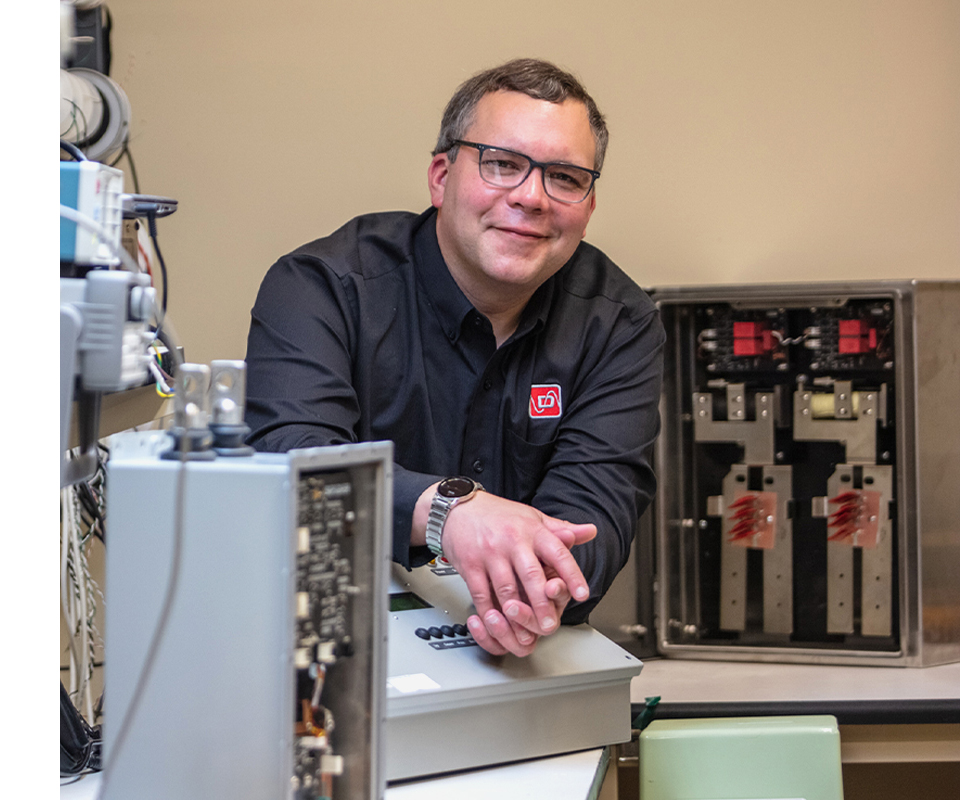
Mitchell describes his approach to supply chain as “multi-faceted,” requiring continual evaluation of risk while actively strengthening relationships with partners. If you shadowed him for a day, you would quickly learn just how many details he assesses to keep Dairyland’s supply chain strong. Managing it requires an understanding not only of the details related to our components and their procurement, but the practices of Dairyland’s partners, global political climates, weather patterns, precious metal indexes, and more. Doing so—and with excellence—ultimately means that we can offer exceptional service to our customers, providing them with a smooth, on-time, and high-quality experience.
Important above all else are the relationships formed. “I’ve met amazing folks over the years who I have come to know professionally and even personally.” One of Dairyland’s five core values is that People Have Inherent Value, and that makes a difference in how we do business. “Everyone has value; it’s that plain and simple. It doesn’t matter if you’re the CEO or the dock worker…everyone has equal value and gets treated the same. I try to enter into every conversation with that as the driving force.”
Ethical + Just
Holding that value extends deeply into ethical sourcing, moral business practices, and inviting partners into Dairyland’s Live Engaged network. “We partner with suppliers who are ethical, who treat their employees and the environment properly,” says Mitchell. And he will go to great lengths to ensure what is said on paper matches the real-life practices.
One example of Mitchell’s determination in this area is through the partner site visits he conducts. Acting as part anthropologist, Mitchell looks for clues about the overall wellbeing of partner companies – especially how they treat their employees. He speaks with frontline employees, observes what is or is not communicated, what populates message boards and scoreboards, the implementation of safety measures and ease of use, programs that exist to support employee wellbeing and engagement, the company’s own constraints, and more. “You cannot allow the cost of doing business to include failure to your employees’ wellbeing.” That’s just the right thing to do and what we look for.
Mitchell also looks closely at sourcing as it relates to conflict countries or areas—places with known human rights and ethical work practice violations, such as slave labor, smuggling, illegal extraction of raw materials, and more. If our partners were engaging in these relationships, “that would be a deal breaker for us.” We will not save money and allow such practices—“it’s a hard line in the sand and we’ll quickly move on from that partnership.” Though already a deeply held conviction, the importance of this stance is regularly reinforced through Dairyland’s justice partnership with International Justice Mission (IJM). One of the ways we support IJM is through investment in their work to end exploitative labor which largely targets the poor and vulnerable.
Mitchell shares this with his supply partners, inviting them into the bigger story of impact.

Just as there is a chain of supply, so is there a chain of positive impact. Because of Dairyland’s partnership with IJM, that component manufactured through a supply partner becomes a mechanism that helps liberate people from bonded labor, whether in Indian brick kilns, illegal Thai fishing boats, or elsewhere.
Linking the Pieces
That resonated for the partner quoted above when he saw it for himself. “He met our team, saw his product, watched our production team put our product in his and send it out the door. We had lunch together—the whole manufacturing facility—and he was just part of the family [making this possible].”
Wherever you are, and in whatever work you do, you have an opportunity to Live Engaged. If you are a partner to Dairyland in some capacity—whether buying our products, supplying parts, improving our systems, etc.—you, too, are making global impact possible. You are helping us make a safer world through application of our solutions, and partnership with great organizations like IJM. Thank you!