
The following video demonstrates the direct test method for ensuring proper functionality of your PCR, PCRH, PCRX, or SSD.
For more detailed information, visit our direct testing knowledge base article.
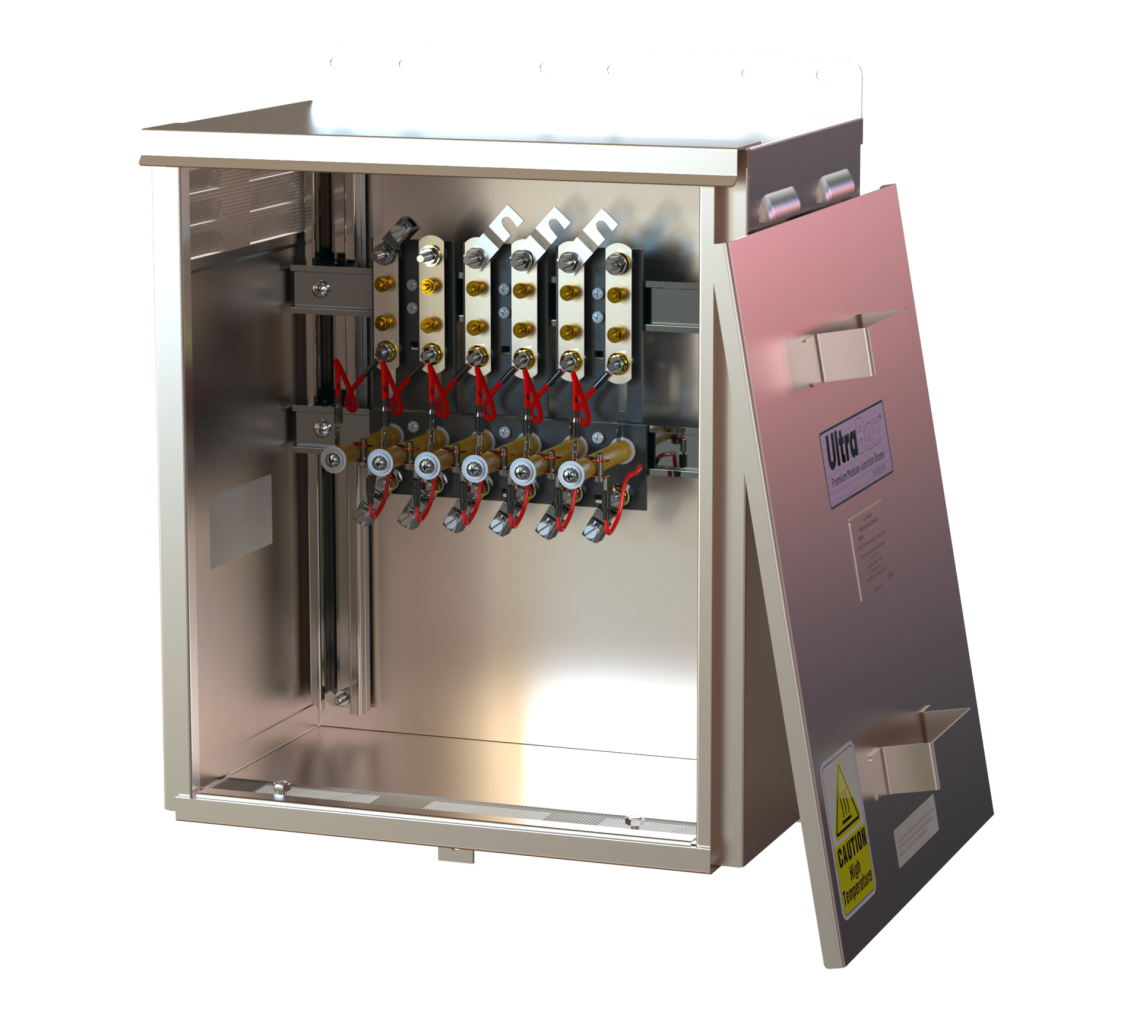
Dairyland’s UltraBox modular junction boxes feature snap-in DIN rail mounted modules with industry standard shunts and resistors to give you complete flexibility over the configuration and future expansion of your junction boxes.
The UltraBox can be used for virtually any junction box application related to cathodic protection. Whether needed for an anode junction box, interference bond, rectifier output box, positive/negative splitter, or an enhanced test station box, the UltraBox can be used anywhere and in any way that you use junction boxes.
Unlike traditional junction boxes with components fixed to a backplane, you can assemble and/or reconfigure the UltraBox in minutes – even on your truck’s tailgate – without any special tools. This can save you weeks waiting on custom-designed and fabricated junction boxes. And if you ever need to replace shunts or resistors or if your needs change over time, you can easily move or add components without having to disassemble the entire junction box.
Contact us for a live demonstration of how the UltraBox can be used with your CP installations. Below are a few examples of typical junction box applications and how the UltraBox can be configured to meet those needs.
Rectifier Junction Box Installation
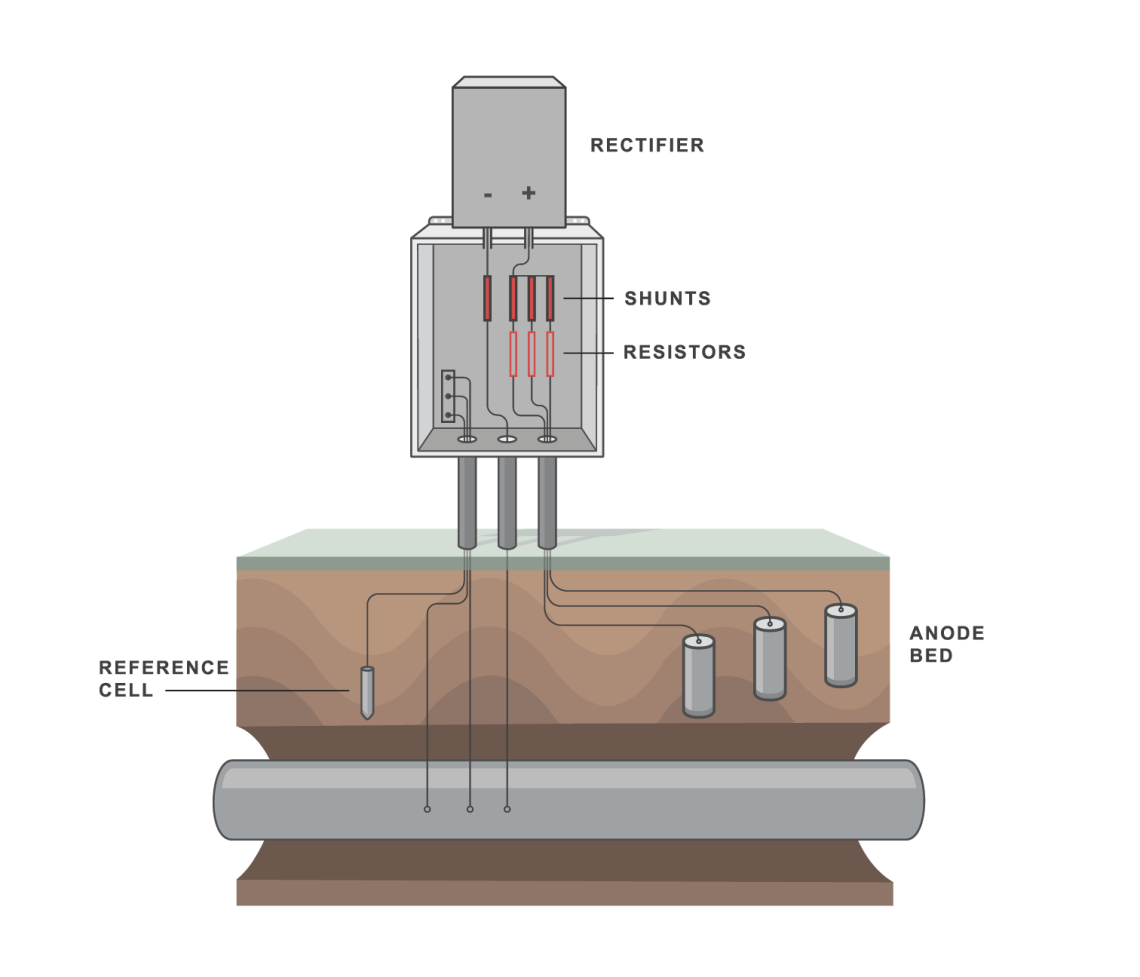
A junction box with shunts and resistors is often installed next to a rectifier with a shunt between the rectifier negative output and the pipeline and a parallel bank of shunts and resistors between the positive rectifier output and the anode bed as shown below. Sometimes, isolated terminals are needed to land test leads from a reference cell and/or the pipe. Note how the UltraBox can be quickly assembled for this application.
 |
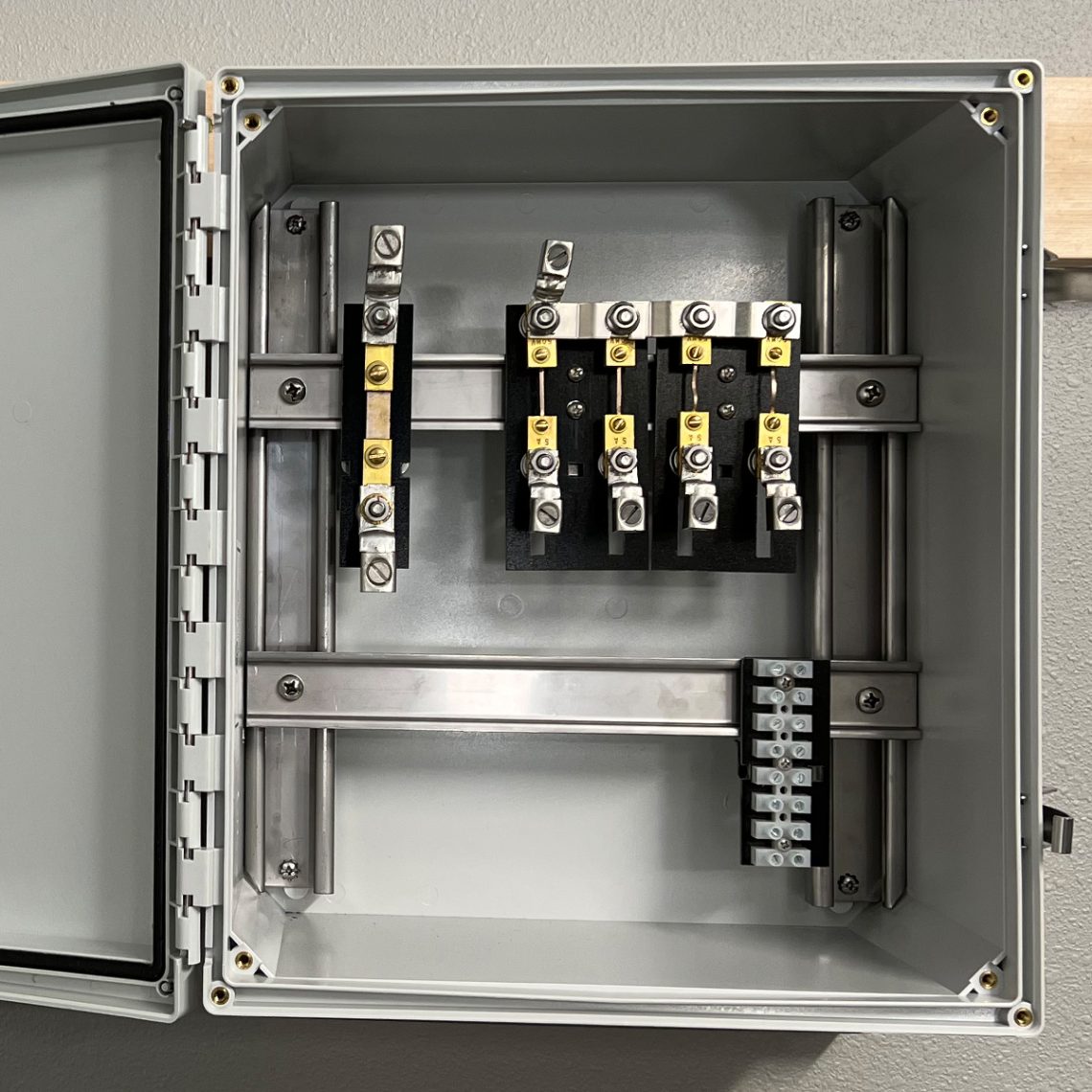 |
Average Build Time: 5 minutes
Anode Junction Box Installation
Used at the rectifier or closer to the anode bed or deep well, an anode junction box is connected between the positive rectifier output and a bank of anodes. An anode junction box often has both shunts and resistors but may have only shunts. With the UltraBox, it’s easy to add in resistors in the future if needed. Note how a header shunt, used here to measure the total current to the anode bed, is connected in the UltraBox.

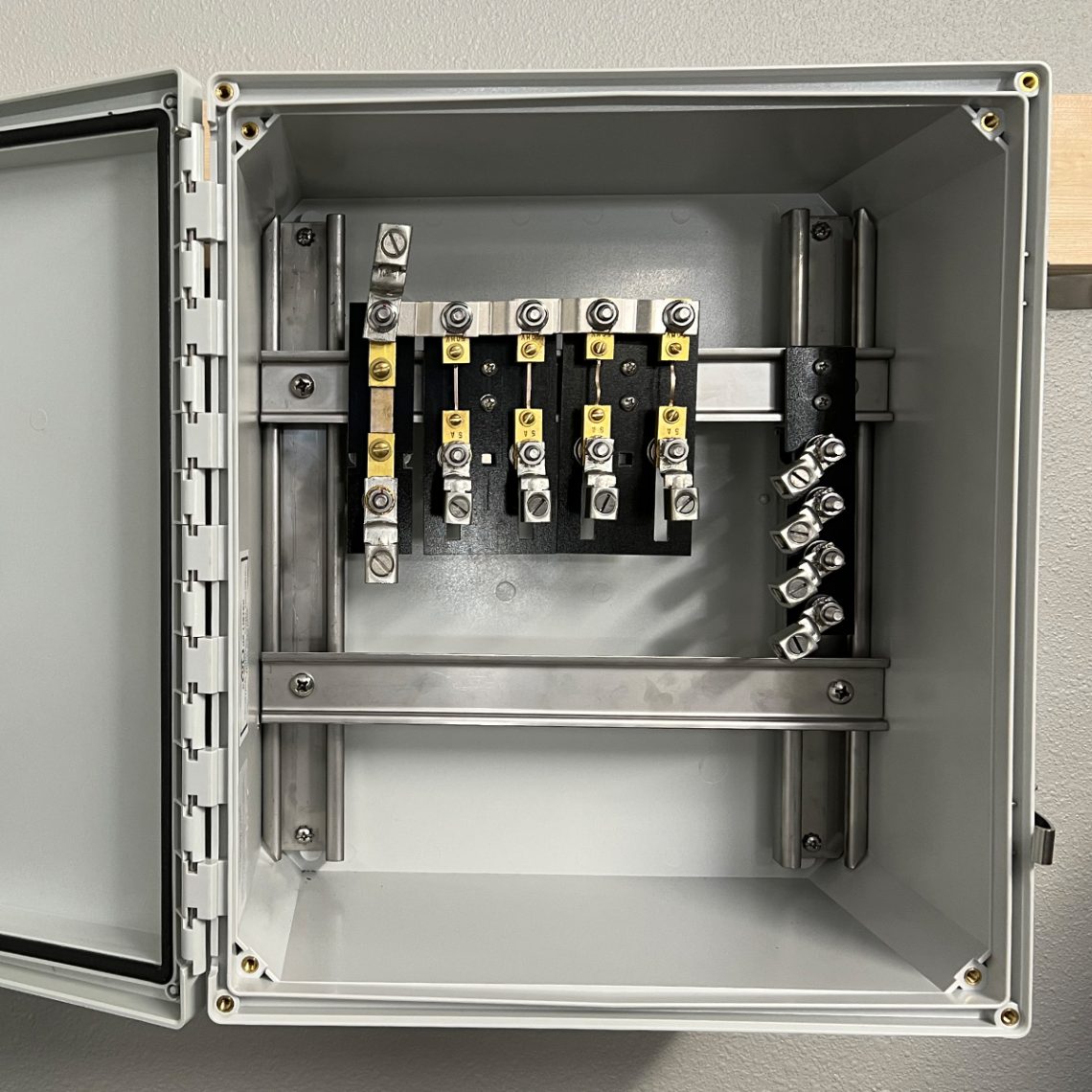
Average Build Time: 3 minutes
Field Junction Box Installation
Used to measure and/or control current to multiple pipelines, a field junction box is installed in the negative connection between the rectifier and the pipelines and is usually located remote from the rectifier or anodes. A similar configuration can also be used to manage interference between pipelines.
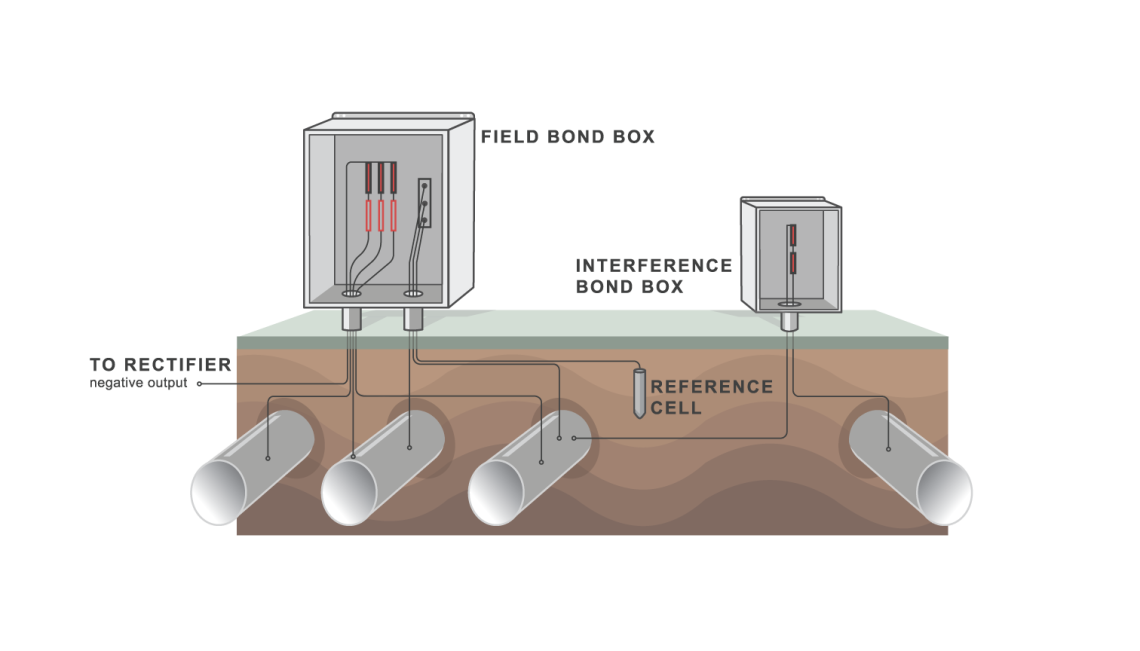
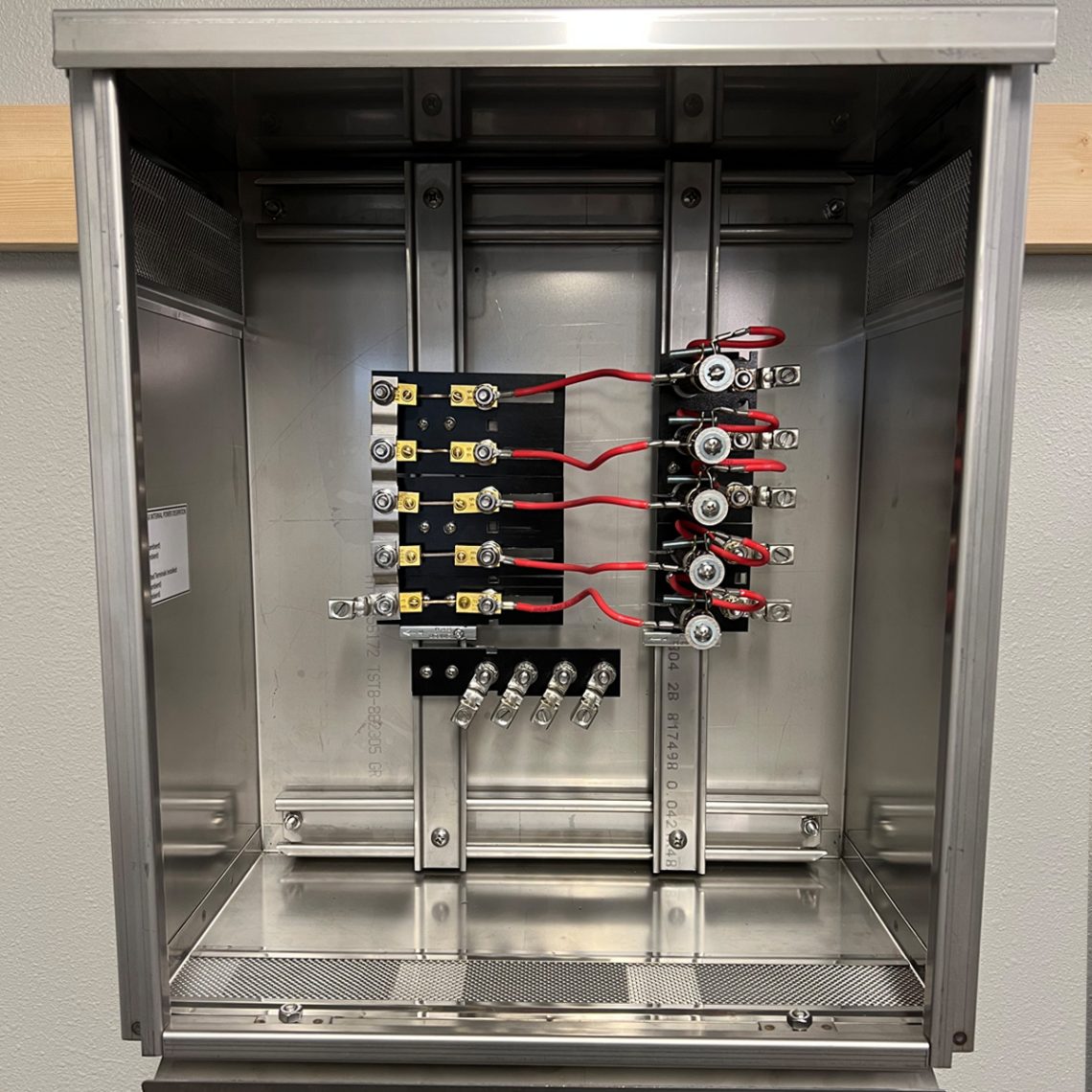
Field Bond Box |
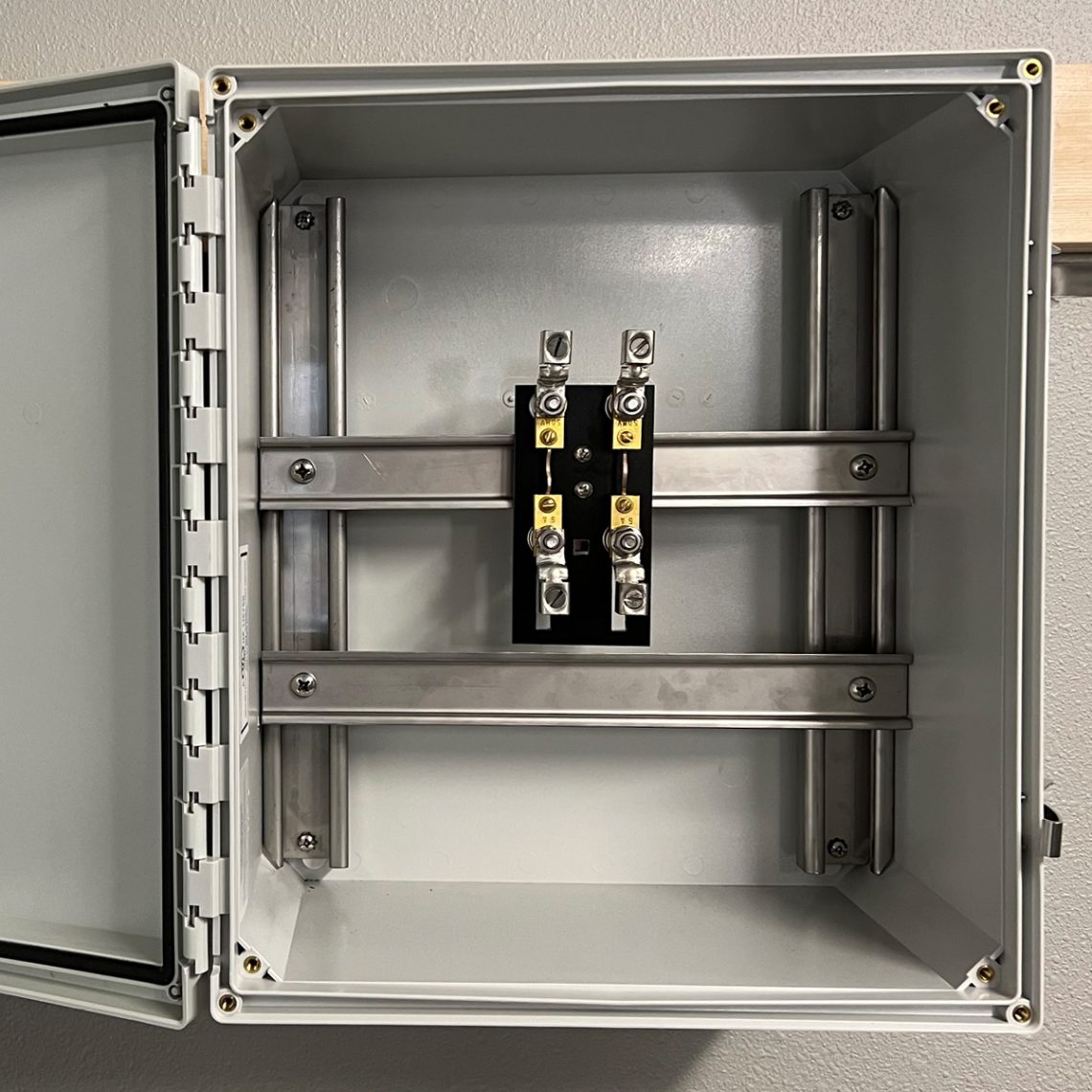
Interference Bond Box |
Average Build Time: 5 minutes
In this video, presented in top 10 format, we’ll take a look at the top 10 misunderstandings about over-voltage protection that we encounter in the corrosion industry.
Prepared for and presented at the 2015 NACE Central Area Conference, this presentation discusses the use of decoupling devices to provide safety and CP isolation on a variety of facilities and equipment. This session covers the types of structures found in facilities, what types of grounding/bonding problems you might face, hazardous locations and how to fix these issues and concerns.
In this video originally presented at the NACE Central Area Conference, we’ll take a look at insulated joint protection when structures are located in hazardous locations. We’ll discuss the relevant regulations and considerations when applying safety products.
In this advanced training video, we’ll take a look at the interaction that can sometimes occur between decouplers and close interval survey measurements and discuss some options for rectifying this situation.
This three part training session focuses on key mitigation concepts including touch/step potentials, lightning & AC fault considerations, ground mat design, and the use of decouplers in mitigation design.
Part 1
Part 2
Part 3
Following up our Top Ten Misunderstandings video, this video includes more commonly heard misunderstandings related to Over-Voltage protection encountered in the corrosion industry.
This video covers the basics of using decouplers to simultaneously isolate DC (Cathodic Protection) current while simultaneously providing safety grounding to prevent harmful situations from AC fault current or lightning.
Originally presented at the 2015 Purdue Underground Corrosion Short Course, this video covers the essentials of using gradient control mats to address over-voltage concerns from touch and step potentials.
In this updated Decoupler 101 series, we’ll cover the basics of decouplers. You’ll find discussions on what solid-state DC decouplers are, how they are used, a discussion on understanding model numbers and other decoupling basics.
4) Selecting the Right Decoupler
5) Understanding Model Numbers
Perhaps the most common use of Dairyland decouplers today is for AC Mitigation projects. In this introductory series we will briefly discuss how a decoupler is used for this application, which products to use for your AC Mitigation projects, and what safety considerations you need to be aware of when using Dairyland devices for this application.